
How cold should air conditioner blow? Your air conditioner should blow air that is significantly colder than the air entering it, typically showing an AC temperature difference of about 15 to 20 degrees Fahrenheit between the air coming out of the vents and the air going into the return vent. This Normal AC temperature drop shows your system is working well. The Ideal AC temperature setting for your home’s thermostat is often debated, but many experts recommended thermostat setting is around 75-78°F (24-26°C) for comfort and energy saving, not necessarily the lowest possible temperature. If your AC isn’t blowing cold air, it’s a sign something is wrong.
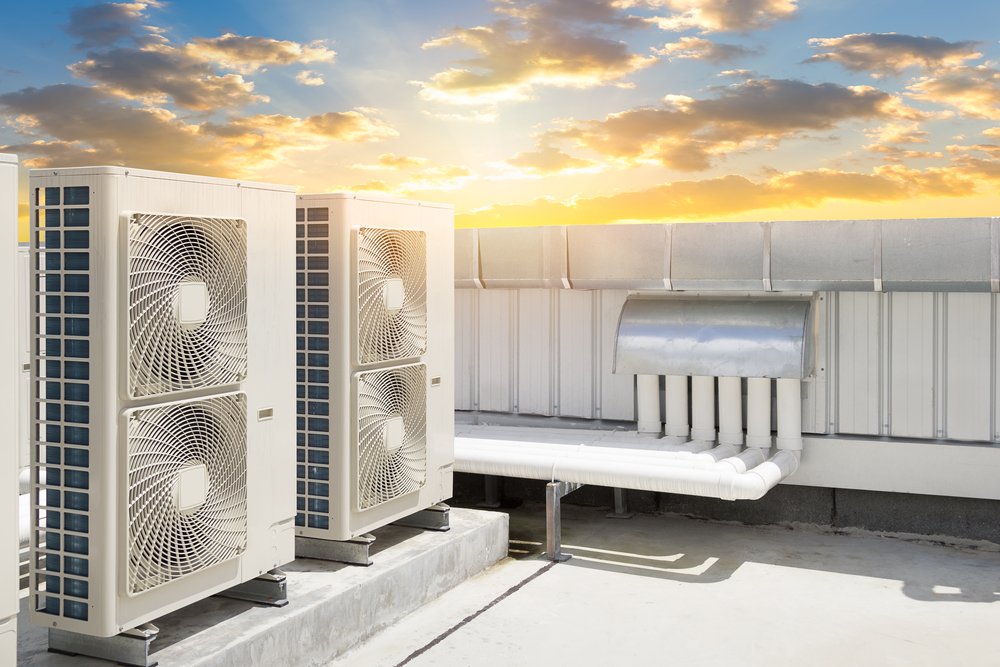
Image Source: images.squarespace-cdn.com
Grasping How Your AC Makes Air Cold
Air conditioners work by moving heat. They take heat from inside your home and move it outside. They don’t create cold air; they remove heat. Think of it like a heat pump working in reverse.
Here’s the basic idea:
- A special liquid or gas, called refrigerant, flows through coils inside your home.
- Warm air from inside your home blows over these cold coils.
- The refrigerant sucks up the heat from the air.
- The now-cool air is blown back into your rooms.
- The refrigerant, now hot, flows to an outdoor unit.
- The heat is released outside.
- The refrigerant cools down and cycles back inside to grab more heat.
The colder the coils inside get, the more heat they can grab from your indoor air. But there’s a limit. If the coils get too cold, ice can form, which stops the system from working right.
Knowing Your AC’s Cold Power
Your air conditioner is designed to cool the air by a certain amount as it passes through. This amount is the AC temperature difference, sometimes called the delta T.
What the Temperature Difference Means
This difference tells you how hard your AC is working to remove heat from the air. It’s the main way experts check if your AC is cooling properly.
You measure the temperature of the air entering the AC system (at the return vent) and the temperature of the air leaving the AC system (at a supply vent). The difference is your AC’s cooling power.
Measuring AC Vent Temp
You can measure this yourself using a thermometer. A simple digital thermometer works fine.
- Find a return vent. This is usually a larger vent, often with a filter inside, where the air goes into the AC system.
- Hold your thermometer near or in the return vent to measure the air temperature. Let it sit for a minute to get a steady reading. Write this number down.
- Find a supply vent. This is a smaller vent where the cool air blows out into a room. Pick one that is close to the air handler (the indoor part of your AC) if possible.
- Hold your thermometer near or in the supply vent. Let it sit for a minute to get a steady reading. Write this number down.
- Subtract the supply vent temperature from the return vent temperature. This is your temperature difference.
Normal AC Temperature Drop
What is a good temperature difference? For most home air conditioners, a Normal AC temperature drop is between 15°F and 20°F (about 8°C to 11°C).
- If the difference is less than 15°F, your AC might not be cooling enough.
- If the difference is more than 20°F, your system might have airflow problems, or it could still be cooling well but is working extra hard.
This range is a general guide. The exact ideal difference can depend on the humidity in your home and the design of your specific AC system. But 15-20°F is a solid range to aim for.
Finding Your Ideal AC Temperature Setting
How cold should your house actually be? This is about finding the Optimal indoor temperature for you and your family, balancing comfort with saving money on energy bills.
Recommended Thermostat Setting Ranges
Energy experts often suggest setting your thermostat higher than many people might think.
- While you are home and awake: 75-78°F (24-26°C) is a common Recommended thermostat setting. This range feels cool and comfortable to most people without making the AC work too hard.
- While you are asleep or away: You can set the temperature higher to save energy. Maybe 80-82°F (27-28°C). You won’t notice the heat increase much while sleeping, and raising the temperature when you’re not home means the AC runs less.
Setting your thermostat to a super low temperature, like 68°F (20°C), won’t make your house cool down faster. Your AC cools at the same speed no matter the setting. Setting it very low just means the AC will run non-stop trying to reach a temperature it might not be designed to hit efficiently, wasting energy and potentially freezing up the system.
Factors Changing Your Optimal Indoor Temperature
The perfect temperature setting isn’t the same for everyone. It depends on:
- Personal Comfort: Some people like it cooler, others warmer. Find what feels right for your household.
- Outside Temperature & Humidity: On extremely hot and humid days, trying to achieve a very low indoor temperature (like 20 degrees lower than outside) can be difficult and costly. Your AC has to work harder to remove humidity as well as heat.
- How Well Your Home Is Sealed: A drafty house loses cool air fast. You might feel warmer even with a lower setting.
- Sunlight: Rooms with lots of windows facing the sun will feel warmer. Using blinds or curtains can help keep heat out.
- Activity Level: If you’re exercising inside, you’ll feel warmer than if you’re sitting still.
- Time of Day: You might prefer a cooler temperature for sleeping.
The goal is to find a setting where you feel comfortable, not cold. The Ideal AC temperature setting is one that keeps you cool and saves energy.
When Your AC Isn’t Blowing Cold Air
One of the most frustrating things is when your AC isn’t blowing cold air or is blowing air that isn’t as cold as it should be. This means something is wrong.
Common Reasons for Warm Air
Many things can cause your AC to blow warm or only slightly cool air.
- Dirty Air Filter: A clogged filter blocks airflow. This means less air passes over the cold coils, so the air doesn’t get as cool. It can also cause the coils to freeze. This is the most common reason for poor cooling.
- Frozen Evaporator Coil: If airflow is blocked (by a dirty filter or closed vents) or if refrigerant is low, the indoor coil can get too cold and freeze into a block of ice. Air blowing over ice isn’t cool; it’s just slightly chilled.
- Problem with the Fan: The fan motor in either the indoor or outdoor unit might not be working. If the indoor fan isn’t blowing, no air moves over the coil. If the outdoor fan isn’t working, heat can’t be released outside, causing the system to overheat or shut down.
- Refrigerant Issues: Your AC might have a low refrigerant level. This is a major issue. Refrigerant is what absorbs and carries heat. If there isn’t enough, the system can’t cool the air properly. It’s not something that gets ‘used up’ like gas in a car; low levels mean there’s a leak.
- Dirty Outdoor Unit (Condenser Coil): The outdoor coil releases the heat from your home. If it’s covered in dirt, leaves, or grass clippings, it can’t release heat well. This makes the system work harder and cool less effectively.
- Issue with the Compressor: The compressor is a vital part of the outdoor unit. It pumps the refrigerant. If it’s broken or weak, the whole cooling process stops or is greatly reduced.
- Thermostat Problems: The thermostat is the brain of the system. If it’s faulty, it might not be telling the AC to turn on the cooling, even if the fan is running.
Signs AC Needs Refrigerant
Low refrigerant is a common and serious problem. It requires a professional to fix because they need to find and repair the leak before adding more refrigerant.
Here are some Signs AC needs refrigerant:
- Air isn’t cold enough: This is the main sign. The temperature difference between the return and supply air will be much less than 15°F.
- Ice forming on the indoor coil or refrigerant lines: If you see ice on the copper pipes connected to your indoor unit or on the coil itself, it’s a strong sign of low refrigerant or severe airflow problems.
- Hissing or bubbling sounds: These noises can mean refrigerant is leaking.
- Higher energy bills: A system low on refrigerant has to work much harder to cool, using more energy.
- AC runs constantly but doesn’t cool: The system tries to reach the set temperature but can’t because of the lack of refrigerant.
If you suspect low refrigerant, turn off your AC immediately to prevent damage, especially if you see ice. Call an HVAC technician.
Checking Your AC’s Performance
Regular checks and maintenance help ensure your AC is blowing air as cold as it should and running efficiently. An AC performance check involves looking at several parts of the system.
Easy Checks You Can Do
You don’t need to be an expert to do some basic checks:
- Check the Air Filter: Is it dirty? Change it! This is the easiest and most important thing you can do. A clean filter improves airflow and performance.
- Look at the Outdoor Unit: Is it clean? Remove leaves, grass, or other debris around the unit. Make sure nothing is blocking the airflow around it. Don’t stick anything inside the unit.
- Listen to the System: Do you hear strange noises? Grinding, squealing, or loud buzzing can mean a part is failing. Hissing might mean a refrigerant leak.
- Feel the Air: Does the air coming from the supply vents feel cool? How does it compare to the air going into the return vent? Use your hand or a thermometer (as described earlier) to get a rough idea of the AC temperature difference.
- Check for Ice: Look at the indoor coil and the copper lines going into it. Is there any ice? If so, turn the AC off and let the ice melt. This often points to an airflow or refrigerant issue.
Why Professional AC Performance Checks Matter
While you can do simple checks, a professional AC performance check goes much deeper. They have the tools and knowledge to:
- Measure the exact AC supply vent temperature and return air temperature to calculate the precise AC temperature difference.
- Check refrigerant pressure and levels. They can see if it’s low, which is a major problem.
- Inspect electrical components.
- Clean the indoor and outdoor coils thoroughly.
- Check the fan motors and blower.
- Look at the drainage system (which removes condensation).
- Identify potential leaks or worn parts before they cause a breakdown.
Getting a professional tune-up once a year, usually before the hot season starts, is highly recommended. It helps your system run better, last longer, and use less energy.
Keeping Your Home Cool Efficiently
Beyond just the temperature of the air coming out of the vent, maintaining a comfortable indoor temperature involves more than just setting a low number on the thermostat.
Smart Thermostat Use
Your thermostat setting is key to comfort and energy savings.
- Use Programmable or Smart Thermostats: These allow you to set higher temperatures when you’re away or asleep and automatically lower them before you return or wake up. This saves energy without sacrificing comfort when you need it.
- Don’t Constantly Change the Setting: Picking a comfortable Ideal AC temperature setting (like 75-78°F) and sticking to it is usually more efficient than constantly changing it. The system works best maintaining a temperature rather than repeatedly cooling a warm house down.
- Higher Settings Save Money: For every degree you raise the thermostat in the summer, you can save a small percentage on your cooling costs. Even raising it just a few degrees makes a difference.
Other Ways to Help Your AC
Your AC doesn’t work alone. Your home’s structure and your habits affect how well it can keep you cool.
- Improve Insulation: Good insulation in walls, attics, and crawl spaces keeps heat out in the summer.
- Seal Air Leaks: Cracks around windows, doors, and vents let hot air in. Sealing these leaks with caulk or weatherstripping keeps cool air inside.
- Use Fans: Ceiling fans or portable fans can make you feel cooler by creating a breeze. This might allow you to set your thermostat a couple of degrees higher while still feeling comfortable. Remember fans cool people, not rooms, so turn them off when you leave a room.
- Block Sunlight: Use blinds, curtains, or shades on windows that get direct sun, especially during the hottest part of the day.
- Reduce Indoor Heat Sources: Appliances like ovens, stoves, and clothes dryers create heat and humidity. Try to use them during cooler parts of the day or use outdoor alternatives like a grill or clothesline. Old incandescent light bulbs also give off a lot of heat; switch to LEDs.
By supporting your AC with these strategies, it won’t have to work as hard, will cool your home more evenly, and will save you money on your energy bills.
Deciphering AC Signals: Is it Working Right?
How can you tell if your AC is performing at its best? Beyond the temperature difference test, other signs point to healthy operation or potential problems. Knowing these helps you know when to call for help.
Good Signs of a Healthy AC
- Consistent Cooling: Your home reaches and maintains the set temperature without the system running non-stop.
- Even Temperature: Different rooms are relatively close in temperature (assuming vents are open and not blocked).
- Proper Airflow: Air blows strongly from the supply vents.
- Quiet Operation: While ACs make noise, it should be a consistent hum from the outdoor unit and the sound of air moving inside, not loud clangs, grinding, or squealing.
- No Ice Formation: You don’t see ice on the indoor coil or pipes.
- Reasonable Energy Bills: While bills go up in summer, they should be predictable based on usage and outside temperatures, without sudden spikes.
Signs Something is Wrong
- Air Not Cold: This is the most obvious sign, as discussed earlier. The AC supply vent temperature is too high, and the AC temperature difference is too low.
- Weak Airflow: Little air comes out of the vents. This could be a dirty filter, blocked ducts, or a fan problem.
- Frequent Cycling: The AC turns on and off very often in short bursts. This is called short cycling and can be caused by various issues, including an improperly sized system, or problems with the thermostat or electrical parts.
- Running Non-Stop: The AC runs all the time but never reaches the set temperature. This could mean the system is too small for the space, there’s a refrigerant leak, or another major cooling issue.
- Strange Smells: Musty smells can indicate mold or mildew in the system or ducts. A burning smell could mean an electrical problem.
- Water Leaks: Puddles near the indoor unit can mean the condensate drain line is blocked.
- Loud or Unusual Noises: Grinding, squealing, buzzing, or loud bangs need immediate attention.
If you notice these signs, especially if your AC isn’t blowing cold air or you see ice, it’s time for an AC performance check by a qualified technician. Ignoring these signs can lead to more expensive repairs or even needing a full system replacement sooner.
Maintaining Optimal Performance
Keeping your air conditioner in top shape is the best way to ensure it delivers that cold air efficiently and reliably. Regular maintenance is not just about fixing things when they break; it’s about preventing problems and keeping the system running at its best.
The Importance of Routine AC Care
Think of AC maintenance like changing the oil in your car. You do it regularly to keep the engine running smoothly and prevent major problems down the road. The same is true for your air conditioner.
Routine maintenance helps:
- Maintain Cooling Power: Ensures the system can achieve the Normal AC temperature drop and provide a comfortable Optimal indoor temperature.
- Improve Efficiency: A clean, well-tuned system uses less energy to cool your home, lowering your electricity bills.
- Increase Lifespan: Regular care reduces wear and tear on parts, helping your AC last longer.
- Prevent Breakdowns: Many common issues, like frozen coils or electrical faults, can be caught and fixed during a tune-up before they cause the system to fail completely.
- Maintain Air Quality: Clean filters and coils mean the air blowing into your home is cleaner.
Key Maintenance Tasks
Some tasks you can do yourself, while others require a professional.
- Change the Air Filter (You Do This): This is number one! Check your filter monthly, especially during heavy use seasons. Change it every 1-3 months, or more often if you have pets or allergies. A clean filter is vital for good airflow and preventing coil freeze-up.
- Clean the Area Around the Outdoor Unit (You Do This): Keep plants, grass, and debris at least two feet away from the unit. This ensures proper airflow for releasing heat.
- Clean Coils (Professional Does This): The indoor coil (evaporator) and outdoor coil (condenser) get dirty over time. Dirt reduces their ability to transfer heat. Professionals have the right tools and cleaners to clean these thoroughly.
- Check Refrigerant Levels (Professional Does This): They can measure the pressure to see if the level is correct and look for leaks. Low refrigerant means a leak must be found and fixed. This is a crucial part of diagnosing why an AC isn’t blowing cold air.
- Check Electrical Parts (Professional Does This): Connections can loosen, and parts can wear out. Professionals inspect and tighten electrical components for safe and efficient operation.
- Check the Condensate Drain Line (Can Be You or Professional): This line removes water condensed from the air. If it clogs, water can back up and cause leaks or humidity problems. You can sometimes clear it with a wet/dry vacuum or vinegar, but a professional can ensure it’s completely clear.
- Check Blower Motor and Fan (Professional Does This): They ensure these are running smoothly and quietly and are clean.
Scheduling an annual AC performance check with a trusted HVAC company is the best way to ensure all these important tasks are done correctly. They can give your system a full bill of health and spot potential issues early.
FAQ Section
Here are some common questions about AC temperatures and performance.
How cold should my AC vent temperature be?
The air coming out of your AC supply vents should typically be 15 to 20 degrees Fahrenheit cooler than the air going into your return vent. So, if the return air is 75°F, the supply air should be between 55°F and 60°F. This AC supply vent temperature range shows a healthy AC temperature difference.
What is the ideal temperature to set my thermostat in summer?
Experts often recommend setting your thermostat between 75°F and 78°F (24-26°C) when you are home and awake for a good balance of comfort and energy efficiency. This is a common Recommended thermostat setting and contributes to an Optimal indoor temperature.
Why is my AC not getting cold enough?
Many reasons exist, including a dirty air filter, a frozen coil, low refrigerant, a dirty outdoor unit, or problems with the fan or compressor. If your AC isn’t blowing cold air and the AC temperature difference is too small, it’s time to investigate or call a professional.
How can I tell if my AC needs more refrigerant?
Signs AC needs refrigerant include the air not being cold enough (low temperature difference), ice forming on the indoor coil or copper lines, hissing or bubbling sounds, higher energy bills, and the AC running constantly without cooling properly. Low refrigerant means there’s a leak that must be fixed.
Is it better to turn my AC off during the day or leave it on at a higher temperature?
It’s usually more energy-efficient to leave your AC on at a higher temperature setting (like 80-82°F) when you’re away rather than turning it completely off. This prevents the house from getting extremely hot, so the AC doesn’t have to work as hard (or as long) to cool it back down when you return. Using a programmable or smart thermostat makes this easy to manage.
How often should I get my AC checked professionally?
It’s recommended to have a professional AC performance check and tune-up once a year, typically before the start of the cooling season. This helps ensure the system is running correctly and efficiently.