
You ask, “How do you know if fridge is broken?” You can tell if your fridge is broken or having serious refrigerator problems by watching for several key signs. These include if your fridge not cooling food properly, if you find food spoiling in fridge much faster than usual, if there is fridge leaking water, if you hear strange fridge noises, or if the appliance feels too warm inside. These signs often point to refrigerator temperature issues or other internal problems that need checking.
Knowing when your fridge is having trouble is important. A fridge keeps your food safe to eat. When it stops working right, food can go bad quickly. This wastes food and money. A broken fridge can also cause other issues in your home, like water damage from leaks. Learning the common signs of a failing refrigerator helps you act fast. You can maybe fix the problem or decide it is time for a new fridge.
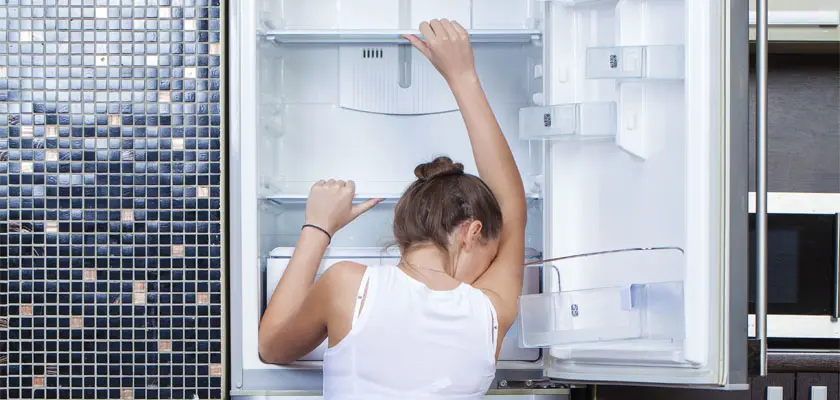
Image Source: www.selecthomewarranty.com
Spotting the Warning Signs Early
Catching fridge issues early can save you trouble. Some signs are easy to see or hear. Others might be less clear at first. Pay attention to how your fridge usually works. This helps you spot when something is wrong.
The Fridge is Too Warm Inside
This is often the clearest sign. You open the door and the air feels warm, not cold. The freezer might also feel soft or start to thaw. This is a major sign of your fridge not cooling enough.
- How to check: Use a thermometer made for appliances. Put it in the main part of the fridge. Wait a few hours. The temperature should be between 35°F and 40°F (1.7°C and 4.4°C). Put one in the freezer too. It should be 0°F (-18°C). If the temperatures are too high, your fridge is having refrigerator temperature issues.
Food Goes Bad Quickly
You just bought groceries. You put them in the fridge. But they spoil in just a few days. This is a big red flag. It means the fridge is not keeping food cold enough.
- What to look for: Milk goes sour before its date. Meat starts to smell bad. Fruits and vegetables get mushy or moldy fast. This suggests serious refrigerator problems. Food spoiling in fridge points back to temperature issues.
There is Water on the Floor
Seeing a puddle under or near your fridge is bad news. Fridge leaking water can damage your floor. It might also mean a part inside the fridge is not working right.
- Where the water comes from: Water can come from the defrost drain line being blocked. It can come from the drain pan being full or cracked. Or it might be from the water line that goes to the ice maker or water dispenser. Finding the source of the leak is key.
Hearing Strange Sounds
Fridges make some noise. A low hum is normal. But loud or unusual sounds are signs of refrigerator problems.
- Kinds of strange fridge noises: You might hear knocking, buzzing, rattling, or loud clicking. These sounds can point to different parts causing trouble. A common source is the fridge compressor problems. The compressor is like the heart of the fridge. If it makes loud noises, it is often a sign of trouble.
The Freezer is Not Freezing Solid
Your freezer should turn water into ice quickly. If ice cream is soft or things in the freezer feel thawed, it is not working right. This is another sign of your fridge not cooling properly.
- Simple test: Put a bottle of water in the freezer. Check it after a few hours. It should be frozen solid. If it is still liquid or slushy, the freezer temperature is too high.
The Back of the Fridge Feels Very Hot
The back of your fridge gets warm as it works. But if it is very hot to the touch, this is not normal. It could mean the compressor or coils are having to work too hard.
- What makes it hot: The coils on the back or bottom of the fridge release heat from inside. If they are very dirty, they cannot release heat well. This makes the fridge work harder and get hotter. It can be a sign of brewing refrigerator problems.
These signs are like warning lights for your fridge. When you see them, it is time to look closer at what is happening.
Common Causes of Fridge Problems
Many things can cause a fridge to stop working right. Some are simple fixes. Others mean a major part is broken. Knowing the common causes helps with refrigerator troubleshooting.
Dirty Coils
The condenser coils release heat. They are often on the back or under the fridge. Dust and dirt collect on them. When coils are dirty, the fridge cannot cool well. It has to work much harder.
- Effect: This makes the fridge not cooling well. It uses more power. It can lead to early failure of parts like the compressor.
- Simple Fix: Clean the coils regularly. Unplug the fridge first. Use a vacuum or brush to remove dust and dirt.
Bad Door Seals
The rubber seal around the fridge door keeps cold air inside. If the seal is cracked or loose, cold air escapes. Warm air gets in.
- Effect: The fridge has to run all the time to try and stay cold. But it never reaches the right temperature. This causes refrigerator temperature issues. Food spoiling in fridge is a likely result.
- Simple Check: Close the door on a piece of paper. Try to pull the paper out. If it slides out easily, the seal is bad in that spot. Check all around the door. You can also look for visible cracks or gaps.
Fan Motor Issues
Fridges have fans. One is often near the freezer evaporator coils (evaporator fan). It blows cold air into the fridge section. Another fan might be near the compressor and condenser coils (condenser fan). It helps cool the coils.
- Evaporator fan problem: If the evaporator fan breaks, cold air does not get to the fridge. The freezer might stay cold, but the fridge section gets warm. This is a classic case of fridge not cooling in one section.
- Condenser fan problem: If the condenser fan breaks, the condenser coils get too hot. This makes the compressor work harder. It can lead to compressor problems or the fridge not cooling at all.
- Sounds: Failing fans often make strange fridge noises, like buzzing or rattling.
Defrost System Problems
Fridges build up frost on the evaporator coils over time. The defrost system melts this frost regularly. This system includes a heater, a thermostat, and a timer or control board.
- Effect: If the defrost system fails, too much frost builds up on the coils. This blocks the airflow. Cold air cannot move through the fridge. The fridge not cooling becomes a big problem. Water from melting frost might also cause fridge leaking water when the drain gets blocked by ice.
- Signs: You might see lots of frost buildup on the back wall of the freezer.
Thermostat or Temperature Sensor Failure
The thermostat or sensors tell the fridge how cold it is inside. They tell the compressor when to turn on or off.
- Effect: If these parts are broken, the fridge might not know it is getting warm. It won’t turn on the cooling system. Or it might think it’s cold enough and turn off too soon. This leads to major refrigerator temperature issues.
- Signs: The fridge temperature is wrong, even when the door seals are good and coils are clean.
Compressor Issues
The compressor pumps the refrigerant gas. This gas is what cools the fridge. The compressor is a key part. If it fails, the fridge cannot cool at all.
- Effect: Complete loss of cooling in both fridge and freezer. This is a sign of serious refrigerator problems. Fridge compressor problems are often expensive to fix.
- Signs: The fridge makes strange fridge noises (loud clicking, humming, or silence). The back of the fridge feels very hot or cold. The fridge simply does not get cold.
Control Board Problems
The control board is like the fridge’s brain. It manages all the parts. It tells the compressor, fans, and defrost system when to run.
- Effect: A bad control board can cause many strange issues. It might make the fridge too cold, too warm, or cause parts to turn on and off randomly. This leads to refrigerator temperature issues and other weird behavior.
- Signs: Lights inside don’t work, ice maker problems, erratic temperatures, parts not turning on.
Understanding these potential causes helps you narrow down the problem when you are doing refrigerator troubleshooting.
Steps for Refrigerator Troubleshooting
Before you call a repair person, you can do some simple checks. These steps can help you find the problem or maybe even fix it yourself. This is part of learning the signs of a failing refrigerator.
Check the Power
Is the fridge plugged in? Is the power cord damaged? Is the outlet working?
- How to check: Plug another small appliance (like a lamp) into the same outlet. If it does not work, the outlet has no power. Check your home’s breaker box to see if a breaker tripped. Reset it if needed.
Look at the Temperature Settings
Someone might have accidentally changed the settings. Make sure the fridge and freezer are set to the right temperatures.
- Recommended settings: Fridge: 35-40°F (1.7-4.4°C). Freezer: 0°F (-18°C).
Check the Door Seals
Inspect the rubber seals around both doors. Look for cracks, tears, or spots that don’t seal tight.
- Test: Use the paper test described earlier. If you find bad spots, clean the seal. If it is still bad, the seal might need replacing.
Clean the Coils
Unplug the fridge. Find the condenser coils. They are usually on the back or under the fridge. Use a vacuum with a brush tool or a special coil brush to clean off dust and pet hair.
- Safety: Always unplug the fridge before cleaning coils.
Make Sure Vents Are Not Blocked
Inside the fridge and freezer, there are vents. These let the cold air move around. Make sure food items are not blocking these vents.
- Why it matters: Blocked vents stop cold air from reaching all parts of the fridge. This causes uneven cooling and refrigerator temperature issues.
Listen for the Compressor and Fans
Plug the fridge back in. Listen carefully. Can you hear the compressor hum? It is usually a low sound from the back or bottom. Can you hear the fans running? The evaporator fan is inside the freezer. The condenser fan is near the compressor.
- What it means: If you hear the compressor but the fridge is not cooling, it might be a sealed system issue (like a refrigerant leak) or a compressor problem that is not making a loud noise yet. If you don’t hear the compressor or fans, power might not be getting to them, or they are broken. Silence can be one of the strange fridge noises that means trouble.
Check the Defrost Drain
If you have fridge leaking water, the defrost drain is a common cause. Find the drain opening inside the freezer (often below the coils on the back wall). See if it is blocked with ice or debris.
- How to clear: You can try pouring warm water into the drain opening (use a turkey baster). Be careful not to spill water elsewhere. If it is a common problem, the drain might need a heater or clearing tube added.
Is There Frost Buildup?
Check the back wall inside the freezer. Is there a lot of thick frost? This points to a problem with the defrost system or the door seal.
- Temporary fix: Unplug the fridge and let it fully defrost for 24-48 hours with the doors open. Clean up the water. This will melt the frost. Plug it back in. If frost builds up quickly again, the defrost system is failing.
These troubleshooting steps cover many common refrigerator problems. If these do not fix the issue, the problem is likely more serious.
Deciphering Strange Fridge Noises
Not all sounds from a fridge mean it is broken. Some are normal. But unusual sounds are definitely signs of a failing refrigerator.
Normal Fridge Sounds
- Low Hum: The compressor running.
- Clicking: The thermostat or control board turning the compressor on or off.
- Gurgling or bubbling: Refrigerant moving through the cooling system.
- Cracking or Popping: The inside walls cooling and contracting.
- Water dripping: During the defrost cycle, water melting and going down the drain.
- Fan noise: The evaporator and condenser fans running.
Sounds That Mean Trouble
- Loud Buzzing or Rattling: Often points to a fan motor hitting something or failing. Could be the evaporator fan in the freezer or the condenser fan by the compressor.
- Loud Clicking from the Back/Bottom: Could be the compressor trying to start but failing. Might be a bad start relay. This is a sign of potential fridge compressor problems.
- Loud Humming that suddenly Stops: The compressor might be overheating or failing.
- Loud Knocking or Banging: This is unusual and could mean a part is loose or broken inside the machinery.
- Continuous, Very Loud Motor Noise: The fridge is running constantly, trying to get cold but failing. This could be low refrigerant, a failing compressor, or a serious defrost system issue leading to blocked airflow.
Listening closely to the strange fridge noises can help you tell a repair person what might be wrong. It helps with refrigerator troubleshooting.
Why Food Spoiling in Fridge Matters
Food safety is the main reason we use a fridge. When your food is spoiling faster than it should, it is more than just wasted money. Eating food that has not been kept at the right temperature can make you sick.
Safe Temperatures
The main fridge section should be below 40°F (4°C). The freezer should be 0°F (-18°C) or colder.
Danger Zone
Bacteria that cause food poisoning grow fastest between 40°F and 140°F (4°C and 60°C). If your fridge is in this range, food becomes unsafe quickly. This is why refrigerator temperature issues are serious.
Signs of Unsafe Food
Even if food looks okay, it might not be safe if the fridge temperature was too high for too long. However, visible signs like mold, strange smells, or slimy textures are clear warnings that food has gone bad due to temperature problems. Food spoiling in fridge is a direct sign your appliance is failing at its main job.
If your fridge has been warm for more than a few hours (like overnight), it is safest to throw out perishable food like meat, dairy, and leftovers. Freezing stops bacteria growth, but does not kill them. So thawed food that sat warm is also risky.
Fridge Leaking Water: Finding the Source
Water leaks from a fridge are common refrigerator problems. They can cause damage if not fixed fast.
Common Places Water Comes From
- Defrost Drain Line: This is the most frequent cause. When the fridge defrosts, water melts from the coils and goes down a drain tube. If this tube or the drain pan is blocked or frozen, water overflows. You might see water inside the fridge, under drawers, or pooling on the floor.
- Water Inlet Valve: If your fridge has an ice maker or water dispenser, it has a valve that connects to your home’s water line. This valve can crack or loosen, causing a leak, usually from the back bottom of the fridge.
- Water Filter: If your fridge has an internal water filter, it can leak if not installed right or if the filter housing is cracked.
- Drain Pan: A pan under the fridge collects water from the defrost drain. If it is cracked or overflowing (because the drain is blocked higher up), water will spill onto the floor.
- Ice Maker: Issues with the ice maker assembly itself can cause leaks inside the freezer or fridge, leading to water problems.
What to Do When You See Water
- Unplug the fridge: This stops the water source if it is related to the ice maker line and prevents electric shock.
- Find the source: Look inside the freezer for ice buildup near the drain. Look behind the fridge for leaks near the water line or inlet valve. Check the drain pan underneath.
- Clean up the water: Dry the floor to prevent damage.
- Clear the blockage (if defrost drain): Use warm water or a pipe cleaner to try and clear the drain tube.
- Check connections (if water line): Make sure the water line connection at the wall and the fridge is tight.
- If you can’t find it or fix it: It’s time to call a repair person. Fridge leaking water often needs a professional fix.
Examining Refrigerator Temperature Issues
Incorrect temperatures are a direct sign your fridge is not doing its job. These refrigerator problems can be caused by many things.
Why Temperature is Wrong
- Bad Seals: Warm air enters the fridge.
- Dirty Coils: Fridge works hard but cannot cool enough.
- Fan Problems: Cold air is not moved around.
- Defrost System Failure: Ice blocks airflow.
- Thermostat/Sensor Issues: Fridge doesn’t know the real temperature.
- Low Refrigerant: The cooling gas is low, so the system cannot remove heat effectively. This requires a professional to fix.
- Compressor Problems: The heart of the cooling system is weak or not running.
Checking Temperatures Accurately
Do not rely on the fridge’s display. Use a separate thermometer. Place it in a glass of water in the center of the fridge and in a container in the freezer. Wait several hours before reading. This gives a true reading of the food temperature.
What to Do About Wrong Temperatures
- First, do the basic troubleshooting steps: Check power, settings, seals, and clean coils.
- Check for blocked vents inside.
- If temperatures are still wrong after these steps, it likely means a part like a fan, sensor, defrost system, or compressor is failing. These are signs of a failing refrigerator that might need professional help.
Fridge Compressor Problems: A Deeper Look
The compressor is a major part of your fridge. It is a sealed unit. It pumps the refrigerant, which is the chemical that makes cooling possible. When the compressor has problems, it is often a serious issue.
How the Compressor Works
The compressor takes the refrigerant gas from the evaporator coils (inside the fridge/freezer) at low pressure. It squeezes it, making it high pressure and hot gas. This hot gas goes to the condenser coils (outside the fridge), where it cools down and turns into a liquid. The liquid then goes back inside to the evaporator coils, where it turns back into a gas, soaking up heat from inside the fridge. This cycle repeats.
Signs of Compressor Failure
- Loud Clicking Noise: Often happens when the compressor tries to start but cannot. This could be a faulty start relay or the compressor itself is bad.
- Loud Humming or Grinding: The motor inside the compressor might be failing.
- Silence: If the fridge should be running (i.e., it’s warm inside, and the thermostat is calling for cooling) but you hear no compressor sound, it is not turning on.
- Fridge Not Cooling at All: If the compressor is not running or not pumping refrigerant, the whole fridge will not get cold.
- Back of the Fridge is Not Warm: The condenser coils should be warm when the compressor runs. If they are not, the compressor might not be working.
Why Compressor Problems Are Serious
Compressor repair is complex. It involves working with the sealed refrigerant system. This needs special tools and knowledge. Replacing a compressor is often very expensive. It can cost close to buying a new fridge, especially for older models. Fridge compressor problems are often key signs of a failing refrigerator where you need to weigh the cost of repair versus buying new.
When to Repair a Fridge
Deciding whether to repair your fridge or buy a new one is a big question. Here are things to think about when signs of a failing refrigerator show up.
Cost of the Repair
Get an estimate from a repair person. Compare this cost to the price of a new fridge like yours.
- Rule of Thumb: If the repair cost is more than half the price of a new, similar fridge, buying new is often the better choice.
Age of the Fridge
How old is your fridge? The average lifespan of a refrigerator is about 10-15 years.
- Consideration: If your fridge is close to or past 10 years old, major repairs might not be worth it. Other parts could fail soon even after fixing one problem.
Type of Problem
Some refrigerator problems are cheap and easy to fix (like a faulty seal or cleaning coils). Others are expensive (like compressor problems, sealed system leaks, or control board failures).
- Cheap fixes: Door seals, cleaning coils, simple thermostat fixes, clearing drains, replacing a start relay.
- Expensive fixes: Compressor, sealed system repair, control board replacement, evaporator or condenser coil replacement.
Energy Efficiency
Older fridges use a lot more electricity than new ones. Energy Star certified models are much more efficient.
- Benefit of new: A new fridge might save you money on your electric bill over time. These savings can help offset the cost of buying a new appliance.
Other Issues
Does the fridge have other annoying problems? Is it scratched? Does it not fit your needs anymore?
- Weigh everything: Sometimes multiple small issues or the desire for new features makes buying new more appealing, even if the current problem is fixable.
Table: Repair vs. Replace
| Factor | Favor Repair | Favor Replace |
|---|---|---|
| Repair Cost | Low cost compared to new | High cost (more than half the price of new) |
| Fridge Age | Less than 8 years old | 10+ years old |
| Type of Problem | Simple fix (seal, cleaning, minor part) | Major part failure (compressor, sealed system) |
| Energy Efficiency | Fridge is already fairly efficient | Old, inefficient model |
| Overall Condition | Good condition, no other issues | Multiple issues, worn appearance |
| Warranty | Repair is covered by warranty | Warranty is expired, repair is not covered |
When you see signs of a failing refrigerator, go through these points. This helps you make the best choice for your situation. Repairing makes sense for newer fridges with simple issues. Replacing is often better for older fridges with major, expensive problems.
Preventing Future Refrigerator Problems
Taking care of your fridge helps it last longer and work better. Simple steps can prevent many common issues.
Regular Cleaning
- Coils: Clean the condenser coils every 6-12 months. This is one of the best ways to prevent fridge not cooling issues and compressor problems.
- Inside: Clean spills quickly. Keep the inside tidy so air can flow.
Check Door Seals
Inspect the door seals regularly. Clean them with mild soap and water. Make sure they are sealing tightly. Replace them if they are damaged. This prevents refrigerator temperature issues and saves energy.
Proper Loading
Do not overpack the fridge or freezer. Allow space for air to move around. Do not block the vents inside.
Set Correct Temperatures
Use a thermometer to check and make sure the fridge and freezer are at safe temperatures. Adjust settings as needed.
Clear the Defrost Drain
If your fridge model has a defrost drain you can access, check it occasionally for clogs, especially if you have had fridge leaking water in the past.
Allow Space Around the Fridge
The fridge needs space for air to circulate around the coils, especially on the back and top. Do not push it too close to the wall. Follow the manufacturer’s instructions for clearance.
By doing these simple maintenance tasks, you can reduce the chances of encountering major refrigerator problems and keep your food safe. Recognizing the early signs of a failing refrigerator and acting fast is key, whether it means cleaning the coils or calling a repair person.
FAQ: Questions About Broken Fridges
h4 Is it normal for my fridge to be loud?
A low hum is normal. Clicking and gurgling are also often normal. Loud buzzing, rattling, or repeated loud clicking are not normal. These strange fridge noises can signal a problem with fans, the compressor, or other parts.
h4 My fridge feels cold, but food is still spoiling. Why?
This could be due to refrigerator temperature issues where the temperature is not quite cold enough to stop bacteria growth, even if it feels cool. Use a thermometer to check the actual temperature. Also, check for blocked vents, bad door seals, or a defrost system problem causing ice buildup that restricts airflow.
h4 What should I do immediately if my fridge stops cooling?
First, check the power. Make sure it is plugged in and the breaker hasn’t tripped. Then, check the temperature settings. After that, minimize opening the door to keep cold air inside. Try simple troubleshooting steps like cleaning coils and checking seals. If it doesn’t start cooling within a few hours, consider transferring food to a cooler with ice or a neighbor’s fridge if possible.
h4 Can a fridge leak water if the ice maker is turned off?
Yes. Fridge leaking water can come from the defrost drain line, which works even if the ice maker is off. It can also come from a cracked drain pan. If the water line itself or the inlet valve for the ice maker is leaking, it will likely still leak even if the ice maker is off, as the line is still connected to your home’s water supply.
h4 How long does a fridge usually last?
Most refrigerators last between 10 and 15 years. With good maintenance, some can last longer. However, after 10 years, the risk of expensive repairs goes up, making signs of a failing refrigerator more likely to mean replacement is a better option.
h4 My fridge light works, but it’s not cooling. Does this mean the compressor is broken?
Not necessarily. The light uses a different, low-voltage circuit. The cooling system (compressor, fans, defrost) is separate. The light working only confirms the fridge is getting some power. If the fridge is not cooling, it could be a compressor problem, a fan issue, a defrost system problem, a control board failure, or low refrigerant.
h4 Is it okay to unplug my fridge for a few hours to see if it resets?
Yes, you can unplug the fridge for 5-10 minutes and then plug it back in. This can sometimes reset the control board and fix minor electronic glitches. However, this won’t fix mechanical problems like a bad compressor or clogged drain. For major ice buildup (defrost problem), you might need to unplug it for 24-48 hours to fully melt the ice.
Knowing the signs of a failing refrigerator helps you deal with refrigerator problems quickly. Whether it is fridge not cooling, fridge leaking water, strange fridge noises, or food spoiling in fridge, paying attention can save you food, money, and hassle. Refrigerator troubleshooting can solve simple issues, but recognizing serious signs like fridge compressor problems or major refrigerator temperature issues tells you when it is time for professional help or a new appliance. When to repair a fridge depends on the age, cost, and type of problem.