
If you see water dripping or pooled at the top of your fridge, don’t panic. This often happens because of condensation in fridge. Warm, moist air gets into the cold space, and the water vapor turns into liquid, especially on cold surfaces like the top inside wall. The main reasons for this are usually a faulty fridge door seal, a blocked fridge drain hole, or an incorrect fridge temperature setting. Fixing this wetness often involves checking and cleaning these areas.
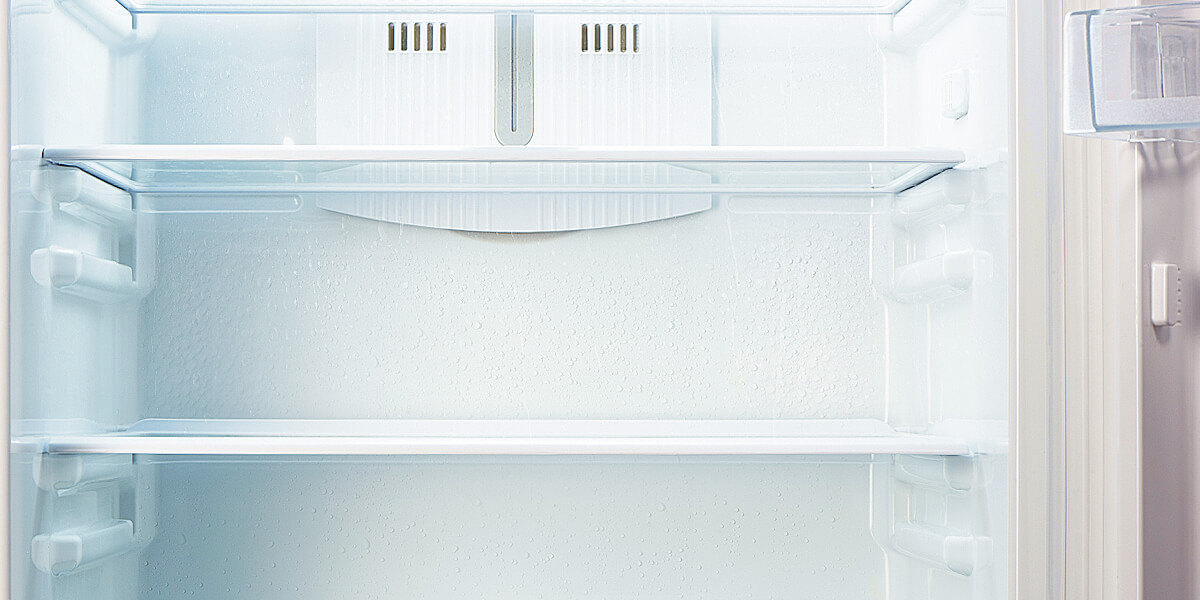
Image Source: www.inductiveintelligence.com
The Puzzle of Interior Fridge Wetness
Finding water inside your refrigerator, especially near the top, is a common problem. It can seem confusing at first. You might worry your fridge is broken. But often, the cause is simple and fixable. This guide will help you figure out why your fridge is wet inside and how to make it dry and safe for food again.
Refrigerators work by keeping the inside air cool and dry. This slow down how quickly food spoils. When this system is not working perfectly, appliance condensation issues can happen. Water starts to appear where it shouldn’t be. The top of the fridge is a frequent spot for this water build-up.
We will look at the most common reasons for this wetness. We will also give you easy steps to check your fridge and fix the problem.
The Core Culprit: Water Changing State
To understand why water is in your fridge, you need to think about how refrigerators work. A fridge cools the air inside. It also tries to remove fridge humidity. When warm, moist air from your kitchen meets the cold air and surfaces inside the fridge, the water vapor in the warm air cools down fast. It turns into liquid water. This is called condensation.
You see condensation on a cold drink can on a hot day. The same thing happens inside your fridge. Normally, the fridge manages this. There’s a system to collect and get rid of this water. But if that system fails or if too much moist air gets in, you see puddles or drops.
The top of the fridge is often very cold. This makes it a prime spot for water to form when warm air enters. This excess moisture in refrigerator can lead to more than just puddles. It can cause smells, mold, and make your fridge work harder than it needs to.
Top Reasons For Fridge Wetness
Let’s break down the most likely causes for water inside your fridge at the top. We will go through each one.
Issue 1: A Leaky Fridge Door Seal
This is one of the biggest reasons for inside fridge wetness. The rubber seal, or gasket, around the door is key. Its job is to create a tight barrier. This barrier keeps the cold air inside and the warm air outside.
Grasping the Seal’s Importance
Imagine the fridge door seal is like the weather stripping around your house doors and windows. If it’s damaged or dirty, it lets air leak in and out. In a fridge, a bad seal lets warm, humid kitchen air sneak inside.
When this warm, moist air hits the cold walls, shelves, and air inside the fridge, condensation in fridge happens. The water vapor turns into liquid drops. These drops often form on the coldest parts first, which can be the back or top inner walls. Then, the water runs down and might collect at the top edges or shelves.
Signs of a Bad Seal
How do you know if your fridge door seal is the problem?
* You might see visible cracks, tears, or gaps in the rubber seal.
* The seal might feel stiff and not soft and flexible anymore.
* It might look loose in some spots, not sticking tight to the fridge body.
* You can do a simple test: Close the fridge door on a piece of paper or a thin dollar bill. If you can pull the paper out easily, the seal is not tight in that spot. Do this test all around the door.
Steps For Fridge Gasket Repair or Cleaning
If you suspect your seal is the cause, here’s what you can do:
-
Clean the Seal: Often, dirt, food crumbs, or sticky spills get on the seal and the surface it touches. This stops it from sealing properly.
- Mix warm water with a little mild soap or baking soda.
- Use a soft cloth to gently clean the entire seal.
- Also, clean the part of the fridge body where the seal presses against it.
- Rinse with a clean, damp cloth.
- Dry everything completely with a soft towel.
- Check if cleaning fixed the problem.
-
Inspect the Seal: Look closely for any damage.
- Check for rips, cracks, or places where the rubber has come away from the door.
- Look for parts that seem squashed flat and no longer puffy.
-
Test the Seal Again: Use the paper test after cleaning. If the paper still pulls out easily in places, the seal is likely bad and needs replacing.
-
Replacing the Seal: If the seal is damaged or simply worn out and stiff, you’ll need a new one.
- Find the model number of your fridge (usually inside the door).
- Order a replacement gasket that matches your fridge model.
- Follow the instructions that come with the new seal. Some seals just push into a groove, while others are held by screws.
- This might feel like a big step, but replacing a door seal is a common fridge gasket repair and much cheaper than buying a new fridge. Many guides and videos online can show you how to do this for your specific fridge model.
A good seal is vital for preventing excess moisture in refrigerator caused by air leaks.
Issue 2: A Clogged Fridge Drain Hole
Most modern fridges have a drain system. Its job is to collect the water from defrosting cycles and condensation and guide it out of the fridge. This water goes down a small hole, usually at the back inside the fridge section, often near the bottom wall. From there, it travels through a tube to a drip pan near the compressor (the warm motor part) under or behind the fridge. The heat from the compressor makes the water in the pan dry up.
Deciphering the Drainage System
Think of the drain hole as a bathtub drain for your fridge. Condensation in fridge forms, especially on the cold back wall during the auto-defrost cycle. This water melts and is supposed to flow down the back wall. There’s often a channel or groove at the bottom of the back wall leading to the drain hole.
If this fridge drain hole gets blocked, the water has nowhere to go. It backs up. Since the drain hole is usually low down, the water level rises. If enough water builds up, it can overflow the channel and pool on the bottom shelf. In some fridge designs, this water can track up the back wall and collect on higher shelves or even at the top if the blockage is severe and water accumulates significantly.
Why Drain Holes Get Blocked
The most common culprits for a blocked drain hole are food particles or ice.
* Small bits of food packaging.
* Food crumbs.
* Ice crystals from the defrost cycle that didn’t fully melt or drain.
* Slime or mold that grows in the moist drain tube over time.
Steps For Addressing a Refrigerator Drainage Problem
If you see water pooling on the bottom shelf or backing up near the back wall drain hole, this is likely the issue. Here’s how to fix a refrigerator drainage problem:
-
Locate the Drain Hole: It’s typically a small hole (maybe half an inch wide) centered near the bottom of the back inner wall of the fridge section. It might be above the crisper drawers.
-
Clear Visible Obstructions: Look into the hole. Use a flashlight if needed. If you see food bits or ice right at the opening, try to gently pull them out with tweezers or a small hook tool.
-
Flush the Drain Tube: This is often needed to clear blockages further down the tube.
- Turn off or unplug your fridge for safety.
- Get a small amount of warm water. You can use a turkey baster, a syringe (without a needle!), or a small funnel.
- Slowly pour or squirt the warm water into the drain hole. Listen. You should hear it gurgling or running down.
- If the water backs up immediately, the blockage is still there.
- Warning: Do NOT use excessive force or tools that could puncture the drain tube.
-
Use a Drain Cleaning Tool (Carefully): Some blockages need a little nudge.
- Many fridges come with a special small plastic tool for cleaning the drain hole (check your manual or under the fridge). It looks like a stiff plastic probe.
- If you don’t have one, you can use a thin, flexible wire (like garden wire or piece of coat hanger straightened out). Put a tiny loop or blunt end on the wire so it doesn’t scratch or poke the tube.
- Gently push the wire or tool into the drain hole. Move it back and forth softly to break up the blockage.
- Do NOT force it. Go in only as far as it feels easy. The tube might bend.
-
Flush Again: After using the tool, try flushing with warm water again. It should now flow freely. You might need to repeat this a few times.
-
Clean the Drip Pan (Optional but Recommended): If the drain tube was very blocked, the drip pan under the fridge might be overflowing or very dirty.
- Locate the drip pan (check your fridge manual for its exact spot – usually near the bottom back).
- You might need to remove a kick panel or pull the fridge out to access it.
- Slide the pan out carefully (it might have water in it).
- Empty and clean the pan with soap and water.
- Put the pan back in its correct spot.
Fixing a blocked fridge drain hole stops water from backing up and potentially reaching the top areas. This is a key step in fridge troubleshooting wetness.
Issue 3: Wrong Fridge Temperature Setting
Your fridge needs to be cold enough to keep food safe, but not so cold that things freeze in the fridge section. The ideal fridge temperature setting is between 35°F (1.7°C) and 38°F (3.3°C). The freezer should be 0°F (-18°C).
Interpreting Temperature Effects
If the fridge is set too cold, below freezing for the fridge section, ice can form on the back wall. This is not frost from humidity; it’s ice from being too cold. During the defrost cycle (when the fridge briefly warms up to melt frost), this excess ice melts. It creates a lot more water than usual for the drain system to handle.
If the drain system is also a bit slow or partially blocked, this large amount of melted water can back up and cause flooding inside the fridge, including higher up.
On the other hand, if the fridge isn’t cold enough (above 40°F/4°C), food isn’t safe. But this is less likely to cause water at the top from condensation unless combined with other issues like a bad seal. The main problem with a temperature set too high is food spoiling, not usually water inside.
Steps For Adjusting Fridge Temperature
- Check Your Setting: Find your fridge’s temperature control. It might be a dial inside the fridge or an electronic display on the door.
- Verify the Temperature: Don’t just trust the setting. Use a fridge thermometer placed on a middle shelf for a few hours to check the actual temperature.
- Adjust if Needed: If the fridge is colder than 35°F (1.7°C), turn the setting up slightly. Wait 24 hours for the temperature to stabilize and check again.
- Monitor: Keep an eye on the temperature and for any new ice build-up on the back wall.
Making sure your fridge temperature setting is correct helps manage the amount of melting ice during defrost cycles, reducing the chance of excess moisture in refrigerator from this source.
Issue 4: High Fridge Humidity
Sometimes the problem isn’t just air getting in, but what you put in the fridge. Certain actions can increase the fridge humidity levels inside significantly.
Fathoming Humidity Sources
Every time you open the fridge door, warm, humid kitchen air enters. The longer the door is open, the more humid air gets in.
Also, some foods release moisture as they cool or sit in the fridge.
* Putting hot food directly into the fridge. The steam from the hot food turns into water vapor, which condenses everywhere.
* Storing food uncovered. Fruits, vegetables, and leftovers release moisture. If they aren’t in containers or wrapped, this moisture goes into the fridge air.
* A lot of fresh produce, especially leafy greens, naturally releases water.
High fridge humidity means there’s more water vapor in the air inside. This extra vapor is available to condense on cold surfaces, leading to more condensation in fridge. This can be too much for the normal drain system to handle, especially if combined with other minor issues.
Steps For Reducing Internal Humidity
You can control internal fridge humidity with a few simple habits:
-
Limit Door Opening: Try to open the fridge door only when needed and close it quickly. Don’t stand with the door open while you decide what you want.
-
Cool Food First: Let hot leftovers cool down mostly on the counter before putting them in the fridge. This prevents large amounts of steam from entering the cold space. Make sure food is still put away within two hours to be safe.
-
Cover Your Food: Always store leftovers, cut fruits/vegetables, and other moisture-releasing foods in airtight containers or wrapped tightly. This keeps the moisture inside the food/container, not in the fridge air.
-
Use Crisper Drawers Properly: Crisper drawers are designed to manage humidity for produce. Keep the humidity controls (if your drawers have them) set appropriately for the items inside (usually higher humidity for vegetables, lower for fruits).
Reducing excess moisture in refrigerator from these sources helps the fridge’s system keep the air drier and reduces the burden on the drain. This is part of good fridge troubleshooting wetness practice.
Other Less Common Reasons
While door seals, drain holes, and temperature/humidity are the most common causes of water at the top of the fridge, a few other things can contribute:
- Overpacking: If your fridge is stuffed too full, air can’t circulate properly. This can create cold spots where moisture condenses more heavily, and can also block the air vents or even the drain opening.
- Ice Maker/Water Dispenser Issues: If your fridge has an ice maker or water dispenser, a leak in the water line or the mechanism inside the freezer (if it’s a freezer-on-top model) could potentially cause water to travel or drip into the fridge section. This is less likely to show up only at the very top of the fridge section unless there’s a specific internal path for water.
- Defrost Heater Problem: In frost-free fridges, a heater melts frost off the freezer coils. If this heater fails, frost builds up too much. When it finally does melt (perhaps during a manual defrost or if the heater briefly works), there’s a lot of water. However, this usually causes ice in the freezer or water on the freezer floor, potentially leaking into the fridge section if it’s a top-freezer model, but less commonly pooling at the top of the fridge section itself unless the connecting duct is involved.
- Leveling Issues: If the fridge isn’t level, the water from condensation or defrost might not flow correctly towards the drain hole. It could pool in other spots.
Steps For Checking Other Causes
- Check Fridge Contents: Is your fridge overly full? Can you rearrange items to allow air flow? Make sure nothing is pushed against the back wall, especially near the drain hole or air vents.
- Inspect Ice Maker/Water Dispenser: If you have one, look for any signs of leaks inside the freezer compartment or around the water line connection at the back of the fridge.
- Verify Leveling: Use a small level to see if your fridge is standing straight. Adjust the leveling feet at the bottom if needed. Most fridges should tilt back slightly so the door closes by itself. This also helps with drainage.
Addressing these points can further help in fridge troubleshooting wetness issues.
Putting It All Together: Your Troubleshooting Plan
When you see water at the top of your fridge, tackle the most common things first. Here is a plan for fridge troubleshooting wetness:
- Check and Clean the Door Seal: This is easy and often fixes the problem. A bad seal lets in the warm air that causes condensation in fridge.
- Check and Clear the Drain Hole: A blocked fridge drain hole is another very common cause. Cleaning it out allows condensation water to leave the fridge. Fixing this deals with a major refrigerator drainage problem.
- Verify Fridge Temperature: Make sure your fridge temperature setting is in the safe and correct range (35-38°F).
- Manage Humidity: Reduce fridge humidity by closing the door fast, cooling hot food, and covering leftovers. This minimizes excess moisture in refrigerator.
Do these steps in order. After each step, wait 24 hours to see if the wetness stops. If not, move to the next step.
If you’ve done all these checks and fixes – cleaned the seal, cleared the drain, set the temp right, managed humidity, and checked for other issues – and you still have water, the problem might be more serious. It could involve a failing defrost system part (like the heater or thermostat), a crack in the fridge lining, or a significant airflow issue that requires a technician.
When To Call For Appliance Condensation Issues
Sometimes, you need help from a professional. Consider calling for appliance condensation issues if:
- You’ve tried all the troubleshooting steps listed here, and the water problem continues.
- You see ice building up heavily on the back wall of the fridge section that doesn’t go away. This could point to a defrost system failure.
- You hear strange noises from the fridge.
- You notice other problems, like the fridge not cooling properly.
- You find the problem is something you are not comfortable fixing yourself, like replacing a part or dealing with refrigerant (though condensation issues rarely involve refrigerant).
Explain clearly to the technician what you’ve observed and what steps you’ve already taken (checking seal, cleaning drain, etc.). This will help them find the issue faster.
Preventative Measures: Keeping Your Fridge Dry Inside
Once you’ve solved the wetness problem, take steps to prevent it from happening again.
- Regularly Inspect the Door Seal: Wipe it down during cleaning. Check for tears or stiffness every few months. A little petroleum jelly can help keep rubber seals flexible.
- Periodically Clean the Drain Hole: Make it a habit to flush the drain hole with a little warm water every few months, especially if you store a lot of fresh produce or notice any slow drainage signs.
- Check Temperature Settings: Confirm your fridge temperature setting periodically, especially after power outages or if someone else might have adjusted it.
- Practice Good Food Storage: Always cover food. Let hot food cool before storing. This keeps fridge humidity lower.
- Avoid Overpacking: Ensure air can circulate freely inside the fridge.
By doing these simple things, you reduce the chances of condensation in fridge causing problems and avoid excess moisture in refrigerator. Regular maintenance, like cleaning the drain hole and checking the seal, is key to preventing refrigerator drainage problems before they start. Good habits in how you use and pack your fridge also play a big role in avoiding appliance condensation issues.
Table: Common Causes and Solutions for Fridge Wetness
| Cause | Why It Causes Wetness | Signs | How to Fix | LSI Keywords Covered |
|---|---|---|---|---|
| Fridge Door Seal (Gasket) | Warm air enters, causing condensation in fridge. | Seal is ripped, cracked, stiff, or fails the paper test. | Clean the seal; replace if damaged (fridge gasket repair). | fridge door seal, condensation in fridge, appliance condensation issues, fridge gasket repair |
| Fridge Drain Hole Blocked | Water from defrost/condensation backs up. | Water pools at the bottom rear; ice builds near hole. | Clear hole with warm water flush or gentle tool (refrigerator drainage problem). | fridge drain hole, refrigerator drainage problem, fridge troubleshooting wetness |
| Fridge Temperature Setting | Set too cold, causes excessive ice build-up on rear wall. | Ice forms heavily on back wall of fridge section. | Adjust temperature setting to 35-38°F (1.7-3.3°C). | fridge temperature setting, appliance condensation issues, condensation in fridge |
| High Fridge Humidity | Too much moisture in the air from food/opening door. | Lots of visible water drops/film on inner surfaces. | Cover food; cool hot food; open door less; don’t overpack. | fridge humidity, excess moisture in refrigerator, condensation in fridge |
| Other Issues | Overpacking, leveling, internal leaks. | Varied (poor airflow, unit not level, specific leak signs). | Rearrange contents; level fridge; inspect internal parts (may need tech). | fridge troubleshooting wetness |
This table gives a quick summary to help you identify the most likely cause of excess moisture in refrigerator and find the right fix.
Comprehending Long-Term Effects of Internal Wetness
Ignoring water inside your fridge can lead to more serious issues over time.
- Mold and Mildew Growth: Water creates a perfect environment for mold and mildew. These can cause bad smells and be unhealthy.
- Damage to Fridge Components: Constant moisture can damage the plastic lining, insulation, or electrical parts over time.
- Reduced Cooling Efficiency: The fridge has to work harder to cool moist air. This uses more electricity and can shorten the appliance’s life.
- Food Spoilage: While water itself doesn’t spoil food, the conditions causing it (like temperature problems or poor air circulation) can lead to food spoiling faster.
- Structural Damage: In severe cases, water can seep into insulation or even leak onto your floor, potentially damaging flooring.
Regularly checking for and fixing appliance condensation issues quickly is important for the health of your fridge and your food. Fridge troubleshooting wetness early saves money and hassle later.
Final Thoughts: Taking Action Against Fridge Wetness
Seeing water inside your fridge at the top is a sign that something is not working as it should. Most often, it relates to simple issues like a dirty or damaged fridge door seal, a blocked fridge drain hole, or how you are using the fridge (affecting fridge humidity and fridge temperature setting).
The good news is that these problems are usually easy and inexpensive to fix yourself. By following the steps for checking your seal, clearing the drain, and managing internal moisture, you can likely solve the issue of excess moisture in refrigerator.
Don’t let the water sit there. Address it promptly. By tackling appliance condensation issues head-on, you keep your fridge running well, your food safe, and avoid bigger repair bills down the road. Taking a few minutes for some basic fridge troubleshooting wetness and maintenance goes a long way.
Frequently Asked Questions (FAQ)
Q1: Is it safe to use my fridge if it’s wet inside?
A1: A little condensation happens normally. But if there’s standing water or constant wetness, it’s not ideal. It can lead to mold growth and might mean the fridge isn’t cooling correctly, which affects food safety. You should figure out why it’s wet and fix it quickly.
Q2: How often should I clean my fridge’s drain hole?
A2: There’s no strict rule. It’s a good idea to check it every few months, especially if you notice slower drainage or have had blockages before. Cleaning it is simple maintenance that helps prevent refrigerator drainage problems.
Q3: Can warm food really cause that much condensation?
A3: Yes. Hot food releases a lot of steam. When this steam hits the cold air and surfaces in the fridge, it instantly turns into water droplets (condensation in fridge). Doing this often or with large amounts of hot food adds significant excess moisture in refrigerator. Always let food cool down before putting it away.
Q4: My fridge door seal looks fine, but I still have water. What else could it be?
A4: If the fridge door seal is good, check the fridge drain hole for blockages. This is the next most likely cause of pooling water. Also, check your fridge temperature setting and how much moisture you might be adding to the fridge (like uncovered food). These are common appliance condensation issues.
Q5: How can I test my fridge door seal?
A5: The easiest way is the paper test. Close the fridge door on a dollar bill or a piece of paper. Try to pull it out. If it slides out easily, the seal isn’t making a tight fit in that spot. Go all around the door checking in several places.
Q6: Where is the drip pan located?
A6: The drip pan is usually near the compressor, which is the warm motor part of the fridge. It’s typically located at the bottom of the fridge, either behind a kick panel at the front or accessible by pulling the fridge away from the wall and looking underneath or at the back. Check your fridge manual for the exact location for your model.
Q7: Will wiping up the water fix the problem?
A7: Wiping up the water removes the mess and prevents mold right now, but it doesn’t fix why the water is there. The wetness will come back until you fix the root cause, like a bad seal, blocked drain hole, or wrong temperature. Use the fridge troubleshooting wetness steps to find the real issue.