
When you want cool air, you turn on your AC. It starts up, blows cool air, and then turns off. This is called a cycle. The air conditioner turning on and off frequently is a sign that something might be wrong. We need to know how often should AC turn on. This helps us know if the system is working well. A normal air conditioner run time feels steady, not stop-and-go.
What is AC Short Cycling?
What is AC short cycling? It is when your air conditioner turns on for only a short time and then turns off too quickly. It does not run for a long time before stopping. The AC cycle frequency is too high. This can happen many times in an hour. Instead of cooling your home slowly and steadily, the AC runs for a few minutes, stops, and then starts again soon after. This is not the ideal AC cycle duration.
Image Source: wg.scene7.com
Grasping Normal AC Operation
A healthy air conditioner works like a slow and steady runner. It turns on, runs for a while, and cools your home down to the temperature you set. Then it turns off. It stays off until the house gets warm again. This is a normal AC cycle.
How long should AC unit run? This changes based on many things. On a very hot day, your AC will run for a longer time. It might run for 15 to 20 minutes, maybe even longer, to cool the house down. On a cooler day, it might run for only 10 to 15 minutes.
The time between cycles also changes. On a hot day, the AC might turn on again after 20 to 30 minutes. On a cooler day, it might stay off for an hour or more. The AC cycle frequency is low on cooler days and higher on hot days, but the run time should still be long enough to cool the air well.
Think of it like filling a bucket with water. A normal AC cycle is like turning on the tap and letting water run until the bucket is full. Short cycling is like turning the tap on, letting just a little water run, turning it off, and doing this many times. You don’t fill the bucket efficiently, and it uses more energy to keep stopping and starting.
Typical Run Time and Idle Time
A normal air conditioner run time should be long enough to do its job. This usually means at least 10 to 15 minutes. On hot days, it can be 20 minutes or more.
The time the AC stays off (idle time) depends on how well your home keeps cool air inside. If your home is well insulated, it will stay cool for longer. The AC will stay off for a longer time. If your home loses cool air quickly, the AC will turn on again sooner.
So, how often should AC turn on? There is no single answer in minutes. It depends on the weather and your home. But the key is that when it does turn on, it should run for a good amount of time before stopping. This shows it is working well and cooling your home fully in each cycle.
Deciphering Short Cycling Issues
When your AC turns on and off many times quickly, it is short cycling. This is not normal air conditioner run time. The AC cycle frequency is too high. The unit might run for only 5 to 10 minutes, or even less. Then it stops, and starts again a short time later. This is one of the main short cycling AC symptoms.
Why is my AC short cycling? There can be many reasons. Some are simple fixes, and some are bigger problems. Ignoring short cycling is not good. It can hurt your AC unit and cost you more money.
Recognizing Short Cycling AC Symptoms
How do you know if your AC is short cycling? Look for these signs:
- AC turns on and off frequently: This is the most clear sign. You hear the unit start outside, run for a short time, and then stop. This happens over and over.
- Home is not cooling well: Even though the AC is turning on often, your house does not get cool enough, or it feels humid. The AC is not running long enough to remove heat and moisture from the air properly.
- Higher energy bills: Short cycling uses more energy. Starting the AC unit takes more power than letting it run smoothly. Many starts mean more power used.
- Unusual noises: Sometimes, a problem causing short cycling might also cause strange sounds from the unit.
- Ice on the AC unit: In some cases, a problem leading to short cycling can cause ice to form on the outdoor unit or the copper lines.
If you see these short cycling AC symptoms, your AC might have a problem. You should check it out or have someone look at it.
Causes of AC Short Cycling
There are several causes of AC short cycling. They can be small things or big problems. It’s important to find the right cause to fix the issue.
Airflow Problems
One common reason for short cycling is poor airflow. Your AC needs to pull air in, cool it, and push it out. If the air cannot move well, the unit can get too cold inside (freeze up) or get too hot (overheat). The system might have a safety control that turns it off to prevent damage.
- Dirty Air Filter: This is a very common cause. The air filter stops dust and dirt. If it’s full of dirt, air cannot pass through easily. This limits airflow.
- Simple Fix: Check your air filter. If it looks dirty, replace it with a clean one. This is an easy thing to do yourself.
- Blocked Vents: The vents where air blows into your rooms (supply vents) or where air is pulled back into the AC (return vents) can be blocked. Furniture, curtains, or even toys can stop airflow.
- Simple Fix: Walk around your house. Make sure all vents are open and nothing is blocking them.
- Blocked Ducts: The air travels through ducts inside your walls or ceiling. These ducts can get dirty or blocked by debris. Sometimes, ducts can be damaged or have leaks. This stops air from reaching the AC properly or spreading cool air.
- Fix: Cleaning ducts is harder. You might need a professional service to clean your ductwork. Fixing damaged ducts also needs a pro.
- Issues with the Blower Fan: The blower fan is inside your indoor unit. It pushes the cool air through the ducts. If this fan is not working right, it can’t move enough air.
- Fix: Problems with the blower fan often need an HVAC technician to look at it.
Refrigerant Problems
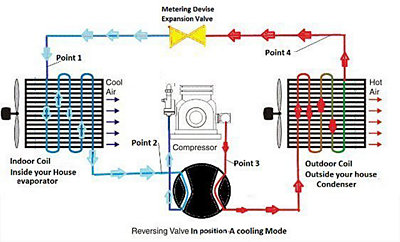
Refrigerant is the special liquid or gas that makes the air cool. It flows through your AC system, picking up heat from inside and releasing it outside.
- Low Refrigerant: If your system does not have enough refrigerant, it cannot cool the air well. This can happen if there is a leak. When refrigerant is low, the system works harder but cannot cool properly. It might even freeze up the coil inside. A safety sensor might turn the unit off quickly.
- Fix: Adding refrigerant is not a simple task. It needs a professional. They must find and fix any leaks before adding more refrigerant. Just adding refrigerant without fixing a leak won’t solve the problem.
- Too Much Refrigerant: Yes, having too much refrigerant can also cause issues. This makes pressure build up in the system. Safety controls can turn the unit off to prevent damage.
- Fix: Again, this needs a professional to remove the extra refrigerant and check the system pressures.
Electrical Problems
The AC system has many electrical parts, wires, and sensors. Problems with these can cause short cycling.
- Faulty Capacitor: Capacitors help the motors in your AC (like the compressor and fan motors) start and run. If a capacitor is weak or bad, the motor might struggle to start or run correctly, causing the unit to shut off.
- Fix: Replacing a capacitor requires working with electricity and is best done by a qualified technician.
- Problems with Sensors (Thermostat or Unit Sensors): The thermostat tells the AC when to turn on and off. If the thermostat is broken or not sensing the temperature right, it can tell the AC to stop too soon. Sensors inside the AC unit also monitor things like temperature and pressure. If they are bad, they can trigger the unit to shut down.
- Fix: Check your thermostat batteries. If that doesn’t help, testing and replacing sensors usually needs a professional.
- Wiring Issues: Loose or damaged wires can stop parts of the AC from working or send wrong signals, leading to short cycling.
- Fix: Electrical work on an AC system is dangerous and should only be done by a professional.
Unit Size Problems
Sometimes, the AC unit itself is the problem.
- Oversized AC Unit: An air conditioner that is too big for your home is a common cause of short cycling. A large unit cools the house down too fast. It reaches the thermostat’s set temperature quickly, turns off, and then the house warms up just enough to turn it back on a short time later. The ideal AC cycle duration for an oversized unit is naturally very short. It never runs long enough to properly remove humidity from the air, which also makes your home feel less comfortable.
- Fix: This is a major problem. The only real fix is replacing the unit with one that is the right size for your home. This is a costly fix but important for comfort and efficiency.
- Undersized AC Unit: While less likely to cause classic short cycling, a unit that is too small will run almost constantly on hot days and might struggle to cool the house at all. If it does short cycle, it’s usually due to another problem combined with the unit working too hard.
- Fix: Replace with a correctly sized unit.
Drain Line Problems
Your AC unit removes moisture from the air as it cools. This water goes into a drain pan and flows out through a drain line.
- Clogged Drain Line: If the drain line gets blocked by algae or debris, water backs up into the drain pan. Many systems have a safety switch that turns off the AC when the pan gets too full to prevent water damage. This safety switch can cause the unit to short cycle or stop completely.
- Fix: You can try to clear a clogged drain line yourself using a wet/dry vacuum or vinegar. If it keeps clogging, or you’re not comfortable, call a technician.
Compressor Problems
The compressor is the main part that makes the refrigerant flow and get cold. It’s like the heart of the AC system.
- Failing Compressor: If the compressor is starting to fail, it might try to start but quickly stop. This is a serious problem.
- Fix: Compressor failure usually means replacing the compressor or the entire outdoor unit. This is an expensive repair.
Consequences of Short Cycling
Ignoring short cycling is not a good idea. It can lead to bigger problems and cost you more in the long run.
- Increased Wear and Tear: Every time your AC unit starts up, it puts stress on the parts, especially the compressor. Short cycling means many starts in a short time. This wears down parts much faster than running for longer, normal cycles. It’s like starting and stopping your car engine every few minutes instead of driving smoothly.
- Higher Energy Bills: As mentioned before, starting the AC unit uses a surge of power. Short cycling uses many starts, which means more power consumption overall compared to fewer, longer runs.
- Reduced Cooling and Comfort: Short cycles do not run long enough to properly cool the air or, importantly, remove humidity. Your home might feel sticky and not as cool as it should, even though the AC is turning on often.
- Risk of System Failure: The extra stress from short cycling can cause expensive parts, like the compressor, to fail sooner than they should.
- Potential Damage: Some causes of short cycling, like freezing up or electrical issues, can lead to other parts getting damaged if not fixed.
In short, short cycling is a warning sign. It tells you something is wrong. Fixing it early can save you money and keep your AC running longer.
Troubleshooting AC Short Cycling
If you notice your air conditioner turning on and off frequently, there are a few things you can check yourself before calling a professional.
Simple Checks You Can Do
These are easy steps that might fix common causes of short cycling.
- Check the Air Filter: This is the first thing to check. Go to your indoor unit (usually in a closet, attic, or basement). Find the air filter slot. Pull out the filter. Hold it up to the light. Can you see light through it? If not, it’s dirty. Replace it with a clean filter of the right size.
- Check Vents and Returns: Walk through your house. Make sure all your supply vents (where cool air comes out) are open and not blocked by furniture, rugs, or curtains. Also, find your return vents (where the AC pulls air in – they are usually larger). Make sure they are not blocked.
- Check the Thermostat:
- Make sure it is set to “Cool” and the fan is set to “Auto” (not “On”). Setting the fan to “On” makes the fan run all the time, even when the AC is off. This can sometimes confuse things or make you think it’s short cycling when it’s just the fan running.
- Check the batteries in your thermostat. Low batteries can cause it to work wrong.
- Make sure the temperature setting is correct. Is it set very low? If it’s set much lower than the current temperature, the AC should run for a long time, not short cycle.
- Check the Outdoor Unit:
- Look at the area around the unit. Is it clean? Remove any grass, weeds, leaves, or debris that are close to it. The unit needs airflow around it to release heat. There should be at least two feet of clear space around it.
- Look at the metal fins on the sides of the outdoor unit. Are they clean? If they are covered in dirt or dust, it stops the unit from releasing heat well. This can cause it to overheat and shut off. You can gently spray the fins with a garden hose to clean them (make sure the power to the unit is turned off first!).
- Check the Indoor Unit (for Drain Line): Find the indoor unit. Look for the drain pan and the drain line (often a PVC pipe). Is there water sitting in the pan? Is the pipe blocked or overflowing? If so, the safety switch might be turning the unit off.
When Simple Checks Don’t Work
If you check these things and your AC is still short cycling, the problem is likely more serious. It could be related to refrigerant, electrical parts, or a deeper mechanical issue. At this point, it’s best to call a professional HVAC technician.
When to Call a Professional
Do not try to fix complex AC problems yourself. Working with refrigerant or electrical parts can be dangerous and can cause more damage to your system.
Call a professional HVAC technician if:
- You checked the air filter, vents, and thermostat, and the AC is still short cycling.
- You see ice on your AC unit or the copper lines. This is a sign of low refrigerant or poor airflow causing freeze-up.
- You hear strange noises from the unit.
- You suspect an electrical problem or a failing part like the compressor or a capacitor.
- You think your unit might be the wrong size for your home.
- You have a clogged drain line you cannot clear.
A professional technician can properly check refrigerant levels, test electrical parts, inspect the compressor, and find the exact cause of the short cycling. They have the right tools and knowledge to fix the problem safely and correctly.
Maintenance to Help Prevent Short Cycling
Regular maintenance helps keep your AC running well and can prevent problems like short cycling.
- Regular Filter Changes: This is the easiest and most important maintenance task you can do. Check your filter every month, especially during cooling season. Change it when it looks dirty. A clean filter ensures good airflow.
- Keep Outdoor Unit Clean: Keep the area around your outdoor unit clear of plants and debris. Gently clean the outside fins once or twice a year.
- Clean Indoor Unit and Coils: Over time, the indoor coil (called the evaporator coil) can get dirty. This affects its ability to cool and can restrict airflow. Cleaning this coil is often part of a professional tune-up.
- Check the Drain Line: Pour a little vinegar down the drain line once or twice a year. This helps prevent algae from growing and causing clogs.
- Schedule Professional Tune-Ups: The best way to keep your AC healthy is to have a professional check it every spring before you start using it heavily. They will clean parts, check refrigerant levels, test electrical parts, and look for any potential issues before they cause major problems like short cycling.
A well-maintained AC is less likely to short cycle and will run more efficiently, keeping you comfortable and saving you money on energy bills and repairs.
Fathoming the Ideal Cycle Duration
There isn’t one perfect number for how long an AC cycle should last. The ideal AC cycle duration is long enough to remove heat and humidity from the air to reach the set temperature, and then stay off for a reasonable amount of time.
- Longer cycles (15-20+ minutes running): These are good. They show the AC is working steadily to cool the home. They also allow the system to run long enough to dehumidify the air, which makes your home feel cooler and more comfortable even at a higher temperature setting.
- Shorter cycles (less than 10 minutes running, happening often): These are usually a sign of short cycling. The unit turns on and off frequently. This is inefficient and points to a problem.
- Very long run times (running almost constantly): On extremely hot days, your AC might run for very long periods or almost non-stop. If it is still cooling your home to the set temperature and keeping you comfortable, this might be normal for peak heat. However, if it runs constantly and cannot reach the set temperature, the unit might be too small, low on refrigerant, or have another issue preventing it from cooling effectively.
The key is balance. An AC should run long enough to cool and dehumidify, then rest until needed again. If the air conditioner turning on and off frequently is your main experience, it’s time to investigate. Knowing the normal air conditioner run time for your system in different weather helps you spot problems early. The AC cycle frequency should match the cooling needed, but each cycle should be effective.
Summary: Keep an Eye on Your Cycles
Your air conditioner cycling behavior tells a story about its health. A system that runs for a good amount of time, cools your home well, and then rests for a while is likely working as it should. This is the normal air conditioner run time and AC cycle frequency you want to see.
If you notice your air conditioner turning on and off frequently, or you see other short cycling AC symptoms, don’t ignore it. This what is AC short cycling behavior wastes energy, puts stress on the unit, and hurts your comfort.
Many causes of AC short cycling are fixable, from a simple dirty air filter to more complex issues like low refrigerant or electrical problems. By knowing why is my AC short cycling, you can take the right steps. Start with simple checks yourself. If those don’t fix it, call a professional HVAC technician.
Regular maintenance is your best tool to prevent short cycling and keep your AC running smoothly for years. Pay attention to how often should AC turn on and how long it runs each time. It’s a simple way to check if your cool, comfortable home is thanks to a healthy AC system.
Frequently Asked Questions (FAQ)
H5: How long should my AC run before shutting off?
It should run long enough to cool your home to the temperature you set. This usually means at least 10-15 minutes on a mild day and potentially 20 minutes or more on a hot day. The key is that it completes a full cooling cycle and makes your home comfortable.
H5: Is it bad if my AC turns on and off a lot?
Yes, if it turns on and off quickly and frequently, it’s called short cycling, and it’s bad. It wastes energy, puts strain on the unit, and doesn’t cool or dehumidify your home properly.
H5: What is a normal AC cycle frequency?
There is no exact number of times per hour. It depends on the weather and your home’s insulation. On a hot day, it might cycle more often than on a mild day. But when it does cycle, it should run for a good length of time (10-20+ minutes) before turning off.
H5: Can a dirty filter cause short cycling?
Yes, absolutely. A dirty air filter blocks airflow, which can cause the indoor coil to freeze or the unit to overheat, leading to short cycling as a safety measure. Changing your filter regularly is an easy way to prevent this.
H5: My AC unit is brand new and it’s short cycling. Why?
A new unit that short cycles might be oversized for your home. An oversized unit cools the space too quickly, turns off, and then turns back on soon after. This prevents it from running long enough to dehumidify properly. It could also have installation issues or factory defects.
H5: How can I check if my AC has low refrigerant?
You cannot easily check refrigerant levels yourself. This requires special tools and knowledge. If you suspect low refrigerant (e.g., ice on the unit, poor cooling), call a professional technician.
H5: Can a bad thermostat cause short cycling?
Yes, a faulty thermostat or dead batteries in a digital thermostat can send wrong signals to the AC, causing it to turn off too soon.
H5: Will fixing short cycling lower my energy bill?
Often, yes. Short cycling is inefficient because starting the unit uses more power than running it. Fixing the cause of short cycling usually helps the AC run more smoothly and efficiently, which can lower energy costs.
H5: How do I know if my AC unit is the right size?
Determining the correct size for an AC unit requires a calculation based on the size of your home, insulation levels, windows, climate, and other factors. This is best done by a qualified HVAC professional using a method called a “Manual J” calculation.
H5: Is it okay if my AC runs for a very long time without turning off?
On very hot days, it’s normal for an AC to run for extended periods or almost continuously to keep up with the heat. If it is maintaining the set temperature and your home is comfortable, it might be working fine. However, if it runs constantly and cannot reach the set temperature, it might be too small, low on refrigerant, or have another problem reducing its cooling capacity.