
How long should an air conditioner run? There is no single perfect answer to this question, as the optimal AC runtime per day depends on many things. A healthy air conditioner typically cycles on and off throughout the day to keep your home cool. The exact amount of time it runs varies based on the weather, your home’s setup, and how well your system works. We will look into the different things that change how long your AC runs. This will help you know if your system is working right or if it might need a check.
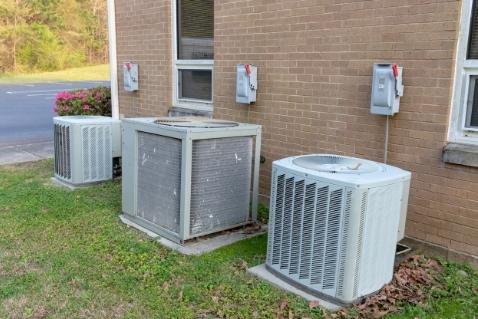
Image Source: www.huskyair.com
What an AC System Does
Think of your air conditioner like a hardworking machine. Its job is to take warm air from inside your home. It cools this air down. Then, it sends the cool air back into your rooms. This happens over and over.
The AC unit has different parts. There is a part outside and a part inside. The inside part pulls in warm air. It removes heat and moisture. The outside part releases this heat into the outdoor air.
The system cycles on when your home gets warmer than the temperature you set on your thermostat. It cycles off when the temperature reaches that setting. This turning on and off is normal. It is how the AC keeps your home feeling good.
The Idea of AC Cycles
An air conditioner does not run all the time. It runs in cycles. It turns on, cools the house, then turns off. This on-and-off action is the AC cycle.
What is an Ideal AC cycle length? For most homes, a good cycle lasts about 15 to 20 minutes. The system might run for this long. Then it rests. After a while, it turns on again.
If your AC turns on and off very often, this is called AC short cycling. The cycle is too short. This can be bad for the system. It can also make your home feel less comfortable.
If your AC runs for a very long time without stopping, this is called AC running constantly. This can also be a sign of a problem. We will talk more about these later. A system that cycles on and off, with cycles around 15-20 minutes, is usually working well. It is cooling your home evenly. It is also using energy the right way.
Factors Affecting AC Runtime
Many things can change how long your air conditioner needs to run. Some of these things you can control. Others you cannot. Knowing these Factors affecting AC runtime helps you understand your energy bills. It also helps you know when something might be wrong with your AC.
Let’s look at some of the main factors.
Outside Temperature
The Outside temperature is a big factor. When it is very hot outside, your AC works much harder. It has to pull more heat from your home. It takes longer to cool the air.
On a cool day, the AC might run for only a few minutes. It might not run at all. On a very hot day, the cycles will be longer. The AC might even seem to run for hours without stopping. This is especially true during the hottest part of the day. The bigger the difference between the outside temperature and your desired inside temperature, the longer the AC will run.
Thermostat Settings
Your Thermostat settings have a direct effect on runtime. If you set your thermostat to a very low temperature, your AC will work harder. It will run longer to reach that cool setting.
Setting the temperature just a few degrees higher can save a lot of energy. It also means the AC runs less. Finding a comfortable temperature that is not too low is important. Most energy experts suggest setting the thermostat between 75°F and 78°F (24°C to 26°C) when you are home in the summer. Raising the temperature when you are away also helps.
Home Insulation
Good Home insulation helps keep the cool air inside your house. It also keeps hot air from getting in. If your home has poor insulation, heat enters easily. The cool air escapes quickly.
This makes your AC work harder to keep the temperature down. It will run more often and for longer periods. Adding more insulation to your attic and walls can make a big difference. It helps your AC run less. It also makes your home more comfortable.
Window and Door Sealing
Small gaps around windows and doors can let a lot of hot air into your home. They also let cool air leak out. This is like leaving a window open slightly all the time.
Your AC has to run longer to cool down the air that is constantly coming in. Sealing these leaks with caulk or weatherstripping is a simple fix. It can lower your AC’s runtime. It also helps reduce your energy bills.
System Size
The size of your air conditioner needs to match the size of your home.
- Oversized System: If your AC is too big for your home, it cools the house very quickly. This might sound good. But it leads to AC short cycling. The AC turns on, cools the air fast, and turns off before it can remove enough moisture from the air. This makes your home feel cool but sticky. Short cycling also causes more wear and tear on the system.
- Undersized System: If your AC is too small, it will struggle to cool your home. It might run almost all the time, leading to AC running constantly. Even though it is running, it might not be able to reach your target temperature on very hot days. This wastes energy and does not keep you cool.
Getting the right size AC is key for efficient operation and proper runtime.
Ductwork Issues
Your ductwork is the system of tunnels that carries cool air from the AC to your rooms. Leaks or blocks in the ducts can waste a lot of cool air.
If ducts are leaking, cool air escapes into areas like attics or crawl spaces. Hot air can also be pulled into the system. The AC has to run much longer to try and cool the house with less cool air making it to the rooms. Sealing duct leaks can greatly improve efficiency and reduce runtime.
Heat Sources Inside the Home
Things inside your home create heat. Appliances like ovens, dryers, and even lights add heat. People and pets also add heat.
Running many heat-producing appliances at the same time makes your AC work harder. It has to remove this extra heat. This increases its runtime. Using these appliances less during the hottest part of the day helps.
AC Maintenance
Regular AC maintenance is very important. A dirty or poorly maintained AC system cannot work its best.
A clogged air filter makes the system work harder to pull air through. Dirty coils cannot transfer heat well. Low refrigerant levels mean the system cannot cool air effectively. All these problems make the AC run longer to do its job. Sometimes, it cannot do the job well at all. Keeping your AC clean and tuned up helps it run efficiently. It helps it have the right runtime. It also helps it last longer.
Signs of Problematic AC Runtime
Knowing what normal runtime looks like for your AC on a typical hot day in your area is helpful. But there are clear signs that the runtime is not right. These signs often point to a problem.
Two main problems are AC short cycling and AC running constantly.
Decoding AC Short Cycling
AC short cycling means your air conditioner turns on and off too often. It runs for only a short time, perhaps less than 10 minutes per cycle.
Why is this bad?
* Wear and Tear: The motor and other parts work hardest when the AC starts. Starting and stopping many times puts a lot of stress on the system. This can lead to parts breaking down sooner.
* Poor Cooling: The system does not run long enough to cool the air fully.
* High Humidity: Short cycles mean the AC does not run long enough to remove moisture from the air. Your home might feel cool but damp or sticky. High humidity makes you feel hotter.
* Wasted Energy: The AC uses a lot of energy just to start up. Frequent starting wastes energy.
Common reasons for short cycling include:
* The AC unit is too big for the house (oversized system).
* A clogged air filter stops airflow.
* The outdoor unit is dirty.
* There is a problem with the thermostat.
* Low refrigerant levels.
* Issues with electrical parts.
If your AC starts and stops very often, it is a good idea to have a technician check it.
Decoding AC Running Constantly
AC running constantly means your air conditioner runs for very long periods without stopping. It might run for hours. Or it might run for most of the day.
Why is this bad?
* Overheating: Running non-stop can cause parts to overheat. This can damage the system.
* High Energy Bills: An AC that runs all the time uses a lot of electricity. Your energy bills will be very high.
* May Not Cool Enough: Even though it is running non-stop, the system might not be able to cool your home to the temperature you set. This is a sign it is struggling.
* Reduced Lifespan: Constant running puts a heavy load on the system. It can shorten its working life.
Common reasons for running constantly include:
* It is extremely hot outside (but even then, it might cycle off for short breaks).
* The AC unit is too small for the house (undersized system).
* Very poor Home insulation or many air leaks.
* A clogged air filter or dirty coils severely limit performance.
* Low refrigerant levels mean the system cannot cool air well.
* Problems with the compressor or fan motors.
* Incorrect Thermostat settings (like setting it too low when it’s very hot).
If your AC runs all the time and your home is still not cool enough, or if it runs non-stop even when it is not extremely hot, it needs to be looked at by a professional.
Aiming for the Ideal Cycle
As mentioned, an Ideal AC cycle length is typically 15 to 20 minutes. A system that cycles on for 15-20 minutes, then off for some time, is usually working efficiently.
In very hot weather, the cycles will naturally be longer. The AC might run for 30 minutes or more. It might cycle on more often, perhaps 2 or 3 times an hour during peak heat. This is okay. The key is that it is cycling off when the temperature goal is met.
If the temperature outside is mild, the AC might run for shorter times. It might run less often. This is also normal.
The goal is not a fixed runtime number. The goal is that the system cools the home effectively, removes moisture, and cycles off once the thermostat setting is reached. AC runtime per day will naturally change based on the temperature and how much your home gains heat.
Boosting Efficiency and Reducing Runtime
You can take steps to help your AC work better. This can lower its runtime. It also saves energy and money. These are great Energy efficiency tips.
Check Your Home Insulation
Make sure your Home insulation is good. Add insulation in your attic and walls if needed. This helps keep cool air in and hot air out. It reduces how hard your AC has to work.
Use Smart Thermostat Settings
Adjust your Thermostat settings. Set it higher when you are not home. Use a programmable or smart thermostat. This lets you set different temperatures for different times of the day. You can set it to cool down just before you get home. This saves energy while you are away. Avoid setting the temperature very low right when you get home. Lowering it slowly is better.
Seal Air Leaks
Walk around your home. Look for gaps or cracks. Check around windows, doors, and where pipes or wires enter the house. Seal these leaks with caulk or weatherstripping. This stops hot air from getting in and cool air from getting out.
Use Window Coverings
Close blinds, curtains, or shades during the hottest part of the day. This blocks sunlight. Sunlight coming through windows heats up your home quickly. Blocking it helps your AC keep the temperature down with less effort.
Use Fans
Use ceiling fans or portable fans. Fans do not cool the air itself. But they move air around. This makes you feel cooler. You can often set your thermostat a little higher when using fans and still feel comfortable. Remember to turn fans off when you leave a room. They cool people, not spaces.
Improve Airflow
Make sure vents are open and not blocked by furniture or curtains. Change your air filter regularly. A dirty filter blocks airflow. This makes the AC work much harder. Check your filter every month, especially during heavy use. Change it when it looks dirty.
Schedule Regular AC Maintenance
This is one of the most important Energy efficiency tips. Get professional AC maintenance each year, usually in the spring before the cooling season starts. A technician will clean the coils, check refrigerant levels, inspect electrical parts, and make sure everything is working right. Regular maintenance keeps your system running at peak performance. It prevents small problems from becoming big ones. It helps ensure your AC has the correct and efficient runtime.
When to Worry
Most of the time, changes in AC runtime per day are normal. They happen because of the weather or how you use your home.
But some runtime issues mean there is a problem that needs fixing.
* Your AC starts and stops every few minutes (AC short cycling).
* Your AC runs non-stop for hours, and your home is still warm (AC running constantly).
* You notice strange noises when the AC runs.
* There is ice on the AC unit or pipes.
* Your energy bills suddenly go much higher without changing how you use the AC.
* The air coming from the vents is not cool.
If you see these signs, especially issues like AC short cycling or AC running constantly when it was not doing that before, call an HVAC professional. They can find the problem. They can fix it. This will help your AC run correctly again. It will work efficiently. It will last longer. Ignoring these problems can lead to expensive repairs later or a complete system breakdown.
Summary
There is no set number for how long your air conditioner should run. The Optimal Time: How Long Should Air Conditioner Run? depends on many things. These include the Outside temperature, your Thermostat settings, how well your Home insulation works, and the condition of your AC system.
An Ideal AC cycle length is typically around 15-20 minutes. The system should cycle on and off as needed.
Problems like AC short cycling (running for very short times often) or AC running constantly (running non-stop) are signs that something is wrong.
You can help your AC run better and use less energy. Use smart Thermostat settings. Improve Home insulation and seal air leaks. Use fans and block sunlight. Most importantly, get regular AC maintenance.
Paying attention to your AC runtime per day and cycle length can help you know if your system is healthy. If you notice unusual behavior like constant short cycling or running non-stop, it is best to have a professional check it out. This helps keep your home cool, your energy bills lower, and your AC system working well for years.
Frequently Asked Questions
Q: Is it bad if my AC runs for hours on a very hot day?
A: On the hottest days, it is normal for your AC to run for longer periods, even several hours at a time. This is because it is working hard against the high outside temperature to remove a lot of heat from your home. It is only a major concern if it runs non-stop for hours and your home still does not reach the set temperature, or if it runs non-stop even when the outside temperature is not extreme.
Q: How can I tell if my AC is short cycling?
A: Your AC is likely short cycling if it turns on, runs for less than 10 minutes, and then shuts off, only to turn back on again very soon after. Listen to the sound of the outdoor unit turning on and off. If this happens many times in an hour, it is short cycling.
Q: Does changing my air filter really affect how long my AC runs?
A: Yes, absolutely. A dirty air filter blocks airflow. This makes the AC unit work much harder to pull air through the system. It reduces efficiency and can make the AC run longer to try and cool the house. In some cases, a very dirty filter can even cause the system to freeze up or short cycle. Replacing your filter regularly is a simple but effective AC maintenance step.
Q: Should I turn my AC off when I leave the house?
A: Turning your AC off completely can make your home get very hot while you are away. Then, the AC will have to run for a very long time to cool it back down when you return. A better approach is to set your thermostat higher, but not off, when you leave. Raising it by 5-10 degrees Fahrenheit is usually enough to save energy without making the AC work too hard to recover. Using a programmable or smart thermostat makes this easy.
Q: How does humidity affect AC runtime?
A: Air conditioners cool air and also remove moisture (humidity) from the air. Removing moisture takes energy. On humid days, your AC works harder to dehumidify the air in addition to cooling it. This extra work can make the AC run longer than it would on a dry day with the same temperature.
Q: Can trees and shade affect how long my AC runs?
A: Yes, very much so. Trees and shade on the outside of your home, especially on the sides that get direct sun, can significantly reduce the heat gain through your walls and windows. This means your AC does not have to work as hard. Strategic planting of trees or adding awnings can help lower your AC runtime per day and save energy.
Q: What is the typical lifespan of an air conditioner?
A: With proper AC maintenance, most central air conditioners last between 15 and 20 years. How often and how long it runs, and whether it suffers from issues like AC short cycling or AC running constantly, can affect its lifespan. Regular tune-ups help ensure it runs efficiently and lasts longer.