
Is it safe to drink kombucha left out? Generally, it is not ideal and can pose risks or lead to unpleasant results. Does kombucha need to be refrigerated always? Yes, for best quality, safety, and to stop fermentation, refrigeration is needed most of the time. What happens if kombucha isn’t refrigerated? Leaving it out causes fermentation to speed up, leading to more carbonation, increased acidity, and potential spoilage issues over time. While kombucha’s acidity makes it less likely to grow harmful pathogens quickly compared to other drinks, leaving it out changes its taste, fizziness, and can make it unsafe if left too long or in warm conditions.
Kombucha is a bubbly drink. People make it by fermenting sweet tea. It has live stuff in it. This live stuff includes good bacteria and yeast. They work together. They eat the sugar in the tea. They turn it into acids, a little bit of alcohol, and carbon dioxide gas. This whole process makes kombucha what it is. It gives it its unique taste and its fizz.
The cold inside your fridge does a big job. It puts the brakes on this process. It slows down the work of the bacteria and yeast. This is important after the kombucha is bottled. Slowing things down keeps the taste right. It stops too much gas from building up. It helps the drink stay good for a longer time. So, putting kombucha in the fridge is not just a suggestion. It’s a key step in keeping it safe and tasty.
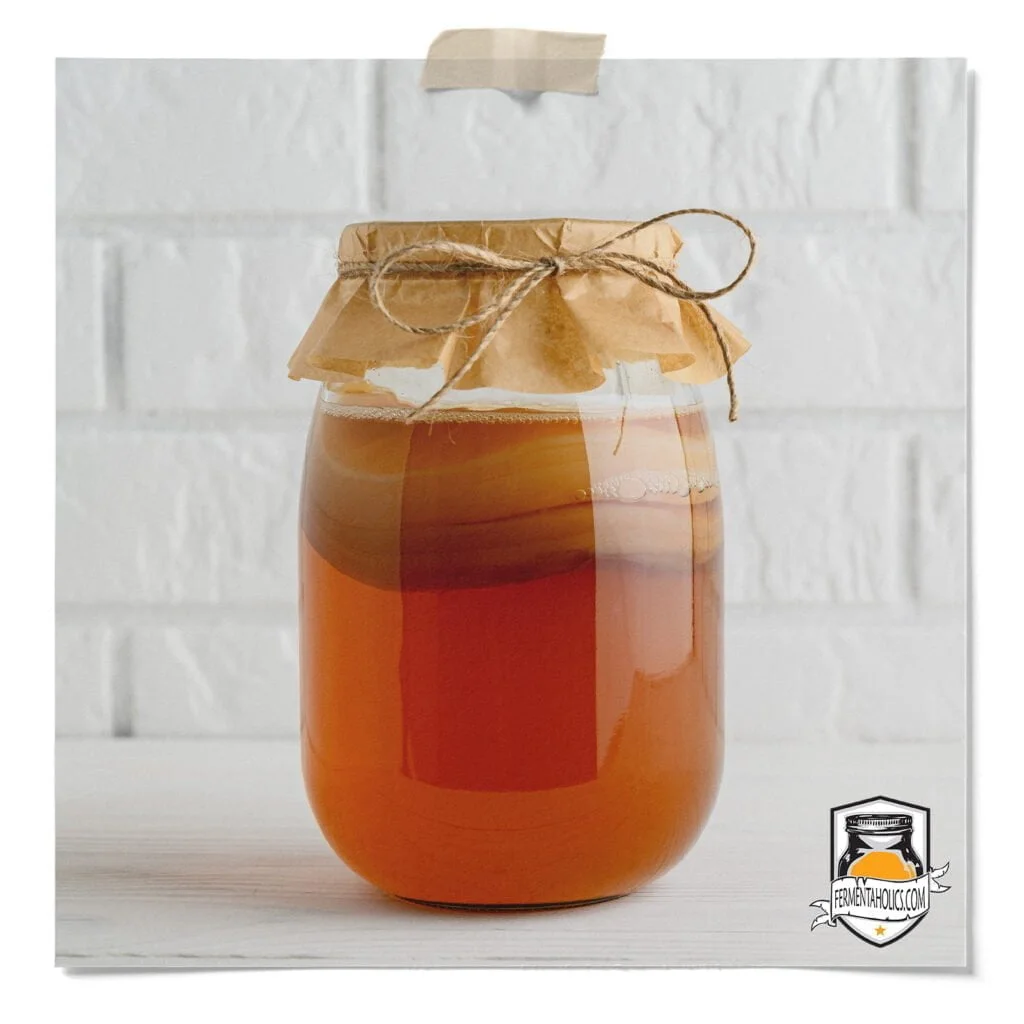
Image Source: fermentaholics.com
Grasping Why Kombucha Needs Cold
Kombucha is alive. It has a mix of microbes inside. This mix is sometimes called a SCOBY. SCOBY stands for Symbiotic Culture of Bacteria and Yeast. These tiny living things are active. When they have food (sugar) and the right temperature, they get busy.
Think of it like baking bread. Yeast in bread dough works faster in a warm kitchen. It makes the dough rise. It slows down a lot in the fridge. The same idea works for kombucha.
When kombucha is bottled, there is still some sugar left. The bacteria and yeast are still in there too. If the bottle is warm, they keep eating the sugar. They keep making acid and gas.
Putting the bottle in the fridge is like putting the bread dough in the fridge. It makes the microbes slow way down. They don’t eat the sugar as fast. They don’t make as much gas. This keeps the drink stable.
What Happens If Kombucha Isn’t Refrigerated?
If you leave kombucha out of the fridge, a few things happen. These things happen faster in warmer places.
- More Fizz: The yeast keeps making carbon dioxide gas. This gas gets trapped in the bottle. The bottle gets more and more pressure inside. Too much pressure can be bad.
- More Sour: The bacteria keep making acids. The drink gets more sour. It can start tasting very vinegary. Some people like sour kombucha. But if it gets too sour, it might not be good to drink.
- Taste Changes: The flavors can change in ways you don’t like. It might not taste fresh anymore.
- Possible Spoilage: While less common due to the acid, unwanted things could potentially grow if conditions are wrong or if it’s left out for a very long time.
So, refrigeration is super important. It keeps the kombucha in its intended state. It stops it from changing too much. This is why most store-bought kombucha is found in the cold section. They make it taste a certain way. They want it to stay that way until you open it.
Does kombucha need to be refrigerated always? For the best quality and to stop the fermentation action, yes, keeping it cold is the standard. If you leave it out, the product changes.
The Increased Activity: Kombucha at Room Temp
Let’s look closer at what happens when kombifa is at room temperature. The microbes wake up more when it is warm.
Increased Yeast and Bacteria Activity
The main players are yeast and bacteria. At cooler temperatures, like fridge cold (around 35-40°F or 2-4°C), they are sleepy. At room temperature (like 68-75°F or 20-24°C), they become active. If it is warmer than that, they become even more active.
- Yeast: They love to eat sugar and make CO2 gas and alcohol. The CO2 makes the fizz. More sugar eating means more fizz.
- Bacteria: They eat the alcohol (and some sugar) and make different acids, like acetic acid. This acid makes the kombucha sour. More acid making means a more sour drink.
This extra activity happens inside a closed bottle. The gas has nowhere to go.
Increased Carbonation (And Pressure)
This is one of the biggest issues with unrefrigerated kombucha safety. As the yeast makes more CO2 gas, the pressure inside the bottle builds. Store-bought kombucha bottles are made to hold a certain amount of pressure. But if fermentation keeps going strong, the pressure can go beyond what the bottle can handle.
- Fizz Explosion: When you open a bottle with too much pressure, the gas escapes fast. This can make the kombucha fizz over a lot. It can even shoot out of the bottle.
- Bottle Explosion: In extreme cases, if the pressure gets too high, the bottle itself can break. This is rare with commercial bottles but possible, especially if left in a warm place for a long time. This is a real danger.
Increased Acidity (Vinegary Taste)
The bacteria are busy too. They turn the alcohol into acetic acid. This is the acid found in vinegar. The longer the kombucha is out, the more acetic acid is made. The drink tastes more and more like vinegar. While this isn’t usually unsafe, it might not be pleasant to drink. Some people use very sour kombucha as vinegar.
Potential for Off-Flavors or Mold
While the acidity of kombucha makes it pretty safe from common food spoilage bacteria, leaving it out can sometimes lead to off-flavors. This might happen if unwanted wild yeasts or bacteria get into the bottle (especially if it was opened). Mold is rare in kombucha because of the acid and low pH. But if you ever see mold, do not drink it. We will talk more about signs of bad kombucha later.
The kombucha storage temperature really matters. Colder temps slow everything down. Warmer temps speed everything up. Room temperature is active time for the microbes.
Determining Safe Time Out Of The Fridge
How long can kombucha stay out of the fridge safely? There is no single, exact answer. It depends on many things. Is it opened or unopened? How warm is it? What kind of kombucha is it?
How Long Does Unopened Kombucha Last Out Of Fridge?
An unopened bottle is sealed. This means no new microbes can get in. The main changes happening are from the microbes already inside.
- Short Time (Hours): If left out for just a few hours, say while you are at work or running errands, it is likely okay. It might be a bit fizzier or slightly more sour than if it stayed cold. The main risk in this short time is just a slight change in quality.
- Overnight (8-12 hours): Leaving an unopened bottle out overnight is more risky for quality and pressure. In a cool room, it might still be drinkable, but it will likely be significantly more carbonated and possibly more sour. In a warm room, the pressure could build up a lot, making it hard or dangerous to open. Unrefrigerated kombucha safety starts to become a bigger question here regarding bottle pressure and excessive sourness.
- Several Days: Leaving unopened kombucha out for several days is generally not recommended. The pressure can become very high. The taste will likely become very vinegary. While probably not unsafe in terms of harmful bacteria (because it’s so acidic), the drinking experience will be bad, and the bottle could explode. The kombucha shelf life room temperature for quality is very short, maybe a day or two at most in a cool place before major changes happen. For safety from explosion risk, it’s even less predictable but hours to a day is safer than multiple days.
Is it safe to drink kombucha left out? If it was just a few hours and the bottle isn’t bulging and it smells/tastes okay, it’s likely safe from harmful pathogens because of its nature. But safety also means safety from exploding bottles and safety from drinking something that makes you feel sick from too much acid or other weird stuff. So, left out for long times, the answer leans towards no, it’s not reliably safe or pleasant.
How Long Does Opened Kombucha Last Out Of Fridge?
An opened bottle is different. Air has gotten in. You might have taken a sip from the bottle, introducing microbes from your mouth. The seal is broken.
- Very Short Time (Few Hours): Once opened, kombucha is best kept cold and drunk within a day or two. If you leave an opened bottle out of the fridge, especially in a warm place, it can go bad much faster than an unopened one.
- Taste and Quality Loss: Oxygen from the air can affect the flavor. Unwanted airborne microbes can get in. The fermentation continues, but now with outside influence.
- Spoilage Risk: While the acidity still offers some protection, an opened bottle left out is more vulnerable to spoilage than a sealed one. It’s best to treat opened kombucha like other opened drinks that need refrigeration.
So, how long can opened kombucha stay out of the fridge safely? Probably only a few hours at most before quality drops significantly and potential risks increase compared to keeping it cold.
Signs Kombucha Is Bad Room Temp
Knowing how long does unopened kombucha last out of fridge and opened kombucha lasts is helpful. But also knowing how to tell if it’s gone bad is important. Here are signs to look for, especially if it’s been left out at room temperature:
- Excessive Carbonation/Pressure: The bottle feels rock hard or bulges outward. When you open it, it fizzes violently or shoots out like a volcano. This is a major sign it’s been fermenting too much out of the fridge. Be very careful opening these bottles (do it outside, away from your face).
- Very Strong Vinegar Smell: Kombucha naturally smells a bit like vinegar. But if the smell is overpowering, very sharp, and makes your nose tingle like strong cleaning vinegar, it’s likely become too acidic from being left out.
- Off or Unusual Smells: Any smell that isn’t the normal sweet, tart, slightly vinegary smell is a red flag. This could be moldy, musty, or just “wrong.”
- Very Sour or Unpleasant Taste: If you are brave enough to taste it (start with a tiny sip!), and it tastes much, much more sour than usual, or has strange, unpleasant flavors, it’s past its prime.
- Visible Mold: While rare in kombucha due to acidity, mold looks like fuzzy patches. It can be white, green, black, or pink. Mold usually forms on the surface, not floating throughout. If you see any mold, throw the whole bottle away. Don’t try to just scoop it out.
- Strange Cloudiness or Sediment: Kombucha often has harmless cloudy stuff or sediment at the bottom. This is normal. But if the cloudiness looks different, chunky, or weird compared to what you usually see from that brand, pay attention. However, weird floaties aren’t always a sign of spoilage; the SCOBY can form strange shapes. Focus more on smell, taste, and mold.
If you see these signs, especially strong pressure, intense vinegar smell, or mold, it’s best not to drink it. The risks outweigh the benefits. Unrefrigerated kombucha safety goes down as these signs appear.
Storing Kombucha Without Refrigeration (When You Have To)
Ideally, you always keep kombucha cold. But sometimes, you can’t. Maybe you bought it and can’t get home right away. Maybe you are traveling. How to store kombucha without refrigeration for a short time?
The goal is to keep it as cool and stable as possible.
- Find the Coolest Spot: Heat speeds up fermentation. Keep the kombucha out of direct sunlight and away from heat sources (like a warm car dashboard, kitchen appliance, or sunny window). A basement, a shaded corner, or even inside a cupboard might be better than leaving it openly on a counter in a warm room.
- Use an Insulated Bag or Cooler: This is probably the best method if you are traveling with kombucha no fridge. A good insulated bag can keep things cooler for several hours. Add a small ice pack if you can, but be careful not to freeze the kombucha. Even without an ice pack, the insulation helps slow down warming.
- Limit Time Out: The less time it spends out of the fridge, the better. Plan your trips. Buy kombucha at the end of your shopping. Get it into a cool place as soon as possible.
- Keep it Upright: While not directly related to spoilage, keeping the bottle upright can help manage the normal sediment and prevent the liquid from being in constant contact with the cap, which can reduce leak risk if pressure builds slightly.
- Avoid Shaking: Shaking can make the built-up CO2 release faster when you open it, leading to a geyser.
These methods won’t stop fermentation like refrigeration does, but they can slow it down for a while. They help extend the very short safe window for kombucha shelf life room temperature. Remember, these are temporary solutions, not long-term storage methods.
Comparing Storage Options
Let’s look at how different storage methods affect kombucha. The key is the temperature. Kombucha storage temperature dictates the speed of the microbes.
Here is a simple comparison:
h4. Kombucha Storage Comparison Table
| Storage Method | Temperature Range | Fermentation Speed | Shelf Life (Unopened) | Shelf Life (Opened) | Carbonation Build-up | Acidity Increase | Quality & Safety |
|---|---|---|---|---|---|---|---|
| Refrigerated | ~35-40°F (2-4°C) | Very Slow | Months (check date) | 1-3 days | Very Slow | Very Slow | Best |
| Cool Room Temp | ~68-72°F (20-22°C) | Slow to Medium | Days (quality drops) | Hours | Medium | Medium | Okay for Short Time |
| Warm Room Temp | ~75-85°F (24-29°C) | Medium to Fast | Hours to ~1 Day | Very Short (Hours) | Fast | Fast | Risky |
| Hot Conditions | Above 85°F (Above 29°C) | Very Fast | Very Short (Hours) | Not Recommended | Very Fast (Danger) | Very Fast | High Risk |
This table shows the big difference temperature makes. Kombucha shelf life room temperature is much shorter than in the fridge. Unrefrigerated kombucha safety is much lower in warm conditions.
Deciphering the Labels
Store-bought kombucha bottles usually have labels. They might say “Keep Refrigerated” or “Refrigerate After Opening.” They also have a “Best By” or “Expiration” date.
These instructions and dates are based on the product being stored properly in the fridge. The “Best By” date tells you how long the maker expects the kombucha to taste best if kept cold the whole time.
If you leave kombucha out of the fridge, that “Best By” date becomes meaningless for quality. The changes we talked about (more fizz, more sour) will happen much faster than the date on the bottle.
So, trust the label for cold storage time. But know that leaving it out, even for a while, shortens its life significantly and changes the product from what the maker intended.
Fathoming the Difference: Quality vs. Safety
When we ask, “How long can kombucha stay out of the fridge safely?”, we need to think about two things:
- Quality: Does it still taste good and have the right amount of fizz?
- Safety: Will drinking it cause you harm?
Kombucha left out will lose quality long before it becomes truly unsafe from harmful bacteria. Its natural acidity (low pH) is a strong defense against most bad bugs that cause food poisoning.
The main safety concerns with unrefrigerated kombucha safety are:
- Bottle Explosion: This is a physical danger from too much pressure.
- Extreme Acidity: While usually not harmful, drinking something extremely acidic might cause stomach upset for some people.
- Rare Spoilage: In rare cases, if the batch wasn’t acidic enough, or if other contaminants got in (especially opened bottles), spoilage could potentially pose a risk. But this is not the most common outcome.
Most often, if you drink kombucha left out for too long, the worst things that will happen are:
- It fizzes over everywhere when you open it.
- It tastes unpleasantly sour or vinegary.
- It might be flat if the gas escaped.
- The flavor is just “off.”
So, while a few hours out might just affect the fizz and taste a little, leaving it out longer increases the risk of bottle pressure issues and makes it much more likely to taste bad. The longer it’s out, especially in warmth, the more you move from a quality issue to a potential safety issue (like explosion risk) or at least a highly unpleasant experience.
How long does unopened kombucha last out of fridge safely? For quality, maybe a day or two in a cool place. For safety from explosion, it’s less predictable but the risk increases significantly after 12-24 hours in warm conditions.
Is it safe to drink kombucha left out? A little while, maybe. A long while? Probably not recommended due to pressure risk and poor quality.
Interpreting When to Discard
Given the risks and changes, when should you just throw away kombucha that’s been left out?
- If the bottle is bulging: Get rid of it carefully. Open it somewhere safe (outside, away from people and breakable things), letting the pressure release slowly. Do not drink it. Too much pressure means too much fermentation and likely too much acid.
- If it smells strongly like potent vinegar or otherwise bad: Trust your nose. If it smells wrong, it probably is wrong for drinking.
- If you see any mold: Throw it away immediately.
- If it’s been out for days in a warm place: Even if it hasn’t exploded yet, the quality will be very poor, and the pressure risk is high. It’s not worth the gamble or the bad taste.
- If an opened bottle has been left out for more than a few hours: It’s safer to discard it. It’s more exposed to outside factors.
When in doubt, throw it out. Kombucha isn’t cheap, but your safety and enjoyment are worth more than a bottle of bad brew. Unrefrigerated kombucha safety is compromised over time and by temperature.
Traveling with Kombucha No Fridge
Going on a trip and want to bring kombucha? Traveling with kombucha no fridge requires planning.
- Short Trips (A few hours): An insulated bag or small cooler bag is usually enough to keep it cool enough for a few hours. The quality might change slightly, but it should be fine.
- Longer Trips (Half a day or more): This is harder. A good cooler with ice packs is needed. Pack the kombucha so it stays cool. Try to minimize the time it spends at warmer temperatures. Maybe buy it closer to your destination if possible.
- Flights: Check airline rules about liquids and carbonated drinks. The pressure changes on a plane could potentially affect bottles, although commercial bottles are usually very strong. Packing in checked luggage in a sealed bag and cooler is safer than carry-on if allowed.
- Road Trips: Keep the cooler in the main part of the car (if air-conditioned) rather than a hot trunk.
Remember, these are ways to delay the warming and slow fermentation during transit. Once you reach your destination, the kombucha should go back into refrigeration right away. How to store kombucha without refrigeration for travel means active cooling (like ice packs) or passive cooling (insulation in a cool environment). Just throwing a bottle in a hot car for hours is the worst thing you can do.
Thinking About Homebrew Kombucha
This post mainly focuses on store-bought kombucha. Homebrewed kombucha can be less predictable. The fermentation levels might vary more. The bottles used might not be as strong as commercial ones.
If you homebrew, be extra careful about leaving bottles out of the fridge. The risk of bottle bombs is higher with homebrew if not managed correctly. Always “cold crash” (refrigerate) homebrew to stop fermentation before storing or opening. The kombucha shelf life room temperature is even shorter and riskier for homebrew compared to store-bought.
Final Thoughts on Kombucha and Temperature
Kombucha is a living drink. Its quality and safety are closely tied to its temperature. Refrigeration is the standard and best way to store it. It stops the microbes from going wild.
Leaving kombucha out of the fridge causes fermentation to speed up. This leads to more gas, more acid, and changes in taste. The longer it’s out, and the warmer it is, the bigger these changes become.
How long can kombucha stay out of the fridge safely? For optimal quality and minimal risk, only a few hours is truly safe. Leaving it out overnight or for days significantly increases the chance of too much pressure, a vinegary taste, and a bad experience.
Pay attention to the signs kombucha is bad room temp: bulging bottles, extreme sourness, weird smells, or mold. When in doubt, don’t drink it.
Traveling with kombucha no fridge requires keeping it cool with insulated bags or coolers. How to store kombucha without refrigeration is about managing temperature, not stopping the process entirely.
In short: Keep your kombucha cold. It’s the simplest way to keep it tasting great and stay safe.
Frequently Asked Questions (FAQ)
h4. Common Questions About Leaving Kombucha Out
h5. How long can unopened kombucha sit out at room temperature?
For best quality, only a few hours. Changes in taste and fizz will happen. For safety regarding bottle pressure, the risk increases after about 12-24 hours in warm rooms. Days out is risky and not recommended.
h5. Can I drink kombucha that was left out overnight?
It might be okay, but it will likely be much fizzier and more sour. Check for excessive bottle pressure first. If it’s bulging, open it carefully or discard it. If it smells very strong or bad, don’t drink it.
h5. Is it safe to drink kombucha left out for 2 days?
Generally, no, it is not recommended. The risk of excessive pressure leading to bottle issues is high. The taste will likely be very vinegary. While harmful bacteria are less likely due to acidity, the quality is gone, and the physical safety risk increases.
h5. What happens if you don’t refrigerate kombucha right away?
Fermentation continues at room temperature. This means more sugar is eaten, producing more CO2 gas (increasing carbonation and pressure) and more acid (making it more sour). The taste changes over time.
h5. Does kombucha need to be refrigerated always?
Yes, for proper storage, to stop fermentation, maintain quality, and ensure safety from pressure build-up, kombucha should be kept refrigerated whenever possible.
h5. Can unrefrigerated kombucha make you sick?
It’s less likely to cause typical food poisoning due to its acidity. The main risks are from excessive pressure causing bottle breakage or from drinking something extremely acidic that might cause minor stomach upset. Seeing mold is a sign of spoilage that could be unsafe, but it’s rare.
h5. How can I tell if kombucha left out is bad?
Look for signs like a bulging bottle (high pressure), a very strong vinegar smell, strange off-smells, an extremely sour taste, or any visible mold. Excessive fizzing upon opening is also a sign it fermented too much out of the fridge.
h5. Can I travel with kombucha without a cooler?
For short periods (1-3 hours) in a not-too-hot environment, maybe. For longer trips, it’s best to use an insulated bag or cooler to keep it as cool as possible and slow down fermentation.
h5. Why did my kombucha bottle explode after being left out?
The live yeast in the kombucha continued to eat sugar and produce carbon dioxide gas. When the bottle was left out of the fridge, this process happened quickly. The pressure from the gas built up inside the sealed bottle until it became too much for the bottle to hold, causing it to break.
h5. What is the ideal kombucha storage temperature?
The ideal temperature for storing finished kombucha is in the refrigerator, typically between 35-40°F (2-4°C). This range slows down fermentation effectively.