
Bugs getting into your home through AC vents is a common problem, but you can stop it. Preventing bugs from coming through air conditioner vents involves checking and sealing entry points both inside and outside your house, especially around the AC unit and ductwork, keeping vents clean, and using physical barriers like screens or special covers. By taking these steps, you make it much harder for pests to use your HVAC system as a doorway into your living space. This guide explains how bugs get in and simple ways to keep them out.
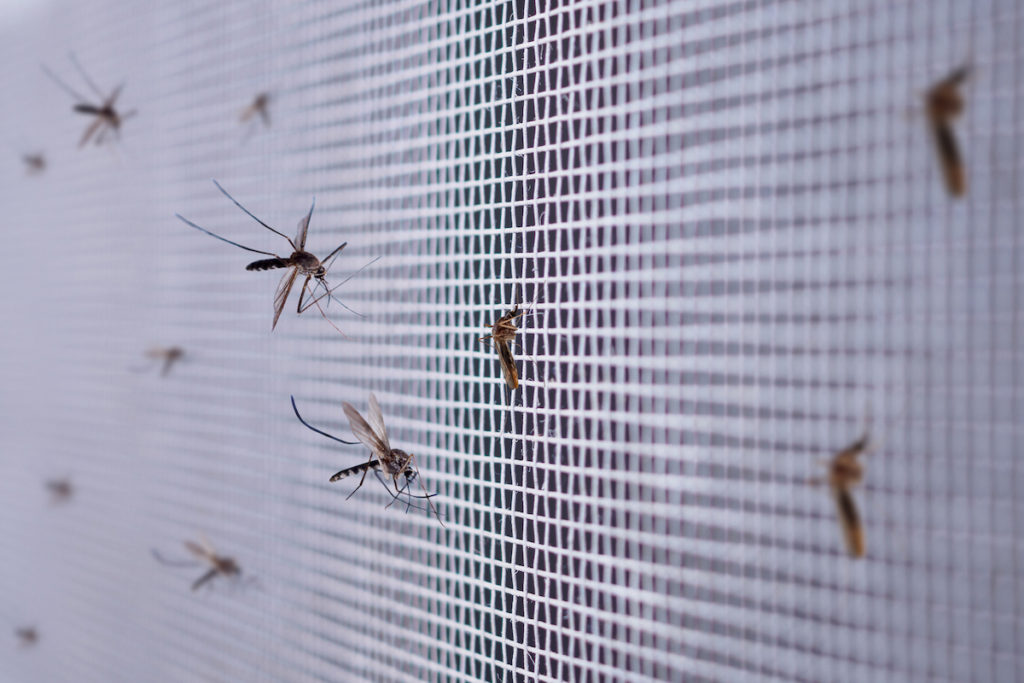
Image Source: www.sunheating.com
Why Bugs Enter AC Vents
It might seem strange that bugs would want to be in your air vents. After all, it’s dark and dusty. However, air ducts offer bugs a highway to travel throughout your house. They can get into the system from many places, and once inside, the ducts can lead them to any room with a vent. Knowing how and why they enter helps you find the best ways to stop them.
How Bugs Find Their Way In
Bugs are always looking for shelter, food, and water. Your home’s HVAC system, including the outdoor unit, ductwork, and indoor vents, can offer all these things or simply provide a way to get inside where those things are found.
Cracks and Gaps
Small openings around your home are like front doors for bugs. These can be tiny cracks in the foundation, gaps around window frames, or spaces where pipes and wires enter the house. Bugs can also get into the HVAC system through gaps in the ductwork itself, or around the frames of your indoor vents. Even a gap as small as a quarter-inch can let many types of bugs crawl through.
Openings in the System
Your air conditioning system has parts outside and parts inside. The outdoor unit can have small openings where wires or pipes connect. If these aren’t sealed well, bugs can get inside the unit. From there, they might follow the pipes or lines that go inside your house. The ductwork itself, which carries air, might have leaks or holes, especially if it’s old or damaged. These openings let bugs get directly into the air paths that lead to your vents.
Attractants
Bugs are often drawn to moisture and warmth.
* Moisture: Condensation can form around the outdoor AC unit, inside air handler coils, or even inside leaky ducts if there’s humidity. This water source attracts bugs that need moisture to live.
* Warmth: In cooler weather, the protected space around an outdoor unit or within ductwork can offer warmth, making it a cozy place for bugs to hide, especially insects in air ducts seeking shelter from the cold.
Understanding these entry points and attractants is the first step in figuring out how to block bugs from HVAC system components effectively.
What Kind of Bugs Appear?
Different types of bugs might find their way into your vents.
* Spiders: They might build webs near vents to catch other bugs or use ducts as a sheltered travel path.
* Ants: If they find a food source inside, they can follow trails right up to a vent.
* Cockroaches: These pests love dark, damp spaces like some parts of ductwork.
* Silverfish: They are drawn to moisture and can live in dusty, dark places like ducts.
* Centipedes and Millipedes: They might enter through cracks and find their way into the system, especially if it’s damp.
Seeing these bugs near or in your vents is a clear sign that pests are finding a way into your HVAC system.
Steps to Block Bugs from Your HVAC System
Stopping bugs means dealing with potential entry points from the outside in. You need to check the outdoor unit, inspect the ductwork, and pay close attention to the vents inside your home. Taking proactive steps helps prevent bugs in air ducts and keeps them out of your living space.
Start Outside: AC Unit Pest Prevention
The outdoor part of your air conditioning system is often the first point of contact for many pests. It sits outside all the time, exposed to the elements and local bug populations. Making this area less friendly to bugs is a key part of AC unit pest prevention.
Clear the Area Around the Unit
Keep the space around your outdoor AC unit clean and clear.
* Remove Plants and Debris: Trim bushes, weeds, and grass away from the unit. Plants provide shelter for bugs. Leaves, grass clippings, and other yard waste can build up and create a damp, protected habitat.
* Store Items Away: Don’t stack woodpiles, garden supplies, or trash cans near the unit. These are perfect hiding spots for pests.
* Check for Water: Make sure water drains away from the unit. Standing water attracts many types of bugs, especially mosquitoes and flies, and creates humid conditions that other pests like. Ensure downspouts aren’t directing water towards the unit.
Keeping the area tidy removes potential bug hideouts and breeding grounds right next to a potential entry point into your HVAC system.
Check for Gaps and Holes
Inspect the outer casing of your AC unit. Look for any cracks, gaps, or openings.
* Wiring and Pipe Entry Points: Pay close attention to where refrigerant lines, electrical wires, and drainage tubes connect to the unit and where they go into your house. These points are often sealed with caulk or foam, but seals can break down over time.
* Unit Panels: Check the panels of the unit to ensure they fit tightly. Sometimes panels can be loose or damaged, creating small openings.
* Base: Look at the base of the unit where it sits on the pad. While the main entry isn’t usually here, large gaps could allow pests to crawl underneath.
Any gaps you find should be sealed. Use an outdoor-rated caulk or expanding foam designed for pest control. Make sure the sealant is weather-resistant.
Use Physical Barriers
Adding physical barriers can help deter pests from getting close to or into the unit.
* Gravel or Rocks: Placing a layer of gravel or small rocks around the base of the unit, instead of mulch or soil, can make the area less attractive to many ground-dwelling bugs.
* Mesh Screening: For specific vulnerable spots, you might be able to fit a fine mesh screen over openings, but be careful not to block necessary airflow or drainage. Consult your unit’s manual or an HVAC professional before adding screens directly to the unit itself. The goal is AC unit pest prevention without harming the unit’s function.
Seal Air Conditioner Ductwork
Your home’s ductwork runs through walls, floors, attics, and basements. Over time, joints can loosen, seals can break, or the ducts can get damaged, creating leaks. These leaks waste energy and can also serve as entry points for insects in air ducts. Sealing your air conditioner ductwork is a crucial step in blocking bugs.
Locating Duct Leaks
Finding duct leaks isn’t always easy. Air leaks often happen at joints, where sections of duct connect, or where ducts connect to the air handler or vents.
* Visual Inspection: Look for gaps, holes, or sections that have come apart. Check areas where ducts pass through walls or ceilings.
* Feel for Air: With the AC or heat running, carefully feel along duct joints and surfaces. You might feel air leaking out (or in).
* Smell: Sometimes, pest infestations in ducts (like rodents) can leave odors that are noticeable near leaks.
* Professional Testing: For a thorough job, an HVAC professional can perform a duct leakage test using special equipment.
Sealing these leaks improves efficiency and closes pathways for bugs, effectively helping seal air conditioner ductwork against pests.
Materials for Sealing
Use the right materials to seal ductwork. Standard duct tape is NOT suitable for sealing air ducts; it doesn’t last and peels off.
* Mastic Sealant: This is a gooey, paint-like substance that you brush or trowel onto duct joints and holes. It hardens into a durable, airtight seal. It’s one of the best options for sealing ductwork.
* Foil-Backed Tape: This is a special, strong tape designed for duct sealing. It has a metallic backing and a very sticky adhesive. It’s often used along with mastic or on its own for certain types of joints. Look for tape marked “UL 181 A-P” or “UL 181 B-FX,” which indicates it’s approved for sealing ducts.
* Caulk: For smaller gaps where ducts meet walls or where components connect, high-quality caulk can be used.
* Insulation and Sealant Foam: Expanding foam can fill larger gaps, but be careful to use products approved for HVAC use and follow safety instructions.
Using these materials correctly is key to effectively sealing air conditioner ductwork and keeping pests out.
Sealing Techniques
Proper sealing technique ensures the job lasts.
* Clean the Surface: Before applying any sealant, clean dust and debris from the duct surface. The sealant needs a clean area to stick well.
* Apply Mastic: For mastic, use a paintbrush or putty knife to apply a thick layer over the joint or hole. Make sure it completely covers the gap.
* Apply Tape: If using foil-backed tape, cut pieces that are long enough to wrap securely around the joint. Press the tape firmly onto the surface, making sure there are no wrinkles or bubbles. Overlap pieces slightly if needed.
* Seal Penetrations: Use caulk or appropriate sealant around any point where ducts pass through building materials or connect to the air handler or furnace.
Taking the time to properly seal air conditioner ductwork significantly reduces entry points for insects in air ducts.
Address Vents Directly
Even if your ductwork is sealed, bugs could potentially enter through the registers or vents themselves, or through gaps around the vent frames where they meet the wall or floor. Focusing on the vents is a direct way to prevent bugs from coming through air conditioner vents into your living space.
Clean Air Conditioning Vents
Vents can collect dust, debris, and even dead bugs. This buildup can attract other pests and makes the vents a less sanitary part of your home. Regular cleaning is a simple yet effective preventative measure.
Why Cleaning Helps
- Removes Attractants: Dust and debris can provide food or shelter for some bugs. Cleaning removes this.
- Removes Pests: You might remove active bugs, eggs, or nests during cleaning.
- Allows Inspection: Cleaning gives you a chance to look closely at the vent and the area around it for gaps or signs of pests.
Making it a habit to clean air conditioning vents regularly is a good part of overall pest control.
How to Clean Vents
- Gather Supplies: You’ll need a vacuum with a brush attachment, a damp cloth, mild soap or an all-purpose cleaner, and maybe a small brush (like a toothbrush) for tight spots.
- Remove the Vent Cover: Unscrew or pop off the vent cover from the wall, floor, or ceiling.
- Vacuum the Duct Opening: Use the vacuum’s hose or attachment to reach into the duct opening as far as you can. Remove loose dust and debris. This helps prevent bugs in air ducts near the entry point.
- Clean the Vent Cover: Take the vent cover outside or to a sink. Vacuum or brush off loose dust. Wash the cover with warm, soapy water. For stubborn dirt or grime, you might need to scrub gently. Rinse thoroughly.
- Clean Around the Opening: Wipe down the area on the wall, floor, or ceiling around the vent opening with a damp cloth.
- Dry and Reinstall: Make sure the vent cover is completely dry before putting it back. Screw or snap it back into place.
Cleaning air conditioning vents should be part of your regular home cleaning routine, perhaps done when you change your air filter.
Install Vent Covers to Block Insects
Adding a physical barrier to the vent itself is a direct way to stop bugs from crawling through. Special vent covers are designed to do this.
Types of Vent Covers
- Standard Registers with Tight Louvers: Some modern vent covers have tightly spaced louvers (the angled slats) that make it harder for larger insects to pass through.
- Vent Covers with Mesh Screens: These covers have a fine mesh screen built-in or attached to the back. The screen allows air to pass but blocks insects. This is effectively an AC vent bug screen integrated into the cover.
- DIY Screens: You can create your own AC vent bug screen using fine mesh (like window screen material) and attaching it to the back of your existing vent cover using tape or glue. Make sure the mesh is fine enough to block small bugs but doesn’t significantly restrict airflow.
Choosing and installing vent covers to block insects is a practical step right at the point where air enters your rooms.
Installing Vent Covers
- Remove Existing Cover: Take off the old vent cover.
- Clean the Area: Clean the opening and the area around it as described above.
- Attach Screen (if DIY): If making your own, cut the screen material to fit the back of your vent cover. Secure it firmly around the edges.
- Place New Cover: Position the new vent cover (with built-in screen or your added screen) over the opening.
- Secure: Screw or snap the cover back into place. Ensure it sits flush against the wall, floor, or ceiling.
Using vent covers to block insects adds an extra layer of protection right at the end of the ductwork.
Use an AC Vent Bug Screen
Even without replacing the entire vent cover, you can add an AC vent bug screen directly behind the existing cover. This is often a simpler and cheaper solution.
What Screens Do
An AC vent bug screen is typically a piece of fine mesh material (like fiberglass or metal screening used for windows) that you place between the duct opening and the vent cover. Its purpose is straightforward: to create a barrier that air can easily pass through, but most bugs cannot.
How to Fit Screens
- Remove the Vent Cover: Unscrew or pop off the vent cover.
- Measure the Opening: Measure the size of the duct opening (the hole in the wall, floor, or ceiling).
- Cut the Screen: Cut a piece of fine mesh screen slightly larger than the opening, maybe an inch or two extra on each side.
- Place the Screen: Carefully place the cut screen over the duct opening.
- Reinstall the Cover: Put the vent cover back over the screen and screw or snap it into place. The edges of the screen will be held in place by the vent cover itself.
Make sure the screen is pulled taut so it doesn’t sag into the duct, which could block airflow. The primary goal is to create an AC vent bug screen barrier that stops pests while letting air flow freely.
How to Seal Vent Gaps Around the Opening
Even with the vent cover in place, there can be small gaps between the edge of the vent cover frame and the wall, floor, or ceiling surface. Bugs can sometimes use these tiny gaps to get out of the ductwork and into your room, even if they can’t get through the main part of the vent. Learning how to seal vent gaps here is important.
Materials
- Paintable Caulk: A flexible, paintable caulk is good for sealing gaps around the frame of the vent cover. Choose a color that matches your wall or ceiling, or one that can be painted over.
- Weatherstripping: Thin foam or rubber weatherstripping can be applied to the back of the vent cover frame before you install it. When the cover is screwed down, it compresses the weatherstripping, creating a seal against the surface.
Knowing how to seal vent gaps effectively involves using the right material for the size and location of the gap.
Sealing Process
- Remove and Clean: Take off the vent cover and clean the area around the opening.
- Apply Caulk: Run a thin bead of caulk along the edge of the wall, floor, or ceiling opening where the vent cover frame will sit. Alternatively, you can apply a thin bead directly to the back edge of the vent cover frame itself.
- Install Weatherstripping: If using weatherstripping, apply it neatly to the back surface of the vent cover frame that will touch the wall/floor/ceiling.
- Reinstall Cover: Put the vent cover back into place. If using caulk, the cover will press the caulk into the gap. Wipe away any excess caulk that squeezes out immediately with a damp cloth before it dries. If using weatherstripping, screw the cover down firmly but don’t overtighten.
- Allow Caulk to Dry: Let the caulk dry completely according to the product instructions before painting or touching it.
Taking the time to seal vent gaps around the frame adds another layer of protection, preventing bugs from using these small spaces to enter your rooms from the ducts.
Ongoing Prevention and Maintenance
Keeping bugs out isn’t just a one-time fix. Regular checks and maintenance of your HVAC system and home environment help prevent bugs in air ducts and throughout the system in the long term.
Regular System Checks
Make it a habit to inspect your AC unit and vents regularly.
* Monthly Visual Check: Quick look at the outdoor unit area and all indoor vents. Clear debris, check for obvious damage or gaps.
* Seasonal Check: Before you start using your AC heavily for the season, do a more thorough inspection of the outdoor unit, visible ductwork, and all vents. Check seals and screens.
* Filter Changes: When you change your air filter (usually every 1-3 months), it’s a good time to quickly inspect the air handler area near the filter for any signs of pests or damage.
These checks help you catch potential problems early before bugs can establish a presence in your system.
Keeping the Home Environment Less Appealing to Pests
Beyond the HVAC system itself, maintaining your entire home makes it less attractive to pests in general.
* Seal Other Entry Points: Check and seal cracks around windows, doors, foundation, and where utilities enter the house.
* Control Moisture: Fix leaky pipes, reduce humidity with dehumidifiers if needed, and ensure proper drainage around your home’s foundation. Less moisture means fewer pests.
* Store Food Properly: Keep food in sealed containers. Clean up spills and crumbs quickly. This reduces attractants.
* Regular Cleaning: Vacuuming and cleaning floors and surfaces regularly removes food sources and nesting materials for many pests.
A clean, well-sealed home is less likely to have pest problems that could eventually lead to bugs trying to get into your HVAC system.
When to Consider Professional Help
Sometimes, DIY steps aren’t enough, or you might face issues that require expert knowledge. This is when you should consider calling in professionals.
Pest Control for AC Vents and Ducts
If you have a significant pest problem, such as a rodent nest in your ductwork or a large insect infestation you can’t control, a pest control service is necessary.
* Inspection: Pest control professionals can identify the type of pest, how they are getting in, and where they are nesting.
* Treatment: They have the tools and products to safely remove pests and treat the affected areas.
* Prevention Advice: They can offer specific advice on how to keep those particular pests from returning.
Using pest control for AC vents or ductwork issues should be done by someone familiar with working around HVAC systems, or in coordination with an HVAC professional. Never put pesticides or repellents inside your ducts unless they are specifically approved and applied by a trained professional, as this can spread harmful chemicals throughout your home.
HVAC Professional Inspection
If you suspect your ductwork is heavily damaged, or if you need help locating and sealing leaks, an HVAC technician is the right person to call.
* Duct Inspection and Sealing: They can inspect your entire duct system, including hard-to-reach areas, using cameras if necessary. They can perform professional air sealing using appropriate materials and techniques.
* System Repair: If pests have damaged your ductwork or AC unit components (like chewing on wires or insulation), an HVAC pro can make repairs.
* Cleaning: For severe cases of contamination (like mold, animal waste, or heavy debris) inside ducts due to pest activity, they might recommend professional duct cleaning. This is different from routine vent cleaning.
A professional inspection can provide peace of mind and fix underlying issues that you might not be able to address yourself, contributing to better pest control for AC vents and the entire system.
Avoiding Insects in Air Ducts: A Summary
To prevent bugs from using your air conditioning system as a way into your home, focus on creating barriers and removing attractants at multiple points.
* Start Outside: Maintain the area around your outdoor AC unit. Seal any gaps or openings you find on the unit itself where pipes or wires enter. This is key for AC unit pest prevention.
* Address the Ductwork: Inspect your duct system for leaks or damage. Use mastic or approved foil tape to seal air conditioner ductwork. Sealing duct leaks prevents insects in air ducts from traveling freely.
* Focus on Vents: Regularly clean air conditioning vents to remove dust and potential food sources. Consider adding an AC vent bug screen behind your existing vent covers, or install new vent covers to block insects that have built-in screens. Learn how to seal vent gaps around the edges of the vent frames using caulk or weatherstripping.
* Maintain Your Home: Keep your home generally pest-proof by sealing cracks elsewhere, controlling moisture, and keeping areas clean.
* Seek Help: If you have a serious infestation or significant duct damage, call pest control for AC vents and ducts, or an HVAC professional.
By following these steps, you can significantly reduce the chances of bugs coming through your air conditioner vents and enjoy a more comfortable, pest-free home. Blocking bugs from your HVAC system requires effort at the outdoor unit, in the ductwork, and right at the vents, but it’s a rewarding task that protects your home and your health. Prevent bugs in air ducts and keep them out of your living space for good.
Frequently Asked Questions (FAQ)
-
Can bugs live in air ducts permanently?
Yes, some pests like cockroaches, silverfish, or even rodents can potentially live and breed in air ducts, especially if the ducts are dirty, damaged, or have moisture issues. This is why preventing insects in air ducts and maintaining a clean, sealed system is important. -
Will cleaning my vents get rid of all bugs?
Cleaning air conditioning vents helps remove dust, debris, and any pests right at the vent opening. It’s a good preventative step and removes some bugs, but it won’t solve a problem with pests living deeper in the ductwork or getting in from other points in the system or house. -
Are AC vent bug screens safe for my system?
Yes, using an AC vent bug screen made of fine mesh material and properly fitted behind the vent cover is generally safe. Ensure the mesh is fine enough to block bugs but doesn’t restrict airflow significantly. If you notice reduced airflow after installing screens, check that they are not sagging or completely blocked with dust. -
What is the best way to seal air conditioner ductwork against pests?
The most effective method for sealing air conditioner ductwork is typically using mastic sealant or special foil-backed HVAC tape (UL 181 approved) over all joints and holes. Professional sealing is often the most thorough way to ensure all leaks are addressed. -
Can pests damage my AC unit or ductwork?
Yes, pests like rodents can cause significant damage by chewing on electrical wires, insulation, or duct material. Even insects can build nests that block airflow or introduce allergens and contaminants. Regular AC unit pest prevention and duct checks are important for this reason. -
Is professional pest control for AC vents expensive?
The cost varies depending on the type of pest, the severity of the infestation, and the size and complexity of your HVAC system and home. Getting quotes from a few pest control services is recommended. Addressing the problem early is often less expensive than dealing with a large, established infestation or resulting damage. -
How do I know if I need to seal vent gaps?
Look closely around the frame of your vent covers. If you can see light coming through, feel drafts (when the system is running), or see small cracks or spaces between the cover frame and the wall/floor/ceiling surface, you have vent gaps that should be sealed using caulk or weatherstripping. This is a direct way to prevent bugs from coming through air conditioner vents via these small edge gaps.