
How do you know if your air conditioner is broken? Your air conditioner tells you it has a problem in many ways. It might stop cooling your house well, make weird noises, or even leak water. These signs tell you something is not right. Paying attention to these signs early can save you stress and money. Ignoring them can cause bigger, more expensive problems later. We will look at the most common signs your AC needs help.
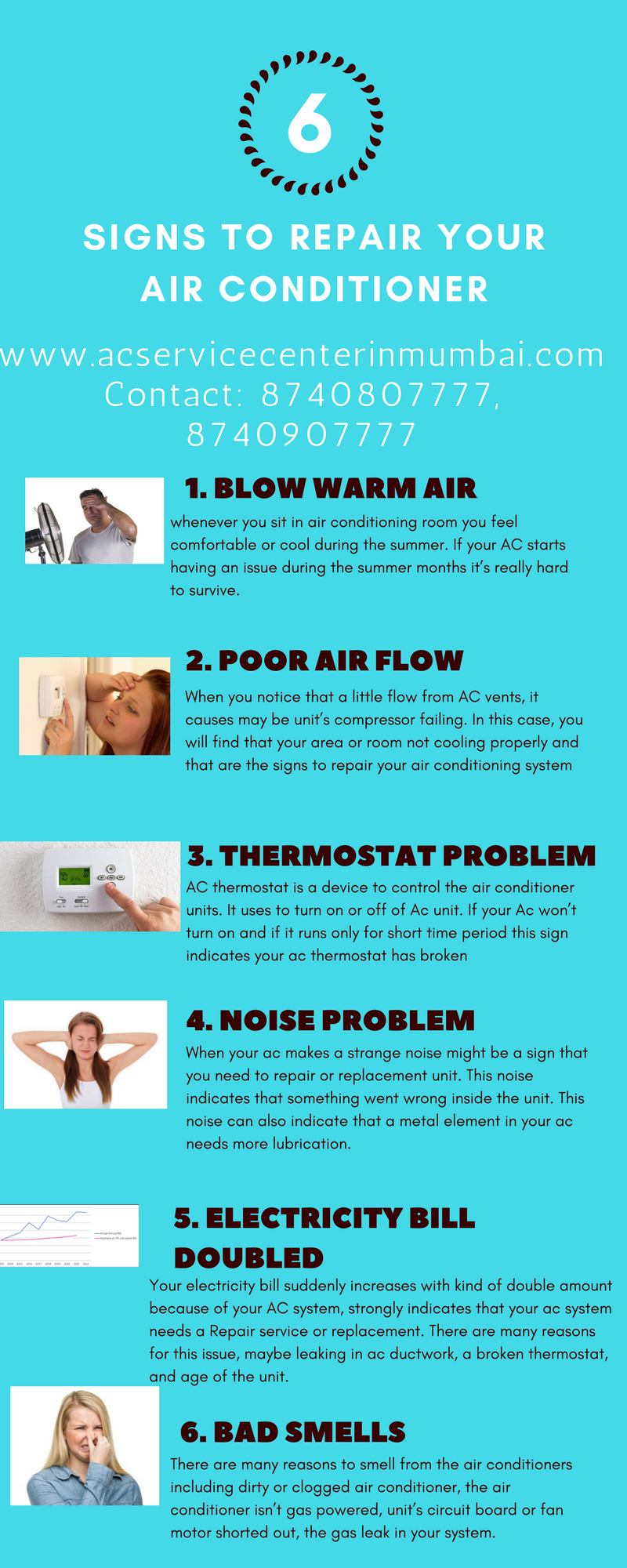
Image Source: miro.medium.com
Signs Your AC Needs Attention
Your air conditioner works hard to keep your home cool and dry. Like any machine, parts can wear out or break. Knowing what to look for is the first step. Simple issues can often be fixed easily. Bigger problems might need a pro. Here are the top signs to watch out for.
The Air Is Not Cold
This is maybe the most obvious sign. Your AC is on, but the air coming out is not cold. It feels like the fan is just blowing room-temperature air around. This means your air conditioner is not cooling.
Grasping Why Air Might Not Be Cold
Many things can stop your AC from cooling the air.
* Blocked airflow: A dirty air filter is a common cause. The filter gets clogged with dust. Air cannot pass through easily. This makes the AC work harder. It also stops the air from getting cold enough.
* Thermostat problems: Your thermostat tells the AC what to do. If it is set wrong or is broken, the AC might not cool. Make sure it is set to “cool” and the temperature is low enough.
* Outdoor unit issues: The large unit outside your home needs to work. It releases heat. If it is dirty or blocked, it cannot do its job. Check for leaves, dirt, or other stuff around it.
* Refrigerant problems: Your AC uses a special liquid called refrigerant. It takes heat out of your home. If the refrigerant is low, the AC cannot cool. This is often due to a leak.
When your AC is blowing warm air, it is a clear sign something is wrong. Sometimes, a simple fix like changing the air filter helps. Other times, it points to a more serious problem.
What Happens When Air is Not Cold
You feel uncomfortable. Your home gets hot and humid. The AC keeps running, using energy, but gives no cool air. This wastes electricity. It also puts stress on the AC parts.
Checking Simple Things First
Before calling a pro, check a few things.
* Is the thermostat on? Is it set to cool? Is the temperature low?
* Is the air filter clean? If it is dirty, replace it.
* Is the outdoor unit clear of dirt and blockages?
* Are the AC vents open inside your home?
If these simple checks do not fix the problem, it is time to call an expert. They can find out why your air conditioner is not cooling.
Strange Noises Come from the AC
Your AC unit makes some noise when it runs. You hear the fan and maybe a hum. But if you hear new or strange noises, pay attention. These noises often tell you a part is loose or broken.
Interpreting Weird AC Sounds
Different noises can mean different problems.
- Banging or Loud Clanking: This is a bad sign. It might mean a part is loose inside the compressor. Or a fan motor is failing. Turn off the AC right away if you hear loud banging.
- Grinding or Scraping: This often means a motor bearing is worn out. The metal parts are rubbing together. This can cause more damage if not fixed.
- Squealing or Screeching: This sound can come from a belt that is loose or worn. It could also be a motor bearing needing oil or failing.
- Clicking (Constant): A clicking sound when the unit tries to start might mean a problem with the relay or capacitor. Constant clicking while running could mean a control board issue.
- Hissing: A hissing sound can point to a refrigerant leak. Refrigerant is under pressure. Leaking gas makes a hissing noise.
- Buzzing: Buzzing can be caused by many things. Loose parts, electrical issues, or even the outdoor unit struggling.
Why AC Noises Matter
Noises are the AC’s way of telling you “Help! Something is breaking!” Ignoring strange noises can turn a small fix into a big, expensive repair. A loose part can hit other parts and cause more damage.
Common Noises and What They Mean
Here is a simple look at noises and their possible cause.
| Noise Type | Possible Cause | Action Needed |
|---|---|---|
| Loud Banging/Clank | Loose parts, Compressor issue | Turn AC off, Call Pro |
| Grinding/Scraping | Motor bearing wear, Loose fan | Turn AC off, Call Pro |
| Squealing/Screech | Belt issue, Motor bearing | Call Pro |
| Constant Clicking | Electrical relay, Control board | Call Pro |
| Hissing | Refrigerant leak | Call Pro |
| Buzzing | Electrical issue, Loose parts | Check simple things, maybe Call Pro |
If you hear strange noises from your AC unit, it is best to have a professional check it. They can find the source of the noise and fix it safely.
Water Leaks from the AC Unit
It might seem odd for an air conditioner to leak water inside your house. But ACs remove moisture from the air. This moisture turns into water. It should go down a drain pipe. If you see AC unit leaking water, it is a sign of a problem.
Deciphering AC Leaks
Water leaks usually happen near the indoor unit. This is often where the furnace and evaporator coil are. The water comes from condensation. When warm, humid air hits the cold coil, water forms, like on a cold drink glass. This water collects in a pan. Then, it flows out through a drain line.
Reasons for Water Leaking
Several things can cause an AC unit leaking water.
- Clogged AC drain line: This is the most common reason. Dirt, dust, or mold can block the pipe. The water cannot flow out. The pan fills up. Then it overflows.
- Full drain pan: If the pan is cracked or the drain is totally blocked, the pan might fill faster than it can handle minor blockages, leading to overflow.
- Frozen evaporator coil: If the coil gets too cold, frost or ice can form. This happens if airflow is blocked (dirty filter!) or refrigerant is low. When the ice melts, it is a lot of water. The drain system might not handle it all at once.
- Broken condensate pump: Some systems use a pump to move water outside or to a distant drain. If the pump breaks, water backs up and leaks.
- Poor installation: If the unit is not level or the drain line is not sloped correctly, water can pool and leak.
Seeing water near your indoor unit is a clear sign of a clogged AC drain line or another issue. Do not ignore it. Water can damage floors, walls, and ceilings. It can also lead to mold growth.
Steps When You See a Leak
- Turn off your AC system at the thermostat and the power switch near the indoor unit. This stops more water from forming.
- Clean up the water to prevent damage.
- Check the drain pan. Is it full?
- If you feel comfortable, you might try to clear a simple clog in the drain line. You can use a wet/dry vacuum or a stiff brush if you can reach it. But be careful not to damage the pipe.
- Check the air filter. A dirty filter can cause the coil to freeze, which leads to leaks when it melts.
If you cannot find the cause or fix it easily, call an AC technician. A clogged AC drain line is a common fix for them. But other causes like a frozen coil due to low refrigerant need a pro.
The AC Unit Won’t Turn On
This is a very direct sign. You turn on the thermostat, but nothing happens. The fan does not start. The outdoor unit is silent. Your air conditioner won’t turn on at all.
Figuring Out Why Your AC is Off
This can be caused by simple things or bigger problems.
- Power issues: Is the circuit breaker tripped? Check your electrical panel. Find the breaker for the AC system. If it is flipped, reset it. Sometimes, a power surge or a fault can trip it. Also, make sure the power switch near the indoor unit and the outdoor unit are both on.
- Thermostat problems: Is the thermostat working? Is it set to the correct mode (Cool) and temperature? Check the batteries if it uses them. Try setting the temperature much lower than the current room temp.
- Safety shut-offs: Your AC has safety features. A full drain pan in some models can trigger a switch that turns the unit off to prevent water damage. Checking for leaks (as mentioned above) is wise.
- Motor or capacitor failure: These parts help the unit start. If they fail, the unit might not be able to begin its cycle.
- Wiring problems: Loose or damaged wires can stop the unit from getting power or signals.
When your air conditioner won’t turn on, start with the easiest things. Check the power and the thermostat. These are things you can safely do yourself.
When to Call the Experts
If checking power switches, breakers, and the thermostat does not work, do not try to fix electrical parts. This is dangerous. Problems like a bad motor, capacitor, or wiring need a trained technician. They have the tools and knowledge to fix these safely.
Your AC Smells Bad
Have you ever turned on your AC and smelled something bad? Different bad smells can tell you different things about your system. Your AC smells bad for a reason.
Decoding AC Odors
Smells from your AC can range from dusty to moldy to electrical or even like rotten eggs.
- Musty or Moldy Smell: This is very common. It usually means there is mold or mildew growing somewhere in your system. This often happens in the drain pan or ductwork where moisture sits. A clogged AC drain line can cause standing water, leading to mold. This smell is not just unpleasant; it can affect air quality.
- Burning Smell: This smell is worrying. It could mean an electrical wire is burning or a motor is overheating. Turn off the AC right away if you smell burning. This could be a fire risk.
- Dirty Sock Smell: This distinct smell is caused by bacteria growth on the evaporator coil. It happens when bacteria multiply in the moist, cool environment. It is often called “dirty sock syndrome.”
- Rotten Egg Smell: This is rare but serious. It might mean you have a natural gas leak near your air handler. Natural gas is dangerous. If you smell rotten eggs, leave your home immediately and call your gas company and the fire department from a safe place.
- Chemical Smell: A sweet or chemical smell might point to a refrigerant leak. Refrigerant has an odor, though it is not always easy to smell. This is one of the refrigerant leak signs.
Why Bad Smells Happen
Bad smells happen when dirt, moisture, or electrical issues are present. Mold and bacteria love the dark, damp parts of your AC. Electrical smells mean a part is overheating. Refrigerant leaks release chemicals.
Addressing Foul AC Smells
- For musty or dirty sock smells: Changing your filter regularly helps. Cleaning the drain pan can also reduce mold. Sometimes, professional cleaning of the coil and ducts is needed.
- For burning smells: Turn off the power immediately. Call an AC technician.
- For rotten egg smells: Leave the house immediately. Call the gas company and fire department. Do NOT turn lights or appliances on or off.
- For chemical smells: Call an AC technician to check for refrigerant leaks.
If your AC smells bad, figure out the type of smell. Some smells are harmless (like a dusty smell at the start of the season). Others are dangerous. Do not ignore smells, especially burning or gas smells.
The AC Turns On and Off Quickly (Short Cycling)
Does your AC unit turn on for a short time, cool slightly, and then shut off? Then it repeats this cycle over and over? This is called air conditioner short cycling.
Explaining Short Cycling
Normally, an AC runs for a longer time to cool your home fully. Then it turns off until the temperature rises again. Short cycling means the cooling cycles are too short. The AC starts and stops too often.
Reasons for Short Cycling
Many things can cause air conditioner short cycling.
- Oversized AC Unit: If your AC is too big for your home, it cools the house very quickly. It reaches the thermostat setting fast and shuts off. While this might seem good, it is not efficient. It does not remove humidity well. Starting and stopping wears down parts faster.
- Dirty Air Filter: A clogged filter blocks airflow. This can cause the system to overheat or the coil to freeze. Safety controls might turn the unit off quickly.
- Thermostat Problems: A faulty thermostat might not read the temperature correctly. It could tell the AC to turn off too soon.
- Low Refrigerant: If refrigerant is low, the system cannot cool properly. It struggles to reach the set temperature. It might run shortly and then shut off, possibly due to safety limits (like freezing up). This is another one of the refrigerant leak signs.
- Electrical Issues: Problems with the capacitor or other electrical parts can prevent the unit from running a full cycle.
- Overheating Compressor: The compressor is the heart of the AC. If it is overheating, safety features will shut it down fast to prevent damage. This is a symptom of various issues, including potential AC compressor failure symptoms.
Why Short Cycling Is Bad
Short cycling is bad for your AC unit and your wallet.
* Increased Wear and Tear: Starting up uses a lot of energy and puts stress on parts like the compressor. Short cycling means many starts and stops. This wears parts out faster. It can lead to premature AC compressor failure.
* Poor Cooling: The AC does not run long enough to cool your home properly or remove enough humidity.
* Higher Energy Bills: The unit uses most energy when starting up. Short cycling means more starts, leading to higher electricity use.
If your air conditioner is short cycling, it needs to be looked at. A technician can diagnose the cause. They will check the system size, refrigerant levels, airflow, and electrical parts.
Signs of a Refrigerant Leak
Refrigerant is vital for your AC to cool. It is a chemical that absorbs heat. It moves through coils inside and outside. If there is a leak, your AC loses refrigerant. This is a big problem. Recognizing refrigerant leak signs is important.
Identifying Refrigerant Issues
Low refrigerant is usually not just used up like car fuel. It means there is a leak somewhere in the sealed system.
Common Refrigerant Leak Signs
- The AC Blows Warm Air: This is the most common sign. With low refrigerant, the system cannot absorb heat from your home effectively. The air coming out feels cool but not cold, or even warm. This is a key sign your air conditioner is not cooling due to a leak.
- Hissing or Bubbling Sounds: As mentioned earlier, a leak under pressure can make a hissing sound. If the leak is in a place where refrigerant mixes with oil or moisture, you might hear bubbling.
- Ice Forming on the Evaporator Coil (Indoor Unit): Low refrigerant causes the evaporator coil to get too cold. Moisture in the air freezes onto it. You might see ice on the copper lines or the coil itself. A frozen coil blocks airflow and reduces cooling.
- Higher Electric Bills: When the AC is low on refrigerant, it runs longer and works harder to try to cool your home. This uses more electricity and costs you more money.
- Chemical or Sweet Odor: Some people can smell the chemical odor of refrigerant. It might smell slightly sweet.
Why Refrigerant Leaks Are Serious
Refrigerant leaks are not just about poor cooling.
* Damage to Compressor: The refrigerant also helps cool the compressor motor. Low refrigerant means the compressor works harder and can overheat. This can lead to costly AC compressor failure.
* Environmental Hazard: Refrigerants are chemicals. Leaks can harm the environment. Proper repair involves fixing the leak and then adding the correct amount of refrigerant. Just adding refrigerant without fixing the leak is a temporary fix and bad practice.
* Poor Performance: Your AC cannot cool or dehumidify properly when refrigerant is low.
If you suspect a refrigerant leak based on these signs, call an HVAC professional right away. They can find the leak, fix it, and recharge the system correctly.
AC Compressor Failure Symptoms
The compressor is a key part of your outdoor AC unit. It is like the heart of the system. It pumps the refrigerant. If the compressor fails, your AC will not cool at all. Recognizing AC compressor failure symptoms means knowing the AC is in big trouble.
Recognizing Compressor Problems
Compressors are built to last, but they can fail. This is often one of the most expensive AC repairs.
Signs the Compressor Might Be Failing
- The AC Blows Warm Air: This is a primary symptom. If the compressor is not pumping refrigerant, no heat is being moved out of your home.
- Loud Noises from the Outdoor Unit: As mentioned under strange noises from AC unit, banging, rattling, or loud grinding coming from the outdoor unit often points to internal compressor failure.
- Unit Won’t Start or Humming Sound: The outdoor unit might not turn on at all. Or you might hear a humming or clicking sound as the compressor tries and fails to start. This is often due to electrical problems related to the compressor (like a bad capacitor) or the compressor motor being seized.
- Frequent Tripped Breaker: If the outdoor unit keeps tripping the circuit breaker, it could mean the compressor is drawing too much power because it is failing or struggling to start.
- Outdoor Unit Shakes or Vibrates Excessively: While some vibration is normal, excessive shaking can mean internal parts of the compressor are loose or damaged.
Causes of Compressor Failure
Compressors can fail for several reasons:
* Age: Compressors wear out over time.
* Lack of Maintenance: Dirty coils, blocked airflow, or low refrigerant make the compressor work harder. This shortens its life. Low refrigerant is a major cause of premature compressor failure.
* Electrical Issues: Power surges or problems with starting components (like capacitors) can damage the compressor motor.
* Overheating: Running with low refrigerant or poor airflow causes the compressor to overheat and fail.
* Improper Sizing or Installation: An oversized unit that short cycles puts extra strain on the compressor.
AC compressor failure symptoms are serious. If you think your compressor is bad, you will need a qualified technician to check it. Repairing or replacing a compressor is a complex job.
What to Do When Your AC Shows These Signs
When you notice any of these top signs, take action. Ignoring problems rarely makes them go away.
- Turn the System Off: If you hear banging noises, smell burning, or see major water leaks, turn off the AC unit immediately.
- Check Simple Things: Look at your thermostat settings. Check the air filter. Make sure power switches and breakers are on. Clear any blockage around the outdoor unit.
- Do Not Force It: If the AC unit won’t turn on after checking simple things, do not keep trying to start it. If it is making bad noises, do not let it run. This can cause more damage.
- Call a Professional: For most of these signs – air conditioner not cooling, strange noises from AC unit, AC unit leaking water (if you can’t fix a simple clog), air conditioner won’t turn on (after checking power), AC smells bad (except simple musty smell), air conditioner short cycling, refrigerant leak signs, or AC compressor failure symptoms – you will need a qualified HVAC technician.
Why Professional Help is Best
HVAC systems are complex. They involve electricity, refrigerants, and many moving parts. Trying to fix complex issues yourself can be dangerous and cause more damage. A professional technician has:
* The right tools to diagnose problems accurately.
* The knowledge to fix issues safely.
* Access to the correct parts.
* Expertise in handling refrigerants safely and legally.
They can find the root cause of why your air conditioner is not cooling or why you hear strange noises from AC unit. They can fix a clogged AC drain line quickly. They can test for refrigerant leaks and check for AC compressor failure symptoms.
Keeping Your AC Healthy
You can help prevent many of these problems with regular care.
- Change Air Filters: Do this every 1-3 months. A clean filter is key to good airflow and preventing issues like frozen coils and short cycling.
- Keep Outdoor Unit Clean: Make sure the area around the outdoor unit is clear of plants, dirt, and debris. Clean the outside fins gently if they are dirty (with power off!).
- Check the Drain Line: You can sometimes clean the drain line preventatively.
- Schedule Annual Maintenance: Have a professional tune-up each spring before you need the AC. A technician will clean coils, check refrigerant levels, test electrical parts, and look for potential issues before they become big problems. This is the best way to catch refrigerant leak signs or AC compressor failure symptoms early.
Preventative maintenance helps your AC run better, last longer, and reduces the chance of unexpected breakdowns.
Frequently Asked Questions
What is the average lifespan of an AC unit?
Most central air conditioners last about 10 to 15 years. With good maintenance, some can last longer.
Can I add refrigerant myself if it’s low?
No. Refrigerant is a chemical that must be handled by certified professionals. Adding refrigerant without finding and fixing the leak is illegal and harmful to your AC and the environment. Low refrigerant means there is a leak.
Is a frozen AC coil always a sign of low refrigerant?
Not always. A frozen coil is most often caused by very low airflow (like a very dirty filter or blocked vent) or low refrigerant. Both cause the coil to get too cold.
How much does it cost to fix an AC?
The cost varies a lot. A simple fix like a clogged drain line might be $100-$300. Replacing a part like a capacitor might be $200-$400. A major repair like a compressor or coil replacement can cost $1000 to several thousand dollars. Fixing refrigerant leak signs involves finding the leak, fixing it, and recharging, which can be costly.
My AC is blowing air, but it’s not cold. Is it broken?
Yes, if the air is not cool, your air conditioner is not cooling properly. This is a main sign of a problem. It could be simple (filter, thermostat) or complex (refrigerant, compressor).
How can I tell if my AC is just old or truly broken?
Older units (over 10-15 years) are more likely to have problems. If you have frequent breakdowns, rising energy bills, or the unit uses older, less efficient refrigerant, it might be time to replace it instead of repairing. A technician can help you decide.
Recognizing the top signs your air conditioner is broken helps you act fast. Whether it’s AC blowing warm air, strange noises from AC unit, AC unit leaking water, or the air conditioner won’t turn on at all, paying attention saves you time and money. Do simple checks yourself, but call a professional for anything complex or potentially dangerous. Keeping up with maintenance is the best way to avoid these problems.