
Your RV fridge needs to be cold to keep food safe. But what if it’s warm? Many things can stop an RV fridge from getting cold, like being off-level, blocked vents, or a bad door seal. You can fix a warm RV fridge by checking these simple things first. Making your RV fridge colder often means looking at its temperature settings, door seal, and outside vents. This guide will help you figure out why your RV fridge is warm and how to make it colder.
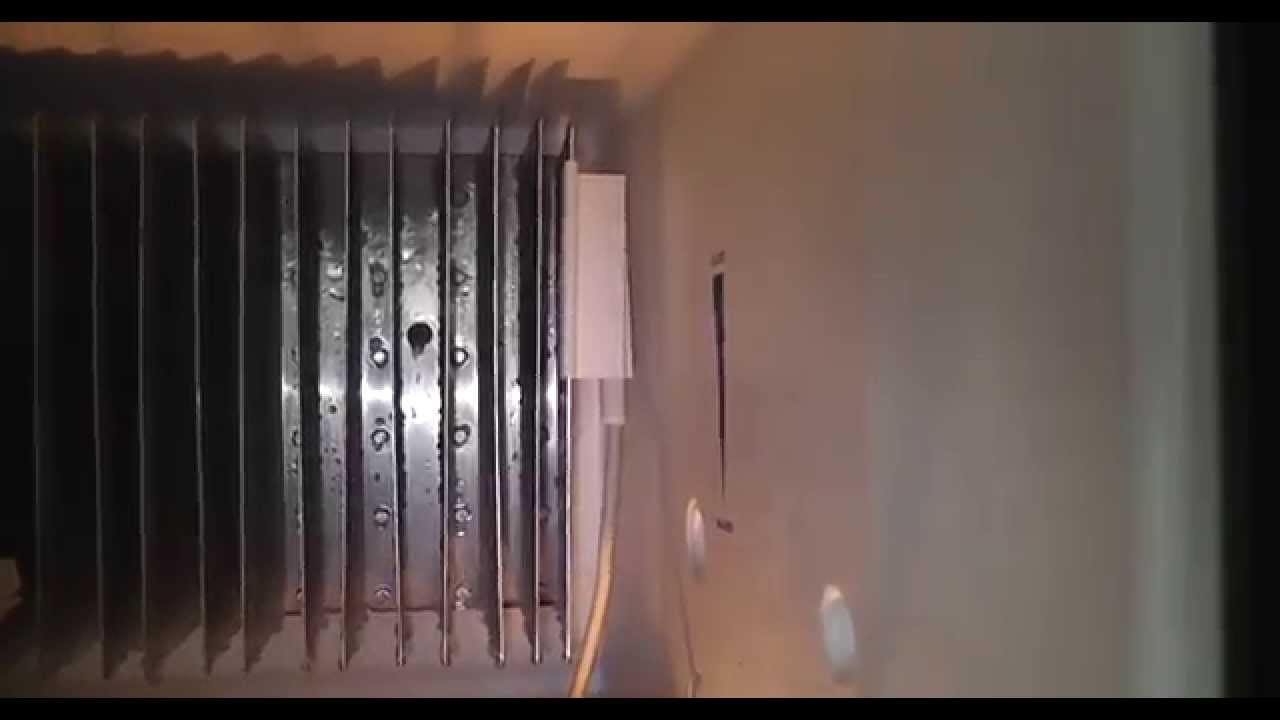
Image Source: i.ytimg.com
Why Your RV Fridge Gets Warm
RV fridges work differently than home fridges. They use heat to make things cold. This is called absorption cooling. A special liquid mix goes through tubes. Heat makes the liquid turn into a gas. This gas moves and cools things down. Then it turns back into liquid. This cycle keeps going.
If this cycle breaks, the fridge won’t cool. Many simple things can stop this cycle. Finding the problem is key to fixing it. This is part of RV refrigerator troubleshooting. We will look at common problems that affect RV fridge cooling performance.
Is Your RV Level?
This is a big one. Your RV fridge needs to be level. It does not need to be perfectly flat like a pool table. But it needs to be close. If your RV is tilted too much, the liquid inside the cooling unit can get stuck. It stops flowing right. When the liquid stops flowing, the cooling cycle stops. Your fridge will get warm.
Think of it like a Slinky toy going down stairs. If the stairs are too tilted or flat, the Slinky stops. The liquid in your fridge’s cooling unit is like that. It needs a slight flow helped by gravity.
- Check: Use a small level on a flat surface inside your RV. The floor or a counter works. See if the bubble is centered.
- Fix: Use leveling blocks or your RV’s leveling jacks. Make the RV as level as you can. It’s most important side-to-side. Front-to-back matters too, but side-to-side is key for the fridge.
Running your fridge for hours or days when it is not level can hurt the cooling unit. It can even break it for good. So, check your level first.
Check the Vents Outside
RV fridges have vents on the outside wall of your RV. Some have one high vent and one low vent. Some have a vent on the roof and one lower down. These vents let air move behind the fridge. This is very important for the fridge to work.
The fridge gets rid of heat through coils in the back. This heat needs to go somewhere. The vents let cool air come in the bottom. This air goes up behind the fridge. It takes the heat away and goes out the top vent. This airflow helps the fridge cool properly.
- Check: Find the fridge vents on the outside of your RV. Look inside the vents. Is there anything blocking the airflow? This could be leaves, bird nests, spiderwebs, or dirt. Sometimes, insulation can fall and block the path.
- Check: If you have a roof vent for the fridge, check that too. Be careful on the roof. Make sure nothing is covering the vent cap. Tree branches or dirt can block it.
- Fix: Clean out the vents. Use a soft brush, a small vacuum, or compressed air. Gently clear away anything blocking the path. Make sure the screen is clean too. This fixes RV fridge vent blockage.
Good airflow is a big part of good RV fridge cooling performance. If air cannot move, heat stays trapped. The fridge cannot cool down.
The Door Seal
The door seal is the rubber edge around the fridge door. Its job is to keep the cold air inside the fridge. It also keeps warm air out. If the seal is bad, cold air leaks out. Warm air gets in. The fridge has to work harder to stay cold. It might not be able to get cold enough.
- Check: Close the fridge door. Try to pull a piece of paper out from under the seal. If the paper pulls out easily, the seal is not tight there. Check all around the door.
- Check: Look at the seal closely. Is it cracked, torn, or bent? Does it look flat instead of puffy?
- Check: Feel around the edge of the door when the fridge is running. Can you feel cold air leaking out?
- Fix: Clean the seal. Use warm, soapy water. Dirt can make the seal not stick right.
- Fix: If the seal is bent, you can try to fix it with a hairdryer on a low setting. Warm the seal carefully. Mold it back into shape. Let it cool with the door closed.
- Fix: If the seal is broken or too old, you might need a new one. You can order a new RV fridge door seal for your fridge model. Replacing a seal can be a simple DIY job.
A good door seal saves energy and helps your fridge stay cold.
Look at Temperature Settings
RV fridges have temperature settings. These let you pick how cold you want the fridge to be. The setting is often a number, like 1 to 5 or 1 to 9. A higher number means colder. Sometimes the setting is Low to High. High means colder.
- Check: Find the temperature controls inside your fridge. Make sure it is set correctly. Is it on a low number or “Low”? This would make the fridge warmer.
- Check: Sometimes the setting is on the outside panel. Look there too.
- Fix: Turn the setting to a colder level. Try setting it to the middle first, like 3 or 5. Give it many hours to cool down. If needed, turn it to a higher number.
- Note: Setting it to the very coldest level all the time might not be best. It can cause ice buildup. This affects how well it works. Find a setting that keeps food cold without too much ice.
Checking RV fridge temperature settings is a quick and easy step. Don’t forget it.
The Cooling Unit
The cooling unit is the heart of your absorption fridge. It is a system of tubes and tanks. Inside is a mix of water, ammonia, and hydrogen gas. This mix goes through a cycle of heating and cooling. This cycle creates the cold inside the fridge.
If the cooling unit is broken, the fridge will not cool. This is often the most serious problem. Signs of a bad cooling unit include:
- Yellow powder or liquid leaks behind the fridge. This is dried or leaking coolant. It looks like sulfur. It smells bad, like ammonia.
- The back of the fridge (the coils and tubes) gets very hot, but the inside stays warm.
- Bulges or strange shapes on the tubes.
-
The fridge stops cooling suddenly and won’t start again.
-
Check: Open the outside access panel for the fridge. Look closely at the metal tubes and tank area. Do you see any yellow stains or wet spots? Do the tubes look normal?
- Fix: If your RV fridge cooling unit is leaking or looks damaged, it usually cannot be fixed easily. These units are sealed. If it fails, the unit needs to be replaced. This is a big job. Sometimes it is cheaper to buy a new fridge.
Checking the cooling unit is a key part of RV refrigerator troubleshooting for serious issues.
Making It Colder: Simple Steps You Can Take
Now let’s look at how to make your fridge colder using simple actions. These steps can boost RV fridge cooling performance.
Clean the Vents Well
We talked about checking for blockages. Now, let’s clean them properly. Good air flow is key.
- Turn off the fridge: Safety first. Turn off the fridge and disconnect shore power or turn off gas.
- Open the outside vents: Remove the covers. They usually have screws or clips.
- Look inside: Use a light to see up and down behind the fridge.
- Remove big stuff: Pull out leaves, nests, or trash by hand.
- Brush: Use a long brush (like a chimney brush or a special vent brush) to clean the sides of the space. Brush from the bottom vent up to the top vent. Brush from the top vent down. This knocks loose dirt and spiderwebs.
- Vacuum: Use a vacuum cleaner with a hose to suck up the dirt you brushed down. Clean the screens on the vents too.
- Check the roof vent: If you have one, carefully get on the roof. Check the cap. Is it clear? Clean any dirt or leaves. Make sure bugs haven’t built nests under the cap.
- Check internal baffles: Some fridge setups have metal or foam pieces inside the vent area. These are called baffles. They help air flow the right way. Make sure they are in place and not blocking things. Don’t remove them unless a repair manual says so.
- Put covers back: When clean, put the vent covers back on tightly.
This cleaning step directly helps fight RV fridge vent blockage. It lets warm air escape and cool air enter.
Fix the Door Seal
A bad door seal means wasted energy and warm food. Let’s make sure yours is sealing right.
- Clean the seal: Wash the rubber seal with warm water and a little dish soap. Rinse it well. Dry it softly. Clean the part of the fridge the seal touches too.
- Check for damage: Look closely for cracks, tears, or hard spots.
- Test the seal: Use the paper test all around the door.
- Try the dollar bill test: Close the door on a dollar bill. If you can pull it out easily, the seal is bad in that spot. Check many spots.
- Reshape a bent seal: If a part is just bent, not broken, you can try warming it. Use a hairdryer on low heat. Hold it a few inches from the seal. Warm a small section until it is soft. Gently shape it with your fingers. Close the door right away and keep it closed for a few hours. You can use painter’s tape to hold the door tight against the seal as it cools.
- If it’s broken: If the seal is torn or hard, it must be replaced. Find your fridge model number. Order a new RV fridge door seal that fits. Follow the instructions to replace it. Some seals push into a groove. Some are glued.
A good RV fridge door seal keeps cold air in. This helps the fridge cool down faster and stay cold.
Set the Right Temperature
We talked about finding the controls. Now let’s use them well.
- Start in the middle: When you first turn on the fridge, set the temperature to a middle number (like 3 or 4 on a scale of 1-5, or 5-7 on a scale of 1-9).
- Let it cool empty: Let the fridge run empty for at least 6-8 hours, or even 24 hours, before putting food in. RV absorption fridges take a long time to cool down.
- Check temperature: Use a thermometer inside the fridge. It should get below 40°F (4°C) for food safety. The freezer should be 0°F (-18°C) or lower.
- Adjust slowly: If it’s not cold enough after 24 hours, turn the setting up one step (e.g., from 4 to 5). Wait several hours again. Check the temperature. Keep doing this until the temperature is right.
- Don’t overload: Putting in too much warm food at once will make the fridge warm up. It takes a long time to cool everything down again. Load it slowly if you have a lot of warm food.
- Use a fan: An internal fan (more on this next) helps spread cold air. This helps get things cold faster and keeps temperature steady.
Adjusting RV fridge temperature settings is simple but takes patience with an RV fridge.
Add a Fan Inside
Air moves slowly inside an RV fridge. Cold air sinks. Warm air from food rises. This can cause warm and cold spots. A small fan inside the fridge helps move the air around. This makes the temperature more even. It helps the fridge cool food faster.
- What kind of fan? You can buy small battery-powered fans made for RV fridges. Some run on AA or D batteries. Some are rechargeable.
- Where to put it? Place the fan on a shelf inside the fridge. Point it up or sideways to move air around the shelves.
- Benefits:
- More even temperature inside.
- Food cools faster.
- Helps reduce ice buildup on the cooling fins.
This is a simple, cheap upgrade that boosts RV fridge cooling performance.
Think About an RV Fridge Fan Kit
Remember the vents outside? Airflow behind the fridge is super important. In hot weather, or if your vents don’t have good natural airflow, you can add fans there too. This is an RV fridge fan kit.
- What it is: An RV fridge fan kit usually has one or more small fans you put behind the fridge near the coils. They push or pull air through the vent area.
- How it helps: These fans force air to move over the hot parts of the cooling unit. This carries heat away more quickly. This makes the cooling cycle work better.
- Types: Some kits turn on with a switch. Some have a temperature sensor. They turn on automatically when it gets hot behind the fridge.
- Where to put them:
- Near the bottom vent, pushing air up.
- Near the top vent, pulling hot air out.
- Right on the cooling fins to blow air over them.
- Installation: You install these fans behind the fridge, in the vent area. They need power, often from the fridge’s 12V power supply. If you are not sure about wiring, get help from someone who knows.
An RV fridge fan kit can make a big difference, especially in hot weather or in RVs where the fridge vent design is not great (like slides). It directly improves the air flow needed for the cooling unit to work.
Check the Temperature Sensor
Your fridge uses a temperature sensor to know how cold it is inside. This sensor tells the fridge when to cool and when to stop. If the sensor is not in the right place or is faulty, the fridge might not cool correctly.
- Where it is: The temperature sensor is usually a small plastic piece clipped onto one of the cooling fins inside the fridge. It might look like a small slide or clip.
- Check placement: Make sure the sensor is clipped firmly onto a fin. It should be on a fin towards the top or middle. It should not be touching food or walls. Its position affects how cold the fridge gets. Moving it lower down on the fin (towards the bottom) can make the fridge run colder. Moving it higher up can make it run warmer.
- Check if it’s working: This is harder without special tools. But if the fridge runs all the time and gets too cold (freezing everything), the sensor might think it’s warmer than it is. If the fridge never runs or doesn’t get cold, the sensor might think it’s colder than it is.
- Fix placement: If it has fallen off, clip it back onto a fin. Experiment with moving it slightly up or down the fin to fine-tune the temperature. Move it just a little bit at a time.
- If it’s bad: If you suspect the sensor is broken, it might need to be replaced. This is usually a simple part to swap out once you have the right one for your fridge model.
The RV fridge temperature sensor plays a key role in regulating the temperature. Making sure it’s in the right spot is important.
Keeping Your RV Fridge Working Well
Regular care helps prevent problems. This is RV fridge maintenance. Doing a little work now can save you big problems later.
Regular Maintenance Steps
Keeping your fridge clean and checked helps it run better and last longer.
- Clean inside: Wipe down spills right away. Clean the inside walls and shelves often with a mild cleaner or baking soda and water. This stops bad smells and keeps things hygienic.
- Clean the door seal: As mentioned, keep the door seal clean. This helps it seal properly.
- Clean the outside vents: Check and clean the vents regularly. Once or twice a year, or after traveling dusty roads. This fights RV fridge vent blockage.
- Vacuum behind the fridge: If you are comfortable removing the outside panel, vacuum any dust or cobwebs from the coils and burner area (if it’s a gas/electric fridge). Be careful around the burner parts.
- Check the burner (Gas fridges): If your fridge runs on gas, the burner can get dirty. A dirty burner does not make enough heat. This stops the cooling cycle. The flame should be mostly blue. If it’s yellow or orange, it’s dirty. You can clean it with compressed air or a soft brush. Be very careful. If you are not sure, have a professional do this.
- Check the flue: The flue is a chimney above the burner. It helps move heat up. It can get blocked by rust flakes or soot. This also stops the fridge from cooling. You can often clean it from the top vent with a special brush. Again, be careful or get help.
- Check electrical connections: Make sure the wires are connected firmly. (Turn off power first!). Loose connections can cause problems.
Doing these maintenance tasks improves RV fridge cooling performance and helps avoid future RV refrigerator troubleshooting.
Load It Right
How you put food in the fridge affects how well it cools.
- Cool food before loading: Put food that is already cold into the fridge. Putting in a lot of warm food makes the fridge work very hard. It might not be able to cool everything down fast enough.
- Don’t pack it too full: Air needs to move inside the fridge. Don’t jam food in tightly. Leave space for air to flow around items. This helps the cold air reach everything. Using an internal fan helps with this too.
- Cover liquids: Liquids can add moisture to the fridge air. This can cause more frost buildup. Cover drinks and other liquids.
Loading smart helps the fridge cool efficiently.
Defrost When Needed
RV fridges can build up frost, especially on the cooling fins. Too much frost acts like a blanket. It stops the fins from getting cold and cooling the air.
- Signs you need to defrost:
- Thick frost buildup on the cooling fins.
- The fridge does not seem as cold as it should be, even on a cold setting.
- How to defrost:
- Turn the fridge off (electric and gas).
- Empty the fridge of all food. Put it in a cooler.
- Leave the fridge and freezer doors open. Put towels inside to catch melting water.
- Let the frost melt naturally. This can take a few hours.
- You can speed it up with a fan blowing into the fridge. Never use a knife or sharp object to chip ice! You can damage the cooling fins or even poke a hole in the cooling unit.
- Once all the ice is melted, dry the inside completely.
- Close the doors and turn the fridge back on. Let it cool down before putting food back in.
Defrosting is a key part of RV fridge maintenance. It makes sure the cooling fins can do their job well.
When to Get Help
You have checked the level. You cleaned the vents. The door seal is good. The settings are right. You even added a fan. But the fridge is still warm. Or you see signs of a bad cooling unit (like yellow powder).
- Signs of Big Trouble:
- Yellow powder or strong ammonia smell behind the fridge. This means the cooling unit is leaking.
- The back coils are very hot, but the inside is not cold at all.
- You hear strange gurgling noises that don’t stop.
- The fridge works on electric but not gas, or vice-versa, and you can’t find a simple reason (like a dirty burner).
- You have done all the basic troubleshooting steps and nothing helps.
If you see these signs, especially the yellow stuff or strong smell, turn the fridge off right away. It is not safe to use if the cooling unit is leaking.
At this point, you likely need help from a professional RV repair person. They can check the RV fridge cooling unit and other complex parts. They can tell you if it needs a big repair or if it’s time for a new fridge. Getting professional help is part of knowing when RV refrigerator troubleshooting is beyond simple fixes.
Putting It All Together
Making your RV fridge colder often comes down to a few simple things:
- Level: Is the RV level? This is number one.
- Airflow: Are the outside vents clean and open? Is air moving behind the fridge?
- Seal: Is the door seal tight?
- Settings: Is the temperature setting high enough?
- Loading: Is food loaded correctly? Is there too much warm food?
- Maintenance: Is it clean? Does it need defrosting?
By checking these things, you solve most warm RV fridge problems. Adding an internal fan or an RV fridge fan kit can help boost performance. Keeping up with RV fridge maintenance helps prevent issues. Knowing when to call a pro for RV refrigerator troubleshooting on the cooling unit or other parts is also smart.
Your RV fridge is important for enjoying your trips. A warm fridge is no fun. By following these steps, you can get your fridge cold again and keep your food safe.
Common Questions (FAQ)
How long does an RV fridge take to get cold?
An RV absorption fridge takes a long time to cool down. It needs about 6-8 hours to get mostly cold. It can take 12-24 hours or even longer to reach its coldest temperature, especially on a warm day or if you just turned it on. Don’t put warm food in too soon.
Should my RV be perfectly level for the fridge?
No, not perfectly. It needs to be reasonably level, though. Most RV fridge makers say you need to be level enough that it feels comfortable to walk around inside. If you feel like you are walking uphill or downhill, it is probably too out of level for the fridge. A small level inside is the best check. Side-to-side level is usually more important than front-to-back.
Can I use my RV fridge on propane while driving?
Many RVers do this. The gas flame is protected inside a metal box. However, some places have rules against it (like tunnels or gas stations). Check local laws. Also, strong winds while driving can sometimes affect the flame. If you stop for a long time, make sure the RV is level. Running the fridge on 12V power while driving (if your RV has this feature) is often a safer option if you can’t use gas.
Why does my RV fridge work better on electric than on gas, or vice versa?
This points to an issue with the part that makes heat. If it works well on electric but not gas, the gas burner or gas supply might be the problem. If it works well on gas but not electric, the electric heating element is likely bad. This requires specific RV refrigerator troubleshooting for the heating source.
Is it okay to run my RV fridge constantly?
Yes, these fridges are made to run all the time when you are using your RV. Running it helps keep the cooling unit chemicals mixed properly. If you store your RV for a long time, it is best to turn it off, empty, clean, and dry the fridge, and prop the doors open to prevent smells and mold.
What temperature should my RV fridge be?
For food safety, the fridge part should be at or below 40°F (4°C). The freezer part should be at or below 0°F (-18°C). Use a thermometer inside to check. Adjust your RV fridge temperature settings to reach these numbers.
Can hot weather affect my RV fridge?
Yes, very much. Absorption fridges work by moving heat. When it’s very hot outside, it is harder for the fridge to get rid of heat through the vents. This makes it less efficient. Good airflow from clean vents and maybe adding an RV fridge fan kit is extra important in hot weather. Parking with the fridge side in the shade can also help.
My fridge works, but the freezer is cold and the fridge is warm. What’s wrong?
This can sometimes happen if the cooling fins in the fridge section are heavily frosted. The cooling happens in the freezer section first, then moves to the fridge. If air cannot flow past frosted fins, the fridge section won’t cool. Defrosting (part of RV fridge maintenance) can fix this. Also, check that the internal air vent between the freezer and fridge is not blocked (if your model has one).