
Image Source: www.acremation.com
Degrees Fahrenheit: How Hot Is The Cremation Oven?
How hot is a cremation oven? These ovens get very hot. They reach temperatures between 1,400 and 1,800 degrees Fahrenheit (about 760 to 980 degrees Celsius). This high heat is needed to turn a human body into bone fragments and ash. This article will look closely at the temperatures used in cremation. We will explore why these temperatures are necessary and how the process works inside the crematory furnace. Knowing the cremation temperature range helps us comprehend this part of the process.
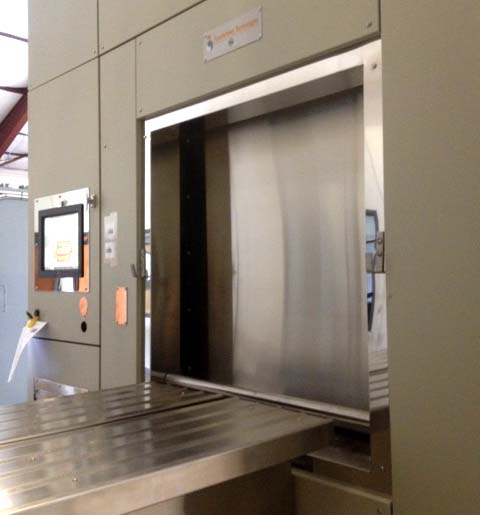
Inside the Cremation Oven: A Look at the Retort
The special oven used for cremation has a name. It is called a retort. Think of it as a very strong, insulated room built to handle extreme heat. Inside the retort, a body is gently placed in a container. The retort then heats up to a very high level. This heating happens in a controlled way.
Most retorts have two main parts. The first part holds the body. This is the main chamber or primary chamber. Here, the most intense heat works on the body. The second part is for cleaning the air. This is called the secondary chamber or afterburner. It is also very hot. The hot gases from the main chamber flow into this second part. This helps make sure the air released is clean.
The crematory furnace temperature refers to the heat levels in both these areas. Both chambers must work at specific high temperatures for the process to be safe and complete.
The Heat Numbers: What Temperatures Are Used?
Getting the right temperature is key in cremation. It ensures the process happens correctly and efficiently. There isn’t just one exact temperature. There is a cremation temperature range.
- The main chamber, where the body is placed, usually operates between 1,400°F and 1,800°F (760°C to 980°C).
- The secondary chamber, the afterburner, is often even hotter. It works to burn off any smoke or particles left from the main chamber. The
afterburner temperaturetypically stays above 1,500°F (815°C), but can often reach 1,800°F or even higher (up to 1000°C or more).
The average cremation temperature falls within this 1,400°F to 1,800°F range for the main chamber. The temperature needed for cremation is specific. It needs to be hot enough to cause a process called oxidation. This is like controlled burning at a very high heat.
Let’s look at these temperatures in a simple table.
| Chamber Type | Usual Temperature Range (Fahrenheit) | Usual Temperature Range (Celsius) | Purpose |
|---|---|---|---|
| Main Chamber | 1,400°F to 1,800°F | 760°C to 980°C | Reduces body to bone fragments |
| Secondary Chamber | 1,500°F to 1,800°F+ | 815°C to 1000°C+ | Cleans gases and air before release |
The retort temperature is simply the temperature inside the main part of the oven. The operating temperature crematory refers to the temperatures throughout the whole system, including both chambers.
Grasping Why Temperature Needs to Be So High
Why do we need temperatures hot enough to melt some metals? The high heat serves several vital purposes in the cremation process temperature.
- Turning Tissue into Gas: The human body is mostly water and soft tissue. High heat makes the water turn into steam very quickly. It also causes the soft tissues to break down into gases. This is a process called oxidation, like rapid burning.
- Breaking Down Bone Structure: While bone doesn’t melt or vaporize at these temperatures, the heat makes it very fragile. The heat breaks down the organic parts of the bone matrix. This leaves behind the mineral structure, which is much easier to process later into small particles.
- Speed and Efficiency: Higher temperatures speed up the chemical reactions. This means the
cremation process temperaturehelps the process happen faster. If the temperature were much lower, it would take a very long time, or the process might not finish correctly. - Sanitation: The extreme heat kills any germs or harmful substances very effectively. This makes the remains and the process hygienic and safe.
- Preparing for Clean Air: The heat in the main chamber starts the breakdown. But some particles and gases remain. These move to the afterburner. The even higher heat in the afterburner makes sure these are fully burned away. This step is crucial for air quality and meeting environmental rules.
So, the temperature required for cremation is not just a random hot number. It is a carefully chosen range based on the science of how heat affects human tissue and bone, balanced with the need for speed, safety, and environmental care.
Deciphering How Long Cremation Takes
How long does cremation take? The actual time spent inside the hot retort varies. It usually takes between 1.5 and 3 hours. Sometimes, for larger individuals or certain types of containers, it might take a bit longer.
The cremation process temperature directly affects the time. If the oven runs at the lower end of the 1,400°F to 1,800°F range, the process might take closer to 3 hours. If it runs efficiently at the higher end, it could be closer to 1.5 or 2 hours.
Several things influence how long cremation takes:
- Body Size: A larger body has more mass to process, requiring more energy and time.
- Container Type: The material of the casket or container holding the body affects how it burns and releases energy. Wood or cardboard containers burn quickly.
- Cremator Model: Different ovens have different heating power and design features that affect speed.
- Starting Temperature: If the oven is already hot from a previous cremation, the next one might start and finish faster.
Operators manage the cremation process temperature and air flow to make sure the cremation is complete within a reasonable time. They balance efficiency with careful operation.
Controlling the Heat: Keeping the Oven Just Right
Cremation ovens don’t just get hot; they stay hot in a controlled way. Maintaining the correct operating temperature crematory is important for safety and a good result.
Modern cremators use advanced systems to control the heat.
- Temperature Sensors: Special tools called thermocouples are placed inside the chambers. These tools can handle very high heat and send constant readings of the temperature.
- Computer Systems: Computers get the information from the sensors. They adjust the amount of fuel (like natural gas or propane) going into the burners. They also control the flow of air. More fuel means more heat. More air can also affect how things burn.
- Operator Monitoring: Trained crematory operators watch the process closely. They look at the temperature readings and other data on screens. They can make adjustments if needed, staying within the safe and effective
cremation temperature range. - Automated Cycles: Many ovens have programmed cycles. These cycles slowly raise the temperature, hold it steady in the
temperature required for cremationrange, and then begin to cool down.
This careful control ensures the oven doesn’t get too hot (which could damage the equipment) or too cool (which would make the process slow or incomplete). It keeps the crematory furnace temperature stable.
Interpreting What is Left After the Heat
What remains after the body goes through temperatures up to 1,800°F? It is not ash as we typically think of it from wood fires.
The intense heat removes all water, soft tissues, and organs. These turn into gases and some fine particles, which are handled by the afterburner. What is left are dry bone fragments. These fragments are porous and brittle due to the heat.
After the cremation, these bone fragments are carefully removed from the retort. They are cooled down. Then, a special machine called a cremulator processes them into a fine, sand-like substance. This is what is returned to the family in an urn. The color can vary (often white, gray, or tan) depending on the person’s bone density and the cremation temperature used within the cremation temperature range.
Any metal items, like surgical implants (hip replacements, rods, screws), usually do not melt at these temperatures. They are removed from the bone fragments before processing.
Safety First: The Importance of the Afterburner
Safety and care for the environment are big parts of the cremation process. This is where the afterburner temperature plays a critical role.
When the body breaks down in the main chamber, it creates gases and some smoke or fine particles. Releasing these directly into the air would be harmful and against rules.
The afterburner is designed to burn these gases and particles fully.
- The gases from the main chamber move into the afterburner.
- The afterburner is kept at a very high temperature, usually above 1,500°F. Sometimes it is hotter than the main chamber itself.
- This intense heat in the secondary chamber causes the unburned gases and particles to catch fire and be destroyed.
- This process is called secondary combustion. It cleans the air stream.
Think of it like having a second, super-hot furnace that burns up anything harmful that escaped the first one. This ensures that the air leaving the crematory stack is clean and meets strict air quality standards set by government agencies. The operating temperature crematory includes this vital high heat in the afterburner. This step is just as important as the main retort temperature.
Factors That Change the Process
While the cremation temperature range stays within set limits, various things can make the process slightly different for each person. These factors affect how long it takes and how the oven needs to be controlled.
- Body Weight and Composition: A heavier person requires more energy to process. More fatty tissue burns differently than muscle or bone. The operator may adjust air flow or time slightly.
- Type of Container: Simple cardboard or fiberboard containers burn away quickly. Solid wood caskets take longer and add fuel to the process. Some materials are not allowed because they create harmful emissions or melt in a way that damages the oven.
- Medical Implants: Metal implants like hip joints or screws often survive the heat. Pacemakers must be removed before cremation because their batteries can explode at high temperatures, which is a safety risk.
- Cremator Design: Newer cremators are often more fuel-efficient and may complete the process faster than older models, while still staying within the required
crematory furnace temperaturerange. - Desired Outcome: While the goal is always bone fragments, the operator’s skill and the specific
cremation process temperatureprofile used can affect the final appearance and color of the processed remains.
Operators are trained to handle these differences. They use their knowledge and the oven’s control systems to maintain the correct temperature required for cremation and ensure a complete process every time.
Fathoming the Technology Behind the Heat
The ovens used for cremation are pieces of serious engineering. They are built to handle constant use at extreme temperatures.
- Materials: The inside of the retort is lined with special heat-resistant bricks and materials called refractories. These materials can stand up to the high temperatures for many years. They also help hold the heat in, making the oven more efficient.
- Burners: Powerful burners, often fueled by natural gas or propane, create the high heat. These burners are designed to distribute heat evenly inside the chamber.
- Air Flow: Controlling the air entering the chamber is as important as controlling the fuel. Proper air flow helps the oxidation process happen efficiently and moves gases to the afterburner. Too little air means incomplete burning. Too much air can cool the chamber or cause problems.
- Insulation: Thick layers of insulation around the refractory lining keep the heat inside the oven. This saves energy and keeps the outside surfaces at a safer temperature.
The combination of strong materials, powerful burners, and smart controls allows the crematory to consistently reach and maintain the needed cremation temperature range.
Summing Up the Heat Story
So, how hot is a cremation oven? The answer is: very hot. Temperatures in the main chamber typically range from 1,400°F to 1,800°F. The secondary chamber, the afterburner, is often even hotter, staying above 1,500°F to clean the air.
This high cremation temperature range is essential. It quickly and cleanly reduces the body to bone fragments. It ensures the process is sanitary. And when combined with the high afterburner temperature, it protects the environment by cleaning the air released from the stack.
The operating temperature crematory is carefully watched and controlled by trained operators and automated systems. Factors like body size and container type affect how long cremation takes, but the core cremation process temperature stays within strict limits.
Knowing about the temperature required for cremation helps us understand the science and care that goes into this process.
Frequently Asked Questions About Cremation Temperature
H4 What is the typical heat inside a cremation oven?
H5
The main part of the oven gets very hot, usually between 1,400 and 1,800 degrees Fahrenheit (760-980°C).
H4 Does the temperature change during the process?
H5
Yes, the temperature is carefully controlled. It rises to the target range and is held there. The exact profile might adjust slightly based on what is happening inside, but it stays within the needed cremation temperature range.
H4 Is the afterburner hotter than the main chamber?
H5
Often, yes. The afterburner temperature is typically kept above 1,500°F (815°C) and can be hotter than the main chamber. This extra heat is needed to burn away any remaining gases and particles.
H4 Why does it need to be so hot?
H5
The high temperature required for cremation is needed to quickly and fully break down soft tissues through oxidation and make the bone structure fragile. This makes the process efficient, sanitary, and helps clean the air before it leaves the stack.
H4 How long does the cremation take at these temperatures?
H5
At these high temperatures, the actual cremation process inside the oven usually takes between 1.5 and 3 hours. The total time at the crematory is longer, including cooling and processing the remains. How long cremation takes depends partly on the oven temperature used within the range.
H4 What happens if the oven isn’t hot enough?
H5
If the crematory furnace temperature is too low, the process would be very slow or incomplete. It might not fully reduce the tissues or break down the bone structure properly. It also wouldn’t be as effective at sanitizing or preparing gases for the afterburner.
H4 Can the oven get too hot?
H5
Yes, getting too hot is also bad. Temperatures far above the operating temperature crematory limits could damage the heat-resistant lining of the oven. Modern systems have controls to prevent this.
H4 What is the retort temperature?
H5
The retort temperature is the temperature inside the main chamber of the cremation oven where the body is placed. This is the primary heat zone.
H4 Is the cremation process temperature the same for everyone?
H5
The cremation temperature range is the same, but the exact temperature used within that range and how long it is held can be slightly adjusted by the operator based on factors like the person’s size or the type of container. The overall process stays within standard temperature limits.