
Image Source: wg.scene7.com
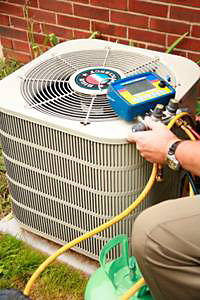
How Long Does Freon Last In An Air Conditioner – Truth
Here is the simple truth about how long Freon lasts in an air conditioner: Freon (or more accurately, refrigerant) does not get used up or expire. In a properly working air conditioner, the refrigerant stays inside the system forever. It cycles back and forth, changing from liquid to gas and back again, moving heat out of your home. This means refrigerant is not consumed like fuel or oil. If your AC is low on refrigerant, it means there is a leak somewhere in the system.
Fathoming Refrigerant’s Role in Your AC
Think of your air conditioner like a closed-loop system. The refrigerant lives inside copper tubes and coils. This system is sealed tight. Its job is to soak up heat from inside your house and move it outside.
The refrigerant changes form as it travels.
* Inside your house, it grabs heat and turns into a cool gas.
* It moves to the outside unit, where it gives off the heat.
* Giving off heat turns it back into a liquid.
* The liquid refrigerant then goes back inside to grab more heat.
This cycle repeats non-stop when your AC is running. The refrigerant doesn’t change chemically, and it doesn’t get used up in this process. It just keeps cycling, moving heat.
Deciphering the “Sealed System”
The key idea here is the sealed system. Your air conditioner’s cooling parts form a continuous loop of pipes and coils. These parts are made to be airtight. Think of it like the brake lines in your car or the pipes that carry water in your home. When there are no holes or cracks, the fluid stays inside.
In an air conditioner, the refrigerant is put into this sealed system when the unit is made or installed. If everything is sealed correctly, that same amount of refrigerant should stay in the system for the entire air conditioner lifespan. It should last as long as the AC unit itself.
Why People Ask “How Long Does Freon Last?”
The question “How long does Freon last?” comes up often because people notice their AC stops cooling well after some time. They might hear someone say the AC is “low on Freon.” This makes them think Freon runs out, like gas in a car.
But as we know, this isn’t how it works. If an air conditioner is low on refrigerant, it’s not because it was “used up.” It’s because the refrigerant has escaped the sealed system. It got out through a hole or crack.
The Real Issue: A Refrigerant Leak
When an air conditioner isn’t cooling like it should, the problem is often a refrigerant leak. This is the main reason why an AC might need more refrigerant added. Losing refrigerant is never normal. It always points to a problem with the sealed system.
Finding and fixing a refrigerant leak is crucial. Just adding more refrigerant without fixing the leak is a temporary fix. The new refrigerant will just leak out too. This is like putting air in a tire with a nail in it – the air will just escape again.
Grasping the Causes of Refrigerant Leaks
Leaks don’t just happen for no reason. They usually develop over time or because of some stress on the system. Here are common ways a refrigerant leak can start:
h4 Metal Fatigue and Corrosion
- What happens: The copper or aluminum pipes that carry the refrigerant can wear out. Metal can get tired and crack, especially where pipes bend or connect.
- Where it happens: Coils (inside and outside units) are common spots. Vibrations from the unit running can also cause weak spots.
- Why it matters: Small cracks let tiny amounts of refrigerant escape over time. This leads to losing refrigerant slowly.
h4 Formic Acid Corrosion (in indoor coils)
- What happens: Sometimes, certain chemicals in the air inside your home can react with the copper coils. This creates formic acid. This acid eats away at the copper, making very small holes.
- Where it happens: This is a common issue with the evaporator coil (the indoor coil).
- Why it matters: These “pinhole” leaks are hard to find but cause significant losing refrigerant.
h4 Physical Damage
- What happens: The refrigerant lines or outdoor unit coils can be damaged by things bumping into them. Lawn mowers, weed whackers, falling branches, or even pets can cause damage.
- Where it happens: Especially common for the outdoor unit’s fins and coils, or lines running between the indoor and outdoor units.
- Why it matters: Physical damage can cause sudden, large leaks, leading to fast losing refrigerant.
h4 Faulty Installation or Manufacturing Defects
- What happens: If the AC unit wasn’t installed perfectly, connections might not be tight enough. Sometimes, a unit might have a small defect from the factory.
- Where it happens: At connection points where pipes are joined, or within coils that were made incorrectly.
- Why it matters: These issues can cause leaks from day one or develop shortly after installation, leading to losing refrigerant early in the unit’s life.
h4 Wear and Tear on Valves and Seals
- What happens: AC systems have valves and seals that can wear out over many years of use. These parts are designed to keep the system sealed, but they can fail.
- Where it happens: Service ports (where technicians add or remove refrigerant), Schrader valves (like tire valves on cars), and connections near the compressor.
- Why it matters: Worn parts can develop slow leaks, causing gradual losing refrigerant.
Knowing the Signs of Low Refrigerant
When your AC system is losing refrigerant, it can’t cool your home well. You’ll start to notice problems. These are the low Freon symptoms (or low refrigerant symptoms):
h4 Common Low Refrigerant Symptoms
- Air isn’t Cold: The most obvious sign. The air coming from your vents isn’t as cold as it used to be, even if the AC is running constantly. This is a major AC cooling issue.
- System Runs Constantly: The AC tries harder and harder to cool the house. It runs for much longer periods without reaching the set temperature because it can’t move heat effectively. This also causes AC cooling issues.
- Ice Forms on Coils: This is a classic sign. When the refrigerant level is too low, the pressure drops, making the evaporator coil (the indoor coil) get too cold. Moisture from the air freezes on the coil. You might see ice on the pipes near the indoor unit or even on the coil itself.
- Hissing or Gurgling Sounds: Sometimes, you can hear sounds from the refrigerant moving through the system. A hissing sound might mean refrigerant is leaking out as a gas. A gurgling sound can mean the refrigerant level is very low, and gas and liquid are mixing unusually.
- Higher Electric Bills: Because the AC is running constantly and working harder, it uses more energy. This leads to higher utility costs. This is another effect of AC cooling issues caused by low refrigerant.
- Water Puddles: If the indoor coil freezes up, the ice will eventually melt when the system turns off or tries to defrost. This can cause water to overflow the drain pan and create puddles near your indoor unit.
If you notice any of these low Freon symptoms, it’s important to call for AC repair. Ignoring them can lead to bigger problems.
Why Losing Refrigerant Is Bad
Losing refrigerant is not just about not being cool. It causes real harm to your air conditioner.
h4 Damage to the Compressor
- Explanation: The compressor is like the heart of your AC system. It pumps the refrigerant. Refrigerant also carries oil that lubricates the compressor.
- Problem with Low Refrigerant: When the refrigerant level is low, not enough refrigerant (and oil) circulates. The compressor doesn’t get the lubrication it needs. It starts to overheat and wear down faster.
- Outcome: Running the AC with low refrigerant can cause the compressor to fail completely. Replacing a compressor is very expensive, often costing almost as much as a new AC unit. This is a major reason why AC repair is needed quickly.
h4 Reduced Efficiency
- Explanation: An AC system is designed to work with a specific amount of refrigerant. This amount is measured precisely when the unit is made.
- Problem with Low Refrigerant: If the refrigerant level is low, the system cannot transfer heat properly. It has to work much harder and run longer to try to cool your home.
- Outcome: The AC uses a lot more electricity for less cooling. This means higher energy bills and contributes to AC cooling issues.
h4 Environmental Harm
- Explanation: Refrigerants like Freon (which often refers to older types like R-22 or newer ones like R-410A) are potent greenhouse gases. They trap heat in the atmosphere if they escape.
- Problem with Losing Refrigerant: A refrigerant leak releases these harmful chemicals into the air.
- Outcome: This contributes to climate change. Environmental rules now control how refrigerants are used and require proper handling and leak repair.
h4 Discomfort and Inconvenience
- Explanation: Simply put, a system with low refrigerant won’t cool your home properly.
- Problem with Low Refrigerant: You are left with a warm, humid house during hot weather.
- Outcome: This leads to significant discomfort and frustration, especially when you rely on your AC for health and comfort.
Finding and Fixing the Leak: The AC Repair Process
If you suspect your AC is losing refrigerant because of low Freon symptoms or AC cooling issues, you need professional AC repair. A technician won’t just add more refrigerant. They must find and fix the leak first.
h4 Steps in AC Repair for Refrigerant Leaks
- Check System Performance: The technician will first check the air temperature coming from the vents and check system pressures (suction and liquid line pressures). Low pressure readings often point to a low refrigerant level.
- Visual Inspection: They will look over the indoor and outdoor units, checking for obvious signs of leaks like oil residue (refrigerant contains oil, and it leaves a trace where it leaks) or damaged parts.
- Using Leak Detection Tools: Finding small leaks requires special tools:
- Electronic Leak Detectors: These handheld devices sniff the air for traces of refrigerant. They beep faster or change pitch when they find a leak.
- UV Dye: A special fluorescent dye can be added to the refrigerant. It circulates with the refrigerant. If there’s a leak, the dye leaks out too. The technician then uses a UV light (black light) to make the dye glow bright yellow or green, showing the leak spot.
- Soap Bubbles: For larger suspected leaks, applying a soap and water solution to pipes and joints can work. If refrigerant is leaking, it will create bubbles in the soap mixture.
- Ultrasonic Leak Detectors: These tools listen for the high-frequency sound that refrigerant makes when it escapes under pressure.
- Finding the Leak Spot: The technician will carefully check all parts of the sealed system where leaks commonly occur: coils, joints, valves, and connections.
- Repairing the Leak: This is the critical step. The leak must be fixed. The repair method depends on where the leak is and how bad it is.
- Small holes in coils might sometimes be patched, though often coil replacement is needed.
- Leaking joints might need to be resoldered or refastened.
- Damaged service valves might need replacement.
- Sometimes, an entire coil or section of piping needs to be replaced if the damage is too widespread.
- Evacuating the System: After the repair, the system needs to be emptied of any air and moisture that got in. A vacuum pump is used to pull everything out, creating a deep vacuum. This is very important for the system to work right.
- Performing an AC Recharge: Only after the leak is fixed and the system is evacuated can new refrigerant be added. The technician will add the exact amount of refrigerant specified by the AC manufacturer. This is called an AC recharge. Adding too much or too little refrigerant can also cause problems.
- Testing: The technician will run the system and check pressures and temperatures again to make sure the repair worked and the refrigerant level is correct.
Comprehending “AC Recharge”
The term AC recharge is often misunderstood. People sometimes think it’s like filling up a car with gas or oil – something you do regularly as part of maintenance. This is wrong.
An AC recharge is only needed when:
1. The system was opened for repair (like replacing a part or fixing a leak).
2. The system had a leak that caused it to lose refrigerant.
If your AC is cooling well and doesn’t have a leak, it should never need an AC recharge. The refrigerant it came with should be sufficient for its entire working life.
Think of it this way: You only refill your car’s coolant if there’s a leak or you replace a part. You don’t add coolant just because a year has passed. Refrigerant in an AC is similar.
Performing an AC recharge without finding and fixing the leak is a waste of money and bad for the environment. The refrigerant will just leak out again. Plus, operating a system with low refrigerant damages the compressor, making future AC repair more likely and more expensive.
The Relationship Between Air Conditioner Lifespan and Refrigerant
The air conditioner lifespan is typically 10 to 15 years, sometimes longer with good care. How does refrigerant relate to this?
- Refrigerant Doesn’t Limit Lifespan (Directly): The refrigerant itself doesn’t wear out or reduce the lifespan.
- Leaks Shorten Lifespan: However, components that hold the refrigerant do wear out. As an AC system gets older, parts like coils, seals, and connections are more likely to develop corrosion, cracks, or wear. This increases the chance of a refrigerant leak.
- Compressor Failure: If a leak isn’t fixed quickly, running the system with low refrigerant can cause the compressor to fail. A failed compressor, especially on an older unit, often means it’s time to replace the entire air conditioner, effectively ending its air conditioner lifespan.
- Older Refrigerant Types: Older units might use refrigerants like R-22 (“Freon”), which are being phased out due to environmental impact. If an old R-22 system develops a leak, finding R-22 can be difficult and very expensive, sometimes making replacement the only practical option, even if the unit isn’t at the absolute end of its mechanical air conditioner lifespan.
So, while the refrigerant lasts forever in a sealed system, the integrity of that sealed system can degrade over the air conditioner lifespan, leading to leaks and related problems that do shorten the unit’s life.
Maintaining Your AC to Prevent Refrigerant Issues
While you can’t stop all leaks, good maintenance helps prevent many of the issues that lead to losing refrigerant. Regular check-ups can also catch small leaks early.
h4 Key Maintenance Steps
- Regular Professional Check-ups: Have a qualified technician inspect your system annually (or twice a year for heat pumps). They can check pressures, look for signs of leaks, and clean components. This helps maintain the correct refrigerant level.
- Clean or Replace Air Filters: Dirty filters make the system work harder and can cause the indoor coil to freeze, which puts stress on the system and can contribute to leaks over time.
- Keep Outdoor Unit Clean: Clear away debris, leaves, and grass clippings from around the outdoor unit. Trim plants back. This ensures good airflow and prevents physical damage that could cause a refrigerant leak. Clean the fins gently if they are dirty.
- Keep Indoor Unit Area Clear: Make sure vents are not blocked. Don’t store chemicals or solvents near the indoor unit, as fumes can contribute to coil corrosion.
- Fix Problems Early: If you notice any AC cooling issues or low Freon symptoms, call for AC repair quickly. Addressing problems when they are small is cheaper and prevents damage.
Why You Need a Professional for Refrigerant Issues
Working with refrigerants requires specific knowledge, tools, and certification. It is not a DIY job.
h4 Reasons to Call a Pro
- Finding Leaks: Locating small leaks requires special electronic tools, dyes, and expertise.
- Proper Repair: Fixing a leak requires welding, soldering, or replacing specific parts and ensuring connections are perfectly sealed. This needs training.
- System Evacuation: Removing all air and moisture from the system after a repair is critical. This requires a vacuum pump and knowledge of how to use it correctly.
- Accurate AC Recharge: Adding the correct amount of refrigerant by weight is essential. Too much or too little harms the system. This requires scales and knowledge of the specific unit’s needs and refrigerant level.
- Handling Refrigerant Safely: Refrigerants are chemicals that require careful handling. It’s illegal to knowingly release refrigerants into the atmosphere. Technicians have the tools to recover refrigerant properly.
- Legal Requirements: Handling refrigerants requires EPA certification in many places due to environmental rules.
Attempting to handle refrigerant yourself can lead to injury, damage to your AC, environmental harm, and legal penalties. Always call a qualified HVAC technician for any issues related to losing refrigerant or needing an AC recharge.
Putting It All Together: The Truth About Refrigerant Life
Let’s recap the key points about how long does Freon last in an air conditioner:
- Refrigerant in an AC is designed to last forever in a properly sealed system.
- It doesn’t get used up or consumed during the cooling process.
- If an AC is low on refrigerant, it means there is a refrigerant leak.
- Leaks can happen due to wear, corrosion, physical damage, or faulty installation over the air conditioner lifespan.
- Low Freon symptoms like poor cooling, ice buildup, and constant running indicate a leak.
- Ignoring a leak and operating with low refrigerant damages the compressor and wastes energy, worsening AC cooling issues.
- An AC repair for a refrigerant leak involves finding the leak, fixing it, and then performing an AC recharge to restore the correct refrigerant level.
- An AC recharge is not routine maintenance; it’s a repair procedure.
- Proper maintenance helps reduce the risk of leaks and extends the air conditioner lifespan.
- Only qualified professionals should handle refrigerants and perform AC repair involving leaks or recharges.
Understanding that losing refrigerant always points to a leak is the most important takeaway. It shifts the focus from simply adding more chemical to addressing a mechanical problem with the sealed system.
Table: Signs You Might Be Losing Refrigerant
| Symptom | What You Might See or Hear | Why it Happens | What It Means for Your AC |
|---|---|---|---|
| Warm Air from Vents | Air feels cool, but not cold, or just blows around warm air. | System cannot move heat effectively with low refrigerant. | Major AC cooling issue. System is struggling. |
| AC Runs Constantly | Unit never seems to turn off or runs for very long cycles. | Tries harder and longer to reach set temperature but can’t remove enough heat. | Wastes energy, stresses components. |
| Ice on Indoor Coil/Pipes | Frost or ice builds up on the large pipe or the indoor unit. | Low refrigerant pressure causes parts to get too cold, freezing moisture. | Can restrict airflow, lead to water damage, point to low refrigerant level. |
| Hissing or Gurgling Sounds | Unusual noises from refrigerant lines or coils. | Sounds of refrigerant escaping (hiss) or improperly mixing (gurgle). | Strong indicator of a refrigerant leak. |
| High Electric Bills | Utility bills jump without increased usage of other appliances. | System uses more power running longer and less efficiently. | Sign of reduced efficiency caused by losing refrigerant. |
| Water Puddles Near Furnace | Water collecting around the indoor unit (furnace/air handler). | Ice on the coil melts and overflows the drain pan. | Consequence of coil freezing due to low refrigerant. |
These signs mean you likely have a refrigerant leak and need AC repair.
Frequently Asked Questions (FAQ)
h5 Can I just add Freon myself if my AC isn’t cooling well?
No, you should not. If your AC is low on refrigerant, it has a leak. You need special tools and knowledge to find and fix the leak properly. Simply adding refrigerant without fixing the leak is a temporary fix and illegal if you release refrigerant into the air. It also won’t solve your AC cooling issues for long and can damage your unit. Call a professional for AC repair.
h5 Is refrigerant harmful?
Yes, refrigerants are powerful greenhouse gases that contribute to climate change if released into the atmosphere. They also displace oxygen and can be dangerous if inhaled in large amounts. They must be handled carefully by certified technicians who can recover them properly.
h5 How often should my AC refrigerant level be checked?
Your refrigerant level doesn’t need to be checked on a schedule like changing air filters. It should only be checked by a professional if you suspect there’s a problem, such as low Freon symptoms or poor cooling performance. During a routine maintenance check, a technician will usually check pressures, which can indicate if the level is low without needing to open the sealed system.
h5 Does my AC use more electricity if the refrigerant is low?
Yes. If your AC is losing refrigerant, it cannot cool your home effectively. The compressor will run longer and work harder to try to reach the temperature you set. This uses significantly more electricity and results in higher energy bills. It’s a common sign of AC cooling issues due to a leak.
h5 My AC unit is old. Is it more likely to leak refrigerant?
Yes, older air conditioners are generally more likely to develop leaks. Over the air conditioner lifespan, components like coils, seals, and pipes experience wear and tear, corrosion, and metal fatigue. These factors increase the risk of a refrigerant leak.
h5 If my AC needs an AC recharge, does that mean it needs to be replaced?
Not necessarily. If the leak is small and fixable, and the unit is not too old, repairing the leak and performing an AC recharge might be a good solution. However, if the leak is in a major component like a coil, or if the unit is very old and other parts are wearing out, replacing the unit might be more cost-effective in the long run compared to repeated AC repair. A technician can help you make this decision based on the unit’s condition and the repair cost.
h5 Can a refrigerant leak make me sick?
Large leaks in enclosed spaces are dangerous because refrigerants can reduce oxygen levels and cause suffocation. Inhaling concentrated refrigerant vapor can also cause dizziness, nausea, and even heart problems. Small leaks in an outdoor unit or typical home environment are less likely to cause immediate health issues, but the main danger is to the environment and your AC unit. If you smell chemicals or feel unwell, ventilate the area and leave immediately.
h5 What is the difference between Freon and refrigerant?
“Freon” is a brand name for certain refrigerants, particularly the older R-22 type. It’s often used casually to refer to the cooling chemical in ACs, even if the unit uses a different type like R-410A (Puron). “Refrigerant” is the general term for any substance used to transfer heat in a cooling system. Modern ACs use refrigerants other than R-22 Freon. The principles discussed regarding leaks and lifespan apply to all common refrigerants in AC systems.
By understanding that refrigerant lasts forever in a sealed system and that losing refrigerant always points to a refrigerant leak, you can better care for your air conditioner and know when to call for professional AC repair.