
circuit breaker problem?
Your air conditioner (AC) keeps tripping the circuit breaker because it is trying to use too much electricity. The breaker trips to stop too much power from flowing. This is a safety feature. It prevents wires from getting too hot and causing fires. Common reasons for this include issues with the AC unit’s parts like the compressor or fan motor, electrical problems like faulty wiring or a short circuit, or even a breaker that is too small or going bad itself. It’s the system telling you there’s a problem that needs looking into, often linked to an AC compressor overload or other electrical strain.
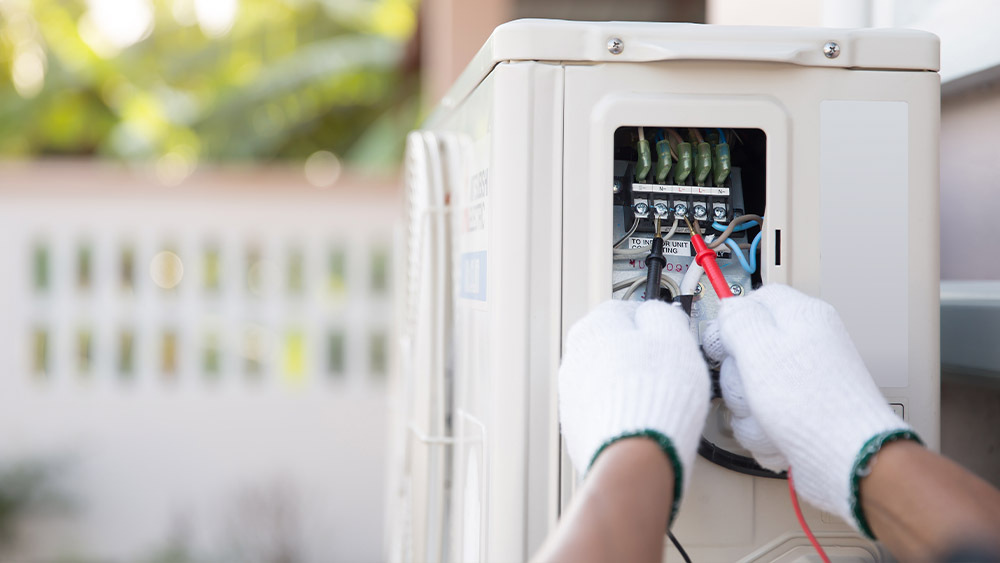
Image Source: cielowigle.com
Why Your AC Needs Power (And Lots of It)
Air conditioners use a lot of power, especially when they first turn on. Think of it like pushing a heavy box – it takes extra effort to get it moving. An AC’s main part, the compressor, needs a big surge of electricity to start. This is normal. Your home’s electrical system and the circuit breaker for the AC are built to handle this initial surge.
But sometimes, things go wrong. When the AC unit tries to pull more power than the breaker is rated for, the breaker does its job. It trips, cutting power to the AC. This stops the wires from overheating. If your AC keeps tripping the breaker, it means there’s a problem causing the unit to draw too much power, not just for a moment, but repeatedly or continuously. This is often the first sign something is wrong inside the AC or with the electrical system.
Signs Your AC Might Trip the Breaker
You might notice these things before or when the breaker trips:
- The AC works for a short time, then stops.
- The breaker switch is flipped to the ‘off’ position or halfway between ‘on’ and ‘off’.
- The outside unit makes strange noises (like buzzing, humming, or grinding).
- The air coming from the vents is not cool enough.
- Lights dim when the AC turns on.
- You smell something burning near the AC or electrical panel.
If the breaker trips right when the AC unit won’t start breaker trip, it usually points to a problem with the starting process – often related to the compressor or a starting component like a capacitor.
Top Reasons Your AC Trips the Breaker
Let’s look at the most common things that make an AC pull too much power and trip its breaker. These issues range from simple fixes to major problems.
Deciphering the Problem: Too Much Power Use
The main reason a breaker trips is that the appliance connected to it is asking for more electrical current (measured in amps) than the breaker is designed to handle. This is called an overload. With an AC, an overload can happen for several reasons. The AC unit might be trying to work too hard, there could be an electrical fault like a short circuit AC unit, or a part might be failing.
AC Compressor Overload
The compressor is like the heart of your AC system. It pumps the refrigerant that cools your home. Starting the compressor needs a lot of power. Once running, it uses less, but still a lot. An AC compressor overload happens when the compressor tries to pull more amps than it should, even after starting.
- Why it causes tripping: A failing compressor might struggle to start or run efficiently. This struggle causes it to draw extra current, leading to an overload condition that trips the breaker. It’s one of the most common reasons for tripping.
- Signs: The breaker trips right when the AC tries to start, or shortly after. The outside unit might make loud humming or buzzing noises but not fully turn on.
- What to do: This is a serious mechanical issue. You likely need an HVAC professional to check the compressor. It might need repairs or replacement, which can be costly.
Air Conditioner Capacitor Problem
AC units, especially the compressor and fan motors, use capacitors. These are like temporary batteries that give a quick boost of power to help the motors start easily. Think of it as a slingshot giving the motor a push to get going. A failing or bad air conditioner capacitor problem means the motor doesn’t get that needed boost.
- Why it causes tripping: Without the quick power boost from the capacitor, the motor (especially the compressor) struggles to start. It tries to pull power directly from the main line without the initial help. This makes it draw a lot of current, much more than normal, causing the breaker to trip.
- Signs: The outside unit might hum loudly but not start running. The fan might try to spin slowly or not at all. The breaker trips shortly after you turn the AC on. This is a common cause when the AC unit won’t start breaker trip.
- What to do: Capacitors are relatively inexpensive parts, but they store electricity even when the AC is off. Replacing one needs caution. An HVAC technician can test and safely replace a capacitor. This is a common and often affordable fix.
AC Fan Motor Failing
Your AC system has fans – usually one inside (in the furnace or air handler) and one outside (in the condenser unit). These fans move air over the cooling coils. If a fan motor starts to fail, it might struggle to spin.
- Why it causes tripping: A failing AC fan motor failing has to work harder to spin. This extra work means it draws more electricity. If the motor is really struggling or seizing up, it can draw a lot of current, potentially tripping the breaker. An outside fan motor failure can also lead to an overheating AC unit because heat isn’t removed properly.
- Signs: The fan spins slowly or not at all. You might hear grinding or buzzing noises from the fan motor. The outside unit might feel very hot (overheating AC unit).
- What to do: First, turn off the AC and check if the fan blades are blocked by anything (like debris or vegetation outside). With the power off, try to spin the fan blades by hand. If they are stiff or don’t spin freely, the motor might be failing. A technician can replace the fan motor.
electrical system issues
Problems aren’t always inside the AC unit itself. Sometimes, the electrical system connected to the AC is the culprit.
Faulty AC Wiring
The wires connecting your AC unit to the breaker panel carry a lot of electricity. Over time, wires can become loose, damaged, or worn out. Connections can loosen at the breaker box or at the AC unit terminals.
- Why it causes tripping: Loose connections create resistance, which can cause wires and terminals to heat up significantly. Damaged wiring can lead to a short circuit AC unit or ground fault. Both situations cause a sudden, massive surge of electrical current that the breaker immediately detects and trips to stop. Faulty AC wiring is a serious safety hazard.
- Signs: You might smell burning plastic near the AC unit or the breaker panel. Terminals might look charred or melted. The breaker trips unexpectedly, maybe not always when the AC starts, but randomly.
- What to do: Electrical wiring problems are dangerous and should only be handled by a qualified electrician or HVAC technician experienced with electrical work. Never try to tighten or fix AC wiring yourself.
Short Circuit AC Unit
A short circuit happens when electricity finds an unintended path, usually a path with very low resistance. This often occurs when a hot wire touches a neutral wire, a ground wire, or the metal casing of the AC unit itself. This could be due to damaged insulation, loose connections, or water getting into electrical parts.
- Why it causes tripping: A short circuit creates a direct, very low-resistance path for current to flow. This allows an extremely high amount of current to rush through the circuit almost instantly – far more than the AC normally uses or the breaker is rated for. Circuit breakers are designed to trip very quickly when a short circuit is detected to prevent fires and damage.
- Signs: The breaker trips immediately, often with a loud snap sound from the breaker panel, as soon as the AC tries to turn on or sometimes even just by flipping the breaker on (if the short is always present). You might see sparks or smell burning.
- What to do: Turn the AC off immediately and leave the breaker off. A short circuit is a major electrical fault. You need a professional (HVAC technician or electrician) to find and fix the short circuit AC unit safely.
Ground Fault
A ground fault is similar to a short circuit. It happens when a hot wire touches a ground wire or a grounded surface (like the metal case of the AC). Like a short circuit, it creates an easy path for electricity, leading to a surge in current.
- Why it causes tripping: Just like a short circuit, a ground fault causes a large, sudden increase in current. Standard breakers (thermal-magnetic) trip on this high current. Some systems might have special Ground Fault Circuit Interrupters (GFCIs), which are even more sensitive to ground faults.
- Signs: Similar to a short circuit – the breaker trips right away. Could be caused by water, damaged wires, or faulty components touching the casing.
- What to do: Turn off the AC and leave the breaker off. Call a professional to find the source of the ground fault.
Problems with the Circuit Breaker Itself
Sometimes, the AC unit and its wiring are fine, but the problem is with the circuit breaker panel or the breaker itself.
Bad Circuit Breaker AC
Circuit breakers are mechanical devices and can wear out over time. They can become weak, especially if they’ve tripped many times before. A bad circuit breaker AC might trip too easily, even when the AC unit is drawing a normal amount of power.
- Why it causes tripping: A faulty breaker might not hold the required current level anymore. Its internal mechanism might be worn or damaged, causing it to trip below its stated amperage limit.
- Signs: The breaker feels hot to the touch (though some heat is normal, excessive heat is a bad sign). The breaker looks visibly damaged (melted plastic, discoloration). It trips randomly or more often than before, even after you’ve checked other common AC issues. You might notice the breaker trips on mild days as well as hot days.
- What to do: Do not touch or try to reset a breaker that feels excessively hot or looks damaged. A bad breaker is a fire hazard. You need a qualified electrician to inspect and replace a bad circuit breaker AC.
Circuit Breaker Size for AC
Air conditioners need a specific size of circuit breaker based on how much power they use. The breaker must be rated slightly higher than the AC’s maximum running current and able to handle the startup surge. This information is usually on the AC unit’s nameplate (a metal sticker with model/serial info). Installing a breaker that is too small for the AC unit’s needs is a recipe for constant tripping.
- Why it causes tripping: If the AC unit draws more power than the small breaker’s limit, even during normal operation or startup, the breaker will trip as designed because it sees an overload condition.
- Signs: The breaker trips every time the AC starts, or shortly after starting, especially on hot days when the unit works hardest. You might have recently replaced the breaker or had electrical work done where the wrong size was installed. Check the amperage rating on the breaker handle and compare it to the AC unit’s requirements (often found on the outside unit’s data plate).
- What to do: Turn off the AC. Do not keep resetting a breaker that is too small; it’s tripping for a reason and might indicate that the wiring size is also insufficient, creating a fire risk. You need an electrician to check if the circuit breaker size for AC is correct and if the wiring matches the breaker and unit requirements. They might need to install a larger breaker and potentially upgrade the wiring.
Other Issues Leading to High Power Draw
Several other problems can cause the AC unit to work harder than it should, leading to increased power consumption and potential tripping.
Dirty Air Filter or Coils
A clogged air filter or dirty evaporator coil (inside) or condenser coil (outside) makes the AC work much harder to move air and cool refrigerant.
- Why it causes tripping: When airflow is restricted (dirty filter, frozen coil) or heat transfer is blocked (dirty coils), the compressor has to run longer and at higher pressure to cool the air. This can cause the compressor to overheat and draw more power than usual, sometimes leading to an AC compressor overload situation or overheating AC unit.
- Signs: Poor cooling performance, weak airflow from vents, ice buildup on the indoor coil or refrigerant lines, the outside unit feels very hot (overheating AC unit).
- What to do: Change your air filter regularly (monthly is good). Carefully clean the outside condenser coil with a hose (make sure the power to the unit is off first!). If the indoor coil is frozen or dirty, you might need professional cleaning or time for the ice to melt (turn off the AC and just run the fan).
Overheating AC Unit
An AC unit can overheat for various reasons, including dirty coils, a failing fan motor, low refrigerant, or being located in direct sunlight or a poorly ventilated area.
- Why it causes tripping: Overheating puts extreme stress on the components, particularly the compressor. When components get too hot, their efficiency drops, and they draw more current trying to keep up. Many units have safety cutoffs, but sometimes the increased power draw trips the breaker first, especially if the unit is also experiencing an AC compressor overload or AC fan motor failing.
- Signs: The outside unit feels excessively hot. The unit might cycle off and on frequently. Poor cooling.
- What to do: Check for blockages around the outside unit. Clean coils. Ensure the fan is working. Make sure the unit has enough shade and ventilation. If the problem persists, it might indicate low refrigerant (a leak) or a failing part, which requires professional help.
Low Refrigerant
Refrigerant is the substance that absorbs heat from your home and releases it outside. If your AC is low on refrigerant, it’s usually because of a leak.
- Why it causes tripping: Low refrigerant makes the compressor work much harder to cool your home. It tries to compress less refrigerant, which can cause it to overheat and draw excess current. This can lead to an AC compressor overload or tripping the breaker due to the system straining.
- Signs: Poor cooling, ice buildup on the indoor coil or lines, hissing or bubbling sounds (indicating a leak), the outside unit might be running constantly but not cooling effectively.
- What to do: Do not add refrigerant yourself; it’s a complex process and adding the wrong amount or type can damage the system. Low refrigerant means there’s a leak that needs to be found and fixed before recharging the system. Call an HVAC technician.
Issues with the Ductwork
Leaky or blocked ductwork can restrict airflow, making the system work harder.
- Why it causes tripping: Similar to a dirty filter, restricted airflow from duct issues can strain the AC unit, forcing the compressor to run longer and potentially draw more power, contributing to an AC compressor overload or general system strain that trips the breaker.
- Signs: Uneven cooling in your home, weak airflow from some vents, high energy bills.
- What to do: Inspect visible ductwork for leaks or damage. Ensure all vents are open and not blocked by furniture. For hidden duct issues, consider a professional duct inspection.
Troubleshooting AC Breaker Tripping: What You Can Safely Check
Before calling a professional, there are a few simple things you can check yourself. Always turn the AC off at the thermostat first. For checking the outside unit or breaker panel, it’s safest to turn off the main power switch for the AC unit (usually a box near the outside unit) or the breaker itself before looking closely.
Here’s a step-by-step guide for troubleshooting AC breaker tripping:
Step 1: Check the Circuit Breaker
- Go to your electrical panel. Find the breaker labeled for your AC unit (often a double-pole breaker, meaning it takes up two slots).
- Is it in the ‘off’ position or halfway? Flip it firmly to the ‘off’ position first, then firmly back to the ‘on’ position. Do not force it if it won’t reset or immediately trips again.
- Does the breaker feel excessively hot? Is there any visible damage (melting, charring)? If yes, do not reset it. This could indicate a bad circuit breaker AC or a serious electrical fault. Call an electrician.
- Note the amperage rating on the breaker (e.g., 20A, 30A). You’ll need this later.
Step 2: Check the Air Filter
- A dirty filter is a common cause of poor airflow.
- Find your indoor air filter (usually near the furnace or air handler).
- Is it clogged with dust and debris? Replace it with a clean one.
- Try resetting the breaker and turning the AC back on.
Step 3: Inspect the Outdoor Unit (Condenser)
- Turn off the power to the outside unit using the disconnect switch near it (if available) or by ensuring the main AC breaker is off.
- Look for obvious issues:
- Is the unit blocked by plants, fences, or debris? Clear away anything within 2-3 feet.
- Are the metal fins on the outside coil bent or clogged with dirt/leaves? You can gently clean them with a soft brush or hose (power must be off!).
- With power off, check if the fan blades are loose or if there’s debris inside the unit. Try spinning the fan by hand (carefully, as the blades can be sharp). It should spin freely. If not, the AC fan motor failing might be the issue.
- Turn the power back on and try starting the AC.
Step 4: Check the Indoor Unit (Evaporator)
- Look at the indoor coil (in your furnace or air handler, requires accessing a panel – turn off power first).
- Is it frozen over with ice? This indicates a serious airflow problem (dirty filter, blocked vent, or fan issue) or a refrigerant problem.
- If it’s frozen, turn off the AC (run only the fan if possible) and let it thaw completely before trying to run the AC again. This can take many hours. Do not chip away ice.
- While the power is off, check if the indoor fan is working when the system is set to ‘Fan On’ mode after the ice has melted.
Step 5: Listen to the AC
- When you try to turn the AC on after resetting the breaker, listen carefully.
- Do you hear the outside unit hum loudly but the fan or compressor doesn’t kick on? This points strongly to an air conditioner capacitor problem or compressor issue (AC compressor overload).
- Do you hear clicking or buzzing from the electrical panel when you try to reset the breaker or turn on the AC? This could be a bad circuit breaker AC or a short circuit AC unit.
Step 6: Check the AC’s Nameplate
- Locate the data plate on your outdoor AC unit. It lists important information like voltage, running amps (RLA), and maximum overcurrent protection (MOP) or minimum circuit ampacity (MCA).
- Compare the MCA or RLA to the amperage rating on your breaker (from Step 1). The breaker size should typically be between the MCA and MOP values. If your breaker amperage is lower than the MCA, it is likely undersized (circuit breaker size for AC is wrong).
- Example Nameplate Info:
- Voltage: 230V
- RLA (Running Load Amps): 15A
- MCA (Minimum Circuit Ampacity): 19A
- MOP (Maximum Overcurrent Protection): 30A
- In this example, a 20A or 25A breaker would likely be appropriate, but a 15A breaker would be too small and might trip frequently, while a 30A would be the maximum allowed.
Important: If the breaker immediately trips again after resetting, or if you suspect faulty AC wiring, a short circuit AC unit, a bad circuit breaker AC, or a major mechanical failure (like AC compressor overload or air conditioner capacitor problem based on symptoms), stop troubleshooting. Constantly resetting a tripping breaker can cause damage to the AC unit or, worse, lead to an electrical fire.
When to Call a Professional
For most reasons involving repeatedly tripping breakers, especially those related to internal AC components or electrical wiring, you should call a qualified HVAC technician or electrician.
Here’s when professional help is necessary:
- The breaker trips immediately every time you reset it.
- You see or smell burning near the AC unit or electrical panel.
- The breaker feels very hot or looks damaged.
- The outdoor unit hums loudly but doesn’t start.
- The outdoor fan isn’t spinning freely.
- You find ice on the indoor coil even after changing the filter.
- You suspect faulty AC wiring, a short circuit AC unit, or a ground fault.
- You determine the circuit breaker size for AC is wrong based on the nameplate.
- You suspect an air conditioner capacitor problem or AC compressor overload based on symptoms.
- The issue is not resolved by simple checks like changing the filter or cleaning the outdoor unit.
- The problem is related to an overheating AC unit that you can’t fix by cleaning.
- You need help troubleshooting AC breaker tripping and the basic steps didn’t work.
- You suspect a bad circuit breaker AC.
HVAC technicians have the tools and knowledge to safely diagnose electrical issues, test components like capacitors and motors, check refrigerant levels, and identify internal mechanical problems like an AC compressor overload. Electricians are experts in the home’s wiring, breaker panel, and ensuring the correct circuit breaker size for AC is installed with appropriate wiring. For AC-related trips, often an HVAC technician is the first call, and they can advise if an electrician is needed for panel or wiring issues.
Preventing Future Breaker Trips
Regular maintenance is the best way to prevent many AC problems, including breaker trips caused by system strain.
- Change Filters: Replace your air filter monthly during the cooling season.
- Clean Coils: Keep the outdoor unit (condenser) clean and free of debris. Consider professional coil cleaning periodically.
- Annual Tune-Ups: Schedule a professional AC tune-up every spring. A technician can identify potential issues like a weak capacitor, low refrigerant, or an AC fan motor failing before they cause the breaker to trip. They can also spot signs of an impending AC compressor overload or overheating AC unit.
- Check Wiring: While you shouldn’t work on it yourself, during professional maintenance, technicians often check connections at the unit. If you suspect issues inside the panel or with the circuit breaker size for AC, call an electrician.
- Proper Sizing: Ensure your AC unit and its dedicated circuit breaker size for AC are correctly matched to the unit’s needs and the home’s electrical capacity.
By understanding the common reasons why your AC keeps tripping the circuit breaker and performing basic maintenance, you can often prevent these frustrating power interruptions and keep your home cool and safe. Remember, a tripping breaker is a warning signal – don’t ignore it! Address the root cause to protect your system and your home.
Table: Common Causes & Actions
| Issue | Why it Causes Tripping | Common Signs | What You Can Safely Check / Do | When to Call a Professional |
|---|---|---|---|---|
| AC Compressor Overload | Compressor draws too much power, often struggling/failing. | Breaker trips at startup or shortly after; loud hum from outside unit. | Listen carefully; check filter/coils for strain causes. | Immediately, for diagnosis and potential repair/replacement. |
| Air Conditioner Capacitor Problem | Capacitor fails, motor struggles to start. | Outside unit hums but fan/compressor doesn’t start; breaker trips quickly. | Listen carefully. (Testing capacitors needs special tools & safety) | Immediately, for testing and replacement. |
| AC Fan Motor Failing | Motor struggles to spin, draws excess current. | Fan spins slowly or not at all; grinding/buzzing noises; unit feels hot. | Turn off power, check for obstructions, try spinning fan by hand. Clean unit exterior. | If fan doesn’t spin freely or makes noise; requires motor replacement. |
| Faulty AC Wiring | Loose/damaged wires cause resistance/shorts. | Burning smell; charred connections; random tripping. | Look for obvious external damage (if safe); smell test. Do not touch wiring. | Immediately, dangerous electrical hazard. |
| Short Circuit AC Unit | Wire touches wrong connection/ground; huge current surge. | Breaker trips instantly with a snap; sparks/burning smell possible. | Turn off breaker; smell test. Do not reset repeatedly. | Immediately, major electrical fault. |
| Bad Circuit Breaker AC | Breaker is worn out, trips too easily. | Breaker feels hot; looks damaged; trips randomly even on mild days. | Feel breaker temp (carefully); look for damage; check AC load vs breaker size. | Immediately, if hot or damaged; for testing and replacement. |
| Circuit Breaker Size for AC | Breaker is too small for the AC unit’s needs. | Breaker trips reliably every time AC starts, especially when hot. | Check AC nameplate vs. breaker amperage rating. | If breaker is undersized; may require breaker/wiring upgrade. |
| Dirty Filters/Coils | Blocks airflow/heat transfer, strains system. | Poor cooling; weak airflow; ice on coil (indoor); unit feels hot (outdoor). | Change air filter; clean outdoor unit fins (power off). Let indoor coil thaw if frozen (power off). | If indoor coil stays frozen or issue persists after cleaning. |
| Overheating AC Unit | Unit gets too hot (due to dirty coils, fan, etc.). | Unit feels very hot; poor cooling; frequent cycling. | Check/clean filter & coils; check fan operation; clear space around unit. | If cause isn’t obvious or persists; could indicate component failure or low refrigerant. |
| Low Refrigerant | Leak causes compressor to work too hard. | Poor cooling; ice on coil/lines; hissing/bubbling sounds; constant running. | Check for ice on coil/lines. Do not add refrigerant yourself. | Immediately, requires leak detection and repair before recharging. |
Grasping Circuit Breaker Function
Circuit breakers are safety devices. They measure the flow of electricity. If the flow gets too high (an overload or short circuit), the breaker quickly stops the power. Think of it as a safety valve for electricity. They are rated in amps (amperes), which is the measure of electrical current. A 30-amp breaker will trip if more than 30 amps try to flow through it for too long. The time it takes to trip depends on how high the current surge is – a short circuit trips almost instantly, while a small overload might take longer. When you are troubleshooting AC breaker tripping, you are essentially trying to find out why the AC is asking for more amps than the breaker can safely give it.
The Importance of Professional Help
While basic checks can be helpful for troubleshooting AC breaker tripping, many of the common causes, like an AC compressor overload, air conditioner capacitor problem, short circuit AC unit, faulty AC wiring, or a bad circuit breaker AC, involve high voltage electricity and complex components. Attempting repairs without the right knowledge and tools is extremely dangerous and can lead to severe injury or further damage to your expensive AC system. Professionals are trained to diagnose these issues safely and effectively, ensuring your AC runs correctly and safely without constantly putting strain on the system or creating a fire risk.
Frequently Asked Questions (FAQ)
Q: Can I just use a bigger circuit breaker for my AC to stop it from tripping?
A: No, absolutely not. This is very dangerous. The circuit breaker size for AC is carefully chosen based on the AC unit’s power needs and the size of the wires connected to it. Putting in a bigger breaker allows more current to flow. If there’s a problem causing the AC to draw too much power (like faulty AC wiring or an AC compressor overload), a bigger breaker won’t trip. This will cause the wires to overheat, melt their insulation, and can easily start a fire within your walls or at the AC unit. Always ensure the circuit breaker size for AC matches the unit’s specifications and the wiring size.
Q: Why does my AC breaker only trip on hot days?
A: This is common. On hot days, your AC unit has to work much harder to cool your home. The compressor runs longer and faces higher pressure. This puts more strain on all the components. If there’s an underlying issue (like a weak capacitor, slightly low refrigerant, a partially failing motor, or dirty coils), the extra strain on a hot day can push the power draw over the breaker’s limit, causing it to trip. It could be an early sign of an AC compressor overload or an overheating AC unit.
Q: Is it okay to just reset the breaker when it trips?
A: Resetting the breaker once is usually fine to see if it was a fluke (like a temporary power surge). However, if the breaker trips repeatedly or immediately after being reset, it’s a strong sign of a problem that needs to be addressed. Continuously resetting a breaker that is tripping indicates an ongoing overload, short circuit AC unit, or bad circuit breaker AC. This can damage your AC unit and is a significant fire risk. Stop resetting it and investigate the cause.
Q: How can I check if my air conditioner capacitor is bad?
A: Checking a capacitor requires specific electrical knowledge and a multimeter with a capacitance testing function. Capacitors store a high-voltage charge even when the power is off and can cause a severe shock if not handled correctly. It’s safest to have an HVAC technician test your air conditioner capacitor problem. They can do it quickly and safely.
Q: Could pests cause my AC breaker to trip?
A: Yes. Rodents or insects can get into the outdoor unit and chew on wires (faulty AC wiring), build nests that block airflow (leading to overheating AC unit), or interfere with moving parts. This can lead to short circuits AC unit or motors struggling, causing the breaker to trip.
Q: My AC unit won’t start breaker trip occurs right away. What’s the most likely cause?
A: If the breaker trips right as the unit tries to start, the most common culprits are issues with the starting components that handle the initial power surge. This often points to a failing air conditioner capacitor problem or a locked-rotor/starting issue with the AC compressor overload. Less commonly, it could be a severe short circuit AC unit or a bad circuit breaker AC that can’t handle the normal startup load anymore.
Q: Can a power surge trip my AC breaker?
A: Yes, a strong power surge (from lightning or utility issues) can cause the AC to draw a sudden, massive amount of power, tripping the breaker as a protective measure. However, if your breaker trips without a known power surge event, the issue is likely within the AC system or its dedicated circuit.
By understanding these common issues and knowing when to seek professional help, you can diagnose why your air conditioner keeps tripping the circuit breaker and get your system running safely and efficiently again. Don’t let a tripping breaker be a mystery – it’s a sign that action is needed!