
Your air conditioner pipes might freeze because warm indoor air cannot flow over the cooling coil correctly, or because the system has too little refrigerant, which is the substance that cools the air. These are the two main reasons ice builds up. This ice often forms on the indoor coil, also called the evaporator coil, and can spread to the copper pipes connected to it. When your air conditioner not cooling ice buildup happens, it’s a clear sign something is wrong inside the system, and it needs attention.
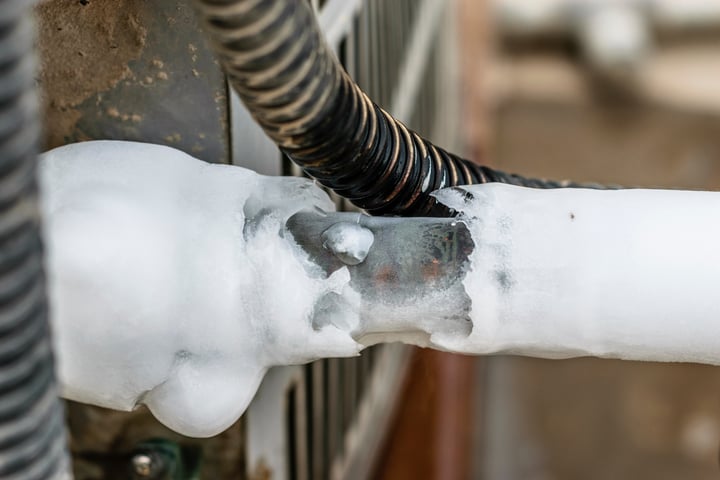
Image Source: www.topnotchheatingandair.com
Deciphering Why Your AC Turns into an Icebox
It seems strange for an appliance designed to cool air to become covered in ice. An air conditioner works by moving heat from inside your home to the outside. It uses a special chemical substance called refrigerant to do this. This refrigerant cycles between a liquid and a gas state. It gets very cold as it absorbs heat from the air inside your house. This cold refrigerant flows through a coil inside your home (the evaporator coil). As warm indoor air blows over this cold coil, the air gets cooled. The heat from the air makes the cold refrigerant turn into a gas. This gas then travels to the outdoor unit, where it releases the heat and turns back into a liquid, ready to repeat the cycle.
But sometimes, this process goes wrong. The indoor coil gets too cold, dropping below freezing. When warm, moist air from your home hits this super-cold surface, the moisture in the air freezes onto the coil and the connected pipes. This is how you get ice on AC copper pipe and a frozen AC evaporator coil problems.
Let’s look at the main reasons this freezing happens.
Primary Causes of AC Freezing
Several issues can cause your air conditioner to freeze up. They usually involve either a problem with the refrigerant or a problem with how air flows through the system.
Composing the Problem: Low Refrigerant Levels
The refrigerant in your AC system is vital. It absorbs the heat from your indoor air. The system is designed to work with a specific amount of refrigerant. If the level drops, it causes problems.
What Happens with Low Refrigerant?
When you have low AC refrigerant level, there isn’t enough of the cold substance flowing through the evaporator coil. Imagine a small amount of very cold liquid trying to absorb a lot of heat. It quickly turns into a very cold gas. Because there’s less of it, the temperature of the coil drops much lower than it should, often below 32°F (0°C). When the coil gets this cold, any moisture in the air that touches it will freeze. This leads to ice forming on the coil and the refrigerant lines.
Why Does Refrigerant Get Low?
Refrigerant doesn’t get used up like gasoline in a car. It cycles through the system repeatedly. If the level is low, it means there is a leak somewhere in the system. Leaks can happen in the coils, the pipes, or at the connection points. Finding and fixing these leaks is crucial. Just adding more refrigerant without fixing the leak is only a temporary fix, and the problem will return. A technician uses special tools to find leaks and then repairs them before adding the correct amount of refrigerant.
Composing the Problem: Airflow Restrictions
Proper airflow over the evaporator coil is just as important as having the right amount of refrigerant. Warm air needs to flow over the cold coil to transfer heat and prevent it from getting too cold. If the airflow is blocked or reduced, the coil doesn’t get enough warm air. This means the coil’s temperature drops excessively, leading to freezing. Restricted airflow causes AC ice.
Dirty Air Filter AC Freeze Up
The most common cause of restricted airflow causes AC ice is a dirty air filter. The air filter catches dust, dirt, and other particles from the air before it enters your AC system. This keeps the air clean and protects the internal parts of your AC from getting clogged.
- How a Dirty Filter Causes Freezing: When the filter is clogged with dirt, it becomes difficult for air to pass through it. Less air gets to the blower fan. Less air is then pushed over the cold evaporator coil. With less warm air flowing over the coil, the coil gets much colder than it should be. When the coil’s surface temperature drops below freezing, ice starts to form from the moisture in the air. A dirty air filter AC freeze up is a very common problem.
- The Fix: This is one of the easiest problems to prevent and fix. Check your air filter regularly (at least once a month, more often during heavy use). If it looks dirty, replace it with a clean one. This simple step can prevent many AC freezing problems.
Other Airflow Issues
Beyond the filter, other things can restrict airflow:
- Blocked Return Vents: The return vents are where your AC system pulls air from your rooms. If furniture, curtains, or anything else blocks these vents, less air can get into the system. This reduces the overall airflow and can cause freezing.
- Blocked Supply Vents: The supply vents are where the cool air is blown into your rooms. If these are closed or blocked, it creates back pressure in the ductwork, reducing the amount of air that can flow over the coil. Make sure most of your supply vents are open.
- Dirty Evaporator Coil: Over time, even with a filter, some dust and dirt can build up on the evaporator coil itself. This grime acts like a blanket, making it harder for the coil to transfer heat and can restrict airflow directly across the coil surface. A dirty coil can lead to a frozen AC evaporator coil problems.
- Ductwork Issues: Leaks, kinks, or blockages in the air ducts can reduce airflow. Ducts that are too small for the system’s size can also restrict flow.
- AC Blower Motor Issues Freezing: The blower motor is the fan that pushes the air through your system, over the coil, and into your home. If the blower motor is running too slowly, is weak, or isn’t working correctly, it won’t move enough air over the evaporator coil. This reduced airflow means the coil gets too cold and can freeze. AC blower motor issues freezing require a technician to diagnose and repair or replace the motor.
Composing the Problem: Mechanical Issues
While low refrigerant and airflow are the big two, mechanical problems can also lead to freezing.
Frozen AC Evaporator Coil Problems
The evaporator coil itself can be the site of the problem. As mentioned, dirt buildup can cause issues. Also, internal problems within the coil or its connection to the refrigerant lines can contribute to freezing. If the coil isn’t designed properly or has a defect, it might run too cold in certain spots.
Issues with the Expansion Valve or Capillary Tube
These components control the flow of liquid refrigerant into the evaporator coil, where it turns into a gas. If they get clogged or malfunction, they might restrict refrigerant flow or cause the refrigerant to expand too early. This can make the coil temperature drop too low in specific areas, leading to freezing. This requires a skilled technician to diagnose and repair.
Composing the Problem: Thermostat Problems
Sometimes, the thermostat might be set incorrectly or malfunctioning.
- Setting the Thermostat Too Low: While not a direct mechanical cause, setting your thermostat to an extremely low temperature can contribute to freezing, especially if combined with other marginal issues like slightly low refrigerant or airflow problems. The system struggles to reach the set temperature, running longer, which can exacerbate conditions leading to freezing.
- Faulty Thermostat: A thermostat that isn’t reading the temperature correctly or isn’t signaling the AC system properly can cause the unit to run strangely, potentially contributing to freezing.
Composing the Problem: Drainage Problems
Your AC system removes moisture from the air as it cools. This moisture collects on the evaporator coil and drips into a drain pan, then flows out through a drain line.
- Clogged Drain Line: If the drain line gets clogged with algae, dirt, or mold, the water backs up. The drain pan can overflow. While not a direct cause of the coil freezing, this can sometimes indirectly impact humidity levels around the coil or trigger safety switches that shut off the system, making you notice a problem that might coincide with or be confused with freezing issues. However, clogged drains are more often a cause of water leaks inside your home rather than freezing. But it’s part of the system’s overall health.
Identifying Signs of a Frozen AC
How can you tell if your AC is freezing up? There are several clear indicators. Recognizing these signs of frozen AC coil early can prevent more serious damage.
- Visible Ice: The most obvious sign is seeing ice on the evaporator coil (the indoor unit’s cooling fins) or on the copper refrigerant lines connected to the indoor unit. You might see ice on AC copper pipe, especially the larger, insulated pipe.
- Warm Air from Vents: If your air conditioner not cooling ice buildup is present, you will feel warm or lukewarm air coming from your supply vents instead of cold air. The ice on the coil prevents it from absorbing heat effectively. The fan might still be blowing, but it’s blowing air over a block of ice instead of a cold coil.
- Weak Airflow: As ice builds up on the coil, it blocks the spaces between the fins. This acts like another restriction, reducing the amount of air the blower fan can push through the system. You’ll notice less air coming out of your vents.
- The AC Unit Runs Constantly: Because the system isn’t cooling properly, it might run non-stop, trying to reach the temperature set on the thermostat. This continuous running can make the freezing problem worse.
- Strange Noises: Sometimes, you might hear dripping or buzzing sounds from the indoor unit as ice forms or melts.
- Water Leaks: As the ice melts (especially after you turn the system off), the amount of water can overwhelm the drain pan and line, leading to water leaking from the bottom of the indoor unit or from the ductwork.
If you notice any of these signs, it’s time to address the issue.
Addressing a Frozen AC: How to Fix Frozen AC Lines
Seeing ice on your AC is alarming, but don’t panic. The first step is to stop the freezing process. Here’s how to fix frozen AC lines and get your system back on track.
Step 1: Turn the AC Off
This is the most important step. Turn your thermostat from “Cool” to “Off.” Do not just turn the temperature up; make sure the cooling cycle is completely off. If your thermostat has a “Fan” setting, you can set it to “On” to help melt the ice faster by blowing air over the coil, but make sure the cooling is off. Running the system while it’s frozen can damage the compressor, a very expensive part to replace.
Step 2: Let the Ice Melt
The ice needs to melt completely. This can take several hours, depending on how much ice has built up. You can leave the blower fan running (if your thermostat allows and cooling is off) to speed this up. Put towels or buckets around the indoor unit to catch any water that might overflow the drain pan as the ice melts.
Step 3: Identify the Cause
Once the ice is fully melted, you need to figure out why it froze in the first place. This often requires a visual check and some basic troubleshooting.
- Check the Air Filter: Is it dirty? This is the easiest thing to check. If it’s clogged, replace it immediately with a clean filter of the correct size.
- Check Vents: Are all or most of your supply and return vents open and unobstructed? Remove anything blocking them.
- Check for Blockages: Look around the indoor unit and ductwork for anything obvious blocking airflow.
Step 4: Consider Professional Help
If a dirty filter or blocked vent wasn’t the obvious cause, or if the freezing happens again after you’ve checked those things, it’s likely a more complex issue like low AC refrigerant level, a dirty evaporator coil, a problem with the blower motor (AC blower motor issues freezing), or issues with the expansion valve. These require professional knowledge and tools to diagnose and fix safely and correctly.
Attempting to add refrigerant yourself is dangerous and illegal without the proper certification. A technician can safely check refrigerant levels, find and fix leaks, clean the coil professionally, or repair/replace faulty components.
When to Call a Professional
- You suspect low AC refrigerant level (the freezing happened even with a clean filter and good airflow).
- The problem keeps happening.
- You hear strange noises.
- The blower fan isn’t working correctly (AC blower motor issues freezing).
- You see ice again after changing the filter and checking vents.
- You think the evaporator coil is very dirty inside and needs cleaning.
Preventing Air Conditioner Pipes Freezing
Preventing your AC from freezing up is easier and cheaper than fixing it after it happens. Regular maintenance is key to keeping your system running smoothly and preventing frozen AC evaporator coil problems and ice on AC copper pipe. Here’s how to prevent air conditioner pipes freezing:
Regular Filter Replacement
This is the single most effective preventive measure you can take. Change your air filter regularly.
- Filter Type: The frequency depends on the type of filter you use (thicker filters last longer) and how often your system runs.
- Checking Frequency: Check standard 1-inch filters monthly, especially during peak cooling season. Thicker filters (2-4 inches) might last 3-6 months. High-efficiency filters (MERV 11+) might need changing every 6-12 months, but check the manufacturer’s recommendation.
- Look at It: The best rule is to check it visually. If it’s gray and clogged with dust, replace it.
Replacing a dirty filter improves airflow and prevents dirty air filter AC freeze up.
Ensure Proper Airflow
Make sure air can move freely throughout your home and into your AC system.
- Keep Vents Open and Unblocked: Don’t close off too many supply vents in unused rooms (this can cause airflow imbalance). Keep all return vents clear of furniture, rugs, or other items.
- Check for Duct Leaks: Over time, ducts can develop leaks, reducing the amount of air reaching the coil and coming out your vents. Leaky ducts waste energy and can contribute to freezing. Sealing ductwork can improve airflow and system efficiency.
Keep the Evaporator Coil Clean
The indoor coil can get dirty over time.
- Regular Cleaning: During a professional maintenance visit, the technician should inspect and clean the evaporator coil if necessary. This removes buildup that restricts airflow and heat transfer, preventing frozen AC evaporator coil problems.
Schedule Annual Professional Maintenance
Having a qualified HVAC technician inspect your system once a year (ideally before the cooling season starts) is one of the best ways to prevent air conditioner pipes freezing.
- What They Do: A technician will check refrigerant levels (and look for leaks if levels are low), clean coils, check the blower motor’s health (AC blower motor issues freezing), inspect electrical components, check the thermostat, and ensure the drain line is clear.
- Catching Problems Early: They can spot potential issues like slightly low refrigerant or a weakening blower motor before they cause the system to freeze.
- System Efficiency: Regular tune-ups also help your system run more efficiently, saving you money on energy bills.
Check the Drain Line
Pour a cup of vinegar or hot water down the drain line (usually accessible near the indoor unit) a couple of times a year to help prevent clogs.
Don’t Set Thermostat Too Low
While modern ACs are designed to handle low temperatures, setting the thermostat extremely low (below 70°F or 21°C) can increase the chance of freezing, especially if other issues like airflow problems are present. A comfortable and energy-efficient temperature is usually between 72-78°F (22-26°C).
Grasping the Importance of Addressing Freezing Quickly
Ignoring a frozen AC system is a bad idea. Running a system with ice on the coil forces the compressor to work harder against restricted flow and abnormal pressures. This can lead to air conditioner not cooling ice buildup damaging the compressor beyond repair. Repairing or replacing a compressor is very expensive, often costing thousands of dollars.
By turning the system off immediately when you see ice and addressing the underlying cause quickly, you protect the system from costly damage.
Troubleshooting Table (Simple)
| Problem Sign | Possible Cause(s) | What to Check First | When to Call a Pro |
|---|---|---|---|
| Ice on coil/pipes | Low refrigerant, low airflow, dirty coil, blower motor | Air filter, blocked vents | If filter/vents are OK; suspected low refrigerant; blower motor issues; recurring ice |
| Warm air from vents & ice | Same as above | Air filter, blocked vents, thermostat setting (off) | Same as above |
| Weak airflow & ice | Dirty filter, blocked vents/ducts, dirty coil, blower | Air filter, blocked vents | If filter/vents are OK; suspected duct issue; dirty coil; blower motor issues |
| Unit runs constantly & ice | System can’t cool due to ice/cause | Air filter, blocked vents, thermostat setting (off) | Same as above; if unit won’t stop running even after turning off cool |
| Water leaking near indoor unit | Melting ice (from freezing) or clogged drain | Check for ice; check drain line access for clog | If ice was present and melts, but water still leaks; persistent drain clog |
| Hearing unusual noises & ice | Possible component issue (blower motor, etc.) | Turn unit off immediately | Call a pro for diagnosis |
Fathoming the Different Components Involved
To better understand why freezing happens, let’s quickly touch on the main parts involved in the cooling process.
- Evaporator Coil (Indoor Coil): This is where the magic happens inside your house. Cold liquid refrigerant flows through this coil. Warm indoor air blows over it, transferring heat to the refrigerant and cooling the air that goes back into your rooms. This is the part that gets icy.
- Refrigerant Lines (Copper Pipes): These insulated copper pipes carry the refrigerant between the indoor evaporator coil and the outdoor condenser unit. Ice often forms on the larger, insulated pipe (the suction line) when the system is freezing. Ice on AC copper pipe is a tell-tale sign.
- Condenser Unit (Outdoor Unit): This unit contains the compressor, condenser coil, and outdoor fan. The compressor pumps the refrigerant. The condenser coil releases the heat absorbed from inside your home to the outdoor air.
- Blower Motor: The fan inside the indoor unit that pushes air over the evaporator coil and through your ductwork. A failing AC blower motor issues freezing due to reduced airflow.
- Air Filter: Located before the indoor unit, it cleans the air before it reaches the coil. A dirty air filter AC freeze up is a common problem.
- Thermostat: Your control center. It tells the AC when to turn on and off based on your desired temperature.
When any of these parts don’t work together correctly – especially the airflow, the refrigerant level, or the condition of the evaporator coil itself – the delicate balance of the cooling cycle is upset, and freezing can occur.
Frequently Asked Questions About AC Freezing
What is the main cause of AC pipes freezing?
The two main causes are low refrigerant level and restricted airflow over the indoor cooling coil.
Can a dirty filter really cause my AC to freeze?
Yes, absolutely. A dirty air filter is one of the most common reasons for dirty air filter AC freeze up. It severely restricts the amount of warm air flowing over the cold coil, causing the coil temperature to drop below freezing.
Why does low refrigerant make the coil too cold?
With less refrigerant circulating, the refrigerant that is there absorbs the same amount of heat from the air but has less capacity. This causes the temperature of the coil to drop much lower than designed, often below freezing, leading to ice formation.
How long does it take for a frozen AC coil to melt?
It can take anywhere from a few hours to up to 24 hours for a completely frozen coil and pipes to melt fully, depending on the amount of ice and the ambient temperature. Running the blower fan (with cooling off) can help speed up the process.
Is it okay to run my AC with ice on it?
No, you should turn it off immediately. Running the system with ice can cause serious damage to the compressor, which is very expensive to repair or replace. Turn the cooling off and let the ice melt.
If I see ice, does that mean I need more refrigerant?
Not necessarily. While low refrigerant is a common cause, freezing can also be caused by airflow problems (dirty filter, blocked vents, blower issues) or a dirty coil. Only a trained technician can accurately determine if you have a low AC refrigerant level and if a leak is present. Simply adding refrigerant without fixing a leak or airflow issue won’t solve the problem long-term and can even harm the system.
How can I tell if my AC blower motor is causing the freeze-up?
Signs of AC blower motor issues freezing might include weak airflow from your vents even after changing the filter, unusual noises from the indoor unit, or the fan not turning on at all. A technician can test the motor’s performance.
What should I do after the ice melts?
Once all the ice is gone, check your air filter and ensure all vents are open. If the filter was dirty, replace it. Then you can try turning the AC back on. If it freezes again quickly, or if the filter/vents were fine, call a professional HVAC technician to diagnose the problem.
How can I prevent my AC from freezing in the future?
Regular maintenance is key! Change your air filter monthly during cooling season, keep vents clear, and schedule annual check-ups with a qualified technician. This helps prevent air conditioner pipes freezing.
Can I just scrape the ice off the coil?
It’s not recommended. The fins on the evaporator coil are very delicate and can be easily bent or damaged by scraping. Let the ice melt naturally by turning the system off.
Concluding Thoughts
An air conditioner that’s freezing up is a system in distress. It’s a clear sign that something is wrong, usually related to low refrigerant or restricted airflow. Seeing ice on AC copper pipe or the indoor coil means it’s time to take action. By understanding the common causes like low AC refrigerant level, dirty air filter AC freeze up, restricted airflow causes AC ice, frozen AC evaporator coil problems, and AC blower motor issues freezing, you can often identify the initial problem.
Turning the unit off to let the ice melt is the crucial first step to prevent damage. Simple steps like changing your filter and ensuring airflow are often quick fixes. However, if the problem persists or you suspect a more complex issue like low refrigerant or a faulty component, calling a professional is the safest and most effective way to how to fix frozen AC lines and prevent air conditioner pipes freezing in the future. Regular maintenance is your best defense against your AC turning into an unintended ice sculpture.