
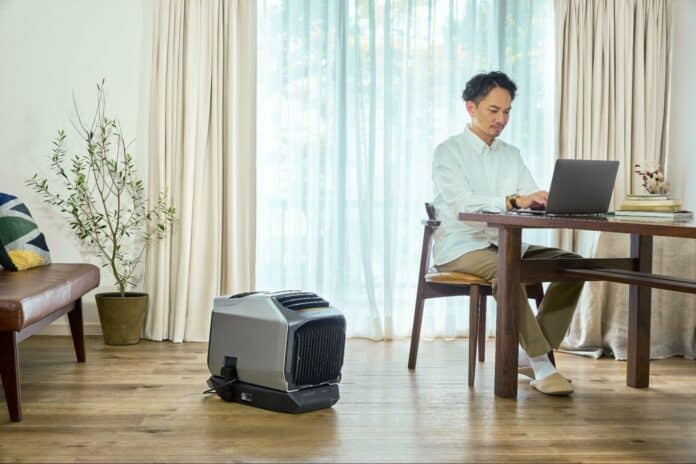
Image Source: blog.ecoflow.com
Running Your Portable Air Conditioner Non-Stop: What to Expect
Many people ask, “Can you run a portable air conditioner continuously?” The simple answer is yes, most portable air conditioners are built to run for long periods, even days at a time, but how long they can run versus how long they should run depends on several factors. While designed for extended use, continuous operation without breaks or maintenance can potentially reduce the unit’s lifespan and lead to problems. The typical portable air conditioner continuous use involves periods much longer than a few hours, often throughout a hot day or night.
Decoding Portable AC Design for Extended Use
Portable air conditioners are complex machines. They work by pulling in warm air from a room. Inside the unit, a refrigerant absorbs heat from this air. The unit then pushes the heat outside, usually through a hose vented out a window. Cool air is blown back into the room.
Key Components and Their Role in Runtime:
- Compressor: This is like the heart of the AC. It pumps the refrigerant. Running non-stop puts stress on the compressor.
- Condenser and Evaporator Coils: These coils exchange heat. They need good airflow to work right.
- Fan: The fan moves air over the coils and into the room.
- Thermostat: This part tells the unit when to turn on or off to keep a set temperature.
- Water Tank or Drain System: As air cools, water is removed from it (condensation). This water collects and must be dealt with. Emptying portable AC water is a key part of maintenance during long runs.
These parts are built for heavy use. However, like any machine, they can wear out. The way they are used affects how long they last.
How Long is ‘Continuous’? Grasping Duty Cycle
The idea of a Portable AC duty cycle is important here. A duty cycle is the ratio of time a device is active compared to the time it is inactive over a period. For consumer appliances like portable ACs, manufacturers design them to run for many hours. However, they are not typically made to run forever without stopping.
Most units are designed to reach a set temperature and then cycle off and on. True non-stop running happens if the room never reaches the target temperature, forcing the unit to work constantly. This can happen in very hot conditions or if the unit is too small for the room.
While a portable AC can run for days, this isn’t its typical duty cycle in a properly sized space. The duty cycle involves cooling, then resting, then cooling again. Running portable AC non-stop puts maximum stress on the components, especially the compressor.
Potential Issues of Running Portable AC Non-Stop
Running a portable AC without breaks raises some concerns. These issues can shorten the Portable AC lifespan.
- Overheating: This is a major risk. Portable AC overheating risks happen when parts like the compressor or motor work too hard for too long.
- Poor airflow (blocked vents, dirty filters) makes the unit work harder.
- High outside temperatures can make the heat exchange less effective, straining the system.
- Lack of maintenance can cause internal parts to heat up.
- Overheating can trip internal safety switches, shutting the unit off. In severe cases, it can cause permanent damage.
- Component Wear and Tear: Moving parts, especially the compressor and fan motor, wear down faster when they run constantly. Seals can degrade, and electrical components can fail due to prolonged heat and stress. This speeds up Signs of portable AC failure.
- Water Management Problems: Portable ACs remove moisture from the air. This water collects in a tank or drains out. If you are Running portable AC non-stop, the water tank will fill up faster. If the tank gets full and the unit doesn’t have an auto-shutoff or drain constantly, it can stop cooling or even leak water.
- Reduced Efficiency: A unit running non-stop in conditions it can barely handle uses a lot of energy. It might not cool effectively and will drive up your Portable AC energy consumption.
The Critical Need for Emptying Portable AC Water
As mentioned, portable ACs remove water vapor from the air as they cool. This process is called condensation.
- Why Water Collects: When warm, humid air passes over the cold evaporator coils, the moisture in the air turns into liquid water.
- How Units Handle Water:
- Collection Tank: Many smaller units have a tank inside. You must Emptying portable AC water from this tank regularly. If the tank is full, most units will stop cooling or show a warning light.
- Self-Evaporating System: Some units evaporate most of the water and send it out with the hot exhaust air. These still might have a small tank or need draining in very humid conditions.
- Drain Hose: Many units have a drain port where you can attach a hose. This allows water to drain continuously into a bucket or floor drain. This is ideal for Portable air conditioner continuous use.
Ignoring the water collection can lead to problems:
- Unit shuts off.
- Risk of water overflowing and damaging floors or carpets.
- Standing water can become a breeding ground for mold and bacteria, leading to bad smells.
If you plan on Running portable AC non-stop for extended periods (like overnight or for days), setting up a continuous drain system is highly recommended. This avoids the need to wake up or constantly check the tank.
Keeping Your Unit Healthy: Portable AC Maintenance Schedule
Regular care is vital for letting your portable AC run for long periods safely and effectively. A consistent Portable AC maintenance schedule helps prevent overheating, improves performance, and extends the unit’s life.
Here are key maintenance tasks:
- Filter Cleaning: This is the most important task. Filters trap dust, pet hair, and other particles from the air.
- Why it matters: Dirty filters block airflow. Reduced airflow makes the unit work harder, can cause freezing on the coils, and is a major cause of overheating.
- How often: Check and clean filters every week, especially if running the unit often or in dusty conditions. Most filters are washable with warm, soapy water.
- Checking the Exhaust Hose and Window Kit: Make sure the hose is not kinked or blocked. Ensure the window kit is sealed well.
- Why it matters: Proper venting is crucial for getting hot air out. Poor venting makes the unit less effective and can lead to overheating as hot air isn’t removed efficiently.
- Checking the Air Intake and Outlet Vents: Ensure nothing is blocking the vents on the unit itself.
- Why it matters: Good airflow into and out of the unit is necessary for cooling and preventing overheating.
- Draining Water: As discussed, drain the water tank often or set up continuous drainage.
- Why it matters: Prevents overflow, stops the unit from shutting off, and reduces mold risk.
- Cleaning the Coils (if accessible): Some portable ACs allow access to the coils for cleaning. Use a soft brush or vacuum with a brush attachment to gently remove dust.
- Why it matters: Clean coils transfer heat better, improving efficiency and reducing strain.
- Checking the Power Cord: Ensure the cord is not damaged or frayed.
- Why it matters: A damaged cord is a fire hazard.
Sticking to a regular Portable AC maintenance schedule makes a big difference in how well and how long your unit can run without issues.
Can Portable AC Run for Days? Factors Affecting Extended Operation
Yes, in theory, a portable AC Can portable AC run for days. However, successful extended operation depends heavily on:
- Unit Quality and Design: A well-built unit from a reputable brand with good components is more likely to handle long runtimes than a cheap, flimsy one. Dual-hose units tend to be more efficient and might handle heat better during long runs than single-hose units.
- Room Size and Heat Load: Is the unit properly sized for the room? If the room is too big or gets a lot of sun, the unit might struggle and have to run constantly, increasing wear. A unit that cycles off and on occasionally will last longer than one forced to run non-stop.
- Environmental Conditions: Extremely high temperatures or very high humidity levels make the unit work harder.
- Proper Installation and Venting: The exhaust hose must be vented outside effectively. Poor venting means the unit is fighting against its own exhaust heat, reducing efficiency and increasing strain.
- Maintenance: As already stressed, clean filters and clear vents are non-negotiable for long runtimes.
If these factors are favorable (good unit, right size room, proper venting, regular cleaning), a portable AC can indeed run for days continuously, cycling on and off as needed to maintain the temperature. Problems arise when the unit is undersized, poorly vented, dirty, or operating in extreme heat, forcing it into a constant high-stress mode.
Signs Your Portable AC is Struggling or Failing
Knowing the Signs of portable AC failure or stress can help you intervene before a major breakdown, especially when Running portable AC non-stop.
Look out for these warnings:
- Reduced Cooling Power: The room is not getting as cool as it used to, even when running for a long time.
- Making Unusual Noises: Grinding, rattling, or loud buzzing sounds can signal problems with the fan motor, compressor, or other internal parts.
- Strange Smells: Burning smells can indicate electrical issues or an overheating motor. Moldy smells can come from standing water or dirty coils/filters.
- Frequent Shut-offs: The unit keeps turning itself off before the desired temperature is reached, possibly due to overheating protection engaging or a full water tank.
- Leaking Water (Aside from Expected Draining): Leaks from places other than the drain port can mean cracks in the tank, issues with internal drainage, or ice build-up on the coils.
- Ice Build-up on Coils: If you can see ice on the coils, it usually means there is an airflow problem (dirty filter, blocked vent) or low refrigerant.
- Unit Feels Very Hot to the Touch: While some parts get warm, the casing should not feel excessively hot. This is a sign of Portable AC overheating risks.
- Error Codes: Many modern units display codes that point to specific issues, like a full water tank or sensor problems. Check your manual to interpret these.
If you notice any of these Signs of portable AC failure, it’s best to turn the unit off, check the basics (filter, drainage, vents), and consult the manual or a technician if the problem continues. Pushing a struggling unit by Running portable AC non-stop will likely cause more damage.
Considering Portable AC Energy Consumption
Running an air conditioner, whether portable or central, uses a significant amount of electricity. Your Portable AC energy consumption depends on several factors:
- Unit Size (BTUs): Higher BTU units, designed for larger rooms, use more power than smaller units.
- Energy Efficiency Rating (EER): A higher EER number means the unit uses less energy for the same amount of cooling. Look for units with good EER ratings if energy cost is a concern, especially for Portable air conditioner continuous use.
- Room Size vs. Unit Size: An undersized unit running constantly to cool a large room will use more energy than a properly sized unit that cycles on and off.
- Thermostat Setting: Setting the temperature very low forces the unit to run longer. Each degree higher can save energy.
- Insulation and External Heat: A well-insulated room with blocked sunlight will stay cool longer, reducing run time and energy use compared to a leaky room with direct sun exposure.
Running portable AC non-stop naturally means higher energy bills compared to using it intermittently. If you plan on letting it run for days, be prepared for a noticeable increase in your electricity usage. Using timers or smart plugs to only run the unit when needed can help manage Portable AC energy consumption.
Extending Your Portable AC Lifespan
The average Portable AC lifespan is typically between 5 to 10 years. However, this can vary greatly based on usage, maintenance, and quality. To get the most out of your investment, especially if you use it for Portable air conditioner continuous use:
- Follow the Maintenance Schedule: This is the single most important factor. Clean filters, drain water, and check vents regularly.
- Size the Unit Correctly: Use an AC that is appropriate for the room size. An overworked unit fails faster.
- Ensure Proper Venting: An efficient setup reduces strain. Avoid long, kinked hoses. Keep the hose as straight and short as possible.
- Don’t Use in Extreme Conditions (if possible): While they work in heat, pushing a unit to cool a space far beyond its capacity or in extremely high ambient temperatures for prolonged periods increases wear.
- Store Properly: When not in use (like in winter), clean the unit thoroughly, drain all water, and store it upright in a dry, protected place.
- Address Problems Early: Don’t ignore strange noises or reduced performance. Dealing with small issues can prevent them from becoming major failures.
By taking care of your unit and being mindful of its limits, you can significantly extend its Portable AC lifespan, even with frequent or Portable air conditioner continuous use.
Tips for Running Portable AC for Days Safely and Effectively
If you need to Can portable AC run for days, perhaps during a heatwave or in a server room, follow these tips for safer operation:
- Set Up Continuous Drainage: Connect a hose to the drain port and direct it to a floor drain or a large container outside a window. This is crucial to avoid manual emptying and prevent overflow.
- Clean Filters Before Starting: Ensure the air filters are spotless for maximum airflow.
- Check Venting is Optimal: Make sure the exhaust hose is securely connected, not kinked, and the window seal kit is properly installed to prevent hot air from leaking back in.
- Ensure Proper Clearance: Don’t push the unit directly against a wall or furniture. Allow several inches of space around the intake and exhaust vents for good air circulation.
- Monitor the Unit: Periodically check on the unit. Listen for unusual noises, feel the casing for excessive heat, and check for any unexpected leaks.
- Consider Giving it a Break (if possible): If temperatures cool down overnight, even a few hours off can benefit the unit, allowing parts to cool down.
- Use a Properly Sized Unit: An AC that is struggling will fail faster than one that can comfortably cool the space.
- Manage Room Heat: Close curtains or blinds to block direct sunlight. Use fans to help circulate the cool air the AC produces. This reduces the workload on the AC.
By following these steps, you can maximize the chances of your portable AC running safely and effectively for extended periods, even Running portable AC non-stop for several days if necessary.
When Portable AC Failure is Near
Recognizing the Signs of portable AC failure is key to deciding whether to repair or replace. Beyond the specific signs listed earlier (bad noises, poor cooling, leaks, error codes), general indicators of an aging unit include:
- Increased Frequency of Issues: It needs cleaning or draining much more often than before, or problems keep popping up.
- Higher Energy Bills: The unit might be losing efficiency, using more power to provide the same cooling.
- It’s Very Old: If your unit is approaching or past the 10-year mark, components are naturally wearing out.
- Repairs are Expensive: If a major part like the compressor fails, the cost of repair might be close to buying a new unit.
While a well-maintained unit can handle Portable air conditioner continuous use for stretches, constant use over many years will contribute to its eventual decline. Being aware of these signs helps you prepare for replacement.
Portable AC Energy Consumption and Your Wallet
Let’s look a bit closer at Portable AC energy consumption. These units can use anywhere from 500 watts (for very small units) to over 1500 watts (for larger ones). To get a rough idea of the cost of Running portable AC non-stop:
- Find the wattage of your unit (check the label or manual).
- Find your electricity rate (in dollars or cents per kilowatt-hour, kWh, on your power bill).
- Calculate: Watts / 1000 = Kilowatts (kW)
- Calculate: kW × Hours Run × Cost per kWh = Total Cost
Example: A 1000-watt (1 kW) unit running for 24 hours at a rate of $0.15 per kWh.
1 kW × 24 hours × $0.15/kWh = $3.60 for one day of continuous use.
Running it for 7 days non-stop would be about $25.20.
This cost adds up, especially with larger units or higher electricity rates.
Choosing an energy-efficient model (high EER) and using strategies to reduce run time (like improving room insulation or using timers) can help lower your Portable AC energy consumption when planning for Portable air conditioner continuous use.
Frequently Asked Questions (FAQ)
Q: How often do I need to empty the water from my portable AC if I run it all the time?
A: This depends on the humidity level and the unit’s self-evaporation capability. In very humid conditions, a collection tank can fill up every few hours. If you plan on Running portable AC non-stop for extended periods like overnight or for days, setting up a continuous drain hose is the best solution to avoid needing to empty it manually.
Q: Will running my portable AC non-stop ruin it?
A: Not necessarily, as they are designed for long runtimes. However, Running portable AC non-stop, especially without proper maintenance or if the unit is struggling, increases wear and tear on parts, raises Portable AC overheating risks, and can shorten the overall Portable AC lifespan.
Q: Can a portable AC really run for days straight?
A: Yes, they Can portable AC run for days if the conditions are right (unit properly sized, well-maintained, good venting) and they are able to cycle on and off as needed to maintain the set temperature. True continuous operation (never cycling off) puts more stress on the unit.
Q: How do I know if my portable AC filter needs cleaning?
A: You can usually see dust and debris on the filter. Even if it doesn’t look very dirty, checking and cleaning it weekly when using the unit often is part of good Portable AC maintenance schedule. Reduced airflow and cooling are also signs of a dirty filter.
Q: What are the main Signs of portable AC failure to watch out for?
A: Key Signs of portable AC failure include reduced cooling, strange noises, unusual smells (like burning or mold), frequent automatic shut-offs, and leaks (not from the drain).
Q: Does Running portable AC non-stop use a lot of electricity?
A: Yes, Portable AC energy consumption is directly related to how long the unit runs and its wattage. Running portable AC non-stop will use significantly more electricity than using it only when needed, leading to higher energy bills.
Q: What is a portable AC duty cycle?
A: A Portable AC duty cycle refers to the amount of time the unit is actively running versus resting. Ideally, in a properly sized room, the unit cycles on and off as the thermostat calls for cooling, rather than running 100% of the time.
Q: Is continuous drainage necessary for Portable air conditioner continuous use?
A: While not strictly “necessary” if you are diligent about emptying the tank very frequently (which might be impractical), continuous drainage is highly recommended for true Portable air conditioner continuous use for days to prevent the tank from overflowing or the unit from shutting off.
Q: What temperature should I set my portable AC for the most efficient continuous use?
A: Setting the thermostat to a moderate temperature (like 75-78°F or 24-26°C) is more energy-efficient than setting it very low. This allows the unit to cycle off more often, reducing strain and Portable AC energy consumption.
Running a portable air conditioner continuously is possible and often necessary during hot weather. By understanding how your unit works, performing regular maintenance, managing water effectively, and recognizing signs of stress, you can ensure your portable AC operates safely and effectively for extended periods, maximizing its performance and prolonging its Portable AC lifespan.