
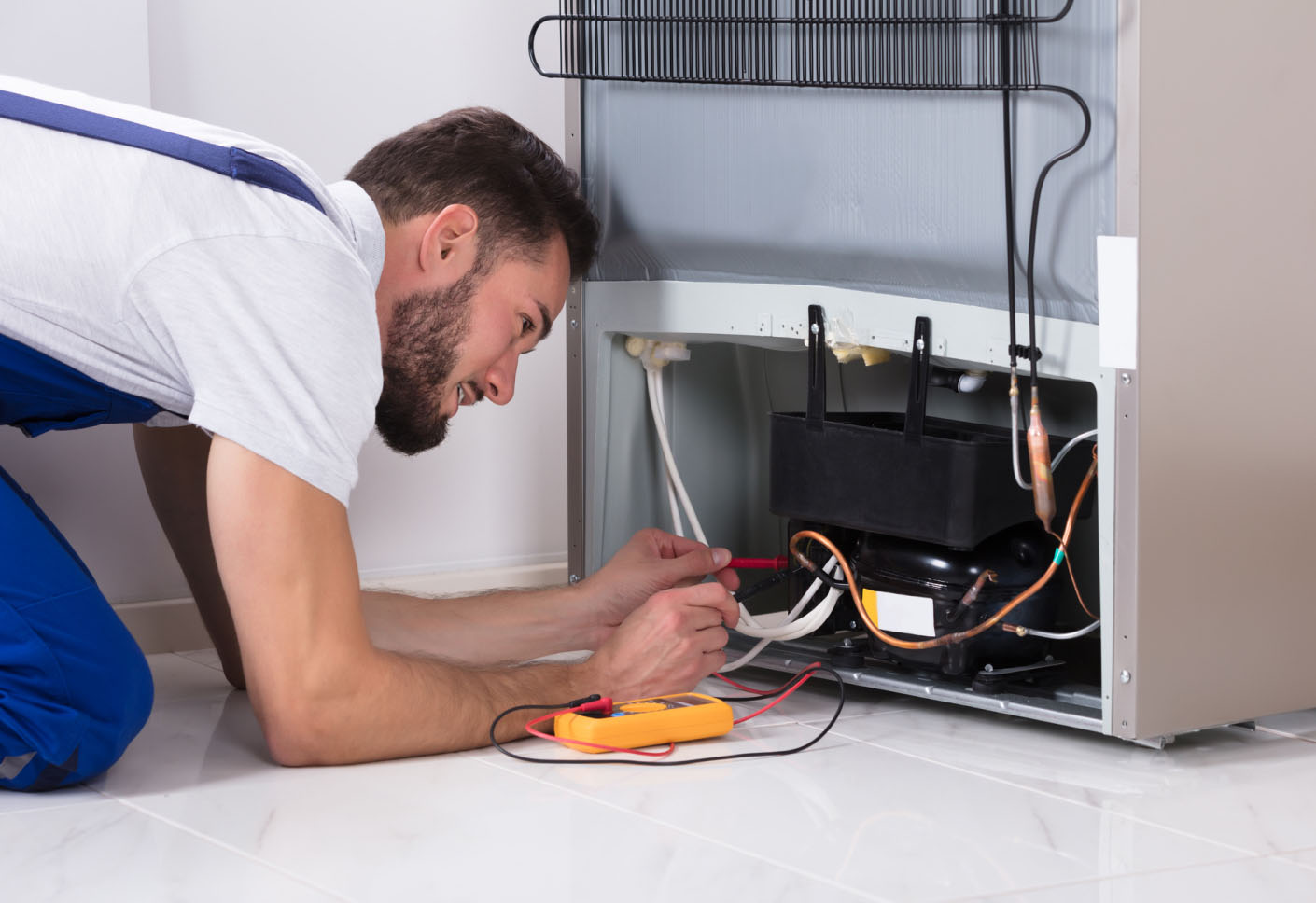
Image Source: appliancerepairexpert.ca
How Hot Should Fridge Compressor Get: Is Yours Too Hot?
Is your fridge compressor supposed to be hot? Yes, it is normal for a fridge compressor to feel warm or even hot to the touch. How hot should a fridge compressor get? A normal compressor temperature can range from quite warm to hot, often between 150°F and 175°F (about 65°C to 80°C) during operation. It gets this hot because it’s doing hard work to cool your fridge. But if it feels extremely hot, or if the fridge is not cooling well, it could mean there is a problem.
What Your Fridge Compressor Does
Think of the compressor as the heart of your fridge. It keeps everything cold. It’s a small motor and pump system. It makes the special liquid inside the fridge move. This liquid is called refrigerant.
The Job of the Compressor
The compressor pulls in the refrigerant gas. It squeezes this gas very hard. Squeezing a gas makes it hot. It also puts the gas under high pressure. This hot, high-pressure gas then travels through pipes. These pipes are usually on the back or bottom of the fridge. They are called condenser coils.
Why the Compressor Gets Warm
The compressor works hard. It squeezes gas and pushes it around. Any motor that works hard gets warm. This is normal. It’s like a car engine. It gets hot when you drive the car.
The Cooling Cycle
The fridge cools food using a simple trick.
1. Compressor Squeezes: The compressor squeezes cool gas. It becomes hot gas.
2. Condenser Cools: This hot gas goes into coils (condenser coils). Air passes over these coils. The air takes heat away from the gas. The hot gas cools down. It turns back into a liquid.
3. Liquid Flows: The liquid refrigerant flows through a small tube. It goes into the fridge’s cold section.
4. Evaporator Cools Fridge: In the cold section (evaporator coils), the liquid turns back into gas. When a liquid turns into a gas, it takes heat from around it. This takes heat from inside the fridge. The fridge gets cold.
5. Cycle Repeats: The gas goes back to the compressor. The cycle starts again.
Because the compressor is squeezing hot gas and working hard, it naturally gets hot itself. This is part of its job.
What a Normal Temperature Looks Like
It is important to know what is a normal compressor temperature. As we said, it can feel very warm or hot. This is usually okay. The fridge compressor temperature range can vary. It depends on the fridge model and how hard it is working.
Typical Compressor Temperature Range
- Running: When the compressor is running, its surface temperature can be anywhere from 150°F to 175°F (about 65°C to 80°C). Some might even reach 180°F (about 82°C) in hot rooms or if the fridge door is opened often.
- Off: When the compressor stops, it cools down. It will feel cooler than when it is running.
You can’t easily measure the inside compressor motor temperature. What you feel is the outside casing. This casing gets hot because of the motor inside and the hot gas it’s moving.
Feeling the Heat
You can feel the side of the compressor. It is a black, round or oval part. It is usually at the back bottom of the fridge. It should feel very warm or hot when the fridge is cooling. Be careful not to touch hot pipes nearby.
Is fridge compressor supposed to be hot? Yes, very much so when it is running.
When is it Too Hot?
It can be hard to tell when a compressor is too hot just by touching it. What feels “very hot” to one person might feel “too hot” to another. However, there are signs that your normal compressor temperature has gone too high. This means the compressor is overheating.
Signs of Overheating
- Extremely Hot: The compressor feels much hotter than usual. It might feel like you cannot keep your hand on it for even a second. (Be very careful doing this test).
- Burning Smell: You might smell something burning. This could be the motor winding getting too hot.
- Loud Noises: The compressor makes strange, loud noises. It might hum very loudly, rattle, or click repeatedly without starting.
- Frequent Stopping: The compressor tries to start, clicks off quickly, and tries again. This is often a sign of a starting problem caused by heat.
- Fridge Not Cooling: This is a major sign. If the compressor is overheating, it cannot work right. The fridge inside will get warm. This is a clear sign of fridge not cooling issues.
- Condenser Coils are Not Hot: The condenser coils (pipes on the back) should be warm or hot when the fridge is running. If the compressor is very hot but the coils are cool, heat is not moving correctly. This is a sign of fridge compressor issues.
If you see these signs, your compressor might be overheating. This needs to be checked out.
Finding Out Why it’s Getting Too Hot
Several things can cause a fridge compressor overheating causes. Most of these reasons stop the fridge from getting rid of heat the way it should.
Common Causes of Overheating
Here are the main reasons a compressor gets too hot:
- Dirty Condenser Coils: This is a very common cause. The condenser coils are where the hot gas cools down. If they are covered in dust, dirt, or pet hair, heat cannot leave the coils. The hot gas stays hot. The compressor has to work much harder. This makes the compressor hotter and can lead to fridge not cooling. The condenser coil temperature will be high, but heat can’t escape into the air.
- Poor Airflow: The fridge needs space around it. It needs air to move over the condenser coils. If the fridge is pushed too close to a wall, or if things are blocking the vents, air cannot flow. The heat stays trapped. This makes the compressor hotter.
- Low Refrigerant: The refrigerant is the stuff that cools the fridge. If the fridge has a leak and loses some refrigerant, the system doesn’t work right. The compressor might run constantly trying to get the fridge cold. This constant running makes it overheat. Also, the system might not be able to move heat effectively.
- Faulty Start Relay: The start relay helps the compressor motor start. If it’s bad, the compressor might try and fail to start many times. This can cause the relay and the compressor to get very hot before a safety switch turns it off. This is a common fridge compressor issues.
- Faulty Start Capacitor: Like the relay, the capacitor helps the motor start. If it’s weak or bad, the compressor may struggle. This struggle can make it overheat.
- Problem with the Compressor Motor Itself: The motor inside the compressor can wear out or have internal problems. It might draw too much power or not run smoothly. This causes it to heat up excessively. This is a serious fridge compressor issues.
- Overloading the Fridge: Putting a lot of warm food into the fridge at once makes the compressor run for a very long time to cool it all down. Running constantly can make it very hot.
- Hot Room Temperature: If the room where the fridge is located is very hot (like a garage in summer), the fridge has to work much harder. This can push the compressor temperature higher than usual.
- Blocked or Frozen Evaporator Coils: These coils are inside the freezer section. If they freeze up with too much ice, air cannot move over them. The system cannot remove heat from the fridge. The compressor runs and runs, trying to cool things, and can overheat.
Understanding these potential fridge compressor overheating causes helps in troubleshooting hot fridge compressor.
Troubleshooting a Hot Fridge Compressor
If your fridge compressor feels too hot or you see signs of overheating, there are steps you can take. This is part of troubleshooting hot fridge compressor. Some steps you can do yourself. Others need a professional for refrigerator repair.
Simple Checks You Can Do
1. Check the Condenser Coils:
* Location: They are usually on the back of the fridge or underneath behind a kick plate.
* Task: Look at them. Are they covered in dust, dirt, or pet hair?
* Fix: Unplug the fridge first! Use a vacuum cleaner with a brush attachment to gently clean the coils. Get all the dust off.
2. Check Airflow Around the Fridge:
* Task: Make sure the fridge is not pushed right against the wall. Check the sides too.
* Requirement: Most fridges need a few inches of space on the back and sides for air to move freely.
* Check Top Vent: Don’t store things like boxes or baskets on top of the fridge if they block vents.
3. Check the Door Seals:
* Task: Make sure the fridge and freezer doors are closing tightly.
* How to Check: Close the door on a piece of paper. Try to pull the paper out. It should be hard to pull. Do this all around the door seal.
* Problem: If seals are bad, warm air leaks into the fridge. The compressor runs constantly to fight the warm air. This makes it overheat.
4. Check What’s Inside:
* Task: Did you just load the fridge with warm groceries? Is the freezer packed too full?
* Note: It’s okay for the compressor to run longer after filling the fridge. But it should eventually cycle off.
5. Check the Room Temperature:
* Task: Is the room unusually hot?
* Note: If the room is very hot, the fridge works harder. This is normal, but watch for other signs of overheating.
When to Do More Checks (Requires some skill/care)
6. Check the Evaporator Coils (Inside the Freezer):
* Task: Open the freezer door. Remove the back panel (you might need tools). Look at the metal coils under the panel.
* Problem: Are they covered in a thick layer of white frost? This is not just a light dusting. It will look like snow or ice covering the coils completely.
* Meaning: If they are covered, the defrost system is likely broken. This causes the fridge not cooling issue and makes the compressor run too much. You might need a refrigerator repair technician for this.
7. Listen to the Compressor:
* Task: Listen closely to the sound it makes when it tries to start and run.
* Normal: A steady hum.
* Problem: Clicking sounds right before it shuts off? Loud buzzing? This could be a bad start relay or capacitor. This is a fridge compressor issues sign.
Dealing with Start Problems (Relay/Capacitor)
If you hear clicking and the compressor isn’t starting properly, it’s often the start relay or capacitor. These parts help the motor get going.
How They Cause Overheating
When the relay or capacitor is bad, the compressor tries to start but can’t get enough power. It sits there, humming or clicking, drawing power, and heating up quickly. A safety switch then turns it off to stop it from burning out. It will try again a few minutes later, get hot again, and click off again.
Repairing Start Components
- Part Location: The start relay and capacitor are usually plugged into the side of the compressor. They are often inside a small cover.
- Replacing: You can often replace these parts yourself if you are comfortable with basic electrical work and unplugging the fridge. Always unplug the fridge before touching these parts.
- Warning: If you are not comfortable, call a refrigerator repair professional. They can test these parts safely and replace them.
Replacing a faulty start relay or capacitor is often cheaper than replacing the whole compressor. It can fix fridge compressor issues quickly.
When to Call a Refrigerator Repair Professional
Some problems causing a hot compressor need expert help. Do not try to fix these yourself unless you have proper training.
Problems Needing a Pro
- Low Refrigerant: If your fridge is low on refrigerant, it means there is a leak somewhere in the sealed system. Finding and fixing a leak, and then refilling the refrigerant, requires special tools and skills. This is a job for refrigerator repair.
- Bad Compressor Motor: If the motor inside the compressor is truly bad, the whole compressor needs to be replaced. This is a complex, expensive repair. It needs a skilled technician to cut and weld pipes and recharge the system. This is a major fridge compressor issues.
- Defrost System Failure: If the evaporator coils are frozen solid, the defrost heater, defrost thermostat, or defrost timer (or control board) is likely bad. A technician can figure out which part failed and replace it.
- Control Board Problems: Sometimes, the main electronic board that controls the fridge can fail. It might tell the compressor to run constantly or not start correctly, leading to overheating. A technician can diagnose board problems.
If you have cleaned the coils, checked airflow, and checked door seals, but the compressor is still overheating and the fridge isn’t cooling, it is time to call for refrigerator repair.
Keeping Your Compressor Cool: Maintenance Tips
Preventing overheating is better than fixing it. Here are simple maintenance steps to keep your compressor working well at a normal compressor temperature.
Simple Maintenance Steps
- Clean the Condenser Coils Regularly: Do this at least once or twice a year. More often if you have pets that shed a lot of hair. This is the single most important thing you can do. Remember to unplug the fridge first.
- Ensure Good Airflow: Make sure the fridge has enough space around it. Don’t push it flat against the wall. Keep the top clear.
- Check Door Seals: Test your door seals every few months to make sure they are sealing properly.
- Avoid Overpacking: Don’t cram too much warm food into the fridge or freezer at once. Let large amounts of hot food cool down a bit before putting them in.
- Set the Right Temperature: Don’t set the temperature much lower than needed. The standard is usually 35-38°F (1.7-3.3°C) for the fridge and 0°F (-18°C) for the freezer. Setting it colder makes the compressor work harder.
- Listen to Your Fridge: Pay attention to the sounds it normally makes. If you hear strange noises, it might be an early sign of trouble, like fridge compressor issues.
Regular cleaning and checking airflow will help your compressor stay within its fridge compressor temperature range and last longer.
Summary of Key Points
- A fridge compressor gets hot because it squeezes gas and works hard. This is normal.
- A normal compressor temperature can be 150°F to 175°F (65°C to 80°C) or even a bit higher when running.
- Signs of a problem include the compressor being extremely hot, burning smells, loud noises, clicking, and the fridge not cooling.
- Common fridge compressor overheating causes include dirty condenser coils, poor airflow, low refrigerant, or bad start parts.
- You can clean coils, check airflow, and test door seals yourself for troubleshooting hot fridge compressor.
- Problems like low refrigerant, a bad compressor motor, or a broken defrost system need a refrigerator repair professional.
- Regular cleaning of coils and ensuring good airflow are key maintenance steps.
Knowing what is a normal compressor temperature and watching for signs of fridge compressor issues can help you catch problems early. This can save you money and keep your food cold and safe.
Frequently Asked Questions
How hot should the back of my fridge be?
The back of the fridge, where the condenser coils are often located, should feel warm or hot when the compressor is running. This is where the fridge gets rid of heat. The coils might feel cooler towards the bottom as the refrigerant cools down. The heat from these coils is why the compressor gets hot.
Can a hot compressor cause my fridge to stop cooling?
Yes, definitely. If a compressor gets too hot, it can overheat and shut down. This is a safety feature. When the compressor stops working, the fridge cannot cool. This is a main reason for fridge not cooling. It also indicates fridge compressor issues.
How long should a fridge compressor run?
A fridge compressor cycles on and off. It runs to cool the fridge down to the set temperature, then turns off. How long it runs depends on many things:
* How warm the room is.
* How often the door is opened.
* How much food is inside.
* The size and design of the fridge.
* Whether the defrost cycle is running.
In a normal home setting, it might run anywhere from 30% to 80% of the time. If it runs constantly for hours and hours without the fridge getting cold, this is a sign of trouble.
Why does my fridge compressor click on and off?
Repeated clicking, especially when the compressor tries to start but doesn’t stay running, is often a sign of a bad start relay or start capacitor. These parts help the motor get enough power to start. If they are bad, the compressor tries, fails, and a safety switch clicks it off to prevent damage. This is a clear sign of fridge compressor issues.
Is it safe to touch the compressor?
Yes, it is generally safe to briefly touch the outside casing of the compressor to feel its temperature. However, be careful. It can be very hot, enough to cause a burn if you hold on too long. Also, be careful of hot pipes nearby. Always unplug the fridge before cleaning or doing any checks near electrical parts.
How often should I clean the condenser coils?
Most experts suggest cleaning them at least once or twice a year. If you have pets that shed, or if the fridge is in a dusty area, cleaning them more often, like every 3-6 months, is a good idea. This helps keep the normal compressor temperature in the right range.
Can a dirty compressor cause a fire?
While less common than other issues, extreme overheating caused by severe dirt buildup or a faulty component could potentially be a fire risk over time, especially if electrical parts fail. Keeping the fridge clean and in good working order is always the safest approach. Regular maintenance helps avoid fridge compressor overheating causes.
How much does it cost to replace a fridge compressor?
Replacing the compressor is one of the most expensive refrigerator repair jobs. It can cost several hundred dollars, sometimes even over a thousand, depending on the fridge and the technician. This is why fixing smaller issues like cleaning coils or replacing a start relay is always the first step.
Does the age of the fridge affect compressor heat?
Older compressors might run hotter than newer, more energy-efficient models. Also, parts in older fridges are more likely to wear out, leading to problems that cause overheating. Regular maintenance is even more important for older units.
What is the difference between the compressor and the condenser?
The compressor is the motor/pump unit that squeezes the gas. The condenser is the set of coils (pipes) where the hot, squeezed gas travels to release its heat into the air. They work together in the cooling cycle. The compressor makes the gas hot, and the condenser gets rid of that heat. The heat from the condenser makes the compressor stay hot too.