
How many amps does an electric oven use? How many watts does an electric oven use? Most electric ovens used in homes pull between 20 amps and 50 amps of electric current when they are heating up. A typical oven uses about 2,000 to 5,000 watts of power. Ovens need a lot of power to get hot. This is why they use a special strong electrical connection and a specific safety switch called a circuit breaker in your home’s electrical box. The exact amount of amps and watts depends on the oven’s size, features, and if it’s part of a range (with burners on top) or a double oven.
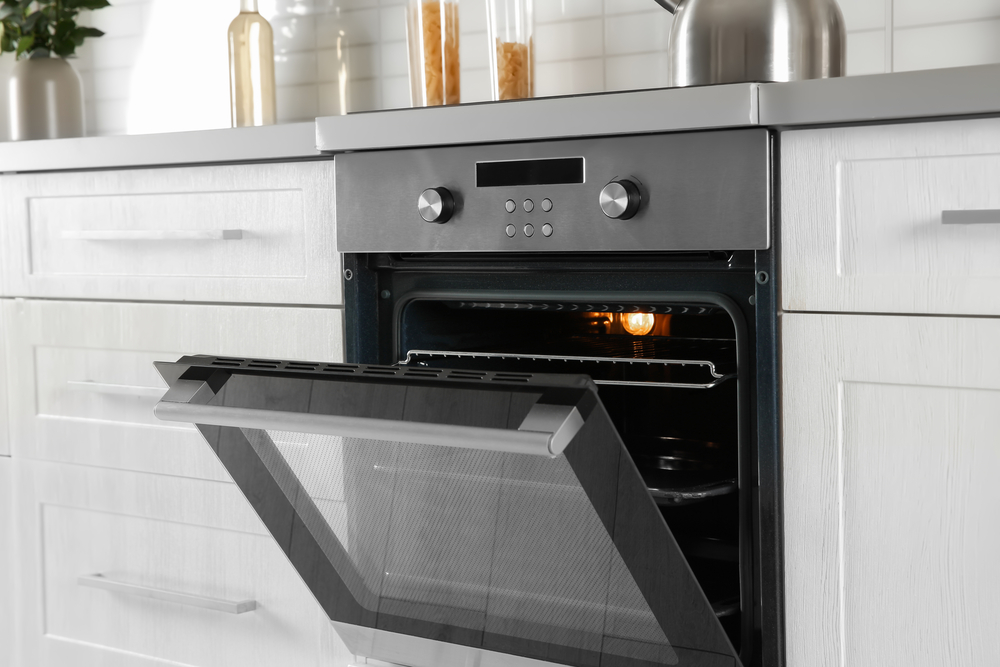
Image Source: www.electricrate.com
Grasping Electrical Power: Amps, Volts, and Watts
Let’s talk about how electricity works in your home. Think of electricity like water flowing in pipes.
- Volts (Voltage): This is like the water pressure. It’s the push that makes the electricity move. In most homes in North America, large appliances like ovens use 240 volts. Smaller things like lamps and TVs use 120 volts. The higher the voltage, the more “push” there is.
- Amps (Amperage): This is like the amount of water flowing through the pipe. It’s the volume of electric current moving. The more amps an appliance uses, the more electricity is flowing to it at any moment.
- Watts (Wattage): This is the total power the appliance uses. It’s like how much work the water flow can do (like turn a water wheel). Watts combine the pressure (volts) and the flow (amps). It shows the total power consumption.
The simple link between them is: Watts = Volts x Amps.
This also means: Amps = Watts / Volts.
So, to find out how many amps an oven uses, you usually need to know its wattage and the voltage it uses. Since most ovens use 240 volts, the amps mainly depend on the oven’s wattage. Higher wattage means more power, which means more amps flowing.
Electric Oven Wattage and Power Use
Electric oven wattage tells you how much power the oven needs to work. This number is usually listed in watts (W).
- The wattage is highest when the oven is first heating up. The heating elements use a lot of power to get hot fast.
- Once the oven reaches the set temperature, the wattage (and amp draw) drops. The heating elements turn on and off to keep the temperature steady. They use less power overall to maintain the heat than to create it from cold.
- Features like self-cleaning use a lot of power. The oven gets much hotter during self-cleaning than normal cooking. This means higher oven power consumption during that time.
Knowing the oven’s wattage is key. It helps you figure out the amps and make sure your home’s electrical system can handle it safely. How many watts does an electric oven use? It varies a lot, but numbers like 2,000W, 3,000W, 4,000W, or even more for ranges or double ovens are common.
Why Amperage Matters: Safety and Circuits
Knowing the amperage your oven uses is super important for safety. Your home’s electrical system is built to handle a certain amount of electric flow (amps).
- Each part of your electrical system, like wires and circuit breakers, has a limit on how many amps it can safely carry.
- If you try to pull more amps through a wire or circuit breaker than it is built for, they can get too hot.
- This can melt wires, damage the appliance, or even start a fire.
This is where the electric oven circuit breaker and the dedicated oven circuit come in.
Deciphering the Electric Oven Circuit Breaker
Every electrical circuit in your home is protected by a circuit breaker (or an old-style fuse). The circuit breaker is a safety switch.
- It measures the amount of amps flowing through the wire.
- If the amps go above a safe limit for that circuit, the breaker “trips.” This means it quickly shuts off the power to stop the flow of electricity. This prevents the wires from getting too hot.
- Circuit breakers have different ratings, measured in amps (e.g., 15A, 20A, 30A, 40A, 50A). This rating is the maximum amp flow it allows before tripping.
For high-power appliances like electric ovens, you need a specific type of circuit breaker and a specific type of wire.
The Importance of a Dedicated Oven Circuit
An electric oven needs its own dedicated oven circuit. This means:
- The oven is the only appliance connected to that specific circuit breaker and set of wires.
- It doesn’t share power with lights, outlets, or other appliances like a microwave or toaster.
Why is a dedicated circuit necessary?
- High Amperage Draw: Ovens use a lot of amps, especially when heating up or self-cleaning. If they shared a circuit with other things, the total amp draw would likely be too high for the breaker, causing it to trip constantly.
- Safety: Having a dedicated circuit with the right size wire and breaker ensures the circuit can handle the oven’s full power needs safely. It reduces the risk of overheating and fire.
- Reliability: You don’t want your oven shutting off in the middle of baking because you turned on the microwave in the kitchen. A dedicated circuit provides reliable power.
The size of the dedicated circuit (the breaker’s amp rating and the wire thickness) must match the oven’s electrical requirements.
Oven Voltage: The Power Behind the Heat
As mentioned, most standard electric ovens in North America use 240 volts.
- Some very small countertop ovens might use 120 volts, but full-size built-in or freestanding ranges almost always require 240V.
- This higher voltage allows the oven to draw less amperage for the same amount of power compared to using 120V. Remember Watts = Volts x Amps. So, for 2400 Watts:
- At 120V: 2400W / 120V = 20 Amps
- At 240V: 2400W / 240V = 10 Amps
- Using 240V is more efficient for delivering high power and requires smaller wires than if the same power was delivered at 120V.
Always check the oven’s specifications to confirm the required oven voltage. It will be listed on the oven’s rating plate or in the user manual.
Average Oven Amp Draw: What to Expect
So, how many amps does an electric oven use on average? The average oven amp draw depends on the oven type and size. Here are some general ideas:
-
Basic Single Electric Oven (Wall Oven or Freestanding Range Oven Only): These often have a wattage between 2,000 W and 4,000 W.
- Using the formula Amps = Watts / Volts (assuming 240V):
- 2000W / 240V = about 8.3 Amps
- 4000W / 240V = about 16.7 Amps
- However, ovens often have peak draws higher than this, especially during preheating or self-cleaning. Because of these peaks and safety factors, these ovens typically need a circuit breaker that can handle more. A 20-amp or 30-amp dedicated circuit is common for single ovens.
-
Electric Range Amperage (Oven + Cooktop): This is the most common type. It includes the oven below and burners on top. The total power needed is much higher because you might use the oven and several burners at the same time.
- A full electric range can have a total wattage from 8,000 W to 12,000 W or even higher.
- Using the formula:
- 8000W / 240V = about 33.3 Amps
- 12000W / 240V = 50 Amps
- Because of the high combined power, electric ranges usually need a larger dedicated circuit. A 40-amp or 50-amp dedicated circuit is typical for electric ranges.
-
Double Oven Amperage: These are two ovens stacked on top of each other. They can draw a lot of power, especially if both ovens are on at the same time or if one is self-cleaning while the other is cooking.
- Double ovens often have total wattages similar to or higher than single ranges, sometimes from 8,000 W to 10,000 W or more.
- Using the formula:
- 8000W / 240V = about 33.3 Amps
- 10000W / 240V = about 41.7 Amps
- Like electric ranges, double ovens usually require a larger dedicated circuit. A 40-amp or 50-amp dedicated circuit is common for double ovens.
These are just averages. The exact needs of your oven can be different.
Finding the Exact Oven Electrical Requirements
The most important place to find out your specific oven’s electrical requirements is on the appliance itself or in its manual.
- Look for a metal or paper sticker or plate, often on the frame around the oven door (when you open it), on the back of the oven, or on the side.
- This rating plate lists important information like:
- Model and serial number
- Voltage needed (e.g., 240V, 208V)
- Total wattage (e.g., 3500 W for oven, 8000 W total for range)
- Maximum amperage draw (e.g., 30 Amps, 40 Amps, 50 Amps)
- Sometimes, it will specify the required circuit breaker size and wire gauge.
Always check this plate before installing an oven or if you are unsure about your current setup. This gives you the official oven electrical requirements straight from the maker.
Calculating Amp Draw: Watts Divided by Volts
Let’s do a quick review of the calculation.
The formula is: Amps = Watts / Volts
Example 1: A single wall oven is rated at 3800 Watts and uses 240 Volts.
Amps = 3800 Watts / 240 Volts
Amps = 15.8 Amps
Example 2: An electric range (oven + cooktop) is rated at 10,000 Watts total and uses 240 Volts.
Amps = 10000 Watts / 240 Volts
Amps = 41.7 Amps
Example 3: A double oven is rated at 9000 Watts total and uses 240 Volts.
Amps = 9000 Watts / 240 Volts
Amps = 37.5 Amps
These calculated numbers represent the maximum likely amp draw when most heating elements are on at once (like during preheating or self-cleaning).
Peak vs. Continuous Amp Draw
It’s helpful to know the difference between peak and continuous amp draw.
- Peak Draw: This is the highest amount of amperage the oven will pull at any single moment. This happens when many heating elements are on at once. This is the number that matters most for sizing your circuit breaker. The breaker must be rated higher than the peak draw.
- Continuous Draw: This is the amperage the oven pulls when it’s just maintaining a temperature or running a single function. This is much lower than the peak.
Electrical codes require circuit breakers for continuous loads (like electric heat that stays on for hours) to be sized at 125% of the continuous load. However, for intermittent loads like an oven that cycles on and off, the breaker is sized based on the peak load listed by the manufacturer on the nameplate. This peak number already includes the necessary safety factors.
So, if the oven’s nameplate says it needs a 40 Amp circuit, trust that number. It accounts for the peaks.
Matching the Circuit Breaker to the Oven
Based on the oven’s maximum amp draw (from the rating plate) and electrical codes, you need to install the correct electric oven circuit breaker.
- Circuit breaker sizes are standard (e.g., 20A, 30A, 40A, 50A).
- You must choose a breaker size that is equal to or larger than the required amperage listed on the oven’s plate. However, you cannot just pick any larger size. The wire used for the circuit must also be thick enough to handle the breaker’s rating.
- For example, if an oven needs 30 Amps:
- You cannot use a 20 Amp breaker (too small, it would trip constantly or dangerously).
- You should use a 30 Amp breaker. The wire on that circuit must be rated for at least 30 Amps (this is typically 10-gauge wire).
- You could use a 40 Amp breaker and 8-gauge wire (rated for 40+ Amps), but this is usually not necessary unless specified by the manufacturer. Using a much larger breaker than needed with undersized wire is extremely dangerous. The wire could overheat before the breaker trips.
Here’s a general idea of wire size (gauge) needed for common circuit breaker sizes (always check local electrical codes and manufacturer instructions):
| Circuit Breaker Size | Minimum Wire Gauge (Copper) |
|---|---|
| 20 Amps | 12 gauge |
| 30 Amps | 10 gauge |
| 40 Amps | 8 gauge |
| 50 Amps | 6 gauge |
Note: Lower gauge numbers mean thicker wire.
Installing the wrong size breaker or using the wrong size wire is a serious fire hazard.
Types of Ovens and Their Amperage Needs
Let’s look again at the different types and their typical needs for oven electrical requirements:
h4. Single Electric Wall Ovens
- Usually just the oven unit, no cooktop.
- Common wattage: 2,000W – 4,000W.
- Common voltage: 240V.
- Typical Average oven amp draw (peak): 20 – 30 Amps.
- Required Circuit: Dedicated 20A or 30A circuit.
- Required Breaker: 20A or 30A double-pole breaker.
- Required Wire: 12-gauge for 20A, 10-gauge for 30A.
h4. Freestanding Electric Ranges
- Most common type, includes oven and cooktop burners.
- The Electric range amperage is the total for the whole unit.
- Common wattage: 8,000W – 12,000W+.
- Common voltage: 240V.
- Typical amp draw (peak): 40 – 50 Amps (sometimes up to 60 Amps for high-end models).
- Required Circuit: Dedicated 40A or 50A circuit.
- Required Breaker: 40A or 50A double-pole breaker.
- Required Wire: 8-gauge for 40A, 6-gauge for 50A.
h4. Double Electric Ovens
- Two ovens in one unit (wall or freestanding).
- The Double oven amperage can be high, especially if both are used or one is self-cleaning.
- Common wattage: 8,000W – 10,000W+.
- Common voltage: 240V.
- Typical amp draw (peak): 40 – 50 Amps.
- Required Circuit: Dedicated 40A or 50A circuit.
- Required Breaker: 40A or 50A double-pole breaker.
- Required Wire: 8-gauge for 40A, 6-gauge for 50A.
h4. Cooktops (Separate from Oven)
- Just the burners on top.
- Common wattage: 6,000W – 8,000W+.
- Common voltage: 240V.
- Typical amp draw (peak): 30 – 40 Amps.
- Required Circuit: Dedicated 30A or 40A circuit.
- Required Breaker: 30A or 40A double-pole breaker.
- Required Wire: 10-gauge for 30A, 8-gauge for 40A.
Note: These are general guidelines. Always check the specific appliance’s rating plate and manual for its exact oven electrical requirements.
Comprehending the Installation Process
Installing an electric oven or range involves electrical work. This is not a DIY job for most homeowners unless you are an experienced electrician.
Steps usually include:
- Checking Requirements: Read the oven’s manual and rating plate carefully. Note the required voltage, wattage, and amperage, and the recommended circuit breaker size and wire gauge. These are the exact oven electrical requirements.
- Checking Existing Circuit: Look at your home’s electrical panel (breaker box). Is there already a dedicated circuit for the oven location? What size is the breaker? What size is the wire?
- Matching or Upgrading: Does the existing circuit match the oven’s needs?
- If yes, great. Ensure the outlet (receptacle) also matches the oven’s plug type and amp rating.
- If no, you will need electrical work done. This means running a new dedicated circuit from the electrical panel to the oven location.
- Running a New Circuit: This involves:
- Installing a new double-pole circuit breaker of the correct size (e.g., 30A, 40A, 50A) in the panel.
- Running the correct size wire (e.g., 10-gauge, 8-gauge, 6-gauge) from the breaker through the walls and floor/ceiling to the oven location.
- Installing the correct type of electrical box and receptacle (outlet) for the oven plug.
- Connecting the Oven: The oven comes with a power cord (or you buy one separately, matching the oven’s needs). This cord is connected to the oven terminals and plugged into the wall receptacle. Different amp ratings use different plug and receptacle shapes to prevent plugging a high-amp appliance into a low-amp outlet. A 30A oven typically uses a different plug than a 50A range.
This process requires knowledge of electrical codes, safe wiring practices, and experience working in electrical panels. Incorrect wiring can cause serious damage or fire.
Why a Professional is Recommended
Hiring a licensed electrician to install your electric oven or range is highly recommended because:
- They understand the National Electrical Code (NEC) and local building codes.
- They can correctly assess if your existing wiring is safe and sufficient.
- They know how to properly size circuit breakers and wires.
- They have the right tools and safety equipment.
- They can ensure the work is done safely and passes inspection.
- They can help you calculate or verify the required electric oven amperage based on your specific model.
Trying to install a high-amperage appliance like an oven yourself without proper knowledge is risky.
The Role of Oven Power Consumption in Your Electricity Bill
The oven power consumption directly affects your electricity bill. Ovens use a significant amount of energy because heating requires a lot of power.
- The total energy used is measured in kilowatt-hours (kWh). Your electric company charges you based on how many kWh you use.
- An oven’s wattage tells you how much power it uses at any given moment when it’s on high.
- To figure out the total energy used, you need to know the wattage and how long it runs.
- Energy (kWh) = (Wattage / 1000) * Hours of use
- Example: A 3500W oven runs for 1 hour.
- Energy = (3500 / 1000) * 1 = 3.5 kWh
- If your electricity costs $0.15 per kWh, that 1 hour of cooking cost 3.5 * $0.15 = $0.525.
While the peak amperage is important for safety and wiring, the total kilowatt-hours used over time is what shows up on your bill. Running a self-cleaning cycle uses a lot of energy because the oven stays at a very high temperature for several hours.
Putting It All Together: From Watts to Circuit Breakers
Let’s follow the path of power for an electric oven:
- The oven is designed with a certain Electric oven wattage (and separate wattages for different elements or burners). This tells us its total power need.
- Knowing the wattage and the standard Oven voltage (usually 240V), we can calculate the maximum Electric oven amperage using Amps = Watts / Volts. This gives us the potential peak Average oven amp draw.
- Based on this amperage, the manufacturer specifies the Oven electrical requirements, including the necessary size for the Dedicated oven circuit and the Electric oven circuit breaker.
- A qualified electrician ensures that the circuit wiring (correct wire gauge) and the circuit breaker in your home’s electrical panel are correctly sized to safely handle the oven’s maximum amp draw.
- This safe setup allows the oven to draw the power it needs (its Oven power consumption) without overheating the wires or tripping the breaker under normal, peak, or self-cleaning loads.
It’s a chain of safety. Each part must be sized correctly for the appliance’s needs.
Safety Check: Signs of Electrical Problems
If your electric oven circuit is not sized correctly, you might see warning signs:
- The electric oven circuit breaker trips often when you use the oven, especially during preheating or self-cleaning. This is a sign the circuit is overloaded.
- The outlet behind the oven feels warm or looks discolored. This is a major fire hazard.
- You smell a burning odor near the oven or the electrical panel.
- The oven seems to not heat up properly or takes a very long time. This could sometimes be due to poor electrical connection or insufficient power.
If you notice any of these issues, stop using the oven and call a licensed electrician immediately. Do not ignore tripping breakers or signs of overheating.
Summary Table: Typical Needs
Here is a table summarizing the typical oven electrical requirements for common electric cooking appliances, based on their Average oven amp draw:
| Appliance Type | Typical Wattage Range | Typical Voltage | Estimated Peak Amps | Common Circuit Breaker | Common Wire Gauge |
|---|---|---|---|---|---|
| Single Electric Wall Oven | 2,000 – 4,000 W | 240V | 20 – 30 Amps | 20A or 30A | 12-gauge or 10-gauge |
| Electric Range (Oven + Cooktop) | 8,000 – 12,000 W+ | 240V | 40 – 50 Amps+ | 40A or 50A | 8-gauge or 6-gauge |
| Double Electric Oven | 8,000 – 10,000 W+ | 240V | 40 – 50 Amps | 40A or 50A | 8-gauge or 6-gauge |
| Electric Cooktop (Separate) | 6,000 – 8,000 W+ | 240V | 30 – 40 Amps+ | 30A or 40A | 10-gauge or 8-gauge |
Note: Always confirm with the appliance’s rating plate and consult local electrical codes.
Frequency Asked Questions About Oven Amperage
h5. Q: Can I plug my electric oven into a regular wall outlet?
No. Standard wall outlets are typically 120V and protected by 15A or 20A circuit breakers. Electric ovens need a 240V connection and often require 30A, 40A, or 50A circuits. Plugging an oven into a regular outlet will not work and is dangerous.
h5. Q: My new oven needs a 40-amp circuit, but my old one used a 30-amp circuit. Can I still use the old circuit?
Probably not safely. Your new oven pulls more power (higher amperage) than your old one. The existing 30A circuit breaker and wire are likely too small for the new oven’s requirements. You will need a new dedicated 40A circuit installed with the correct wire gauge (typically 8-gauge).
h5. Q: What happens if the circuit breaker size is too small for the oven?
If the breaker is too small, it will likely trip and shut off power every time the oven tries to heat up or reach a high temperature, especially during self-cleaning. This is annoying but safe, as the breaker is doing its job to prevent too much current flow. The danger comes if someone puts in a larger breaker without also upgrading the wire.
h5. Q: What happens if the wire is too small for the circuit breaker?
This is very dangerous. If the wire is too thin for the breaker’s rating, the wire can overheat before the breaker trips. This can melt the wire’s insulation, potentially causing a fire inside your walls. Always match the wire gauge to the circuit breaker size, and ensure both are correctly sized for the appliance’s needs.
h5. Q: My oven plug has three prongs, but the outlet has four holes. What do I do?
Older oven circuits (installed before around 1996) might have a 3-prong setup. Modern codes require a 4-prong setup for safety (the fourth wire is a separate ground). You should update the circuit to a 4-prong setup with the correct wire and outlet. A qualified electrician can do this. Do not use an adapter or change the cord without checking code requirements.
h5. Q: Can I use an extension cord for my electric oven?
Absolutely not. Electric ovens draw very high current. Extension cords are not designed to handle this amount of power and can quickly overheat and cause a fire. Ovens must be plugged directly into a properly installed wall receptacle on a dedicated circuit.
Conclusion
The number of amps an electric oven uses is a critical piece of information. It tells you how much electrical current the oven needs to operate. This, in turn, tells you what kind of dedicated circuit, wire size, and circuit breaker are required for safe installation. While many single ovens use 20-30 amps, electric ranges and double ovens commonly need 40-50 amps.
Always find the exact electrical requirements on the oven’s rating plate. Using the formula Amps = Watts / Volts helps understand the power needed. However, matching the circuit breaker and wiring to the manufacturer’s specifications and local electrical codes is essential. Because of the high power involved and the safety risks, installing an electric oven is best left to a licensed electrician who can ensure the setup is safe and correct for your specific appliance and home. Paying attention to oven amperage is key to safe and reliable cooking.