
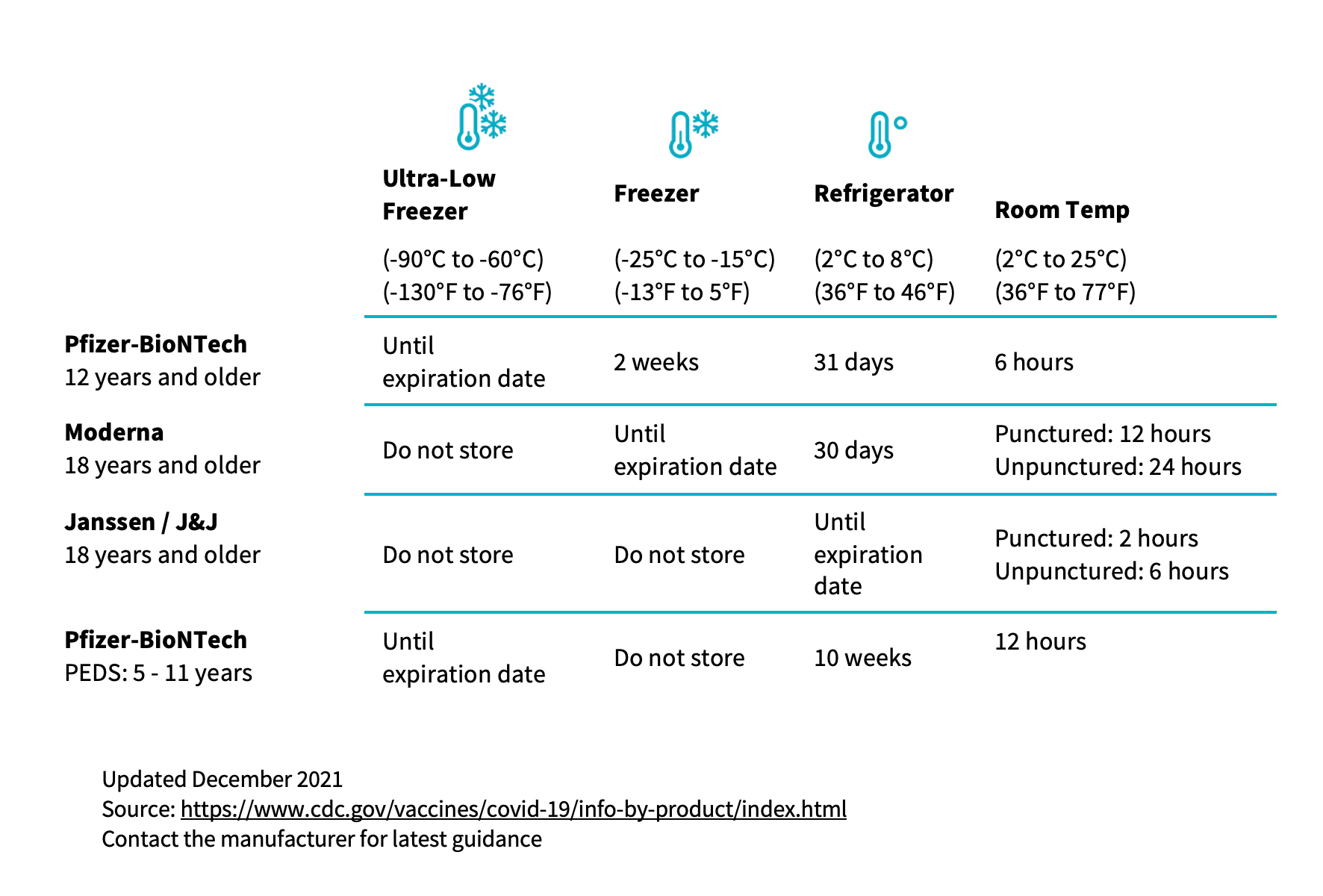
Image Source: trumedsystems.com
How Long Can Flu Vaccine Stay Out Of Fridge? Expert Advice
Can a flu vaccine stay out of the fridge for a short time? Yes, some vaccines can stay out of the fridge for a limited time, but keeping them at the right flu vaccine storage temperature is very important for them to work. If a flu shot is left out, it may lose its power and not protect you well against the flu. The general rule is to keep flu vaccines cold, between 36°F and 46°F (2°C and 8°C). How long it can stay out depends on the specific type of vaccine and how warm the place is, but even short times at room temperature can harm it. This is why proper cold chain management vaccines use is key from when the shot is made until it is given.
The Important Job of Keeping Vaccines Cold
Vaccines help keep us safe from sickness. They teach our bodies how to fight off germs. But vaccines are like tiny, fragile tools. Heat and light can break them. If a vaccine gets too warm, it might not work anymore. This is why storing vaccines the right way is a very important job.
Keeping vaccines cold is part of something called the “cold chain.” Think of it like a relay race where the baton must stay cold. The cold chain starts when the vaccine is made. It continues as the vaccine travels to the doctor’s office or clinic. It ends when the shot is given to you. Every step must keep the vaccine at the right, cool temperature.
Why Temperature Matters So Much
Vaccines have sensitive parts that help your body learn to fight the virus. These parts are usually proteins or pieces of the virus that are made safe. Heat can change these sensitive parts. It’s like cooking an egg; once it’s heated up, you can’t change it back. If the vaccine’s parts are changed by heat, your body might not learn how to fight the real virus later.
- Too much heat can make the vaccine weak.
- A weak vaccine might not give you full protection.
- This means you could still get sick even after getting the shot.
So, keeping the vaccine at the correct temperature is not just a rule; it’s needed so the shot does its job and keeps you safe.
Getting a Grasp on Flu Vaccine Storage Temperature
Different vaccines need to be stored at different temperatures. But most flu vaccines need to be kept cool, like in a normal refrigerator.
The best flu vaccine storage temperature is between 36°F and 46°F (2°C and 8°C). This temperature range is key. It is the range where the vaccine stays strong and ready to work.
The Danger Zone: Too Warm or Too Cold
Temperatures outside the 36°F to 46°F range are bad for flu vaccines.
- Too Warm: If the vaccine gets too warm, it can start to lose its power. The higher the temperature, the faster the vaccine gets weak. Even if it cools down later, the damage is done. It won’t get its full power back. This is where vaccine room temperature stability comes in. How long can it handle being warm? Not long usually.
- Too Cold: Freezing temperatures are also very bad for most flu vaccines. Freezing can break the little parts inside the liquid. It’s like how a glass bottle can break if the water inside freezes. A frozen vaccine might not work at all, even if it thaws out later.
So, storing flu vaccine is not just about keeping it cool; it’s about keeping it in that specific temperature sweet spot, not too hot and not too cold.
How Long Can Flu Vaccine Stay Out of Fridge? Getting the Specifics
This is the big question. The simple answer is: not long.
There isn’t one exact time that fits all flu vaccines. How long a specific type of flu vaccine can stay out of the fridge depends on:
- The specific type of flu vaccine: Different brands or kinds of flu shots might have slightly different rules.
- The temperature outside the fridge: Is it sitting in a cool room, or is it in a hot car? Higher temperatures cause damage much faster.
- How long it is out: A minute or two while getting ready for a shot is usually okay. Hours are generally not okay.
For many flu vaccines, exposure to room temperature (like 68°F to 77°F or 20°C to 25°C) for more than a very short time is not advised. Some might be okay for a few minutes, but usually, they should go right back into the fridge if not used within a short time after being taken out.
Looking at Vaccine Room Temperature Stability
Vaccine room temperature stability is how well a vaccine can stay good when it’s not in the fridge. For most flu vaccines, this stability at room temperature is quite limited.
Think of it this way: The cold fridge is like a pause button. It keeps the vaccine in a stable state. Room temperature is like hitting the play button at high speed. The vaccine starts to break down faster.
- A vaccine might be okay for a few minutes while being prepared.
- It might handle brief transport in a special cooler.
- But sitting on a counter for an hour or more? That’s usually a big problem.
The longer a flu vaccine is at room temperature, the more its power drops. It’s not about the flu vaccine expiration outside fridge meaning it spoils like milk. It means it loses its ability to protect you.
Following Vaccine Storage Guidelines Closely
To make sure vaccines work, healthcare places have strict rules. These are called vaccine storage guidelines. These rules help make sure every shot given is a good shot.
These guidelines often come from health experts and vaccine makers. In the United States, the Centers for Disease Control and Prevention (CDC) gives detailed rules. These are known as CDC vaccine storage recommendations.
Key Points from Vaccine Storage Guidelines:
- Always Use the Right Equipment: Vaccines should be stored in special vaccine refrigerators or freezers. Regular kitchen fridges are not always best because their temperature can change too much, like when the door opens often.
- Check Temperatures Daily: The temperature of the fridge or freezer should be checked and written down at least two times every workday. This helps spot problems fast.
- Use Temperature Logs: Keep a record of the temperatures. This log shows if the temperature stayed in the right range. It’s proof the cold chain was kept.
- Know What To Do If Temperature is Wrong: If the temperature goes outside the safe range, there must be a plan to deal with it. This might mean moving vaccines to a safe place or checking if the exposed vaccines can still be used.
- Train Staff: Everyone who handles vaccines needs to know the rules. They need to know how to store flu vaccine right and what to do in case of problems.
Following these vaccine storage guidelines helps make sure vaccines stay at the correct vaccine viability temperature. This is the temperature range where the vaccine is still alive and strong enough to work.
What Happens When the Cold Chain Breaks?
The cold chain is like a chain. If one link breaks, the whole chain fails. If a vaccine gets too warm or too cold at any point from the factory to the clinic, the cold chain is broken for that vaccine.
When the cold chain breaks, the vaccine might not be good anymore.
- Maybe the fridge broke down overnight.
- Maybe the cooler wasn’t packed right during transport.
- Maybe a box of vaccines was left out on the counter for too long.
Any of these things can cause the vaccine to lose its power. It won’t give the full protection it should. Giving a shot that has lost its power is a waste. It costs money, and worse, the person getting the shot isn’t protected as they should be.
Recognizing a Problem
Signs of a broken cold chain include:
- The fridge or freezer temperature is outside the safe range.
- The temperature log shows readings that are too high or too low.
- There was a power cut that affected the storage unit.
- Vaccines were left outside the storage unit by mistake.
If any of these things happen, the vaccines might be damaged. It’s important to separate the affected vaccines from the good ones and get expert advice before using them.
How to Store Flu Vaccine Correctly
Proper storage is simple when you know the steps. Here is how to store flu vaccine right:
- Use Approved Storage Units: Store flu vaccines in a special vaccine refrigerator or a freezer that is just for vaccines.
- Keep the Temperature Right: Make sure the temperature stays between 36°F and 46°F (2°C and 8°C).
- Monitor the Temperature: Use a temperature probe that stays in the unit. Get one that can record the highest and lowest temperatures reached, and track the temperature over time.
- Check and Log Temperatures: Look at the temperature readings at least twice a day. Write the temperatures down in a log book or computer system.
- Place Vaccines Correctly: Do not store vaccines in the doors of the fridge. The temperature there changes too much. Do not store them in drawers that are too close to the freezer part or the cooling element, as they could freeze. Keep them in the middle shelves.
- Keep Vaccines Organized: Store different vaccines apart. Do not store food or drinks in the same fridge as vaccines.
- Do Not Unplug: Never unplug the vaccine fridge or freezer unless you are moving it or it needs repair.
These steps help make sure the vaccine stays at the correct vaccine viability temperature until it is ready to be used.
The Role of Vaccine Transport Temperature
Moving vaccines from one place to another is also part of the cold chain. This is where vaccine transport temperature becomes very important.
Vaccines are often shipped in special cooled boxes. These boxes use ice packs or gels to keep the temperature in the right range during the trip.
Rules for transport include:
- Using validated cold boxes that can keep the right temperature for the expected travel time.
- Packing the boxes correctly with the right amount of ice packs, wrapped the right way to stop freezing.
- Shipping vaccines quickly to lower the time they are in transport.
- Checking the temperature upon arrival to make sure the cold chain wasn’t broken during the move.
If a vaccine is transported without keeping the correct temperature, it could be damaged before it even reaches the place where it will be stored long-term. This is part of cold chain management vaccines relies on.
Grappling with Vaccine Viability Temperature
Vaccine viability temperature refers to the temperature range where the vaccine is still effective and safe to use. For most flu vaccines, as discussed, this is 36°F to 46°F (2°C to 8°C).
When a vaccine is exposed to temperatures outside this range, it starts to lose its viability.
- Above 46°F (8°C): The rate of potency loss increases as the temperature rises. A few degrees above the limit for a short time is less damaging than many degrees above the limit for a long time. But any time outside the range reduces the vaccine’s lifespan or strength.
- Below 36°F (2°C): Freezing is usually very bad. It can destroy the vaccine’s structure. A vaccine that has been frozen is usually no longer viable and should not be used.
It’s crucial to know the specific viability temperature range for the exact flu vaccine product you are using, as there can be slight differences between brands. This information is found in the product instructions.
Interpreting Flu Shot Handling Rules
Proper flu shot handling is more than just storage temperature. It includes everything that happens from when the vaccine is taken out of storage until it is given.
Rules for flu shot handling involve:
- Taking Out Only What You Need: Only take out the amount of vaccine you plan to use soon. This limits the time any vaccine is at room temperature.
- Keeping It Cool While Preparing: If you are drawing the vaccine into syringes, keep the vials or syringes cool until they are ready to be given. This might mean keeping them in a cooler or back in the fridge if there’s a delay.
- Protecting from Light: Some vaccines are sensitive to light. Keep them in their boxes or in a drawer until ready to use.
- Not Leaving Syringes Out: Once the vaccine is drawn into a syringe, it should be given as soon as possible. Leaving filled syringes sitting out increases the time the vaccine is at room temperature.
- Checking the Vaccine: Before giving the shot, quickly check the liquid. Does it look right? Is the date still good? Has it been stored correctly?
Good flu shot handling practices lower the chance of the vaccine getting too warm or damaged right before it is given. This helps ensure the shot is still potent.
Flu Vaccine Expiration Outside Fridge: What Does It Mean?
When we talk about flu vaccine expiration outside fridge, we don’t mean it suddenly goes bad like food. It means the vaccine is losing its ability to work.
A vaccine has an expiration date printed on it. This date tells you when the vaccine is expected to be fully potent if stored correctly the whole time.
If a vaccine is left out of the fridge at room temperature, it might lose its power before that printed expiration date.
- Example: A vaccine might have an expiration date of next year if kept cold.
- But if it sits on a counter for a day, it might become useless today.
So, “expiration outside fridge” really means the vaccine has become ineffective or less effective because of being exposed to temperatures outside its safe range. It might still be within its printed date, but its power is gone or lessened. This is why temperature rules are just as important, sometimes even more important, than the expiration date printed on the box. If you think a vaccine has been left out too long, it’s safer to throw it away than to use a shot that might not protect someone.
Grasping the Effects of Temperature Excursions
A “temperature excursion” is a fancy way of saying the temperature went outside the needed range. Even a short excursion can matter, especially if the temperature was very high or very low.
Let’s break down what happens during these excursions:
- Brief Exposure to High Temperatures: A few minutes at room temperature might not totally ruin a vaccine, but it starts the process of losing power. The higher the temperature and the longer the time, the more power is lost.
- Extended Exposure to High Temperatures: Hours or days at room temperature usually means the vaccine is no longer good. It won’t provide protection.
- Freezing: If a flu vaccine freezes, it is almost always ruined. The tiny parts inside are damaged. Even if it thaws, it won’t work.
Healthcare providers have to watch for these excursions. They use temperature logs and alarms on fridges to help catch problems quickly.
Acting When a Temperature Excursion Happens
If a temperature excursion happens, places that store vaccines follow a plan:
- Isolate the Vaccines: Move the vaccines that were affected to a separate place. Do not use them yet.
- Record the Details: Write down what happened. What was the temperature? How long was it out of range?
- Check the Temperature Log: Look at the temperature data to see how bad the excursion was.
- Get Expert Advice: Do not guess if the vaccine is still good. Contact the vaccine maker or health experts (like the local health department or the CDC) for advice. They can help figure out if the vaccine can still be used based on the type of vaccine and how far out of range the temperature went.
- Document Everything: Keep records of the problem, the steps taken, and the final decision about the vaccines.
This process is part of good cold chain management vaccines. It helps make sure that only potent vaccines are given.
Essential Tools for Monitoring Vaccine Storage
Keeping vaccines safe means always watching their temperature. Special tools help with this.
- Digital Data Loggers (DDLs): These are the best tools. They have probes that sit with the vaccines. They record the temperature automatically every few minutes. They can store weeks or months of data. This shows exactly what temperatures the vaccines were kept at all the time, even on weekends or overnight. They can also show the highest and lowest temperatures reached. CDC vaccine storage recommendations strongly suggest using DDLs.
- Minimum/Maximum Thermometers: These are simpler thermometers. They show the current temperature, plus the highest and lowest temperatures reached since they were last reset. You still need to check them regularly and write down the high and low numbers.
- Standard Thermometers: These just show the current temperature. They are not good enough for watching vaccine storage because they don’t show if the temperature went too high or too low when no one was looking.
Using the right tool to monitor flu vaccine storage temperature is a critical step in how to store flu vaccine properly and ensuring vaccine viability temperature is maintained.
Deciphering Manufacturer Guidelines
Each type of flu vaccine comes with instructions from the company that made it. These instructions have specific details about storage. They are the most important rules for that particular vaccine.
The manufacturer’s guidelines will tell you:
- The exact recommended storage temperature range.
- Any allowed vaccine room temperature stability time (if any) and at what temperature.
- What temperatures can damage the vaccine (e.g., freezing point, maximum heat tolerance).
- How to handle the vaccine before giving the shot (flu shot handling).
- How long the vaccine lasts if stored correctly (expiration date).
It is very important for healthcare staff to read and follow the guidelines for the specific flu vaccine product they are using. This ensures they are meeting the exact storage and handling needs for that shot. Ignoring these guidelines can lead to giving a shot that does not work.
Summarizing Key Points for Safely Storing Flu Shots
Keeping flu vaccines safe and effective is a team effort involving everyone in the cold chain.
Here are the main points to remember:
- Flu Vaccine Storage Temperature: Keep flu vaccines between 36°F and 46°F (2°C and 8°C). This is the sweet spot.
- Avoid Extremes: Never let flu vaccines freeze. Avoid letting them get too hot.
- Vaccine Room Temperature Stability: Flu vaccines generally do not stay good for long at room temperature. Limit time out of the fridge to just a few minutes needed for preparation.
- Cold Chain Management Vaccines: The cold chain must be kept strong from the time the vaccine is made until it’s given. Every step counts.
- Vaccine Storage Guidelines: Follow strict rules for storing vaccines. Use the right fridges, check temperatures often, and keep records.
- How to Store Flu Vaccine: Store vaccines in the middle of the fridge, away from doors and cooling elements.
- CDC Vaccine Storage Recommendations: The CDC provides detailed guidance that should be followed.
- Vaccine Viability Temperature: Know the specific safe temperature range for the vaccine you are using.
- Flu Shot Handling: Handle vaccines carefully just before giving them. Keep them cool and use them quickly after taking them out of storage.
- Vaccine Transport Temperature: Make sure vaccines stay cold when they are moved from one place to another.
- Flu Vaccine Expiration Outside Fridge: If a vaccine is left out of the fridge too long, it loses its power, even if the printed expiration date hasn’t passed yet.
By following these rules, healthcare providers can be sure that the flu shots they give are strong and will give people the best possible protection against the flu.
The Importance of Taking Action if Rules Are Broken
If there is any doubt about whether a flu vaccine has been stored correctly, it’s important to act carefully.
- Do not use a vaccine if you think it might be bad.
- Even if it looks okay, a temperature problem can make it useless.
- Talk to experts (like the health department or manufacturer) to find out if it’s still safe and effective to use.
Giving a bad shot is not helpful. It means someone thinks they are safe from flu but they are not. It also wastes vaccine that could have been used by someone else if it had been stored right.
Every person involved in giving flu shots plays a part in keeping the cold chain strong. From the person who unpacks the delivery to the person who gives the shot, everyone must follow the rules. This helps protect our communities from the flu.
Frequently Asked Questions About Flu Vaccine Storage
Here are some common questions people ask about keeping flu shots safe.
h5 How long can a flu shot sit at room temperature?
Most flu shots should only be at room temperature for a very short time, like a few minutes, when getting ready to give the shot. Extended time at room temperature, even just an hour or two, can make the vaccine lose its power. The exact time depends on the specific vaccine and how warm the room is. Always check the specific instructions for the vaccine you have. When in doubt, keep it cold or ask an expert.
h5 What temperature makes a flu vaccine bad?
Flu vaccines are made bad by being too hot (above 46°F or 8°C for too long) or too cold (freezing, below 36°F or 2°C). Freezing is usually the most damaging and makes the vaccine unusable.
h5 Can I still use a flu vaccine if it was left out overnight?
No, if a flu vaccine was left out of the fridge at room temperature overnight, it has almost certainly lost its power and should not be used. This is a break in the cold chain. You should follow your clinic’s rules for handling vaccines exposed to wrong temperatures, which usually means marking it clearly and not using it until an expert says it’s okay (which is rare after such long exposure).
h5 Can you refreeze a flu vaccine that thawed?
No, most injectable flu vaccines are not meant to be frozen. If one accidentally freezes and then thaws, it is usually no longer good and should not be used. It cannot be refrozen to fix the problem.
h5 Where is the best place to store flu vaccine in a fridge?
The best place is in the middle of the fridge, on shelves. Avoid storing vaccines in the door (temperature changes too much) or in drawers or shelves right next to the freezer section or cooling element (risk of freezing).
h5 How often should I check the temperature of the vaccine fridge?
Temperatures of vaccine storage units should be checked and written down at least two times every workday. Using a data logger that records temperature constantly is even better and is recommended by experts like the CDC.
h5 What should I do if my vaccine fridge breaks down?
You need to have a plan ready for this. First, find a safe place to move the vaccines immediately, like a backup vaccine fridge that is working right, or specially prepared coolers with ice packs (packed correctly to avoid freezing). Then, call for repair and check the temperatures of the vaccines that were in the broken fridge before using them. Get expert advice if needed.
h5 Does a vaccine lose its power as soon as it leaves the fridge?
No, not instantly. But the clock starts ticking. The speed at which it loses power depends on the temperature it is exposed to. A minute or two won’t likely harm it significantly, but longer times, especially in warmer places, will cause a loss of power. The goal is to keep time outside the correct temperature range to a minimum.
h5 How does transport affect flu vaccine storage?
Transport is a critical part of the cold chain. Vaccines must be kept at the correct temperature during transport using special cooled boxes and packing methods. If the temperature isn’t kept right during transport, the vaccines can be damaged before they even arrive at the storage location.
h5 Does the expiration date matter if the vaccine was stored wrong?
Yes, the expiration date matters, but correct storage matters more. The expiration date tells you when the vaccine is expected to be good if stored perfectly the whole time. If a vaccine is stored wrong (too hot, too cold, out of the fridge too long), it can become useless well before its printed expiration date. Always check both the storage history and the expiration date. If storage was wrong, the vaccine is likely not good, even if the date is fine.