
Why does your air conditioner smell like feet? The most common reason your air conditioner smells like old, sweaty socks or feet is a phenomenon called “Dirty Sock Syndrome.” This happens when bacteria and fungi, like mold, grow on the cold, wet surfaces inside your AC system, primarily the evaporator coil. When the system runs, it blows air across these growths, spreading the unpleasant smell throughout your home.
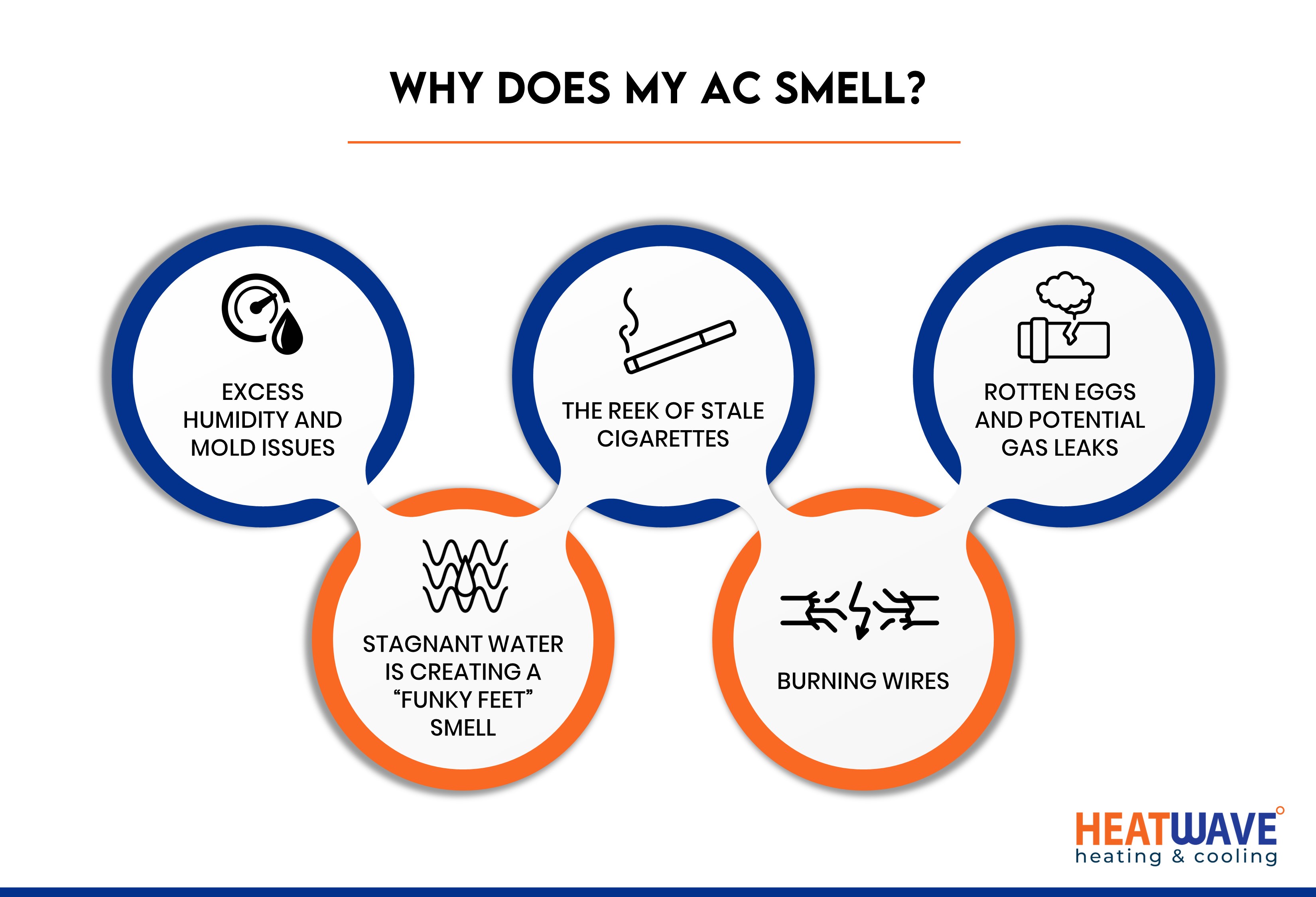
Image Source: heatwaveheatingandcooling.com
Deciphering the Foul Odor
That unmistakable odor wafting from your AC vents – the one that smells suspiciously like gym socks or dirty feet – isn’t just annoying; it’s a clear signal that something inside your system needs attention. It’s more than just a musty AC smell or a general moldy air conditioner smell. The specific “feet” odor points strongly to bacterial or fungal growth in a very particular spot: the evaporator coil.
This coil, located in the indoor unit of your air conditioner, is where the magic happens. It’s where the refrigerant absorbs heat from the air in your home, making the air cool. As the warm air hits the cold coil, water vapor in the air turns into liquid water – this is called condensation. This creates a dark, damp environment inside your AC system, which is the perfect breeding ground for microorganisms.
The Core Cause: Microbial Growth
The primary culprit behind the HVAC smell like feet is the growth of microbes, mainly bacteria and fungi, on the surfaces inside your air conditioner.
Bacteria Growth in AC Explained
Think of your AC system as a mini-ecosystem. Inside, especially on the evaporator coil and in the drain pan, it’s often dark and wet. This moisture comes from the condensation process. Airborne particles like dust, pet dander, and pollen get drawn into the system and can settle on these wet surfaces. These particles contain nutrients that feed bacteria and fungi.
- Ideal Conditions: Bacteria thrive in warm, humid, still air environments. Even though the coil is cold when the AC is running, the air passing over it is humid, and when the system cycles off, the coil warms up, providing the perfect temperature for growth.
- Biofilm Formation: Over time, layers of bacteria, fungi, and other microbes can form a slimy layer called a biofilm on the coil fins. This biofilm is the source of many unpleasant odors, including the “dirty sock” smell.
Moldy Air Conditioner Smell and Fungi
While bacteria often cause the specific feet smell (Dirty sock syndrome), mold and other fungi also love the damp conditions inside an AC unit. They contribute to a more general musty AC smell or a definite moldy air conditioner smell.
- Spore Entry: Mold spores are everywhere in the air. They easily enter your AC system through the air intake.
- Growth Areas: Mold can grow on the evaporator coil, in the drain pan, in ductwork, or even on a dirty air filter if it gets damp.
- Health Concerns: While the smell itself is a nuisance, mold growth can potentially release spores into your home’s air, which can be problematic for people with allergies, asthma, or compromised immune systems.
Other Contributors to Bad AC Smells
While microbial growth on the coil is the star player in the feet-smell drama, other issues can add to or cause different types of odors in your air conditioner.
Condensate Drain Complications
The water that condenses on the evaporator coil needs a way to get out of your system. It drips into a drain pan and then flows out through a condensate drain line, usually outside your home or into a floor drain.
- Clogged Drain Line: If this drain line gets clogged with algae, mold, dirt, or insect nests, the water can’t drain properly. It backs up into the drain pan.
- Standing Water: This standing water is a perfect breeding ground for bacteria and mold, contributing to a musty smell and potentially overflowing, causing water damage. Cleaning AC condensate drain is crucial for preventing this.
Air Filter Issues
A dirty air filter restricts airflow, making your system work harder. It can also trap moisture and become a place where mold and bacteria can start to grow, contributing to a musty or dirty smell, although less likely the specific feet odor.
Ductwork Contamination
Your ductwork is the pathway that delivers cool air from your AC unit to the rooms in your home. If ducts are old, leaky, or haven’t been cleaned, they can harbor:
- Dust and Debris: Accumulations of dust, dirt, and pet hair.
- Mold Growth: If there’s moisture in the ducts (e.g., from leaks or high humidity), mold can grow on the inside surfaces.
- Pests: Rodents or insects can sometimes get into ductwork and leave waste or even die there, causing terrible smells.
External Odors Pulled Inside
Sometimes, the smell isn’t coming from inside the AC system itself, but rather from outside. Your AC unit draws in fresh air (or recirculates indoor air). If there are strong odors near the outdoor unit (like garbage, sewage, or chemicals), the system can pull these smells inside and distribute them through your home.
Pinpointing the Source of the Stink
Before you start cleaning, it helps to try and figure out where the smell is strongest. This can give you clues about the cause.
Safety First: Always turn off the power to your HVAC system at the thermostat and the breaker box before you inspect or work on any part of the unit.
- Check the Vents: Do all vents smell equally bad, or is it stronger from one or two? A widespread smell often points to the main indoor unit (coil, drain pan, filter). A smell strongest from one vent might suggest a problem localized in that section of ductwork.
- Inspect the Indoor Unit:
- Air Filter: Is it dirty or looks damp? Change it anyway, it’s easy and necessary.
- Access Panels: Carefully open the panels to access the evaporator coil and drain pan. Look for visible mold, slime, or standing water. Be careful around the coil fins, they are sharp and easily bent.
- Drain Pan: Is there standing water? Is it slimy?
- Check the Outdoor Unit: While less likely to cause the feet smell, check around the outdoor condenser unit for any nearby sources of bad smells (trash cans, dead animals, etc.) that could be pulled into the return air if there’s a leak.
Tackling the Stink: Air Conditioner Odor Removal Strategies
Getting rid of that awful smell requires cleaning the contaminated parts of your AC system. Here are the main methods for air conditioner odor removal and how to get rid of AC smell.
AC Evaporator Coil Cleaning
This is often the most effective step for Dirty Sock Syndrome. You can attempt this yourself if you’re comfortable, or hire a professional HVAC technician.
DIY Coil Cleaning Steps:
- Turn Off Power: Crucial step! Turn off the AC unit at the thermostat and the dedicated circuit breaker.
- Locate the Coil: Access the indoor unit (air handler) and find the evaporator coil. It’s usually behind an access panel. You might need a screwdriver to open it.
- Inspect the Coil: Look at the coil fins. Do they look dirty, slimy, or moldy?
- Clean Around the Coil: Vacuum up any loose dust or debris from the area around the coil and the drain pan.
- Apply Coil Cleaner:
- Buy a no-rinse evaporator coil cleaner specifically designed for AC units. These cleaners often contain agents that kill bacteria and mold.
- Shake the can well.
- Spray the cleaner evenly over the coil fins. Follow the product instructions carefully. Many foaming cleaners expand to get deep into the coil.
- “No-rinse” cleaners are designed to drip off the coil and go down the drain.
- Wait and Allow Drainage: Let the cleaner work according to the product instructions. The dissolved grime and cleaner will drip into the drain pan.
- Check the Drain Pan/Line: Ensure the cleaner and condensation are draining properly. If the pan is full or the line looks clogged, address that next (see below).
- Replace Panels & Restore Power: Once the cleaner has drained completely and everything is put back together, close the access panel(s). Turn the power back on at the breaker and thermostat.
- Run the Fan: Run the system in “Fan Only” mode for an hour or two to help dry the coil and circulate fresh air. Then, switch it back to Cool mode.
Important Note on DIY Coil Cleaning: Evaporator coil fins are delicate and sharp. Bending them restricts airflow. If the coil is very dirty, impacted with debris, or you are uncomfortable, calling a professional for AC evaporator coil cleaning is highly recommended. They have specialized tools and cleaners for deep cleaning.
Cleaning AC Condensate Drain and Pan
Cleaning the drain system is vital, especially if you saw standing water.
Steps to Clean the Drain Line:
- Locate the Drain Pan: This sits directly below the evaporator coil.
- Remove Standing Water: If there’s a lot of water, you might need to use a wet/dry vacuum to suck it out.
- Locate the Drain Line Access: Find the access point on the drain line. It’s usually a T-shaped fitting with a cap on top, often located near the indoor unit. Some systems have multiple access points.
- Clear the Clog (if any):
- Use a wet/dry vacuum at the outlet of the drain line (usually a small pipe sticking out of your house foundation or side) to pull out any blockages. Seal the connection around the pipe as best you can for good suction.
- Alternatively, pour a solution down the access point near the indoor unit. A mix of 1/4 cup of white vinegar and 1/4 cup of hot water is a common recommendation. Vinegar helps kill mold and algae. Some people use a small amount of bleach (1 cup of bleach diluted in a gallon of water), but vinegar is less harsh and safer for most systems and the environment. Never mix bleach and vinegar!
- Pour slowly and let it sit for 15-30 minutes.
- Flush with plain water to ensure the line is clear.
- Clean the Drain Pan: Wipe out the drain pan with a cloth soaked in a mild soap and water solution, or a diluted vinegar solution. Make sure there’s no slime or debris left.
- Optional: Install Drain Pan Tablets: You can buy special tablets designed to prevent algae and slime growth in the drain pan. Place one or two in the clean, dry pan.
Changing the Air Filter
This is the easiest step, but still important. A fresh filter improves airflow and reduces the debris available to feed microbes. Change your filter regularly – check it monthly, and replace it at least every 1-3 months, or more often if you have pets or allergies.
Cleaning Ductwork
If the smell persists after cleaning the coil and drain, the problem might be in the ducts. Duct cleaning is usually done by professionals using specialized brushes and powerful vacuums. They can remove accumulated dust, debris, and treat for mold if present.
Using AC Cleaning Sprays and Treatments
Beyond coil cleaners, there are specific antimicrobial sprays designed to be applied directly to the coil or blown into the vents to help neutralize odors and kill odor-causing microbes. Follow product instructions carefully. Some are applied while the fan is running to circulate through the ductwork.
When to Call a Professional HVAC Technician
While some steps can be DIY, there are times when calling a professional is the best course of action. A technician dealing with an HVAC smell like feet has the expertise and tools to identify and fix complex issues.
- Persistent Smell: If the smell comes back shortly after cleaning, there might be a deeper issue or the cleaning wasn’t thorough enough.
- Visible Extensive Mold: If you open the unit and see significant mold growth, it might be beyond a simple spray-and-wipe job and could require specialized mold remediation by an HVAC professional.
- Coil is Severely Dirty or Damaged: If the evaporator coil is heavily impacted with grime or the fins are badly bent, a professional cleaning is necessary to avoid damaging the coil further.
- Access Issues: If your indoor unit is in a difficult-to-access location (like a tight attic or crawl space), leave it to the pros.
- System Malfunctions: If the smell is accompanied by other problems like poor cooling, strange noises, or water leaks, it indicates a more serious issue requiring professional diagnosis.
- Lack of Comfort: If you’re not comfortable working inside your AC unit, don’t risk damage or injury.
A professional can perform a comprehensive inspection, deep clean the coil and other components, ensure the drain system is working perfectly, and check for other potential odor sources or system problems.
Grasping the Causes: Why Does This Happen?
Now that you know what causes the smell and how to clean it, let’s solidify why your AC system is prone to this in the first place.
The core reason is the perfect storm of conditions created by the cooling process:
- Moisture: Condensation is unavoidable. It’s a natural part of how your AC removes heat and humidity from the air.
- Darkness: The inside of your AC unit and ductwork is dark, which mold and many types of bacteria prefer for growth.
- Temperature Fluctuations: While the coil is cold during operation, it warms up when the system cycles off, creating temperature ranges that support microbial life.
- Nutrient Supply: Dust, dirt, skin flakes, pet dander, and other airborne particles provide food for bacteria and fungi.
These elements combine to make the evaporator coil, drain pan, and sometimes the ductwork ideal microbial habitats. Dirty Sock Syndrome (that specific feet smell) is particularly associated with certain types of bacteria that flourish on wet coil surfaces.
Keeping the Air Fresh: Preventing Future Odors
Preventing the smell is much easier than getting rid of it once it’s established. Regular maintenance is your best defense against AC odors.
- Regular Filter Replacement: Change your air filter on schedule (monthly or as needed based on type and household conditions). This reduces the amount of debris entering the system and landing on the coil.
- Schedule Routine HVAC Maintenance: Have your HVAC system professionally inspected and cleaned at least once a year, ideally twice (before the cooling season and before the heating season). Technicians can catch problems early, clean components like the coil and drain line, and ensure your system is running efficiently and cleanly. This is crucial for preventing the HVAC smell like feet.
- Keep the Drain Line Clear: Regularly pour a cup of white vinegar down the condensate drain line access point every few months, even if it doesn’t seem clogged. This helps prevent buildup. Follow up with a flush of plain water.
- Maintain Proper Humidity Levels: High indoor humidity contributes to mold growth. Using a dehumidifier in your home can help reduce the overall moisture load on your AC system.
- Consider a UV Light System: Some homeowners install UV lights near the evaporator coil. UV light can kill bacteria and mold growing on the coil surface. This can be an effective preventative measure but requires professional installation.
- Run the Fan Periodically: If you live in a very humid climate or notice the smell starting, running the AC system in “Fan Only” mode for an hour after the cooling cycle stops can help dry out the evaporator coil, making it less hospitable to microbes.
By understanding the causes of air conditioner smell and taking proactive steps for cleaning and maintenance, you can keep your air fresh and free from that unpleasant dirty sock odor. Addressing the issue promptly, whether through DIY cleaning or calling a professional for air conditioner odor removal, ensures healthier air and a more pleasant home environment.
Frequently Asked Questions
Is the AC smell harmful?
Usually, the “dirty sock” smell itself is just unpleasant, not directly harmful. However, the cause of the smell – the bacteria and mold growth – can potentially affect air quality. Exposure to mold spores can trigger allergies, asthma symptoms, or other respiratory issues in sensitive individuals. It’s best to address the source of the smell for cleaner, healthier air.
Can I use bleach to clean my AC coil?
Using bleach directly on the evaporator coil is generally not recommended. Bleach can potentially damage the coil fins and is corrosive. It can also produce harmful fumes in an enclosed space. Specialized AC coil cleaners are formulated to be safe and effective for this purpose. Diluted bleach (1 cup per gallon of water) is sometimes used carefully to flush the condensate drain line, but vinegar is often a safer and less harsh alternative.
How often should I clean my AC coil?
Most homeowners don’t need to clean their evaporator coil themselves regularly unless a smell develops. The most effective way to keep the coil clean is through professional annual or bi-annual HVAC maintenance. During these visits, technicians can clean the coil properly as part of routine service. If you experience recurring odors, more frequent professional cleaning might be needed.
Does changing the air filter fix the smell?
Changing a dirty air filter is always a good step for air quality and system performance. It can sometimes help reduce mild odors or contribute to a general musty smell. However, it typically will not fix the specific “dirty sock” smell associated with Dirty Sock Syndrome, as that problem originates on the evaporator coil itself.
What if the smell comes back after cleaning?
If the smell returns shortly after you’ve attempted cleaning, it indicates that the microbial growth wasn’t fully removed, or there’s a persistent issue causing its return (like very high humidity, a lingering clog, or growth deep within the coil or ducts). In this case, it’s highly recommended to call a professional HVAC technician. They can perform a more thorough cleaning, diagnose underlying problems, and recommend preventative measures like UV lights if necessary.
Can I spray air freshener into my AC vents?
No, this is not a solution and can actually cause problems. Air fresheners only mask the smell temporarily. The chemicals in some air fresheners can also potentially damage components in your ductwork or unit and can contribute to buildup that feeds microbes. It’s always better to address the root cause of the odor.
By understanding the common reasons why your air conditioner might smell like feet and following these steps for diagnosis, cleaning, and prevention, you can ensure your home stays comfortable and smells fresh.