
Image Source: irp.cdn-website.com
How Often To Recharge Air Conditioner: The Key to AC Longevity
Your air conditioner uses a special fluid to cool your home. This fluid is called refrigerant. You might hear it called Freon, which is a brand name. Is AC refrigerant regular maintenance? No, adding refrigerant is not part of regular AC maintenance. Your AC system is like a sealed box. The refrigerant should stay inside forever. How long does AC refrigerant last? It lasts for the whole life of the unit unless there is a problem. If your AC needs more refrigerant, it means the refrigerant is leaking out. You should only need to add refrigerant if a leak is found and fixed.
What Refrigerant Does for Your Home
Your air conditioner works hard to keep you cool. It moves heat from inside your house to outside. The refrigerant is the key player in this heat movement. It cycles through coils inside and outside your home.
The Simple Cooling Cycle
- Inside your home, the refrigerant is very cold.
- It flows through coils in your indoor unit.
- Warm air from your home blows over these coils.
- The refrigerant soaks up the heat from the air.
- This makes the air cooler.
- The now-warm refrigerant travels to the outdoor unit.
- In the outdoor unit, the refrigerant releases the heat to the outside air.
- The refrigerant then cools down again.
- It goes back inside to pick up more heat.
This cycle repeats over and over. This is how your AC cools your home. The right amount of refrigerant is vital for this process.
Why Refrigerant Levels Drop (It’s Usually a Leak)
As we said, the refrigerant should not disappear. Your AC unit is made to be sealed tight. Think of it like the coolant in your car’s engine. It runs in a loop. It should not need topping up unless there is a leak.
So, if your air conditioner needs more refrigerant, it has an Air conditioner refrigerant leak. This is the most common reason for low refrigerant. Refrigerant leaks can happen in many places.
Common Spots for Refrigerant Leaks
- Coils: The indoor and outdoor coils have many turns. Over time, tiny holes can form. This is often due to corrosion (metal wearing away).
- Pipes: Refrigerant flows through copper pipes. These pipes connect the indoor and outdoor units. Leaks can happen at joints or bends. Vibrations can also cause wear.
- Valves: There are service valves on the outdoor unit. These let technicians work on the system. Leaks can happen around these valves if they are loose or faulty.
- Fittings: The parts that connect pipes together can also leak. These fittings might loosen over time.
Why is my AC losing Freon or other types of refrigerant? Because there is a small crack, hole, or loose connection somewhere in the sealed system. The refrigerant slowly escapes as a gas. You usually cannot see it leaking.
Signs Air Conditioner Needs Coolant
How can you tell if your AC might be low on refrigerant? Your system will often show signs. Paying attention to these can save you trouble later. Catching a leak early is important.
Here are some common Low AC refrigerant symptoms:
The Air Isn’t Cold
- AC blowing warm air: This is a major sign. If the air coming from your vents feels cool but not cold, you might have a problem. If it feels warm like the outside air, the issue is serious. Low refrigerant means the AC cannot move heat well. The air just doesn’t get cooled enough.
Ice Formation
- AC freezing up: This might sound strange. Why would something freeze if it’s not cooling? When refrigerant is low, the pressure in the system drops. The coils inside your home get too cold. They can get colder than freezing point (32°F or 0°C). Moisture from the air freezes onto the coils. You might see ice on the indoor unit or on the copper pipes connecting to the outdoor unit. Ice stops air from flowing over the coil. This makes the cooling even worse.
Longer Run Times and Higher Bills
- Your AC has to work harder to reach the temperature you set.
- It might run almost all the time.
- This uses more electricity.
- Your energy bills will go up.
Strange Sounds
- Sometimes, low refrigerant can cause bubbling or hissing sounds.
- This happens as the gas and liquid refrigerant mixture moves through the pipes.
- It might sound like water running through pipes.
The Outdoor Unit’s Fan
- The fan on the outdoor unit might still spin.
- But the air coming off it won’t feel very warm.
- This is because the unit isn’t pulling much heat from inside.
If you notice any of these signs, do not wait. It is best to call a professional HVAC technician. They can find the exact problem.
Deciphering the Problem: Low Refrigerant vs. Other Issues
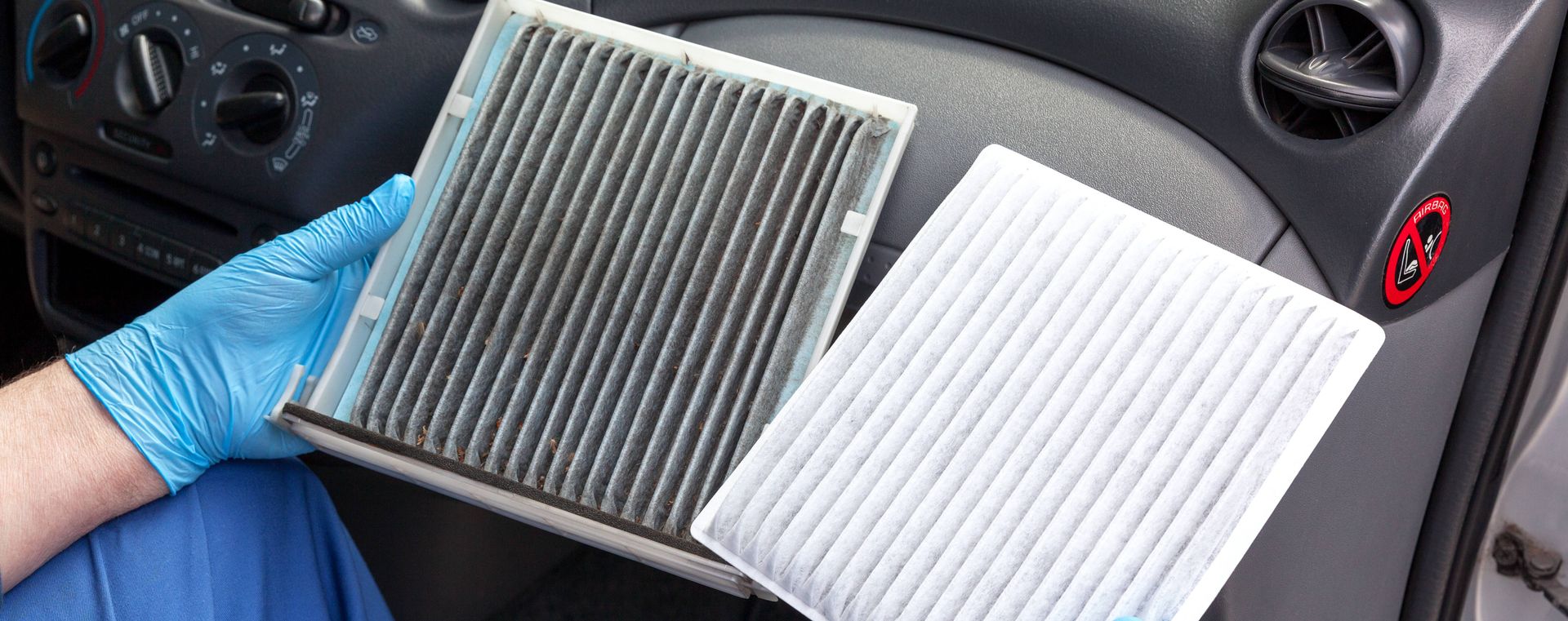
It is important to know that these symptoms can point to other AC problems too. An AC blowing warm air could also be a clogged air filter. Or it could be a bad fan motor. AC freezing up can happen with poor airflow. This is often from a dirty filter or blocked vents.
This is why you need a skilled technician. They can properly diagnose the issue. They have the tools to check refrigerant levels correctly.
How Professionals Check Refrigerant Levels
An AC coolant level check is not something a homeowner can easily do. Your AC system is under pressure. It holds chemicals (the refrigerant). You need special tools and training to work with it safely.
A technician will use pressure gauges. These gauges connect to service ports on the outdoor unit. They measure the pressure of the refrigerant inside the system.
- Based on the outdoor temperature and the type of refrigerant, there is a correct pressure range.
- The technician compares the measured pressure to what it should be.
- Low pressure often means low refrigerant.
They also have other ways to check. They might use a special thermometer. They can measure the temperature of the refrigerant lines. These temperatures also tell them if the system has the right amount of refrigerant.
The Process After Finding a Leak
If a technician finds low refrigerant, they know there is a leak. They must fix the leak before adding more refrigerant. Adding refrigerant without fixing the leak is a waste of money. The new refrigerant will just leak out too. Also, it’s bad for the environment. Refrigerants are powerful greenhouse gases.
Fixing the Leak
- Finding the Leak: This is the first step. Technicians use different methods:
- Electronic Leak Detectors: These devices sniff the air around pipes and coils. They react when they find refrigerant gas.
- UV Dye: A special dye can be added to the system. It mixes with the refrigerant. The technician then uses a UV light to look for the dye leaking out.
- Soap Bubbles: For larger leaks, soapy water can be put on suspected spots. Bubbles will form if refrigerant is escaping.
- Nitrogen Pressure Test: The system can be emptied of refrigerant. Then it’s filled with nitrogen gas. Nitrogen is safe and cheap. The technician looks for where the nitrogen escapes.
- Repairing the Leak: Once found, the technician will repair the leak. This might involve:
- Soldering or brazing a hole in a pipe or coil.
- Tightening a loose valve or fitting.
- Replacing a faulty valve.
- In some cases, the leak might be in a major component like a coil. Replacing the coil might be necessary. If the system is old and parts are leaking, replacing the whole unit might be the best option.
- Testing the Repair: After fixing the leak, the technician will test the system again. They need to be sure the leak is sealed tight.
- Evacuating the System: Before adding new refrigerant, the system must be empty. It must be free of air and moisture. Air and moisture hurt how the refrigerant works. A special vacuum pump is used for this. It pulls everything out of the pipes and coils.
- Recharging the System: Finally, the technician adds the correct type and amount of refrigerant. They use scales to measure the exact weight needed. The amount is specific to your AC unit model. It is usually listed on a sticker on the outdoor unit.
This whole process takes time and skill. It’s more than just pouring in some liquid.
Cost to Add AC Freon or Refrigerant
The Cost to add AC Freon (or other refrigerants) varies a lot. It depends on several things.
What Affects the Cost?
- Type of Refrigerant: Older systems use R-22 (often called Freon). R-22 is being phased out because it harms the ozone layer. It is harder to find now. This makes it more expensive than newer refrigerants like R-410A (Puron).
- Amount Needed: How much refrigerant needs to be added? Is it just a little bit low? Or is it almost empty from a big leak? More refrigerant means higher cost.
- Leak Location and Repair Difficulty: Is the leak easy to find and fix? Or is it hidden inside a wall or in a hard-to-reach spot? Fixing a small joint leak is cheaper than replacing a coil. The cost of labor goes up with repair complexity.
- Technician’s Hourly Rate: Labor costs vary by location and company.
- Service Call Fee: Most companies charge a fee just to come to your home.
- Time of Year: Emergency calls during peak summer might cost more.
Estimated Costs
It is hard to give an exact price. But here is a rough idea. This includes finding and fixing a simple leak and adding refrigerant.
| Service Component | Estimated Low Cost | Estimated High Cost |
|---|---|---|
| Service Call Fee | $75 | $200+ |
| Leak Detection | Included or $100 | $400 |
| Simple Leak Repair | $150 | $500 |
| Refrigerant (per pound) | $50 (R-410A) | $150+ (R-22) |
| Amount Added (typical) | 2-4 pounds | 5-10+ pounds |
| Total (Simple Case) | $300 | $1000 |
| Total (Complex Case) | $1000 | $4000+ |
Note: These are just estimates. Prices can be very different based on your location and the specific problem.
If the leak is major, like in a coil, the repair could cost $1000 to $3000 or more. In some cases, especially with old systems using R-22, the cost to repair and recharge can be close to or even more than replacing the entire AC unit. A good technician will tell you the costs clearly. They should explain your options.
Why You Should Not Add Refrigerant Yourself
Adding refrigerant sounds easy. You might see kits at a hardware store. However, using these kits is almost always a bad idea for your home AC system.
Reasons to Avoid DIY Refrigerant Adding
- It’s a Band-Aid: You are just putting more refrigerant into a leaky system. It will leak out again. You are not fixing the real problem.
- Wrong Type/Amount: You need to know the exact type and amount of refrigerant your unit uses. Using the wrong type can ruin the system. Putting in too much or too little is also bad. It hurts performance and can damage parts.
- Harmful to the Environment: Refrigerants are greenhouse gases. Releasing them into the air harms the planet. There are rules against this.
- Dangerous: Refrigerant is a chemical. It is under pressure. Working with it can be dangerous if you don’t have the right tools or training. It can cause frostbite or other injuries.
- Requires Special Tools: As discussed, checking levels properly needs pressure gauges and other tools. Adding refrigerant needs precise measuring scales.
- It’s Illegal: For proper refrigerants like R-22 and R-410A, it is illegal for people without EPA certification to buy or handle them. Those DIY kits often contain sealants that can actually damage the AC system more.
Always call a qualified HVAC technician if you suspect low refrigerant.
What Happens if Low Refrigerant Is Ignored?
Ignoring Signs air conditioner needs coolant can lead to bigger problems.
- System Damage: Low refrigerant makes the AC work harder. This puts stress on parts like the compressor. The compressor is the heart of the AC system. It is also the most expensive part. Running with low refrigerant can cause the compressor to fail. This means a very costly repair or unit replacement.
- Poor Cooling: Your home will not cool properly. It might feel damp or humid. You won’t be comfortable.
- Higher Bills: As mentioned, the AC will run longer. Your electricity bills will be much higher than normal. You pay more for less comfort.
- Frozen Coils: The ice on the coils stops airflow. This makes the problem even worse. It can also damage the coils or the fan motor.
Fixing a leak and recharging early saves money and trouble in the long run.
Refrigerant Types: R-22 vs. R-410A
You might hear about different types of refrigerant.
- R-22 (Freon): This was the standard for many years. But it was found to hurt the Earth’s ozone layer. Because of environmental laws (like the Clean Air Act), R-22 is being phased out in the United States. Production and import of R-22 ended in 2020. You can no longer get new R-22. Only recycled or reclaimed R-22 is available. This makes it expensive. If your AC uses R-22 and has a leak, you might consider replacing the system instead of repairing it. New units don’t use R-22.
- R-410A (Puron): This is the most common refrigerant in newer AC systems. It does not harm the ozone layer. It is still a greenhouse gas, though. So, leaks should still be avoided. It works at different pressures than R-22. Systems are built specifically for one type of refrigerant. You cannot just swap R-22 for R-410A or vice versa.
Knowing your refrigerant type is important. It affects repair costs and options. It is usually listed on the unit’s nameplate or in the manual.
Grasping Regular AC Maintenance
While adding refrigerant is not regular maintenance, checking the system’s overall health is. Regular maintenance is very important for AC longevity and performance. A technician should check your system once a year, usually in the spring before you need it.
What Regular Maintenance Includes
- Checking Refrigerant Levels and Pressure: The technician will check the levels. This is to make sure there isn’t a leak. They don’t add refrigerant unless it’s low and they find/fix a leak.
- Cleaning Coils: Dirty coils hurt cooling. They make the AC work harder.
- Checking Electrical Connections: Loose wires can be dangerous.
- Checking Fan Motors: Ensuring they work right and are oiled if needed.
- Checking Airflow: Making sure air filters are clean and vents are open.
- Checking Drain Line: Clearing clogs that can cause water damage.
- General Inspection: Looking for any signs of wear or potential problems.
This regular check-up helps catch small problems, like tiny leaks, before they become big, expensive ones. It keeps your system running well and saves energy.
How to Help Your AC Last Longer
Beyond professional maintenance, you can do things to help your AC system.
- Change Air Filters: This is easy and very important. A dirty filter blocks airflow. This makes the AC work harder and can cause coils to freeze up (AC freezing up). Change filters every 1-3 months, more often if you have pets or allergies.
- Keep Outdoor Unit Clean: Make sure plants, leaves, and other things are not blocking the unit. Air needs to flow freely around it. Keep about two feet of space clear.
- Keep Vents Open: Do not close vents in rooms. This can mess up the system’s airflow design.
- Use a Programmable Thermostat: Set back the temperature when you are not home. This saves energy.
- Seal Leaks: Seal air leaks in your home around windows and doors. This helps keep the cool air inside.
These steps help your AC run smoothly. They reduce stress on the system. This lowers the chance of parts failing, including developing leaks over time.
Interpreting Why Your AC Might Be Struggling
Let’s revisit some key signs and what they mean for refrigerant.
- AC blowing warm air: High chance of a refrigerant leak. The AC is trying to cool but doesn’t have the fluid needed to carry heat away.
- AC freezing up: Almost certainly a problem with airflow (dirty filter, blocked vent) or low refrigerant. Both cause the coil to get too cold. A technician can figure out which one it is.
- Signs air conditioner needs coolant (general): If your AC isn’t cooling like it used to, takes forever to cool, or your energy bills jump for no clear reason, these are all signals to have it checked. Low refrigerant is high on the list of possibilities.
Remember, these symptoms mean something is wrong. It is not just time for a routine top-up.
The Bottom Line on Recharging
You should almost never need to recharge your air conditioner with refrigerant as part of normal use.
- The system is closed.
- Refrigerant should not be used up.
- If refrigerant is low, there is a leak.
- The leak must be found and fixed.
- Then, the system is recharged.
Adding refrigerant alone is not the answer. It does not solve the problem and can be harmful and costly.
Think of it like a flat tire. You don’t just keep putting air in. You find the puncture and fix it. Your AC’s refrigerant is similar.
Making sure your AC has the right amount of refrigerant is essential. But it points to a problem if the level is low. Getting that problem fixed right is key to keeping your AC running well for a long time. It saves you money on energy bills and avoids expensive repairs later.
Taking care of your AC means regular professional check-ups and addressing problems like leaks quickly. This approach ensures your AC system is efficient and lasts its expected lifespan.
Frequently Asked Questions
h4. Q: Can I just buy some refrigerant and add it myself?
h5. A: No, you should not. It is generally illegal for people without certification to buy and handle the proper refrigerants. Also, simply adding refrigerant does not fix the leak. The added refrigerant will escape. You need special tools to measure the right amount. Adding the wrong type or amount hurts your AC. It can cause more damage. Call a professional technician.
h4. Q: Is low refrigerant dangerous?
h5. A: For you and your home, the main dangers are system damage (like the compressor failing), higher energy bills, and lack of cooling comfort. Refrigerant itself is usually not dangerous unless you handle it improperly. It can cause frostbite or other chemical burns. In very large leaks in small, closed spaces, it can push out oxygen. But this is rare in a home setting. Leaking refrigerant is bad for the environment.
h4. Q: My AC is blowing cool air, but not cold. What could it be?
h5. A: This is a common Low AC refrigerant symptom. The AC might not have enough refrigerant to remove heat effectively. It could also be caused by poor airflow (dirty filter), a problem with the fan, or other mechanical issues. A technician can check the refrigerant level and other parts to find the cause.
h4. Q: How often should a technician check my AC system?
h5. A: It’s recommended to have your AC system checked once a year. The best time is usually in the spring before the cooling season starts. This check-up includes looking for signs of leaks, checking refrigerant levels, cleaning coils, and inspecting other parts.
h4. Q: Will fixing a leak make my AC last longer?
h5. A: Yes. Fixing a leak and recharging the system saves the compressor and other parts from working too hard. This stress can cause early failure. Addressing leaks promptly helps your AC run efficiently and reach its full lifespan.
h4. Q: My AC is old and uses R-22. It has a leak. Should I fix it or replace the unit?
h5. A: This depends on the cost of the repair versus the cost of a new unit. R-22 is expensive and hard to find. A major leak repair can be costly. A new unit will use R-410A, be more energy-efficient, and come with a warranty. Often, if an R-22 system has a significant leak, replacing it is the more cost-effective choice in the long run. Get estimates for both options.
h4. Q: How can I tell if my AC is losing refrigerant slowly?
h5. A: Slow leaks cause symptoms that get worse over time. You might first notice higher electric bills. Then the cooling might feel less strong. Eventually, you could see ice on the coils or feel warm air. Regular annual maintenance is the best way to catch small leaks early before symptoms are obvious.
h4. Q: My outdoor unit is making a strange noise. Is that related to refrigerant?
h5. A: Maybe. Low refrigerant can cause bubbling or hissing sounds in the lines. However, strange noises can also come from other parts like fan motors, the compressor itself, or loose parts. If you hear odd noises, it’s best to have a technician check it out.
h4. Q: Does humidity affect how the AC cools with low refrigerant?
h5. A: Yes. Your AC helps remove moisture from the air as it cools. This is called dehumidification. Low refrigerant makes the AC less effective at both cooling and removing humidity. Your home might feel cool but still feel damp and sticky.
h4. Q: If my AC just needs a “little bit” of refrigerant added, does it still mean there’s a leak?
h5. A: Yes. Even if it’s only a little bit low, it means some refrigerant has escaped. A sealed system should hold its full charge indefinitely. A technician should look for the leak, even if it’s a small one, before adding refrigerant.