
Cooking deer ham in the oven can create a delicious meal. Deer ham is really the back leg of the deer. When cooked right, it is tender and full of flavor. This guide will show you how to cook a deer leg roast perfectly. We will go over all the steps needed for a great meal. We will talk about getting the meat ready, putting flavor into it, cooking it slowly, and letting it rest. This way, you can make a wonderful venison ham recipe.
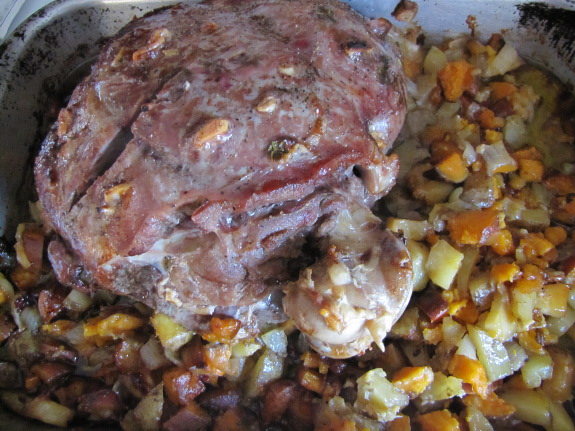
Image Source: www.waldeneffect.org
Getting Your Deer Ham Ready
The first step is to get the meat ready. A deer leg roast is a large piece of meat. It needs some work before cooking.
What is Deer Ham?
Deer ham comes from the hind leg of a deer. People call it ham because it is a large leg of meat. Just like pig ham comes from a pig’s leg. It is also called leg of venison. This cut can be tough if not cooked well. But with the right steps, it becomes tender and good to eat.
Getting the Meat Clean
Your deer leg needs to be clean. Look for any dirt or hair. Wash it gently with cool water. Dry it well with paper towels.
Taking Off Bad Bits
Deer meat sometimes has fat or silver skin. Silver skin is a thin, tough layer. It does not break down when you cook it. It can make the meat tough. You need to cut these off. Use a sharp knife. Cut carefully. Take off all the silver skin you can see. Cut off big pieces of fat too. A little fat is okay. It adds flavor. But too much fat can taste gamey.
The Power of Adding Flavor
Deer meat can be dry. It is leaner than beef or pork. This means it has less fat. Adding flavor and keeping it moist is key. This is where brining comes in. Brining helps a lot.
Why We Brine Deer Meat
Brining means soaking the meat in salty water. Or rubbing it with salt and sugar mix. This process does two main things:
* It adds flavor deep into the meat.
* It helps the meat hold onto water. This makes it juicy while it cooks.
Think of it like soaking a sponge. The sponge soaks up the water. The meat soaks up the brine.
Wet Brining
Wet brining uses salty water. You make a mix of water, salt, sugar, and sometimes other flavors. These can be herbs or spices. You put the meat in this liquid. It stays there for a long time. This lets the salt and flavors get inside.
Here is a simple wet brine idea:
- 1 gallon of cold water
- 1 cup of salt (kosher or sea salt works best)
- ½ cup of sugar (brown sugar or white)
- Maybe some bay leaves, garlic cloves, or peppercorns
Mix everything in a big pot or food-safe bucket. Make sure the salt and sugar dissolve. Put the deer leg in the brine. Make sure the meat is fully covered. If not, make more brine or find a smaller pot.
How long to brine? It depends on the size of the deer leg.
* For a smaller leg (3-5 pounds), maybe 24 hours.
* For a bigger leg (6-10 pounds), maybe 2 to 3 days.
Keep the meat and brine in the fridge the whole time. This is very important for safety.
Dry Brining
Dry brining uses no water. You mix salt, sugar, and spices. You rub this mix all over the meat. The salt pulls some water out of the meat at first. This water mixes with the salt and sugar. It makes a thick liquid. Then the meat soaks this liquid back up. It adds flavor and helps keep moisture inside.
Here is a simple dry brine idea:
- ¼ cup of salt (kosher or sea salt)
- ¼ cup of sugar
- 1 tablespoon black pepper
- Other spices you like (paprika, garlic powder, onion powder)
Mix these together. Rub the mix all over the deer leg. Get it into all the nooks and crannies. Put the meat on a rack in a pan. Cover it with plastic wrap. Put it in the fridge.
How long for dry brine?
* For any size leg, usually 2 to 3 days is good.
The meat will look wet after a day. This is normal. The salt is working.
Both wet and dry brining work well. Wet brining might add a bit more moisture. Dry brining can give a better crust on the outside. Choose the one you like best. Brining is a key part of a good venison ham recipe.
After Brining
Once brining is done, take the deer leg out.
* If you wet brined, rinse the meat well under cool water. This washes off extra salt.
* If you dry brined, you don’t need to rinse usually. Just pat it very dry with paper towels.
Drying the outside of the meat is important. A dry surface helps the outside get a nice brown color when it cooks. This adds flavor.
Getting Ready to Cook
Your brined and dried deer leg is almost ready for the oven. Now you can add more flavor on the outside.
Adding More Seasoning
After brining, the inside of the meat has flavor. But the outside can use more. You can use simple salt and pepper. Or you can use a special rub.
A rub is a mix of dry spices. You rub it onto the meat’s surface. It adds flavor to the crust.
Simple rub ideas:
* Garlic powder, onion powder, paprika, black pepper.
* Dried herbs like thyme, rosemary, or sage.
* A little bit of ground mustard or cumin.
Mix your chosen spices. Rub a good amount all over the deer leg roast. Press it into the meat. This helps it stick.
Ready for the Pan
You need a roasting pan. A pan with a rack is best. The rack lifts the meat. This lets hot air move all around it. It helps the meat cook evenly. Put the seasoned deer leg on the rack in the pan.
If you don’t have a rack, you can make one. Put thick slices of onion, carrot, or celery on the bottom of the pan. Put the meat on top of these veggies. They add flavor too. And they stop the meat from sitting in its own juice. This helps the outside get brown.
Cooking the Deer Leg Roast
Now it is time for the oven. Cooking a large leg of venison takes time. Cooking it low and slow is often the best way. This helps the meat become tender. High heat can make it tough and dry.
Setting the Oven Temperature
A low oven temperature is best for tender deer ham. Aim for a temperature between 275°F (135°C) and 325°F (160°C). Lower is usually better for making tough cuts soft. Cooking at 300°F (150°C) is a good middle ground.
Preheat your oven to this temperature. Make sure it is hot before you put the meat in.
The Cooking Time
The total cooking time depends on a few things:
* The size (weight) of the deer leg.
* The exact oven temperature.
* How you like your meat cooked (doneness).
A general rule for low and slow cooking (like at 300°F) is about 15 to 25 minutes per pound.
Here is a rough guide:
| Weight of Deer Leg (approx.) | Oven Temp (approx.) | Estimated Cooking Time |
|---|---|---|
| 4 pounds | 300°F (150°C) | 1 hour to 1 hour 40 mins |
| 6 pounds | 300°F (150°C) | 1 hour 30 mins to 2 hours 30 mins |
| 8 pounds | 300°F (150°C) | 2 hours to 3 hours 20 mins |
| 10 pounds | 300°F (150°C) | 2 hours 30 mins to 4 hours 10 mins |
This is just a guess. The real way to know when it is done is by checking the internal temperature.
Checking Internal Temperature
This is the most important step for cooking any meat. You need a meat thermometer. A probe thermometer is best. You stick the probe into the thickest part of the meat. Make sure it does not touch bone. The thermometer reads the heat inside the meat. This is the internal temperature.
What temperature are you looking for? It depends on how you want your deer ham cooked. Deer meat is lean. It is best not to overcook it.
Here are target temperatures for deer ham:
* Medium-Rare: 130°F – 135°F (54°C – 57°C) – This will be quite pink inside.
* Medium: 135°F – 140°F (57°C – 60°C) – Still pink, but less so. This is often preferred.
* Medium-Well: 140°F – 145°F (60°C – 63°C) – Only a little pink left.
For safety, some people cook all meat to higher temperatures. But deer meat can get dry if cooked past medium. For a tender deer leg roast, aim for Medium (135°F – 140°F). Remember the temperature will rise a bit more after you take it out of the oven.
Start checking the temperature about 30 minutes before you think it will be done based on the time per pound guide. Check it in a few different spots in the thickest part.
Adding Liquid While Cooking?
Some people like to add a cup or two of liquid to the bottom of the roasting pan. This can be water, broth, or even wine. This creates steam in the oven. Steam can help keep the meat moist. It can also help make nice drippings for gravy later.
If you add liquid, check it now and then. Add more if it dries out.
Making It Look and Taste Great
Near the end of cooking, you can add a venison glaze. A glaze is a sweet or savory sauce. You brush it onto the meat. The heat in the oven makes it sticky and nice.
When to Glaze
Add the venison glaze in the last 30 to 45 minutes of cooking time. This gives the glaze time to cook onto the meat without burning. If you add it too early, sugary glazes can burn.
Glaze Ideas
- Sweet Glaze: Mix jelly (like currant or cranberry) with a little mustard or vinegar. Heat it up to make it easy to brush.
- Savory Glaze: Mix soy sauce, garlic, ginger, and honey.
- Simple Glaze: Mix maple syrup or brown sugar with a little melted butter.
Brush a layer of glaze all over the deer leg. Put it back in the oven. About 15-20 minutes later, brush on another layer. You can do this a couple of times. This builds up a nice shiny crust.
The Crucial Step: Resting Time
Your deer ham is cooked. The thermometer shows the right temperature. Take it out of the oven. Now comes a very important step: resting time.
Why Resting is Key
When meat cooks, the juices in it are pushed to the center by the heat. If you cut the meat right away, these juices will run out onto the cutting board. This leaves the meat dry.
When you let the meat rest, the juices go back through the meat. They spread out. This makes the whole piece of meat juicy and tender.
How Long to Rest
For a large deer leg roast, resting time should be generous.
* Rest it for at least 15 to 20 minutes.
* For a very large leg, 30 minutes is even better.
Put the deer leg on a cutting board. Cover it loosely with aluminum foil. Do not wrap it tightly. This traps too much heat and can keep cooking the meat. Loose foil keeps it warm but lets steam out.
While it rests, the internal temperature will rise a few more degrees. This is called carryover cooking. This is why you take the meat out a little before it hits the final target temperature.
Slicing and Serving
After resting, your deer ham is ready to slice. Use a sharp knife. Slice against the grain of the meat. The grain is the direction the muscle fibers run. Cutting against the grain makes the meat easier to chew.
Serve the slices right away. Your perfectly cooked leg of venison is ready.
Putting It All Together: Venison Ham Recipe Steps
Here is a summary of the steps for cooking deer ham in the oven:
- Get the deer leg ready: Clean it, trim fat and silver skin.
- Brine the meat: Choose wet or dry
brining. Use a brine mix (salt, sugar, water/spices). Brine in the fridge for 1-3 days. - After brining: Rinse (if wet brined), pat very dry.
- Season the outside: Rub with salt, pepper, or other spices.
- Put the meat in a roasting pan: Use a rack if you have one.
- Set the
oven temperature: Preheat oven to a low temperature, like 300°F (150°C). - Cook slowly: Put the pan in the oven. Estimate
cooking time(15-25 mins per pound). - Check
internal temperature: Use a meat thermometer. Cook until it reaches 135°F – 140°F (57°C – 60°C) for medium doneness. - Add glaze (optional): Brush on a
venison glazein the last 30-45 minutes. - Rest the meat: Take it out of the oven. Cover loosely with foil. Let it rest for 15-30 minutes.
- Slice and serve: Cut against the grain. Enjoy your delicious
venison ham recipe.
This method helps make sure your deer leg roast is moist and tender.
Thinking About Other Ways to Cook
While this guide is about the oven, there are other ways. Some people like smoking deer ham. Smoking adds a deep, smoky flavor. It is also a low and slow cooking method. It works well for deer legs too. But it needs a smoker instead of an oven. The steps for brining and resting are still important if you choose to smoke it. But for a simple, controlled way to cook it, the oven is a great choice.
Why This Method Works
Using low oven temperature and allowing proper resting time fights the two main problems with deer ham: dryness and toughness.
* The low heat cooks the meat gently. This gives the tough parts (connective tissues) time to break down. This makes the meat tender.
* Brining adds moisture and flavor. It acts like a safety net against dryness.
* Resting time makes sure the juices stay in the meat when you cut it.
Putting these steps together gives you the best chance for a perfect result with your leg of venison.
Tools You Will Need
- Sharp knife for trimming
- Large pot or container for
brining - Measuring cups and spoons for brine ingredients
- Roasting pan, ideally with a rack
- Meat thermometer (digital probe is best)
- Aluminum foil
- Cutting board
Having the right tools makes the job easier and helps you get better results. A good meat thermometer is key. Guessing the doneness of a large piece of meat is hard. The thermometer tells you exactly what is happening inside.
What About Frozen Deer Ham?
If your deer leg is frozen, you need to thaw it safely. The best way is in the fridge. Put the frozen meat on a tray or in a pan to catch any drips. Let it thaw slowly in the fridge. This can take several days for a large leg. Allow about 24 hours for every 5 pounds of meat.
Do not thaw it on the counter. This is not safe. Once thawed, follow all the steps for brining and cooking. Do not refreeze deer meat that has been thawed.
Making Gravy from Pan Drippings
After cooking your deer leg roast, there might be some flavorful drippings in the bottom of the pan. You can use these to make gravy.
1. Pour the drippings into a cup. Let the fat rise to the top. Spoon off most of the fat.
2. Put the pan on the stove (if it is safe for the stove) or use a separate pot.
3. Add a tablespoon or two of flour or cornstarch to the pot. Mix it with the drippings. Cook for a minute.
4. Slowly whisk in some liquid. This can be beef broth, chicken broth, or water. Use about 1-2 cups of liquid.
5. Stir constantly. Let it bubble gently. It will get thicker.
6. Taste it. Add salt and pepper if needed. You can also add a splash of wine or some herbs.
This gravy is a great way to use all the flavor from your leg of venison. Pour it over the sliced meat.
Different Kinds of Venison Glaze
You can get creative with your venison glaze.
* Fruity Glaze: Mix orange juice, honey, and cinnamon.
* Spicy Glaze: Mix barbecue sauce with a little hot sauce or cayenne pepper.
* Herb Glaze: Melt butter and mix in minced garlic, rosemary, and thyme.
Apply the glaze as shown before, in the last part of the cooking time. Experiment to find your favorite. A good glaze adds a lot to the look and taste of the cooked deer ham.
Final Thoughts on Perfect Results
Getting perfect results when you cook deer ham in oven takes a little care. But it is not hard.
* Start with good meat that is trimmed well.
* Do not skip the brining. It makes a big difference in how moist the meat is.
* Cook at a low oven temperature. This helps the meat get tender.
* Always use a thermometer to check the internal temperature. This is the only sure way to know it is cooked right.
* Give the meat plenty of resting time before cutting. This makes it juicy.
Follow these steps, and your venison ham recipe cooked in the oven will be a success. It will be a meal your family and friends will love. Enjoy cooking your deer leg roast!
Frequently Asked Questions (FAQ)
h4. Do I Have to Brine Deer Ham?
No, you do not have to brine. But brining is strongly suggested. Deer meat is very lean. It can dry out easily in the oven. Brining adds moisture and helps the meat stay juicy. It also adds flavor. For the best results with your leg of venison, brining is a very helpful step.
h4. Can I Cook Deer Ham at a Higher Oven Temperature?
Yes, you can cook it hotter. But cooking at a high oven temperature can make deer meat tough and dry. It cooks faster on the outside before the inside is done. This can make the muscle fibers shrink too much. A lower temperature (like 275°F to 325°F) cooks the meat more gently and evenly. This helps keep it tender and moist.
h4. How Do I Know When the Resting Time is Done?
The resting time is usually done after 15 to 30 minutes for a deer leg. The meat will still be warm. It will feel relaxed. If you press it gently, the surface should spring back a little. The main reason for resting is to let the juices settle. After 15-30 minutes, this process is mostly complete for a piece this size.
h4. What if My Deer Ham Has a Bone In?
Most deer legs cooked as deer leg roast will have the bone in. This guide works for bone-in deer ham. The bone can even add some flavor to the meat. When checking the internal temperature, make sure the thermometer tip does not touch the bone. Bone is hotter than the meat around it. Touching the bone will give a wrong reading.
h4. Can I Cook a Small Piece of Deer Leg This Way?
Yes, you can cook smaller pieces of leg of venison using this method. A smaller piece will need less cooking time. Follow the same steps for brining, seasoning, low oven temperature, and checking the internal temperature. Adjust the cooking time based on the weight, using the minutes per pound rule. Always check with a thermometer for the right doneness.
h4. Is Smoking Deer Ham Better Than Oven Cooking?
Neither method is strictly “better”. They give different results. Oven cooking is easier to control temperature inside. It gives a good result. Smoking deer ham adds a distinct smoky flavor. It often takes longer because smokers usually run at lower temperatures than ovens used for roasting. It depends on what flavor you like and what cooking equipment you have. Both can produce a tender deer leg roast if done correctly. This guide focuses on the oven because it is common in most homes.
This detailed guide covers all the key steps for making a delicious and tender deer ham in your oven. Follow these instructions carefully, and you will achieve perfect results with your venison ham recipe. Enjoy your meal!