
Why is fridge compressor hot? A fridge compressor gets hot because it works hard to move heat out of the fridge. This is a normal part of how it cools your food.
When you touch your fridge’s back or side, you might feel warmth. This is often near the compressor. The compressor is a little pump. It pushes a special liquid or gas, called refrigerant, through tubes. This gas picks up heat from inside the fridge and freezer. Then the compressor squeezes this gas hard. Squeezing a gas makes it hot. So the compressor gets hot because it’s doing its job. It squeezes the gas so the heat can leave the fridge system and go out into your room.
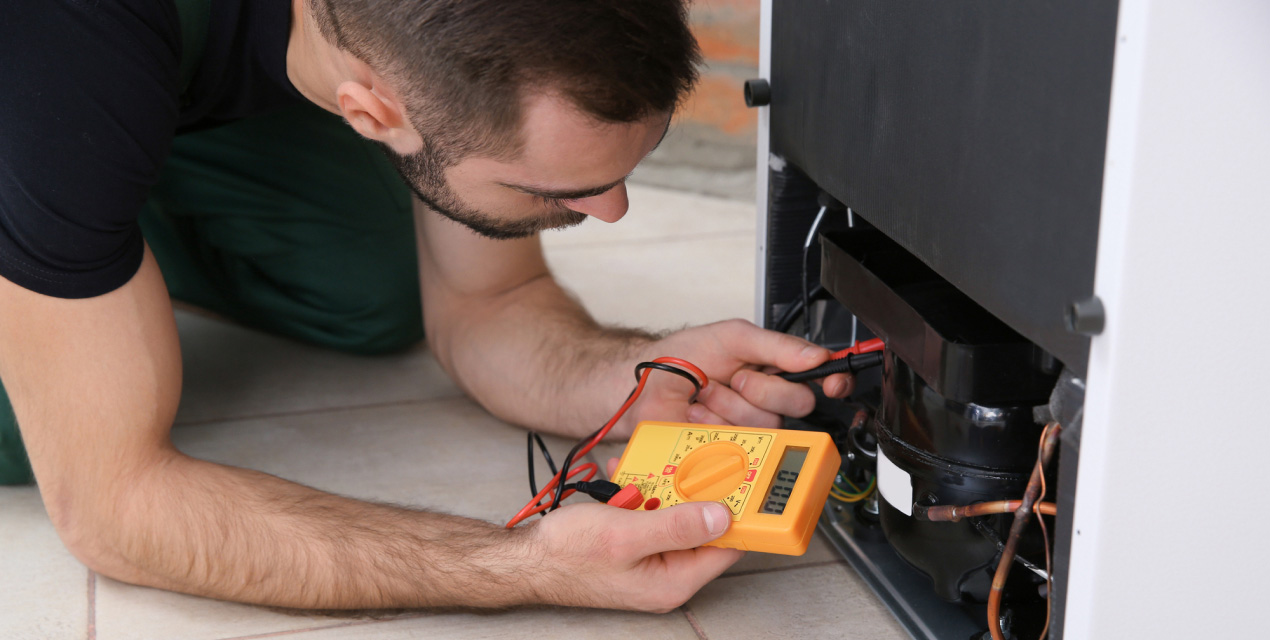
Image Source: appliancerepairexpert.ca
What a Fridge Compressor Does
Think of your fridge like a heat mover. It does not make cold. It takes heat from inside the box and moves it outside. The compressor is the engine that makes this happen.
The cooling system is a loop of pipes. Inside these pipes is the refrigerant.
1. The refrigerant starts as a cool liquid. It flows into the freezer and fridge sections.
2. It turns into a gas as it soaks up heat from your food and drinks. This makes the inside of the fridge cold.
3. This warm gas flows back to the compressor.
4. The compressor squeezes the gas. This makes the gas very hot and raises its pressure.
5. This hot, high-pressure gas flows to coils, often on the back or bottom of the fridge. These are called condenser coils.
6. The hot gas in the condenser coils gives off its heat to the air around the fridge. This is why the back of your fridge feels warm.
7. As the gas cools down, it turns back into a liquid.
8. The liquid then flows back to the start of the loop. The cycle begins again.
The compressor is the part that makes this cycle work. It pumps the refrigerant and squeezes the gas. This hard work creates heat inside the compressor itself.
Normal Fridge Compressor Temperature
It is normal for your fridge compressor to be hot to touch. It is working hard. How hot is too hot? That is the big question.
A normal fridge compressor temperature can vary. It depends on the fridge type, how old it is, and how warm the room is. But generally, a compressor gets quite warm.
You usually cannot measure the exact temperature easily without special tools. But you can feel it. It should feel hot, maybe even very hot. It should not feel hot enough to burn you right away with a light touch, but it will definitely feel more than just warm.
Most compressors work well when they are hot. Their operating temp is meant to be high. The heat is a byproduct of the compression process.
Think about a car engine. It gets very hot when it runs. A fridge compressor is similar in that way. It is a machine doing work, and work creates heat.
What is a normal range?
* Surface temperature: The metal casing of the compressor can reach temperatures between 150°F and 200°F (about 65°C to 93°C) when running. Sometimes it might even be a bit hotter.
* Internal temperature: Inside the compressor, the gas and oil get much hotter. This is normal for the parts inside.
It is important to know that the compressor does not run all the time. It turns on when the fridge needs to cool down. It runs until the right temperature is reached inside. Then it turns off. When it is off, it will cool down. If you check it when it is off, it might feel only warm or even cool. It gets hottest when it has been running for a while.
If you touch it quickly and it feels very hot, that is often normal. If it feels so hot that you cannot keep your hand on it for more than a second or two, it is likely in its normal working range.
Why The Compressor Gets Warm
The main reason why is fridge compressor hot is the work it does. Compressing gas creates heat. Here are some simple points:
- Squeezing Gas: The compressor squeezes the refrigerant gas into a small space. Squeezing any gas makes it hotter.
- Friction: Moving parts inside the compressor create friction. Friction makes heat.
- Motor Heat: The electric motor that powers the compressor also creates heat when it runs.
- Working Hard: The harder the fridge works to cool (like when the room is hot or the door is open a lot), the longer the compressor runs. Running longer means more time to build up heat.
So, a hot compressor is not always a bad sign. It shows the fridge is doing its job.
What If The Compressor Is Too Hot?
While some heat is good, compressor overheating fridge can cause problems. Excessive heat fridge means something is not working right. A compressor that is much hotter than normal could fail. It could also mean the fridge is not cooling well.
Signs of compressor excessive heat fridge might include:
* The compressor feels extremely hot, maybe hot enough to cause a burn quickly.
* The fridge is not cooling food well.
* The compressor sounds strange, like it is struggling or making loud noises.
* The fridge stops running completely.
If you think your fridge compressor is running hot symptoms might show a problem, it is good to check other things first.
Fridge Cooling Problems and the Compressor
Fridge cooling problems compressor often link back to the compressor’s work. If the compressor is not running right, the fridge will not cool.
Here are some common links:
* Compressor Too Hot: If the compressor overheats, it might shut down to protect itself. This stops cooling.
* Compressor Not Starting: If the compressor does not start at all, the fridge will not cool. It might feel cool to touch in this case, but the fridge inside will get warm.
* Compressor Running Constantly: If the compressor runs all the time but the fridge is not getting cold, this could mean the compressor is weak or there is another issue in the cooling system (like a leak). A compressor running non-stop will naturally get very hot.
* Dirty Coils: Dirty condenser coils (the ones that let heat out) make the compressor work harder. The heat cannot escape well. This makes the compressor run longer and hotter.
So, fridge cooling problems compressor often point to a problem with the compressor itself or something making the compressor work too hard.
Fridge Compressor Operating Temp Guide
There is no single perfect number for every fridge. But we can give a general fridge compressor heat range that is normal.
| Compressor State | Typical Surface Temperature Feeling | Approximate Temperature Range (°F/°C) |
|---|---|---|
| Running (Normal) | Very Hot, cannot hold hand long | 150°F – 200°F (65°C – 93°C) |
| Just Stopped | Still Very Hot | Cools down gradually |
| Off for a while | Warm or Cool | Closer to room temperature |
| Overheating | Extremely Hot, burns quickly | Possibly over 200°F (93°C) and rising |
Keep in mind, these are rough guides for the outside surface temperature. The important thing is the feeling and if the fridge is cooling well.
It is important not to touch a hot compressor for long. You could get a burn.
Why Compressor Gets Too Hot: Common Causes
Compressor excessive heat fridge is usually a sign that something is making the compressor work harder than it should. Here are common reasons why a compressor might get too hot:
Dirty Condenser Coils
This is the most common reason. The coils are like radiators. They let the heat from the fridge go into the room air. If they are covered in dust, dirt, or pet hair, the heat cannot escape easily.
- Problem: Heat stays in the system. The compressor has to run longer to try and get the heat out.
- Result: The compressor works harder, runs longer, and gets much hotter. The fridge might not cool well because the heat is stuck.
Poor Airflow
The compressor and condenser coils need good air movement around them to cool down.
- Problem: If the fridge is too close to a wall, packed into a small space, or the vents are blocked, air cannot flow freely.
- Result: The heat from the coils and compressor gets trapped. The compressor gets hotter.
Overloading the Fridge
Putting a lot of warm food into the fridge at once makes the fridge work very hard to cool it all down.
- Problem: The compressor has to run for a very long time to lower the temperature of all the new food.
- Result: Running non-stop for hours makes the compressor build up a lot of heat.
Door Seal Problems
If the fridge door seal is broken or dirty, cold air leaks out. Warm air leaks in.
- Problem: The fridge loses cold air and gains warm air constantly.
- Result: The compressor has to run much more often and for longer periods to keep the inside cold. This leads to a compressor running hot symptoms.
Refrigerant Issues
The cooling system needs the right amount of refrigerant.
- Problem: Too little refrigerant (due to a leak) means the system cannot move heat well. Too much can also cause problems.
- Result: The compressor might run constantly trying to cool, leading to overheating. Or it might struggle and overheat.
Faulty Start Relay
The start relay is a small part that helps the compressor motor start.
- Problem: If the relay is bad, it can make the compressor try to start and stop quickly, or struggle to start.
- Result: This can cause the motor to overheat, and this heat transfers to the compressor body.
Faulty Compressor Fan
Many fridges have a fan near the compressor and coils. This fan blows air over the hot parts to cool them down.
- Problem: If this fan is broken or blocked, the hot air just sits around the compressor and coils.
- Result: The compressor and coils cannot cool down properly, causing the compressor to overheat.
Aging Compressor
Like any machine, compressors wear out over time.
- Problem: An old compressor might become less efficient. It has to work harder to do the same job.
- Result: Working harder can generate more heat. An old compressor is also more likely to have internal issues that cause excessive heat.
Fridge Compressor Troubleshooting Heat Issues
If you think your fridge compressor is too hot or you see fridge compressor running hot symptoms, you can do some basic checks. This is part of fridge compressor troubleshooting heat problems.
Important Safety Note: Always unplug the fridge before doing any cleaning or touching parts other than the outside surface. Working near electrical parts and hot components can be dangerous.
Here are steps for fridge compressor troubleshooting heat:
Step 1: Check the Condenser Coils
- Where are they? Usually on the back of the fridge or underneath it behind a kick plate.
- What to do: Unplug the fridge. If coils are underneath, you might need to remove a cover plate. Use a vacuum cleaner with a brush tool or a coil brush to gently remove dust, dirt, and pet hair from the coils and the area around the compressor.
- Why: Clean coils help heat escape better. This makes the compressor work less hard.
Step 2: Check Airflow Around the Fridge
- What to do: Make sure the fridge is not pushed right up against the wall. There should be a few inches of space on the sides and back. Do not store things right against the back of the fridge. Make sure nothing is blocking the vents at the bottom front (if your coils are underneath).
- Why: Good airflow lets the heat leave the fridge area. This helps the compressor and coils cool down.
Step 3: Check the Door Seal
- What to do: Close the fridge door on a piece of paper or a dollar bill. Try to pull the paper out. If it slips out easily, the seal might be weak there. Check all around the door. Clean the seals with warm, soapy water. Look for cracks or tears.
- Why: A good seal keeps cold air in and warm air out. This means the compressor runs less.
Step 4: Check What’s Inside the Fridge
- What to do: Did you just fill it with groceries? Is there a lot of warm leftovers? The compressor will run longer after a big restock. This is normal. However, if the fridge is packed so full that air cannot move inside, it can make cooling harder. Try not to block the vents inside the fridge.
- Why: Putting a lot of warm things in makes the fridge work extra hard temporarily. Poor air circulation inside also makes it work harder.
Step 5: Listen to the Compressor Fan
- Where is it? Usually near the compressor and coils.
- What to do: Plug the fridge back in. Listen. Can you hear a fan running near the bottom back? If not, or if it sounds bad, the fan might be broken. Unplug the fridge again before inspecting the fan blades. Make sure nothing is stuck in the fan.
- Why: The fan helps cool the compressor and coils. If it is not working, heat builds up.
Step 6: Observe the Compressor Running
- What to do: Plug the fridge in. The compressor should start after a few minutes. It should run with a consistent hum. It might be hot to the touch as it runs. Note how long it runs. Does it run constantly? Does it try to start but just clicks?
- Why: Constant running or clicking sounds can show issues with the compressor or start relay.
Step 7: Feel the Condenser Coils
- What to do: While the compressor is running and has been for a while, feel the condenser coils (carefully, they will be warm or hot). The coils should feel hottest near where the pipe leaves the compressor and get cooler as they go along.
- Why: This check tells you if the heat is actually leaving the system. If the coils are not getting warm/hot, the refrigerant might not be flowing right, or the compressor might not be pumping.
Preventing Compressor Overheating
You can help prevent your fridge compressor from getting too hot and needing fridge compressor troubleshooting heat later. Simple care can extend the life of your fridge.
- Clean Coils Regularly: Clean the condenser coils at least once or twice a year. More often if you have pets that shed a lot of hair. This is the single best thing you can do.
- Ensure Good Airflow: Keep the fridge away from walls and cabinets as recommended by the maker. Do not block bottom vents.
- Check Door Seals: Clean seals often and check for leaks. This saves energy and reduces compressor work.
- Manage Loading: Try not to put huge amounts of very warm food in at once. Let hot leftovers cool a bit on the counter before putting them in the fridge (but do not leave them out too long for safety).
- Avoid Placing Fridge in Hot Areas: Do not put your fridge in direct sunlight or next to a hot oven or radiator. Higher room temperature makes the fridge work harder.
- Listen to Your Fridge: Pay attention to how often the compressor runs and if it sounds normal. This can help you spot problems early. A compressor running hot symptoms could be noticed just by paying attention.
When to Call a Technician
You have done some fridge compressor troubleshooting heat checks. If you still have problems or feel unsafe checking parts, it is time to call a repair person.
Call a technician if:
* The compressor is extremely hot and you cannot find a simple cause like dirty coils.
* The fridge is not cooling at all, even after cleaning the coils and checking airflow.
* The compressor is making loud or strange noises (clicking, buzzing, rattling loudly).
* The compressor tries to start but only clicks and does not run.
* The compressor runs constantly but the fridge is not cold.
* You see frost build-up where it should not be, which can indicate refrigerant issues.
* You suspect a refrigerant leak (can have a chemical smell).
* You are not comfortable cleaning near electrical or hot parts.
A qualified technician can check the refrigerant levels, test the compressor and fan, and find other issues you cannot see. Fixing a fridge compressor that is running hot symptoms early can save you money in the long run. Ignoring compressor excessive heat fridge can lead to the compressor failing completely, which is an expensive fix.
The Lifecycle of a Fridge Compressor
A fridge compressor is built to last many years. It is designed to handle getting hot as it works. Its life depends a lot on how hard it has to work and how well the fridge is kept clean.
Think of it like walking versus running. If you walk a lot, you will be fine for a long time. If you run a marathon every day, you will wear out faster.
- Easy Life: A fridge in a cool room, kept clean, with seals in good shape has an easy life. The compressor runs less often and for shorter times. It gets hot but cools down more. It will likely last a long time.
- Hard Life: A fridge in a hot garage, with dirty coils, leaky seals, and stuffed full of food has a hard life. The compressor runs almost non-stop. It is constantly fighting against heat trying to get in. This compressor will get very hot and wear out faster.
Knowing the normal fridge compressor temperature and doing simple cleaning helps give your compressor an easier life.
Deciphering Compressor Sounds
Beyond just heat, the sounds your compressor makes can tell you things.
- Normal: A steady hum or buzz when running. Maybe a click when starting and stopping (this is the relay).
- Clicking without Running: The compressor tries to start, but the relay clicks and it stops. This often means a bad start relay or the compressor is failing.
- Loud Buzzing/Humming: Could be the compressor working extra hard, or something vibrating against it.
- Rattling: Might be something loose near the compressor or fan.
If you hear unusual sounds along with compressor running hot symptoms, it is definitely time to investigate or call a pro.
Energy Use and Compressor Heat
A compressor that is running hot symptoms often mean the fridge is using more energy than it should.
- When coils are dirty, the compressor runs longer. More run time means more electricity used.
- When seals leak, the compressor runs longer. More electricity used.
- When airflow is blocked, the compressor runs longer. More electricity used.
Keeping your fridge clean and making sure it has good airflow helps the compressor run more efficiently. This means it runs less often, gets less hot overall, and uses less power. This saves you money on your electricity bill.
A compressor excessive heat fridge is not just a repair worry; it is an energy waste.
The Role of the Thermostat
The fridge’s thermostat tells the compressor when to start and stop. It senses the temperature inside the fridge and freezer.
- When the temp gets too high, the thermostat tells the compressor to turn on.
- When the temp gets low enough, the thermostat tells the compressor to turn off.
If the thermostat is not working right, it could make the compressor run too much (leading to compressor overheating fridge) or not enough (leading to the fridge being warm). Issues with the thermostat are less common than dirty coils, but they can cause fridge cooling problems compressor.
Beyond Cleaning: Other Simple Checks
Before calling for service, review these simple things related to fridge compressor troubleshooting heat:
- Check the temperature setting: Is it set too low (too cold)? Setting it super low can make the compressor run constantly. The normal setting is usually somewhere in the middle. Fridge section should be around 35-40°F (1.7-4.4°C). Freezer should be 0°F (-18°C).
- Is the room very hot? If the fridge is in a hot garage or a room with broken air conditioning, it will have to work much harder and get hotter. Move the fridge if possible or cool the room.
- Is the condenser fan working? (Repeat from troubleshooting, but worth checking again). It is vital for cooling the compressor area.
- Is the fridge level? An unlevel fridge might cause problems with the cooling system flow over time.
Taking a few minutes to check these simple things can often fix compressor running hot symptoms without needing a costly repair.
Final Thoughts on Compressor Temperature
It’s totally normal for a fridge compressor to be hot. It is a sign it is working. Think of the normal fridge compressor temperature as “very warm” or “hot to touch quickly.”
Compressor overheating fridge means it is getting hotter than it should be. This usually happens because it is working too hard. The most common reasons are dirty coils, poor airflow, or bad door seals.
Simple cleaning and checking can often fix the problem and prevent compressor excessive heat fridge. If the problem continues, or you hear strange sounds, or the fridge is not cooling, it is best to call a professional for help with fridge cooling problems compressor.
Keeping your fridge clean and giving it space helps the compressor stay within its normal fridge compressor heat range. This helps your fridge last longer and saves energy.
Frequently Asked Questions
h4: Is it okay if my fridge compressor is very hot?
Yes, it is normal for a fridge compressor to feel very hot when it is running. It gets hot from squeezing the refrigerant gas. You should be able to touch it quickly without getting burned, but it will feel much hotter than just warm.
h4: How hot is too hot for a fridge compressor?
If the compressor feels so hot that it would burn you right away, it might be too hot. Also, if the fridge is not cooling well or the compressor runs non-stop along with being very hot, it might be overheating. Normal working temperature is hot, but dangerously hot is a problem.
h4: Why is my fridge compressor running hot symptoms happening?
Compressor running hot symptoms like extreme heat, poor cooling, or strange noises often mean the compressor is working too hard. This is commonly caused by dirty condenser coils, poor airflow around the fridge, or a leaky door seal letting warm air in.
h4: Can a dirty fridge compressor cause problems?
Yes, indirectly. Dirt, dust, and pet hair on the condenser coils near the compressor make it hard for the fridge to release heat. This makes the compressor work longer and hotter, leading to potential overheating and poor cooling.
h4: What should the fridge compressor operating temp feel like?
The operating temp area on the surface should feel quite hot when running. You might not be able to keep your hand on it for more than a few seconds. This is usually within its normal fridge compressor heat range.
h4: How can I cool down a hot fridge compressor?
First, make sure the fridge is unplugged. Then, clean the condenser coils thoroughly. Ensure there is good airflow around the fridge. Check and clean the door seals. These steps often solve the problem by making the compressor work less hard.
h4: Will cleaning my fridge coils help the compressor?
Yes, absolutely. Cleaning the condenser coils is one of the most important things you can do. Clean coils allow heat to escape properly, which means the compressor does not have to work as hard or run as long. This keeps the normal fridge compressor temperature down and prevents compressor excessive heat fridge.
h4: Why would my fridge compressor run constantly and get hot?
A compressor running constantly suggests the fridge cannot reach the set temperature. This could be due to a refrigerant leak, a blockage in the system, a faulty thermostat, or simply because the fridge is in a very hot place or has a leaky door seal. Running constantly makes the compressor get very hot.
h4: Is fridge compressor troubleshooting heat something I can do myself?
You can do basic troubleshooting like cleaning coils, checking airflow, and inspecting door seals. However, if the problem seems more complex, involves electrical parts beyond cleaning, or if you suspect a refrigerant issue, it is best to call a qualified appliance technician.
h4: How long should a fridge compressor run?
A fridge compressor cycles on and off. How long it runs depends on how often the door is opened, how much food is inside, the room temperature, and the fridge setting. It should not run constantly (24/7). If it runs all the time and the fridge isn’t getting cold, there is a problem.
h4: Can compressor overheating fridge damage the unit?
Yes. Prolonged or severe compressor excessive heat fridge can damage the internal parts of the compressor, leading to failure. It can also stress other parts of the cooling system. Fixing a failed compressor is often very expensive, sometimes costing almost as much as a new fridge.
h4: How can I tell if my fridge cooling problems compressor are serious?
Signs of serious fridge cooling problems compressor include the fridge not getting cold at all, the compressor making very loud or strange noises, the compressor clicking on and off rapidly without running, or a strong chemical smell (possible refrigerant leak). These usually require professional help.