
Why does my air conditioner keep running? It’s a common problem. Your AC might run all the time because of simple things like a dirty filter or a problem with the thermostat. Sometimes, it’s more serious, like low coolant (refrigerant) or a unit that’s too big or too small for your home. When your AC won’t turn off, it often means it’s working hard but not reaching the right temperature.
When your air conditioner runs and runs without stopping, it’s not just annoying. It also uses a lot of power. This can lead to a high electric bill from AC use. Plus, it puts extra stress on the unit. This can cause parts to wear out faster. Knowing why your AC won’t turn off is the first step to fixing the problem.
Let’s look at the main reasons why your air conditioner fan constantly running or the whole unit stays on too long.
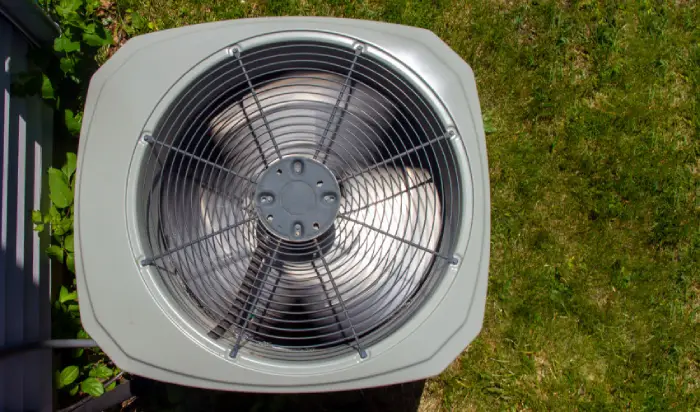
Image Source: www.aireserv.com
Key Reasons Your AC Keeps Running
Several things can make your AC run non-stop. Most of these stop the unit from cooling your home well. The thermostat tells the AC to keep running until the right temperature is met. If it never gets cool enough, the AC keeps trying.
Here are some common issues:
- Airflow problems
- Low refrigerant levels
- Thermostat troubles
- Wrong-sized AC unit
- Dirty coils
- Electrical issues
We will look at each of these reasons.
Comprehending Airflow Troubles
Good airflow is key for your AC. Air needs to move freely over the cold parts inside (evaporator coil). It also needs to move freely through your home and back to the AC. If air doesn’t move well, the AC can’t cool your home the right way.
Hiding inside your AC system are places where airflow can get stuck.
- Dirty Air Filter: This is a very common cause. Your air filter catches dust and dirt. A clean filter lets air flow easily. A dirty air filter AC gets blocked. It’s like trying to breathe through a thick blanket. Less air reaches the cold coil. The coil gets too cold. It can even freeze up (AC coils freezing up). The AC keeps running to cool the home, but it can’t. The cold air isn’t getting out.
- Blocked Vents or Returns: The vents blow cool air into rooms. The return vents pull warm air back to the AC. If these are closed or blocked by furniture, airflow is bad. The AC struggles to move air around your home. It keeps running because the house isn’t cooling down evenly.
- Blocked Ducts: The air travels through ducts. These are like tunnels in your walls and ceilings. If ducts are bent, leaking, or blocked inside, air can’t move well. This slows down cooling. The AC works harder and longer.
The Impact of Bad Airflow
When airflow is poor:
- The AC works harder.
- It uses more power (high electric bill from AC).
- It may not cool properly (AC not cooling properly).
- The inside coil can freeze (AC coils freezing up).
- This puts stress on the whole unit.
Simple Fix: Check your air filter every month. Change it if it looks dirty. Make sure all vents and return vents are open and clear.
Interpreting Refrigerant Problems
Refrigerant is a special liquid or gas. It flows through your AC system. It picks up heat from inside your home and carries it outside. This is how your AC cools the air.
If your AC has low refrigerant AC, it can’t pick up enough heat. It’s like trying to cool a room with only a little bit of ice.
- Low Refrigerant: AC units don’t use up refrigerant like a car uses gas. If your AC is low on refrigerant, it means it has a leak. Even a small leak makes the system lose its cooling power. With low refrigerant AC, the unit will run constantly. It tries to cool, but it just can’t move enough heat. The air coming out might not be very cold (AC not cooling properly).
- Refrigerant Leaks: Finding and fixing a leak takes skill. An HVAC pro must find the leak, fix it, and add the right amount of refrigerant back. Just adding more refrigerant without fixing the leak is a temporary fix. The problem will come back.
Signs of Low Refrigerant
Look for these signs:
- The air coming out is not very cold.
- Ice forms on the copper lines or the outdoor unit’s valve (AC coils freezing up can happen here too).
- A bubbling or hissing sound might come from the refrigerant lines.
- The AC runs constantly but doesn’t cool the house (AC not cooling properly).
- Your electric bill goes up (high electric bill from AC).
Important: You cannot check or add refrigerant yourself. This needs a certified technician. This is a key step when troubleshooting AC problems.
Grasping Thermostat Issues
Your thermostat is the brain of your AC system. It reads the room temperature. It tells the AC when to turn on and off. If your thermostat isn’t working right, it can make your AC run non-stop. This is a common cause of thermostat issues AC.
- Wrong Settings: Is the fan set to “ON” instead of “AUTO”? If it’s on “ON,” the air conditioner fan constantly running. The fan will blow air all the time, even when the cooling is off. The cooling part (compressor) might still cycle on and off, but the fan never stops. This isn’t as bad as the whole unit running constantly, but it’s still not normal operation and uses extra power. Make sure the setting is on “AUTO.”
- Faulty Sensor: The thermostat has a sensor. This sensor reads the air temperature. If the sensor is dirty, broken, or blocked, it might not read the temperature correctly. It might think the room is warmer than it is. This tells the AC to keep running.
- Thermostat Location: Where your thermostat is matters. If it’s in a spot with direct sunlight, near a hot lamp, or above a heat source, it will read a higher temperature. It will think the room is hotter than it is. This makes the AC run longer than needed.
- Old or Broken Thermostat: Older thermostats can wear out. Digital ones can have internal problems. This can cause thermostat issues AC. It might send the wrong signals to the AC unit.
Checking Your Thermostat
- Make sure the setting is on “COOL” and the fan is on “AUTO.”
- Check the set temperature. Is it set too low? Setting it too low can make the AC run constantly in hot weather.
- Clean the thermostat gently. Dust can block the sensor.
- Make sure nothing hot is near the thermostat.
If you suspect thermostat issues AC, especially if the display is blank or it acts strangely, you might need a new one.
Fathoming Unit Size Problems
Air conditioners are sized based on the area they need to cool. This is measured in BTUs (British Thermal Units). It’s important to have the right size unit for your home.
- Oversized AC Unit Problems: This sounds odd, but an AC unit that is too big can cause problems. An oversized unit cools the home too quickly. It reaches the set temperature fast and turns off. The problem is, it doesn’t run long enough to remove humidity from the air. Your home feels cold but clammy. To feel comfortable, you might lower the temperature more. This makes the AC cycle on and off often (short cycling) or sometimes run longer if it never quite feels dry and cool enough. While short cycling is more common with oversized units, they can also struggle to maintain steady comfort, sometimes leading to longer run times trying to get rid of humidity.
- Undersized AC Unit: If your AC is too small for your home, it will run constantly in hot weather. It simply doesn’t have enough power to cool the whole space down to your set temperature. It will run all day and night, trying its best, but never quite getting there. This is a major cause of AC won’t turn off and a high electric bill from AC.
Why Size Matters
The right size unit:
- Cools your home evenly.
- Removes humidity well.
- Cycles on and off as needed.
- Runs efficiently.
Getting the wrong size AC unit installed is a big mistake. It often leads to troubleshooting AC problems later. If you think you have oversized AC unit problems or an undersized one, a pro can do a load calculation to check.
Deciphering Dirty Coils
Your AC system has two main coils:
- Evaporator Coil: This is inside your home, part of the indoor unit. It gets cold and absorbs heat from the air blowing over it.
- Condenser Coil: This is outside, part of the outdoor unit. It releases the heat that the refrigerant carried from inside.
Both coils need to be clean.
- Dirty Evaporator Coil: If the air filter is dirty or you don’t change it often, dirt can get past it. This dirt builds up on the evaporator coil. A dirty coil can’t absorb heat well. It also blocks airflow. This makes the coil get too cold and can cause AC coils freezing up. The AC runs, but cooling is poor (AC not cooling properly).
- Dirty Condenser Coil: The outdoor unit pulls air through the condenser coil to cool the refrigerant. If this coil is covered in dirt, grass clippings, leaves, or pet hair, it can’t release heat properly. It’s like trying to cool your car radiator when it’s covered in mud. The heat stays in the system. This makes the AC work harder and run longer to try and cool the house. It can also cause the unit to overheat.
Effects of Dirty Coils
- Reduced cooling power (AC not cooling properly).
- AC runs longer or constantly.
- Higher energy bills (high electric bill from AC).
- Possible AC coils freezing up (indoor coil).
- Stress on the compressor.
Simple Fix: Change your air filter regularly. Clean the outdoor unit’s coil gently with a hose. Do not use a high-pressure spray. Remove debris from around the unit. Professional cleaning of the indoor coil is also needed sometimes.
Making Sense of Electrical Issues
Your AC unit has many electrical parts. These parts control when the unit turns on, when the fan runs, and when the compressor runs. Problems with these parts can make the AC run constantly.
- Contactor Relay: This part in the outdoor unit is like a switch. It turns the compressor and the outdoor fan on and off. If this switch gets stuck or fails, it can keep the compressor and fan running all the time, even when the thermostat isn’t calling for cooling. This is a clear case of AC won’t turn off.
- Fan Relay: There’s also a relay for the indoor fan. If this gets stuck, the air conditioner fan constantly running, even if the cooling is off.
- Capacitor Issues: Capacitors help start the motors (fan and compressor). If a capacitor is weak or bad, a motor might struggle to start or run correctly. While this usually causes the unit not to cool or start, in some cases, a faulty electrical signal can lead to other components trying to run constantly.
- Control Board Problems: Modern AC units have a main control board. This board manages all the signals from the thermostat and safety sensors. If the control board is faulty, it can send the wrong commands, leading to the unit running non-stop.
Danger of Electrical Problems
Electrical issues are dangerous. You should never try to fix them yourself.
- Risk of shock.
- Can cause more damage to the AC.
- Needs a skilled HVAC technician.
If your AC won’t turn off and you’ve checked the simple things like the thermostat settings and filter, an electrical problem is a strong possibility. This requires a pro for troubleshooting AC problems.
Figuring Out High Heat Load
Sometimes the problem isn’t just the AC unit itself. The amount of heat entering your home can be too much for the AC to handle easily. This is called the heat load.
- Poor Insulation: If your walls, attic, or windows are not well insulated, heat leaks into your home constantly in the summer. The AC has to fight this heat leak all the time.
- Leaky Windows and Doors: Gaps around windows and doors let hot outside air sneak in.
- Open Windows or Doors: Leaving windows or doors open while the AC is on is a major energy waste. The AC will run non-stop trying to cool the outside air coming in.
- Too Many Heat Sources Inside: Running heat-producing appliances (oven, dryer) or having many people in a space adds heat.
- Sunny Exposure: Rooms that get direct sun for many hours heat up a lot.
Impact of High Heat Load
When your home gains a lot of heat:
- The AC struggles to reach the set temperature.
- It runs longer and longer.
- It might run constantly in very hot weather.
- Your electric bill will be high (high electric bill from AC).
- The house still might not feel cool enough (AC not cooling properly).
Tips: Add insulation. Seal air leaks around windows and doors. Use blinds or curtains on sunny windows. Try to use heat-making appliances in the morning or evening.
Symptoms Beyond Just Running
Besides the AC won’t turn off or the air conditioner fan constantly running, other signs tell you something is wrong.
- AC Not Cooling Properly: The most obvious sign. The air feels cool, but not cold. The temperature on the thermostat doesn’t drop much.
- High Electric Bill From AC: A unit running non-stop uses a lot of power. Your bill will jump significantly.
- Ice Formation: Seeing ice on the indoor coil or outdoor lines means something is seriously wrong, often low refrigerant or bad airflow (AC coils freezing up). Turn the AC off right away to let it thaw and prevent damage.
- Strange Noises: Grinding, hissing, or bubbling sounds can point to mechanical or refrigerant issues.
- Unit Cycling On and Off Too Often (Short Cycling): While the opposite of running constantly, short cycling (turning on and off every few minutes) is also a problem. It’s often linked to oversized units or electrical faults.
Basic Troubleshooting AC Problems
Before calling a professional, there are simple checks you can do. This is your first step in troubleshooting AC problems.
Checking the Thermostat
- Make sure the mode is set to “COOL.”
- Check the fan setting. Is it on “AUTO” or “ON”? Set it to “AUTO.”
- Look at the set temperature. Is it very low? Try setting it a bit higher to see if the AC turns off.
- Make sure the thermostat is clean and nothing is blocking it.
- Check the batteries if it’s a battery-powered model.
Inspecting the Air Filter
- Find your air filter. It’s usually in the return air vent or near the indoor unit.
- Pull it out.
- Hold it up to the light. Can you see light through it? If not, it’s dirty.
- Replace it with a clean filter. Make sure you use the right size and put it in the correct direction (arrow points towards the air handler).
Checking Vents and Returns
- Walk around your home.
- Make sure all supply vents (where cool air blows out) are open.
- Make sure all return vents (where air is pulled back) are open and not blocked by furniture, rugs, or curtains.
Looking for Ice
- Check the indoor unit (air handler). Look at the large copper pipe and the coil. See any ice build-up?
- Check the outdoor unit. Look at the larger insulated copper line connecting to it. See any ice near where it goes into the unit?
- If you see ice (AC coils freezing up), turn the AC off at the thermostat and maybe at the breaker. Let it thaw. This can take several hours. Don’t run it again until the ice is gone.
Clearing Debris Outside
- Look at your outdoor AC unit (condenser).
- Is it covered in leaves, dirt, or other debris?
- Gently clear away anything blocking the sides or top.
- You can gently rinse the fins (metal slats) with a garden hose (low pressure). Make sure not to spray directly into the electrical parts.
If you do these simple checks and your AC won’t turn off or still isn’t cooling right (AC not cooling properly), it’s time to call for help.
When to Call a Professional
Some problems causing your AC to run constantly need expert help. Do not try to fix these yourself.
- Low Refrigerant AC: Adding refrigerant needs special tools and knowledge. Fixing the leak is also a skilled job.
- AC Coils Freezing Up Persistently: While a dirty filter can cause this, if it happens often or after changing the filter, it points to a more serious issue like low refrigerant or a mechanical problem.
- Electrical Issues: Problems with contactors, relays, capacitors, or the control board are dangerous and need a qualified technician.
- Unit is Too Old or Too Small/Large: If your unit is old or was the wrong size from the start, it may need replacing. A pro can confirm this and recommend the right size unit.
- Persistent AC Won’t Turn Off: If you’ve done the basic troubleshooting AC problems checks and the unit still runs non-stop, a professional needs to diagnose the issue.
- Strange Noises or Smells: These can indicate mechanical failure or electrical problems.
Calling an HVAC technician when you have AC won’t turn off issues can save you money in the long run. They can quickly find the exact problem. They have the right tools and parts to fix it safely and correctly. Delaying repairs can lead to more damage and a much higher cost.
Keeping Your AC Running Right (Prevention)
Preventing problems is better than fixing them. Regular maintenance can stop your AC from running non-stop. It keeps it working well and lowers your high electric bill from AC use.
- Change Filter Regularly: This is the easiest and most important task. Do it every 1-3 months, or more often if you have pets or allergies. This prevents dirty air filter AC problems.
- Clean Outdoor Unit: Keep the condenser coil clean by clearing debris and rinsing it gently once or twice a year.
- Schedule Annual Tune-Ups: Have a professional inspect your AC system every year, ideally before the hot season starts. They will:
- Clean coils professionally.
- Check refrigerant levels (find low refrigerant AC issues early).
- Inspect electrical parts.
- Check airflow and ductwork.
- Check thermostat function.
- Look for any other potential problems.
Regular maintenance helps catch small issues before they become big ones like AC won’t turn off or AC not cooling properly. It makes your unit run more efficiently. This lowers your energy bills and helps the unit last longer.
Potential Causes Summary Table
| Potential Cause | What Happens | Common Signs | What You Can Do | When to Call a Pro |
|---|---|---|---|---|
| Dirty Air Filter | Blocks airflow, makes coil too cold | AC runs constantly, not cooling well, ice on indoor coil (AC coils freezing up) | Check and change filter regularly. | If ice keeps forming or problem persists. |
| Low Refrigerant | Unit can’t move enough heat | AC runs constantly, not cooling well, ice on outdoor line, bubbling sounds | Nothing you can do safely. | Always call a pro. Needs leak fix and refill. |
| Thermostat Problems | Wrong readings or signals | AC runs constantly, fan won’t turn off, wrong temperature shown | Check settings, location, clean it. Change batteries. | If settings are right but AC still runs. |
| Wrong Unit Size | Too small (runs non-stop) or too big (cycles short) | AC runs constantly in hot weather (undersized), house is humid (oversized) | Nothing after install. Prevention is key. | To check if size is the problem or replace. |
| Dirty Coils (Indoor/Outdoor) | Can’t transfer heat well, blocks airflow | AC runs constantly, not cooling well, ice on coil (AC coils freezing up) | Change filter (indoor). Clear debris, rinse outdoor. | For professional cleaning or if problem persists. |
| Electrical Issues (Contactor, etc.) | Unit gets stuck “on” | AC won’t turn off at all, air conditioner fan constantly running | Nothing you can do safely. | Always call a pro. Dangerous. |
| High Heat Load (Poor Insulation) | Too much heat enters the home | AC runs constantly in hot weather, house still feels warm | Add insulation, seal leaks, close blinds, use fans. | For energy audit and advice. |
This table quickly shows some of the main reasons for troubleshooting AC problems when your unit won’t turn off.
Frequently Asked Questions (FAQ)
Why is my air conditioner fan constantly running even when the cooling is off?
This usually means the fan setting on your thermostat is set to “ON” instead of “AUTO.” Check your thermostat and switch the fan setting to “AUTO.” If it’s already on “AUTO” and the fan is still running non-stop, there might be an electrical problem with the fan relay, which requires a technician.
Can a dirty filter really make my AC run all the time?
Yes, absolutely. A dirty air filter AC is a very common reason for AC won’t turn off. It blocks airflow. This makes the system less efficient. The AC struggles to cool the house and might run constantly trying to reach the set temperature. It can also cause AC coils freezing up.
My AC unit is icing up (AC coils freezing up). Why is this happening?
Ice on your AC coils or lines usually means there’s not enough heat being absorbed or airflow is blocked. The most common reasons are a very dirty air filter AC, low refrigerant AC (due to a leak), or a problem with the fan motor. Turn the unit off and call a professional. Running a unit with ice can cause serious damage.
How do I know if I have low refrigerant AC?
Signs of low refrigerant AC include the air coming out of your vents not feeling cold enough (AC not cooling properly), ice forming on the copper lines or coil (AC coils freezing up), a bubbling or hissing sound, and the unit running constantly but not cooling effectively (AC won’t turn off). You cannot verify or fix this yourself. A technician must check the levels and look for leaks.
Will my electric bill be high if my AC runs non-stop?
Yes, definitely. An AC unit uses a lot of electricity. If it’s running much more than it should, or running constantly, your high electric bill from AC use will be very noticeable. Fixing the reason it’s running constantly will save you money.
My AC was just installed, and it seems to run all the time. Is this normal?
A brand new AC unit might run longer initially to pull down the temperature in a hot house. However, if it runs constantly even after the house has cooled, or in normal outside temperatures, it could point to oversized AC unit problems (causing short cycling or humidity issues that make you lower the temp) or an undersized unit, low refrigerant from a bad install, or other issues. It’s best to call the installer back to check.
Is it okay for the AC fan to run all the time if I set it that way?
Setting the fan to “ON” means the air conditioner fan constantly running, circulating air even when the compressor is off. This can help with air circulation and even out temperatures. However, it uses more electricity than setting it to “AUTO” and does not dehumidify the air when the compressor is off. It’s generally more energy-efficient to leave it on “AUTO.”
I’m troubleshooting AC problems myself. What’s the most important thing to remember?
The most important things you can do are check your air filter, make sure vents are open, check thermostat settings, and look for ice. Do not attempt electrical repairs or try to handle refrigerant. If these basic checks don’t solve the AC won’t turn off problem, call a professional.
How can I prevent my AC from running constantly in the future?
Regular maintenance is key. Change your air filter often (dirty air filter AC is common). Keep the outdoor unit clean. Schedule a professional tune-up once a year. Ensure your home is well-insulated and sealed to reduce heat gain.
When your AC keeps running, it’s telling you something is wrong. It might be a simple fix like changing a filter. Or it could be a more complex issue like low refrigerant AC or an electrical problem. Pay attention to the signs, do the basic checks, and don’t hesitate to call a professional when needed. Fixing the issue quickly will make your home comfortable, lower your bills, and help your AC last longer.