
Image Source: cdn.shopify.com
How Long Does Matcha Last In The Fridge? Shelf Life Guide
Does matcha go bad? Yes, matcha can go bad or, more accurately, lose its quality and freshness over time. How long does matcha last in the fridge? Storing opened matcha in the fridge can help it stay fresh for about 1 to 3 months. If it’s unopened and kept in the fridge, it might last 6 to 12 months past its best-by date. But remember, this is just a guide. The real matcha shelf life depends on how you store it and the quality when you bought it.
Matcha is a special green tea powder from Japan. It’s known for its bright green color and fresh taste. But this powder is delicate. Things like air, light, heat, and water can hurt it. Proper matcha storage tips are key to keeping it good. Knowing how to store matcha powder the right way makes a big difference. This guide will tell you all about keeping your matcha fresh. We will talk about the matcha expiration date, how to store it, and signs of spoiled matcha.
What Makes Matcha Lose Its Freshness?
Matcha starts losing its best qualities right after it is ground. This happens because it has a lot of good stuff in it. These things react with the air and light.
Several things work against matcha powder freshness:
- Air: Air has oxygen. Oxygen reacts with the good things in matcha. This makes the color dull and the taste less fresh. Think of how a cut apple turns brown. That’s oxidation.
- Light: Sunlight and even indoor lights can hurt matcha. Light breaks down the plant compounds. This makes the color fade. It also changes the flavor.
- Moisture: Matcha powder is very dry. It pulls in water easily. Water can make the powder clump. It can also help bad things grow, like mold. Even a little bit of water is bad.
- Heat: Warm places make bad reactions happen faster. High heat makes matcha lose its color and flavor quickly. It is best to keep matcha cool.
- Time: Even with perfect storage, matcha gets older. Over time, the natural compounds change. The best taste and color fade.
To keep matcha good, you need to protect it from these things. This is why storing it properly is so important. It helps keep the color bright. It keeps the flavor strong and fresh. It helps you get the most from your matcha powder.
Figuring Out Matcha Shelf Life
Matcha does not really “go bad” like milk or meat. It loses its quality instead. It won’t usually hurt you if it’s just old. But it won’t taste good. It won’t be the bright green you expect.
Matcha usually comes with a “best by” date. This date tells you when the maker thinks the matcha is at its peak quality. It’s not a date when it becomes unsafe. It’s about taste and color.
The real matcha shelf life depends on if the package is opened or unopened. It also depends on where you store it.
Interpreting the “Best By” Date
The best by date is about quality, not safety.
- Before this date, the matcha should be at its best. It will have the brightest color. The flavor will be strongest and freshest.
- After this date, the quality starts to drop. The color might fade a little. The flavor might not be as strong. It might taste a bit flat.
You can often still use matcha after the best by date. It might be okay for lattes or baking. But it won’t be the best for drinking straight (usucha or koicha).
How to Keep Matcha Powder Fresh
Proper storage is the most important thing. Good matcha storage tips make a big difference. You want to keep air, light, heat, and moisture away.
The best way to store matcha is in a place that is:
- Airtight: The container must stop air from getting in. This slows down oxidation.
- Dark: It should be in a dark place. Or the container itself should be dark. This stops light damage.
- Cool: A cool place is better than a warm one. This slows down chemical changes.
- Dry: No moisture should get in.
Selecting the Right Container
The container matters a lot.
- Original Packaging: Many good matcha come in special bags or tins. These are often designed to protect the matcha. They might be foil-lined bags. They might be dark metal tins.
- If using a bag, push out as much air as you can before sealing it. Use a good clip or the zip seal.
- If using a tin, make sure the lid fits tightly.
- Other Airtight Containers: If your matcha did not come in a good container, move it. Use a small, airtight jar or tin.
- Glass jars can work, but choose dark glass. Or store a clear jar in a dark cupboard.
- Metal tins are often best because they are dark and airtight.
- Plastic containers can work if they have a very tight seal. Make sure they do not smell like plastic.
Choose a container that is just big enough for the amount of matcha you have. Less air space inside the container is better.
Where Should You Store Matcha?
You have a few choices for where to keep your matcha. The best spot depends on if it’s opened and how long you plan to keep it.
Storing Unopened Matcha
An unopened package of good quality matcha has the longest shelf life. The original packaging is designed to protect it well.
- Pantry Storage: An unopened package can stay in a cool, dark pantry. Keep it away from the stove or windows. It should last until its best by date. Sometimes, it can last longer, maybe 6 to 12 months past the date, if stored perfectly. But quality will slowly drop.
- Fridge Storage: Storing unopened matcha in the fridge is even better for keeping quality high for a long time. The cold temperature slows down changes. If kept airtight in the fridge, it can stay very fresh until the best by date. It might keep good quality for 6 to 12 months after the best by date. This is the best way to store matcha if you won’t use it quickly.
Storing Opened Matcha
Once you open a package, the matcha starts to lose freshness faster. It has been exposed to air and maybe some light or moisture. This is when good storage is most important.
- Pantry Storage (Not Recommended): Storing opened matcha in a pantry is okay only if you use it very, very quickly. Like within a week or two. It will lose freshness fast due to air and temperature changes.
- Fridge Storage (Highly Recommended): Storing opened matcha in the fridge is much better. The cold helps slow down the loss of freshness.
- Important Tip: If you store opened matcha in the fridge, let it warm up to room temperature before you open the container each time. Why? Taking a cold container into a warm room can cause moisture to form inside the container (like condensation on a cold drink). This moisture is very bad for matcha. Let it sit for 10-15 minutes before opening.
- Keep the container tightly sealed when not using it. Put it back in the fridge quickly.
Freezer Storage
Can you freeze matcha? Yes, but be very careful. Freezing can keep matcha very fresh for a long time. However, it carries a big risk of moisture damage.
- To freeze matcha:
- Put the matcha in a very, very airtight container. Use a high-quality, freezer-safe container or bag.
- Put that container inside another airtight container or bag. Double wrapping is best.
- Make sure no air or moisture can get in.
- To use frozen matcha:
- Move the container from the freezer to the fridge first. Let it thaw completely there (this might take several hours or overnight).
- Then, let the container warm up to room temperature before opening it. This step is critical to stop moisture from forming inside.
- Once thawed and opened, do not refreeze it. Keep it in the fridge and use it within 1-2 months.
Freezing is usually only for unopened matcha you want to keep for a very long time (maybe a year or more). For opened matcha, or matcha you use regularly, fridge storage is safer and easier.
Shelf Life Estimates for Matcha Powder
These are general guides. Actual times can vary based on matcha quality, container quality, and how stable the temperature is.
Let’s look at some estimated times:
| Storage Method | Condition | Estimated Shelf Life (Quality) | Notes |
|---|---|---|---|
| Pantry | Unopened | Up to “Best By” date (+ 6-12 months reduced quality) | Cool, dark place. Avoid heat & light. |
| Pantry | Opened | 1-2 weeks | Loses quality very fast once opened. |
| Fridge | Unopened | Up to “Best By” date + 6-12 months | Best for long-term storage before opening. |
| Fridge | Opened | 1-3 months | Requires careful handling (warming up before opening). |
| Freezer | Unopened | 12+ months | Requires extreme care to avoid moisture. |
| Freezer | Opened | Not recommended | High risk of moisture damage. |
Remember, these are about maintaining good quality. Old matcha isn’t usually harmful, just not enjoyable.
Signs That Matcha Has Lost Its Freshness
Even with the best storage, matcha gets old. You can tell if your matcha is past its prime by looking, smelling, and tasting it. These are the signs of spoiled matcha (or rather, stale matcha):
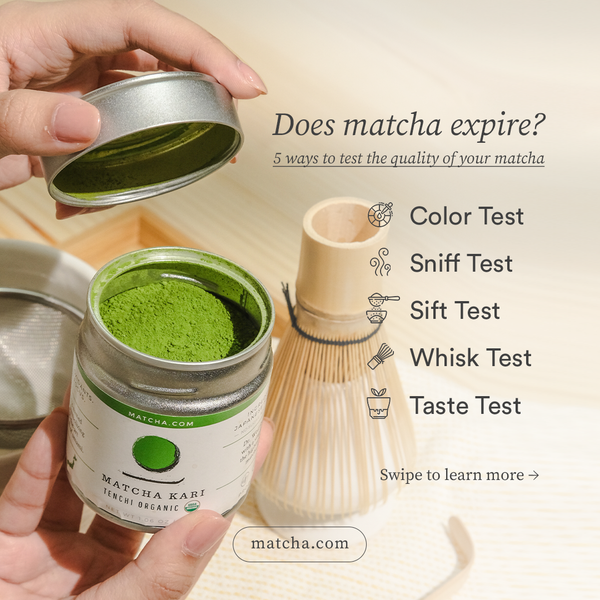
- Color Change: Fresh matcha is a bright, vibrant green. It should look almost electric green for high quality grades. As it gets old, the color becomes dull. It might look yellowish, brownish, or muddy green. This is a clear sign of oxidation and light damage. This is one of the first things you will notice.
- Smell Change: Fresh matcha smells sweet, grassy, and maybe a bit like seaweed. It has a fresh, pleasant smell. Old matcha loses this smell. It might smell flat, like dry leaves, or even a bit musty. A bad or strange smell is a strong sign it’s no longer good.
- Taste Change: Fresh matcha tastes smooth, slightly sweet, with maybe a little bitterness (umami). The flavor is full. Old matcha tastes flat, bitter, or harsh. It loses the nice creamy or umami notes. It won’t be pleasant to drink on its own.
- Texture Change: Fresh matcha is a very fine powder. It feels silky. If moisture got in, it might become clumpy or hard. This is not just a sign of staleness, but potential moisture damage, which could lead to mold (though mold is rare in dry powder). If you see actual mold, throw it out immediately. Mold looks fuzzy or spotty.
If your matcha shows these signs, it’s probably lost its best quality. You can try using it in smoothies, baking, or lattes where other flavors hide the staleness. But for drinking pure, it’s best to get fresh matcha.
Getting the Best Matcha Powder Freshness
Beyond just storage, how you handle your matcha matters.
- Buy the Right Amount: Don’t buy a huge container of matcha unless you use a lot every day. Buy smaller amounts that you can use within 1-3 months of opening. This helps ensure you are always using relatively fresh powder.
- Use It Regularly: The best way to keep matcha fresh is to use it! The faster you use it after opening, the less time it has to sit and lose quality.
- Minimize Opening: Open the container only when you need to use the matcha. Close it tightly right away. Each time you open it, you let in fresh air and potential moisture.
- Use a Dry Scoop: Always use a completely dry scoop or chashaku (bamboo scoop) to take out the powder. A wet scoop will introduce moisture into the powder. This is one of the quickest ways to ruin a whole batch.
- Avoid Storing Near Strong Smells: Matcha powder can absorb smells from its surroundings. Keep it away from coffee, spices, or other strong-smelling items in your pantry or fridge.
By following these matcha storage tips, you can make sure your powder stays as fresh as possible for as long as possible.
Examining Different Types of Matcha and Storage
Are storage rules different for different kinds of matcha? Not really.
- Ceremonial Grade vs. Culinary Grade: Both types are just green tea powder. Ceremonial grade is usually made from younger leaves and tastes smoother. Culinary grade is for mixing into food or drinks. Both are hurt by air, light, heat, and moisture in the same way. The storage rules apply to both. However, because ceremonial grade is meant to be drunk plain, its loss of freshness is more noticeable. People are usually more careful storing ceremonial grade matcha to protect its delicate flavor.
- Matcha Blends: Some products are matcha mixed with sugar, milk powder, or other things. These blends might have slightly different storage needs based on the other ingredients. Always check the package instructions for these products. But pure matcha powder needs the storage methods we discussed.
Grasping Why the Fridge Helps
Let’s think more about why storing opened matcha or even unopened matcha in the fridge is so often recommended.
- Cold Slows Things Down: Chemical reactions happen slower in cold temperatures. The reactions that make matcha go stale (oxidation, breakdown by enzymes) are much slower in the fridge compared to room temperature.
- Less Light: Fridges are dark inside. This protects the matcha from light damage.
- Stable Temperature: Fridges keep a steady cold temperature. Pantries can get warmer, especially in summer or if they are near appliances. A steady cold is better than changing temperatures.
However, the fridge has one major enemy for matcha: moisture. This is why the warming-up step before opening is so important. You need to manage the risk of moisture forming. Using a truly airtight container is key to fridge storage success.
Steps for Storing Opened Matcha in the Fridge
Here is a simple plan for storing opened matcha in the fridge:
- Use a good container: Transfer the matcha from its original bag to a small, airtight tin or dark glass jar right after opening.
- Seal tightly: Make sure the lid is closed very, very well.
- Place in fridge: Put the sealed container in the main part of your fridge. Avoid the door, as temperatures can change more there.
- When you want to use it: Take the sealed container out of the fridge.
- Let it warm up: Let the container sit at room temperature for 10-15 minutes (or longer for larger amounts) before opening it. You want the container and the powder inside to reach room temperature to stop condensation.
- Use it: Open the container, use a dry scoop to take out the amount you need.
- Seal and return: Close the container very tightly right away. Put it back in the fridge.
Following these steps carefully is essential for successful storing opened matcha in the fridge. Skipping the warm-up step can let moisture in, which can ruin the powder faster than leaving it in the pantry!
Reaching the End of the Matcha’s Journey
Even perfectly stored matcha won’t last forever. Eventually, it will lose its vibrant color and fresh taste. The matcha expiration date on the package is a good guide, but your senses are the final test.
If your matcha is past its prime for drinking straight, don’t throw it away immediately!
- Baking: Old matcha works fine in cakes, cookies, or bread. The baking process and other ingredients hide the stale flavor.
- Smoothies: The strong flavors in smoothies can mask the bitterness of older matcha.
- Lattes: Milk and sweetener can also cover up slight staleness.
However, if the matcha smells truly bad, looks brown or grey, or shows any sign of mold, it’s time to let it go. It’s better to be safe.
Investing in good quality matcha and taking good care of it means you get to enjoy its amazing flavor, color, and health benefits for as long as possible. Knowing the best way to store matcha is just as important as knowing how to prepare it. By paying attention to air, light, moisture, and temperature, and using these matcha storage tips, you can extend the matcha shelf life and keep that matcha powder freshness locked in.
Frequently Asked Questions About Matcha Storage
H4: Can I leave my matcha in the pantry after opening?
You can, but it’s not the best way to store matcha. Opened matcha loses freshness very fast in a pantry due to air exposure and temperature changes. It will likely lose its good color and taste in just 1-2 weeks. Storing opened matcha in the fridge is much better if you want it to last longer than a couple of weeks.
H4: Why does my matcha look dull after being opened for a while?
This is usually because it has been exposed to air and light. Air causes oxidation, which changes the color from bright green to dull, yellowish, or brownish. Light also breaks down the pigments. Proper matcha storage tips, like keeping it in an airtight, dark container, help prevent this.
H4: Does putting matcha in the fridge add moisture?
The fridge itself is a dry environment, but taking a cold container out into a warm room can cause moisture (condensation) to form on the container and inside when you open it. This is why it’s crucial to let the sealed container warm up to room temperature before opening it if you store matcha in the fridge. This step prevents moisture damage.
H4: How can I tell if my matcha is still good to drink?
Look at its color (should be bright green), smell (should smell fresh and grassy), and taste (should taste smooth, not overly bitter or flat). If the color is dull, the smell is weak or bad, and the taste is harsh, it has lost its quality. These are signs of spoiled matcha, meaning it’s stale.
H4: Is the matcha expiration date a safety date?
No, the “best by” or expiration date on matcha is about quality, not safety. It tells you when the manufacturer expects the product to be at its best in terms of color, flavor, and aroma. Matcha won’t typically become unsafe to consume just because it’s past this date, unless it shows signs of mold or smells truly bad due to moisture damage.
H4: What is the best way to store matcha powder for the longest time?
For unopened matcha, the fridge or freezer in a very airtight container provides the longest shelf life and keeps the best quality. For opened matcha, an airtight container in the fridge, handled carefully to avoid moisture, is the best way to keep matcha powder freshness for 1-3 months.
H4: Can I store matcha in a clear glass jar?
You can, but only if you keep the jar in a completely dark place, like a cupboard that you don’t open often, or inside a dark box. Light can damage matcha quickly, so a clear container needs extra protection from light. A dark or opaque container is better.
H4: How long does unopened matcha last in the fridge?
Unopened matcha stored correctly in an airtight container in the fridge can often last well past its “best by” date, potentially maintaining good quality for 6 to 12 months beyond that date.
H4: What are the main things that make matcha go bad quickly?
Air, light, heat, and moisture are the main enemies. Exposure to any of these will make matcha lose its color, flavor, and freshness fast. Proper storage protects it from these factors.