
How long can thawed venison stay in the fridge safely? If you thaw it in the fridge, it’s usually good for 1 or 2 more days before you cook it or put it back in the freezer. This is important for safe storage of thawed venison. But if you thaw it fast in cold water or a microwave, you must cook it right away. You cannot put it back in the fridge uncooked after these fast methods. Thawed venison storage time depends a lot on how you thaw it. Knowing how long is thawed deer meat good in fridge is key to stopping food poisoning.
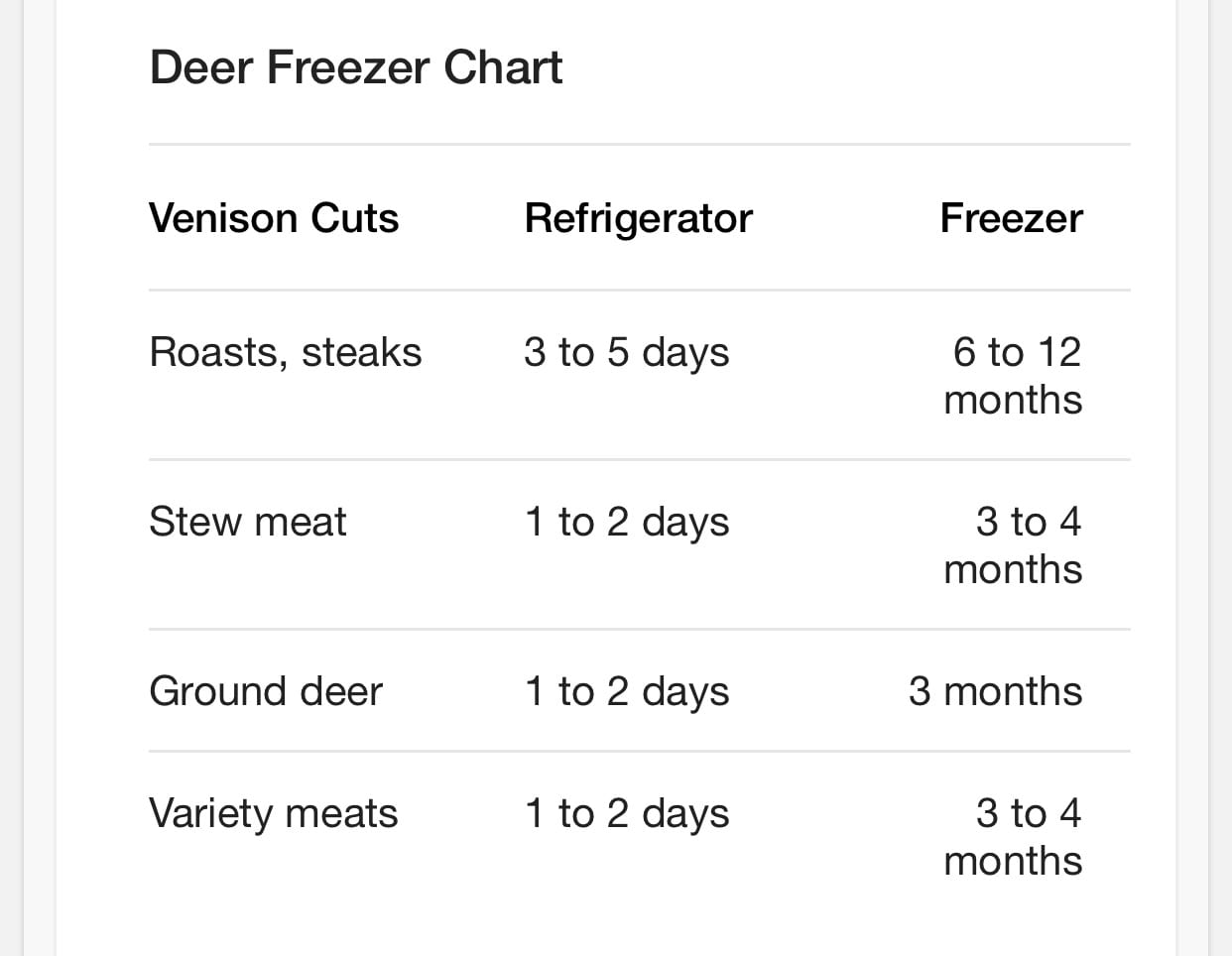
Image Source: www.bowhunting.com
Why Safe Meat Storage Matters
Keeping meat safe is very important. Meat can have tiny living things on it called bacteria. Some bacteria can make you very sick. They cause what we call food poisoning. When meat is frozen, these bacteria stop growing. But they don’t die. When the meat thaws out, the bacteria can start growing again.
Knowing how long you can keep thawed meat in the fridge stops these bacteria from growing to numbers that can hurt you. This is true for venison, beef, chicken, and any other meat. Following rules for thawing and storing meat keeps you and your family healthy. It’s part of smart handling of food in your kitchen.
The “Danger Zone” for Bacteria
Think of a range of temperatures where bad bacteria are happiest and grow fastest. This range is often called the “Danger Zone.” For meat and other food, this zone is between 40°F and 140°F (that’s about 4°C to 60°C).
When meat is in this warm zone, bacteria can double in number very fast, sometimes in just 20 minutes. The longer meat stays in this zone, the more bacteria grow. Too many bacteria can cause food poisoning when you eat the meat, even if you cook it later.
Freezing keeps meat below the Danger Zone. The fridge should keep meat below the Danger Zone (at 40°F or colder). Cooking meat to the right heat kills bacteria, taking it above the Danger Zone.
Thawing meat needs care to keep it out of the Danger Zone as much as possible. This is why thawing methods matter a lot for thawed venison storage time.
The Best Ways to Thaw Venison
How you thaw venison changes how long it’s safe to keep in the fridge before cooking. There are three main ways to thaw meat safely.
Thawing in the Fridge
This is the best way to thaw venison if you don’t plan to cook it right away.
- How it works: You move the frozen venison from the freezer to the main part of your fridge. The cold air in the fridge slowly thaws the meat.
- Why it’s best: The meat stays cold the whole time, below the Danger Zone. This stops bacteria from growing while it thaws.
- How long it takes: This way is slow. A pound of ground venison or small cuts might take a full day. Larger roasts or pieces can take several days. You need to plan ahead.
- Storage after thawing: This is where you get extra time. Venison thawed like this can stay in the fridge for 1 to 2 days after it is fully thawed. This is your allowed thawed venison storage time in the fridge. If you don’t cook it in that time, you can refreeze it safely, though the quality might be a bit less good.
Thawing in Cold Water
This way is faster than using the fridge.
- How it works: You put the frozen venison in a leak-proof plastic bag. Make sure the bag is sealed tight so water doesn’t get in (this can make the meat watery and spoil faster). You put the bagged meat in a sink or a large pot filled with cold tap water.
- Why it’s faster: Water moves heat better than air. This helps the meat thaw quicker.
- Important Step: You must change the cold water every 30 minutes. This keeps the water cold and helps the meat thaw evenly. If the water gets warm, the outside of the meat can enter the Danger Zone.
- How long it takes: Small packages might thaw in an hour or less. Larger cuts can take 2-3 hours.
- Storage after thawing: This is key! Meat thawed in cold water must be cooked right away after it is thawed. You cannot put it in the fridge uncooked for later. The outside of the meat may have gotten warm enough for some bacteria growth, even if the inside is still cold. Cooking it right away kills these bacteria.
Thawing in the Microwave
This is the fastest way to thaw meat.
- How it works: You place the frozen venison in your microwave. Use the defrost setting if your microwave has one.
- Why it’s fastest: Microwaves heat water in the food very quickly.
- Things to watch out for: Microwaves can heat unevenly. Parts of the meat might start to cook while other parts are still frozen. This means parts of the meat will enter the Danger Zone or even get hotter.
- Storage after thawing: Meat thawed in the microwave must be cooked right away after thawing. You cannot put it in the fridge uncooked. Because parts of the meat likely got warm, bacteria could start growing very fast. Cooking it right after thawing is needed to kill any bacteria that may have started to grow.
So, for finding out “how long is thawed deer meat good in fridge,” the fridge thawing method is the only one that allows for fridge storage time after thawing is complete.
How Long Thawed Venison Keeps in the Fridge
Let’s look closer at thawed venison storage time when using the fridge method.
If Thawed in the Fridge
This is the safest way if you need time between thawing and cooking.
* The Rule: You can keep raw venison thawed in the fridge for 1 to 2 days after it is fully thawed.
* What “fully thawed” means: The meat is soft and no longer has ice crystals in the middle.
* Why 1-2 days? Even in the cold fridge, some very slow bacterial growth can happen over time. After 1-2 days, the number of bacteria could start to reach levels that are not safe, even if the meat looks and smells okay. This 1-2 day window gives you time to plan your cooking without high risk. It is the standard guideline for safe storage of thawed venison.
* What if you don’t cook it? If the 1-2 days are almost up and you can’t cook it, you can put it back in the freezer. Because it stayed cold the whole time, it is still safe to refreeze. However, freezing and thawing can change the meat’s texture and taste a little bit. This is part of the freezing and thawing meat guidelines.
If Thawed in Cold Water or Microwave
These methods are fast but give you no extra fridge time.
* The Rule: You must cook the venison right away after it is thawed using cold water or a microwave.
* Why zero days? As explained before, these methods mean parts of the meat likely reached warmer temperatures where bacteria grow faster. Putting it in the fridge after this just gives bacteria more time to grow. Cooking it immediately is needed to kill those bacteria.
* Can you refreeze? No. Meat thawed in cold water or a microwave should not be refrozen raw. It must be cooked first. After it is cooked, you can safely refreeze the cooked venison.
Here is a simple table again to show this clearly:
| How Venison Was Thawed | Can it stay in the fridge after thawing (raw)? | How long? | Can it be refrozen (raw)? |
|---|---|---|---|
| In the Refrigerator | Yes | 1-2 days | Yes |
| In Cold Water | No | 0 days | No (must cook first) |
| In the Microwave | No | 0 days | No (must cook first) |
This table helps make the thawed meat refrigeration time rule easy to see based on how you thawed it.
What Affects How Long Thawed Venison Lasts
Even when thawing in the fridge, a few things can change how long that 1-2 day window really is. These factors affect the safe storage of thawed venison.
How Cold Is Your Fridge?
This is a big one. The safe temperature for a refrigerator is 40°F (4°C) or colder.
* Why it matters: Colder temperatures slow down bacterial growth a lot.
* If your fridge is warmer: If your fridge is set higher than 40°F, bacteria will grow faster. This means your venison might not be safe for the full 1-2 days. Check your fridge temperature with a thermometer to be sure it’s cold enough for proper refrigerator temperature for meat storage. Keeping it closer to 35-38°F (1-3°C) is even better for food safety.
How Fresh Was the Venison Before Freezing?
The quality of the meat when it went into the freezer matters.
* Good starting point: If the venison was very fresh, handled cleanly, and frozen quickly after harvest, it will likely keep better once thawed.
* Poor starting point: If the venison was older, not handled cleanly, or frozen slowly, it might have had more bacteria on it to begin with. These bacteria will start growing faster when thawed, possibly shortening the safe time in the fridge.
How Was it Handled and Packaged?
How the meat was cut, wrapped, and handled affects its quality and safety later.
* Cleanliness: Was the meat handled with clean hands and on clean surfaces? Was it cooled quickly after harvest? Good hygiene reduces the starting number of bacteria.
* Packaging: Was the venison wrapped tightly with freezer-safe material that kept air out? Removing air and wrapping well helps prevent freezer burn (which affects quality) and can reduce the chance of bacteria getting on the meat before freezing.
* Cross-Contamination: Was the raw venison kept away from other foods, especially ready-to-eat foods, in the fridge? Putting raw meat where juices can drip onto other food spreads bacteria. Safe storage of thawed venison means keeping it separate.
All these points play a role in the shelf life of thawed game meat like venison. While 1-2 days is the general rule for fridge-thawed meat, these factors can sometimes shorten that time. It’s always best to use thawed venison as soon as possible within that 1-2 day window.
Checking If Venison Is Bad: Signs of Spoiled Venison
Sometimes, even if you followed the rules, you might worry if meat is still good. Your senses can help you spot signs of spoiled venison.
The Smell Test
This is often the first and best sign.
* What to look for: Fresh venison has a mild smell, sometimes slightly gamey but not strong or bad. Spoiled venison will often have a strong, bad smell. It might smell sour, rancid, or like rotten eggs.
* How to do it: Carefully smell the thawed venison. If it smells bad, it’s likely spoiled.
The Look Test
Checking the color and look of the meat can also tell you something.
* What to look for: Fresh raw venison is usually deep red. When thawed, it might still be deep red. If the meat starts to turn grey, greenish, or has fuzzy spots, these are bad signs. Slime on the surface is also a sign of spoilage.
* Color changes alone? Sometimes, venison can turn a bit brown or grey just from contact with air, even if it’s not spoiled. This is less worrying than greenish or slimy looks. Use the smell test too.
The Feel Test
How the meat feels can be a clue.
* What to look for: Fresh raw venison should feel moist but not overly slimy or sticky. If you touch the thawed venison and it feels sticky, slimy, or tacky, this is a sign that bacteria have been growing and producing slime.
* How to do it: Gently touch the surface of the meat with a clean finger (wash your hands after!). If it feels slick or sticky, be careful.
What to Do if You See or Smell Bad Signs
If the venison has a bad smell, looks grey/green/slimy, or feels sticky, do not taste it or cook it. It is not safe. Throw it away carefully so pets or other animals can’t get to it. It’s always better to waste a piece of meat than to risk getting seriously sick. These are clear signs of spoiled venison.
Comparing Venison to Other Meats (Like Beef)
People often wonder if rules for venison are different from other meats they buy, like beef. How long can thawed beef stay in fridge? What do the USDA guidelines meat storage say?
The basic rules for safe storage of thawed meat are very similar for most raw meats, including venison, beef, pork, and lamb. The USDA (United States Department of Agriculture) provides guidelines that cover this.
- Thawing in the Fridge:
- Raw ground meat (beef, pork, lamb, or venison): Safe for 1-2 days in the fridge after thawing.
- Raw roasts, steaks, chops (beef, pork, lamb): Safe for 3-5 days in the fridge after thawing.
- Raw venison roasts, steaks, chops: Because venison is very lean and a game meat (shelf life of thawed game meat can sometimes differ slightly due to handling), the safer guideline for raw venison cuts is often kept closer to the ground meat rule: 1-2 days in the fridge after thawing. While some might say longer, sticking to 1-2 days for raw venison cuts is a good, safe practice.
- Thawing in Cold Water or Microwave:
- Just like venison, raw beef, pork, or lamb thawed this way must be cooked immediately. No fridge time after these methods.
So, while beef steaks might last a bit longer (3-5 days) in the fridge after thawing compared to venison steaks (sticking to 1-2 days for safety), the rule for ground meat is the same (1-2 days), and the rule for water/microwave thawing is always “cook now.” The core USDA guidelines meat storage principles apply across different types of raw meat.
The shelf life of thawed game meat like venison fits well within these general guidelines, erring on the side of caution due to variables in harvesting and handling.
Best Practices: Freezing and Thawing Meat Guidelines
Following best practices from start to finish helps make sure your thawed venison is safe.
Freezing Right
- Start Fresh: Freeze venison as soon as possible after it is harvested and processed. The fresher it is when frozen, the better its quality and safety will be later.
- Cool it Down: Make sure the meat is cool before packaging it for freezing.
- Wrap it Well: Use good freezer paper, bags, or vacuum sealing. Get as much air out as possible. Air causes freezer burn, which hurts quality.
- Divide into Meal Sizes: Freeze meat in amounts you will use for one meal. This stops you from thawing more than you need.
- Label Everything: Write what the meat is (e.g., “Venison Roast,” “Ground Venison”), the date it was frozen, and the weight or amount. This helps you use older packages first (first-in, first-out).
Thawing Safely
- Plan Ahead: Use the fridge method for thawing whenever you can. Remember it takes time (a day for small amounts, several days for large ones). This gives you the 1-2 days thawed venison storage time in the fridge.
- Use Cold Water or Microwave Only When Necessary: Only use these methods if you are going to cook the venison right away. Never put meat thawed this way back into the fridge uncooked.
- Never Thaw on the Counter: Do not leave frozen venison on the kitchen counter at room temperature. The outside will enter the Danger Zone quickly while the inside is still frozen. This lets bacteria grow fast. This is not safe storage of thawed venison.
By following these freezing and thawing meat guidelines, you protect the quality and safety of your venison from the moment it’s stored until it’s ready to cook.
Simple Food Safety Steps When Handling Thawed Venison
Safe food handling doesn’t just end with thawing. Keep these simple steps in mind:
- Cleanliness is Key: Wash your hands with soap and water for at least 20 seconds before and after handling raw meat. Wash cutting boards, knives, dishes, and surfaces that touched raw meat with hot, soapy water.
- Stop Cross-Contamination: Keep raw venison separate from other foods, especially foods that are ready to eat (like salads, fruits, cooked foods). Use separate cutting boards for raw meat if possible.
- Keep it Cold: Make sure thawed venison stays cold in the fridge until you are ready to cook it. Don’t leave it out on the counter.
- Cook it Right: Cook venison to a safe internal temperature. For ground venison, this is 160°F (71°C). For roasts, steaks, and chops, the minimum safe temperature is 145°F (63°C) with a 3-minute rest time. Use a food thermometer to be sure. Cooking kills bacteria.
Following these steps along with the right thawing and storage methods ensures safe storage of thawed venison and helps prevent foodborne illness.
What to Do if You’re Not Sure
You’ve thawed your venison. It’s been in the fridge. You’re looking at it and thinking, “Is this still good?” Maybe it’s been exactly 2 days, or maybe you’re unsure if your fridge was cold enough.
If you have any doubt about whether thawed venison is still safe, the best rule is: When in doubt, throw it out.
It might feel like a waste, but the possible sickness you could get from eating bad meat is not worth the risk. Your health is much more important than a piece of meat. Trust your senses (smell, look, feel). If something seems off, don’t risk it. This applies to thawed venison storage time, signs of spoiled venison, or any other food safety question you might have.
Wrapping Up: Keeping Thawed Venison Safe
Knowing how long can thawed venison stay in the fridge safely is a key part of enjoying your game meat without worry. Here’s a quick review of the most important points:
- If you thaw venison in the fridge, it’s safe to keep in the fridge for 1 to 2 days after it’s fully thawed. This method gives you the most thawed venison storage time.
- If you thaw venison in cold water or the microwave, you must cook it right away. There is no extra fridge time for uncooked meat thawed this way.
- Keep your fridge at 40°F (4°C) or colder to slow down bacteria growth. This is the right refrigerator temperature for meat storage.
- Pay attention to signs of spoiled venison: bad smell, slimy feel, grey or greenish color. If you see these, throw the meat away.
- Safe storage of thawed venison starts with good practices when freezing and thawing, following freezing and thawing meat guidelines.
- Rules for thawed venison are much like USDA guidelines meat storage for other meats like beef – 1-2 days for ground meat, and leaning towards 1-2 days for raw venison cuts too, to be extra safe. The shelf life of thawed game meat is similar to other lean meats.
- When in doubt, throw it out!
By following these simple rules, you can make sure the venison you worked hard to get is safe and tasty for your meals.
Common Questions About Thawed Venison
H4: Can I refreeze venison thawed in the fridge?
Yes, if you thawed raw venison completely in the refrigerator, you can safely refreeze it without cooking it first. Make sure it hasn’t been in the fridge longer than the 1-2 day safe storage time. Keep in mind that refreezing might change the texture a bit. Meat thawed in cold water or the microwave should not be refrozen raw.
H4: What happens if thawed venison was left out of the fridge too long?
Raw meat should not be left at room temperature for more than two hours total. If the temperature is 90°F (32°C) or hotter (like a warm car or outside), that time drops to one hour. If your thawed venison was left out longer than this, it has likely spent too much time in the Danger Zone where bacteria grow fast. You should throw it away, even if it still looks and smells okay. The amount of time out of the fridge directly impacts the thawed venison storage time and safety.
H4: Does cooking spoiled venison make it safe to eat?
No. Cooking to a safe temperature will kill the bacteria that are in the meat at that time. However, some bacteria make toxins (poisons) as they grow. These toxins are often not destroyed by cooking. Eating meat with these toxins can still make you very sick. This is why you must throw away meat that shows signs of spoiled venison, even if you plan to cook it well.
H4: How long can cooked venison stay in the fridge?
Once venison is cooked properly to the safe internal temperature, it changes the rules. Cooked venison can safely stay in the refrigerator (at 40°F or colder) for 3 to 4 days. Make sure to put leftovers in the fridge within two hours of cooking. Reheat cooked venison thoroughly to 165°F (74°C).