
How do you check if your TV ads are working? You evaluate TV advertising by looking at special numbers and results. This tells you if people saw your ad, what they did after seeing it, and if the ad helped your business make more money. It’s about measuring TV ad effectiveness to see if your money was well spent.
Television advertising can reach many people. But putting ads on TV costs money. You need to know if that money is helping you. Checking your TV ads helps you see what works and what does not. This guide helps you learn how to do that.
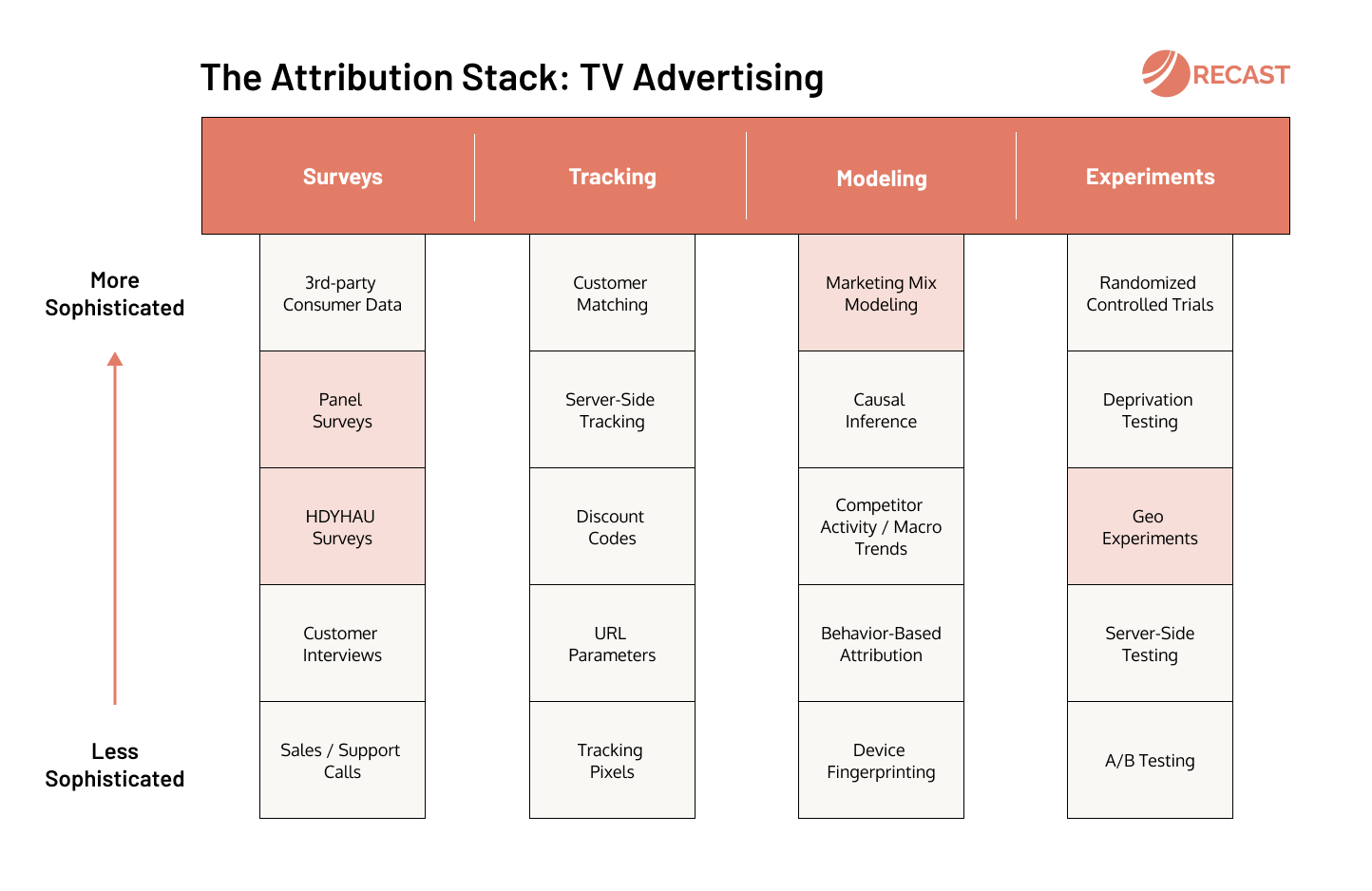
Image Source: getrecast.com
Why Check Your TV Ads?
Think about your TV ads. You spent time and money on them. You want them to bring in new customers or sell more things. How do you know if they are doing that? You need to check their results.
Checking your ads tells you:
- If people are seeing them.
- If people like them.
- If people do something after seeing them.
- If the ads are making you money.
Without checking, you are just guessing. You might keep spending money on ads that do not work. Or you might stop using ads that were actually doing a good job. Checking helps you make smart choices. It helps you get the best results for your money.
Setting Goals First
Before you can check if an ad is working, you need to know what you want the ad to do. What is the main point of your TV ad?
Do you want people to:
- Know about your company? (Building your brand)
- Visit your website?
- Call a special phone number?
- Go to your store?
- Buy your product?
Each goal is different. How you check the ad depends on your goal. If your goal is for people to visit your website, you will check website visits. If your goal is to sell more, you check sales numbers.
Write down your goals clearly. Make them things you can measure. For example, “Get 100 new visitors to our website next week from the TV ad.” Or “Sell 50 more items next month because of the TV ad.” Clear goals make measuring TV ad effectiveness much easier.
Key TV Advertising Metrics
To check your TV ads, you look at numbers. These numbers are called TV advertising metrics. They tell you how your ad is doing. Many different numbers can help you. You choose the ones that fit your goals.
Here are some important TV advertising metrics:
h4 Reach and Frequency
- Reach: How many different people saw your ad at least one time? A high reach means many unique eyes saw your ad. This is good if you want many people to know about your brand.
- Frequency: On average, how many times did each person see your ad? Seeing an ad many times can help people remember it. But too many times might annoy them. You need to find a good balance.
These numbers are often provided by TV companies or special measurement groups like Nielsen.
h4 Ratings and Share
- Rating: What percent of all homes with a TV were watching the show where your ad appeared? A 1 rating means 1% of all TV homes were watching. This tells you the popularity of the show your ad was in.
- Share: What percent of homes using their TV at that time were watching the show where your ad appeared? This number is often higher than the rating. It shows how well the show did against other shows on at the same time.
Higher ratings and share usually mean more people saw your ad.
h4 Impressions
- Impressions: This is the total number of times your ad was shown. If 100 people each saw your ad 3 times, that’s 300 impressions. Impressions are like total views. Reach counts unique people; impressions count total views, including repeated ones by the same person.
h4 Gross Rating Points (GRPs)
- GRPs: This number combines reach and frequency. It is calculated by multiplying reach (as a percent) by the average frequency. If your ad reached 20% of homes and each saw it 3 times on average, your GRPs would be 60 (20 x 3). GRPs are a way to measure the total weight or size of your ad campaign. Higher GRPs mean your ad was shown a lot to many people.
These metrics help you see if your ad is being seen. But being seen is just the first step. You need to know what happens after people see your ad.
Gauging TV Ad Effectiveness
How do you know if seeing the ad actually made people do something? This is about measuring TV ad effectiveness beyond just views. It links the ad showing up on TV to actions people take later.
h4 Website Visits
Did more people visit your website right after your ad was on TV? You can check your website traffic numbers. Look at the number of visitors before the ad ran. Then look at the numbers while the ad is running, especially right after it airs. A jump in visitors might mean the TV ad is working.
Some tools can track website visits that might have come from seeing a TV ad. They look at the time the ad ran and if people visited your site around that time.
h4 Phone Calls
Did your ad ask people to call a phone number? You can use a special phone number just for the TV ad. This way, every call to that number comes from someone who likely saw the ad. Counting these calls tells you how many people responded directly to your ad’s call to action. This is a simple way of tracking TV ad campaigns and their direct impact.
h4 Store Visits
If you have a store, did more people visit after the ad ran? This is harder to track exactly. Some stores use special codes or coupons only shown on TV. When someone uses the code or coupon, you know they likely saw the ad. Some newer technologies can even estimate store visits from people who saw an ad, using phone location data (in ways that protect privacy).
h4 Sales Numbers
Did sales go up while the ad was running? This is often the most important check. Compare sales during the ad campaign to sales before the campaign. Or compare sales in areas where the ad ran to areas where it did not run.
Looking at overall sales is important. But many things affect sales, not just your TV ad. The economy, your prices, what your competitors are doing – all these matter. You need ways to separate the impact of your TV advertising from other factors.
h4 Brand Awareness
Did more people hear about your company or product because of the ad? This is about how many people know your name or what you sell. You can do surveys before the ad campaign and during or after it. Ask people if they have heard of your company. See if the number goes up in areas where your ad was shown.
This is a key part of the impact of TV advertising. Even if people do not buy right away, knowing your brand is valuable for the future.
h4 Customer Surveys
You can directly ask customers how they heard about you. Include “Saw a TV ad” as an option. This gives you direct feedback. It helps confirm if your TV ad is reaching the people who become customers.
Determining the ROI of TV Advertising
ROI means Return on Investment. It’s about how much money you made compared to how much money you spent. A good ROI means you made more money than the ad cost. A bad ROI means you spent more than you made. Calculating the ROI of TV advertising is key to knowing if it’s a good business decision.
h4 How to Figure Out ROI
- Figure out the Cost: How much did you pay to create the ad? How much did you pay to show it on TV? Add all these costs together.
- Figure out the Revenue from the Ad: How much extra money did you make because of the ad? This is the hardest part. You need to figure out which sales came from people who saw your ad. This is where tools and methods like attribution come in.
-
Calculate ROI:
- Take the extra money you made (Revenue from Ad).
- Subtract the total cost of the ad (Cost).
- Divide the answer by the total cost of the ad (Cost).
- Multiply the result by 100 to get a percent.
The formula looks like this:
((Revenue from Ad – Cost) / Cost) * 100 = ROI %
Example:
You spent $10,000 on a TV ad.
You think the ad brought in $15,000 in extra sales.
ROI = (($15,000 – $10,000) / $10,000) * 100
ROI = ($5,000 / $10,000) * 100
ROI = 0.5 * 100
ROI = 50%
A 50% ROI means for every dollar you spent, you got $1.50 back ($1 original investment + $0.50 profit). This is a positive ROI.
Getting the ‘Revenue from the Ad’ number right is very important. This leads to the idea of attribution.
Television Ad Attribution
Attribution is how you give credit for a sale or action to the right marketing effort. For TV ads, television ad attribution means trying to figure out if a TV ad helped cause a sale or lead. This can be tricky because people might see a TV ad, then search online, see an online ad, click it, and then buy. Which ad gets the credit?
h4 Simple Attribution Methods
- Direct Response: Using a special phone number, website address, or coupon code just for the TV ad. Anyone using these likely came from the TV ad.
- Peak Analysis: Looking for spikes in website traffic, calls, or sales right after your ad runs. If you see a big jump right after the ad, it’s a good sign the ad had an impact. This is a simple way of analyzing TV ad results.
h4 More Advanced Attribution
Newer technologies and data can help link TV views to online actions.
- Cross-Device Tracking: Tools can try to see if a phone or computer that was near a TV showing your ad later visited your website or app. This is done using complex data and usually in groups, not for single people, to protect privacy.
- Matchback Analysis: You take a list of new customers or sales. You compare that list to people who were shown your TV ad. This helps see if there is a match. If many new customers saw your ad, the ad likely played a role.
Attribution is not perfect. TV is often just one step in a customer’s journey. Someone sees your ad, gets interested, searches online later, maybe sees social media posts, and then buys. The TV ad started the process. Attribution helps you understand its part in that process.
Checking TV Commercial Performance
Beyond just sales or visits, how did the actual commercial do? Did people like it? Did they pay attention? Checking TV commercial performance looks at the ad itself.
h4 Ad Recall
Did people remember seeing your ad? You can do surveys asking people if they remember seeing ads for your type of product or company. Then ask if they remember specific details or the ad’s message. High ad recall means your ad was memorable.
h4 Message Comprehension
Did people understand the main point of your ad? Did they know what you were selling or what you wanted them to do? Surveys can check this too. An ad might be seen, but if the message is unclear, it won’t work well.
h4 Emotional Response
Did the ad make people feel something? Happy, sad, excited, curious? Strong emotions can make ads more memorable and impactful. You can test ads with groups of people before putting them on TV to see their reaction.
h4 Call to Action Effectiveness
Did the ad make people want to take the next step? Was the call to action clear (“Visit our website,” “Call now,” “Buy today”)? How many people actually did the action the ad asked them to do? This links commercial performance to real results.
Checking these points helps you see if your creative ad choices are working. Maybe the ad is running in the right places, but the ad itself is boring or confusing. Analyzing TV ad results includes looking at the ad’s creative side, not just where and when it aired.
Tracking TV Ad Campaigns
Keeping track of everything is key to evaluating TV advertising. Tracking TV ad campaigns means setting up systems to watch your metrics from start to finish.
h4 Set Up Your Measurement Tools
- Use website analytics (like Google Analytics) to watch traffic.
- Use unique phone numbers or landing pages for the TV ad.
- Plan how you will track in-store visits or coupon use.
- Decide if you will use special attribution software.
h4 Monitor Performance During the Campaign
Do not wait until the end. Watch your metrics while the campaign is running.
- Are website visits increasing on schedule?
- Are calls coming in?
- Are sales starting to rise?
Early checks help you see if something is wrong. Maybe the ad is not running at the right times, or the message is not clear. You can make changes while the campaign is still live. This saves money and makes the campaign better.
h4 Collect Data Consistently
Make sure you collect data the same way each time. Use the same date ranges for comparison. Note any other big things happening at the same time (like a sale, a competitor’s ad, or news events) that might affect your results. This helps when analyzing TV ad results later.
Analyzing TV Ad Results
Once your campaign is over (or even while it is running), you need to look closely at all the data you collected. Analyzing TV ad results means making sense of the numbers.
h4 Compare to Goals
Did you meet the goals you set at the beginning? Look at your target numbers for website visits, sales, calls, etc. How close did you get?
h4 Look for Trends
Did you see spikes in activity right after the ad ran? Were the results better on certain TV channels or during certain shows? This helps you learn where your ad works best.
h4 Segment Your Data
Look at results by:
- Time of day
- Day of the week
- Which TV network or show
- Geographic area where the ad ran
Maybe your ad does great on morning news shows but poorly during late-night movies. This kind of detail helps improve future campaigns.
h4 Compare to Other Marketing
How did the TV ad’s results compare to your online ads, social media, or print ads? Did TV advertising KPIs look better or worse than KPIs for other channels? This helps you see where TV fits in your overall marketing mix.
Understanding TV Advertising KPIs
KPIs are Key Performance Indicators. These are the most important numbers you track to know if you are succeeding. TV advertising KPIs are the specific metrics you choose to focus on based on your goals.
If your goal is brand awareness, your KPIs might be Reach and Brand Recall.
If your goal is website visits, your KPIs might be Website Visits from TV-influenced users and Cost Per Website Visit.
If your goal is sales, your KPIs might be ROI and Sales Growth in areas where ads ran.
Choose 2-4 main KPIs for each campaign. Do not try to track everything. Focus on the numbers that tell you if you are meeting your main objective. Clearly defining your TV advertising KPIs makes tracking and analysis much more focused.
Evaluating the Impact of TV Advertising
What was the overall impact of TV advertising on your business? This is bigger than just one campaign’s numbers.
h4 Long-Term Effects
TV ads can have effects that last a long time. Even if someone does not buy right away, seeing your ad builds familiarity and trust. Later, when they need your product, they might remember your brand. It is harder to measure this direct long-term impact. But strong brand awareness built over time is very valuable.
h4 Effect on Other Channels
Did the TV ad boost results for your other marketing? People might see a TV ad, then search for you online. This means the TV ad helped your search engine marketing. They might see the ad and then follow you on social media. The impact of TV advertising can spill over into other areas. Advanced attribution models try to show how different marketing channels work together.
h4 Business Growth
Ultimately, is TV advertising helping your business grow? Look at your overall sales, market share, and customer base over time, especially when you are running TV ads consistently. While not all growth comes from TV, it is a good indicator if your marketing efforts, including TV, are working together effectively.
Assessing the Cost-Effectiveness of TV Ads
Cost-effectiveness of TV ads looks at the results you get compared to the money you spend, but not always just in terms of direct profit (like ROI). Sometimes, the goal is not direct sales, but reaching a large number of people for a low cost per person.
h4 Cost Per Mille (CPM)
- CPM: This stands for Cost Per Thousand (Mille is Latin for thousand). It is the cost to show your ad 1,000 times (1,000 impressions).
- Formula: (Total Ad Cost / Total Impressions) * 1000
A lower CPM means it costs less to get your ad seen by 1,000 people. This is a good metric if your goal is reach and awareness.
- Formula: (Total Ad Cost / Total Impressions) * 1000
h4 Cost Per Point (CPP)
- CPP: This is the cost to buy one Gross Rating Point (GRP).
- Formula: Total Ad Cost / Total GRPs
CPP helps you compare the cost of airing your ad on different networks or shows. A lower CPP means you are buying audience reach more efficiently.
- Formula: Total Ad Cost / Total GRPs
h4 Cost Per Acquisition (CPA)
- CPA: This is the cost to get one customer or one lead.
- Formula: Total Ad Cost / Number of New Customers (or Leads)
This is a key metric if your goal is direct response or sales. A lower CPA means you are getting new customers more cheaply. However, it relies heavily on accurate attribution to know which customers came from TV.
- Formula: Total Ad Cost / Number of New Customers (or Leads)
Comparing these cost metrics helps you see if you are getting good value for your TV ad spending. You might find that one TV network has a higher CPM but brings in more valuable customers, making it more cost-effective overall for sales goals, even if the CPM is higher.
How to Improve TV Commercial Performance
Based on your evaluation, you might find ways to make your ads better.
- Test Different Ads: Run a few different versions of your commercial. See which one gets better results (higher recall, more website visits, etc.). Use the winning ad more often.
- Refine Your Message: Was the ad’s message confusing? Make it simpler and clearer. Focus on one main point.
- Improve the Call to Action: Is it easy for people to know what to do after seeing the ad? Make the call to action very clear and easy to follow (e.g., large website address, easy-to-remember phone number).
- Adjust Where and When Ads Run: Based on your analysis, air your ads on the channels and at the times that reached your target audience best and drove the most results. If kids are your target, airing ads during cartoons makes sense. If business people are your target, maybe news programs are better.
- Consider Ad Length: Is a 30-second ad better than a 15-second one? Test different lengths to see what works best for your message and budget.
Regularly analyzing TV ad results helps you improve your creative ads and your media buying choices.
Putting it All Together: Analyzing TV Ad Results
Evaluating TV advertising is a process.
- Set Clear Goals: What do you want the ad to achieve?
- Choose Your Metrics and KPIs: What numbers will you watch to see if you met your goals?
- Set Up Tracking: Make sure you can collect the data you need. Use special tools if needed.
- Run the Campaign: Air your ads.
- Monitor During the Campaign: Check numbers while ads are running. Make small changes if needed.
- Collect All Data: Gather all the numbers after the campaign ends.
- Analyze the Results: Look at the numbers. Compare them to your goals. Find trends. See what worked and what did not. Calculate ROI and cost-effectiveness.
- Attribute Results: Try to link the results you saw to the TV ad where possible.
- Report and Learn: Share what you learned. Use the insights to plan your next TV campaign or other marketing efforts.
Evaluating helps you learn. It helps you make smarter decisions about where to spend your money. It helps you improve your ads over time. This leads to better results and a better return on your investment.
Tools for Evaluating TV Advertising
Many tools and services can help you track and analyze TV ad performance.
- Traditional Measurement Services: Companies like Nielsen provide ratings, reach, and frequency data. This is the standard for knowing how many people saw your ad.
- Website Analytics: Tools like Google Analytics show you website traffic, where visitors came from (if known), and what they did on your site. You can often see spikes related to TV airings.
- Call Tracking Software: Services provide unique phone numbers and report on calls, call duration, and sometimes even sales resulting from calls.
- Attribution Platforms: More advanced software tries to connect TV ad views to online and offline actions using various data points.
- Survey Tools: Simple online or phone surveys can help measure brand awareness and ad recall.
Using the right tools makes collecting and analyzing data much easier. It helps you get a clearer picture of your TV commercial performance and overall campaign success.
Making Decisions Based on Evaluation
What do you do after you evaluate your TV advertising? You use what you learned to make choices.
- Keep Doing What Works: If certain shows or times gave great results, plan to buy ads there again.
- Stop Doing What Doesn’t Work: If an ad version or a specific time slot had bad results, do not repeat it.
- Change Your Strategy: If your goals were not met, maybe you need a different type of ad, a different target audience, or a different budget.
- Adjust Your Budget: If the ROI of TV advertising is very high, maybe spend more. If it’s low, maybe spend less or try different marketing channels.
- Improve Your Creative Ads: If recall or message understanding was low, work on making better commercials.
Evaluating is not the end step; it is part of a cycle. You plan, you run the ads, you evaluate, you learn, and then you plan the next effort better.
Challenges in Evaluating TV Advertising
It is not always easy to measure the exact impact of a TV ad.
- Other Marketing Efforts: You are likely doing other marketing at the same time (online ads, social media, email). It can be hard to know exactly how much of a sales increase came just from the TV ad. This is the attribution problem.
- External Factors: Things you cannot control affect results. Maybe news events distract people, or a competitor runs a big sale.
- Long Purchase Cycles: Some products or services take a long time for people to decide to buy (like a car or a new house). Someone might see your ad today but not buy for months. Linking that future sale back to the TV ad is hard.
- Offline Impact: TV has a big impact on offline actions and word-of-mouth. These are very hard to track directly.
Even with these challenges, using the metrics, tools, and methods discussed helps you get the best possible picture of how your TV ads are performing and their cost-effectiveness.
Conclusion
Evaluating TV advertising is essential. It takes you from guessing to knowing. By setting clear goals, tracking TV ad campaigns using the right TV advertising metrics and KPIs, analyzing TV ad results carefully, and working to improve your TV commercial performance and cost-effectiveness, you can make sure your investment in TV advertising is paying off. It’s about understanding the impact of TV advertising and using that knowledge to grow your business effectively.
Frequently Asked Questions (FAQ)
h3 What is a good ROI for TV advertising?
There is no single “good” ROI number for everyone. It depends on your business, your goals, and your profit margins. A positive ROI (anything above 0%) means you made more money than you spent. Many businesses aim for an ROI where for every dollar spent, they make back several dollars in profit. You should set your own target ROI based on what makes sense for your business costs and goals.
h3 How long does it take to see results from TV advertising?
Some results, like website visits or phone calls from a direct response ad, can happen very quickly, sometimes within minutes of the ad airing. Other results, like increased brand awareness or sales growth for products with longer buying cycles, can take weeks or months to build up and become noticeable. It depends on your goals and the nature of your business.
h3 Can small businesses afford TV advertising?
Yes, TV advertising is not just for big companies anymore. There are options for smaller businesses, such as advertising on local TV channels, during less popular times, or on streaming TV services, which can be more affordable than national primetime slots. The cost-effectiveness of TV ads depends on your specific market and options.
h3 Is TV advertising still effective in the age of digital media?
Yes, TV is still very effective, especially for reaching a large and broad audience quickly. While people use many screens, TV still commands significant attention. TV ads can drive online actions (like website visits and searches) and build trust and awareness that digital ads alone might not achieve as easily. The key is often using TV together with digital marketing for the best results.
h3 How can I track offline sales from a TV ad?
Tracking offline sales is harder than tracking online ones. Methods include using unique coupon codes or mentions of the TV ad in your store, training staff to ask customers how they heard about you, looking for sales lifts in areas where ads ran compared to non-ad areas, or using advanced (and often costly) attribution methods that link TV views to store visits or purchases.
h3 What are the most important TV advertising metrics for building brand awareness?
For brand awareness, the most important metrics include Reach (how many different people saw your ad), Frequency (how many times they saw it), Impressions (total views), Ratings/Share (audience size), and Brand Recall/Recognition (do people remember your brand or ad?).