
Why is my car speaker rattling? Often, it’s because something is loose or the speaker itself has damage. This makes a buzzing or vibrating sound that can be very annoying. This post will help you find out Why Is My Car Speaker Rattling and show you how to stop it. We will look at common problems like car speaker vibration, loose parts, and speaker damage. We will also cover how to fix car speaker rattle and get your car audio sounding good again.
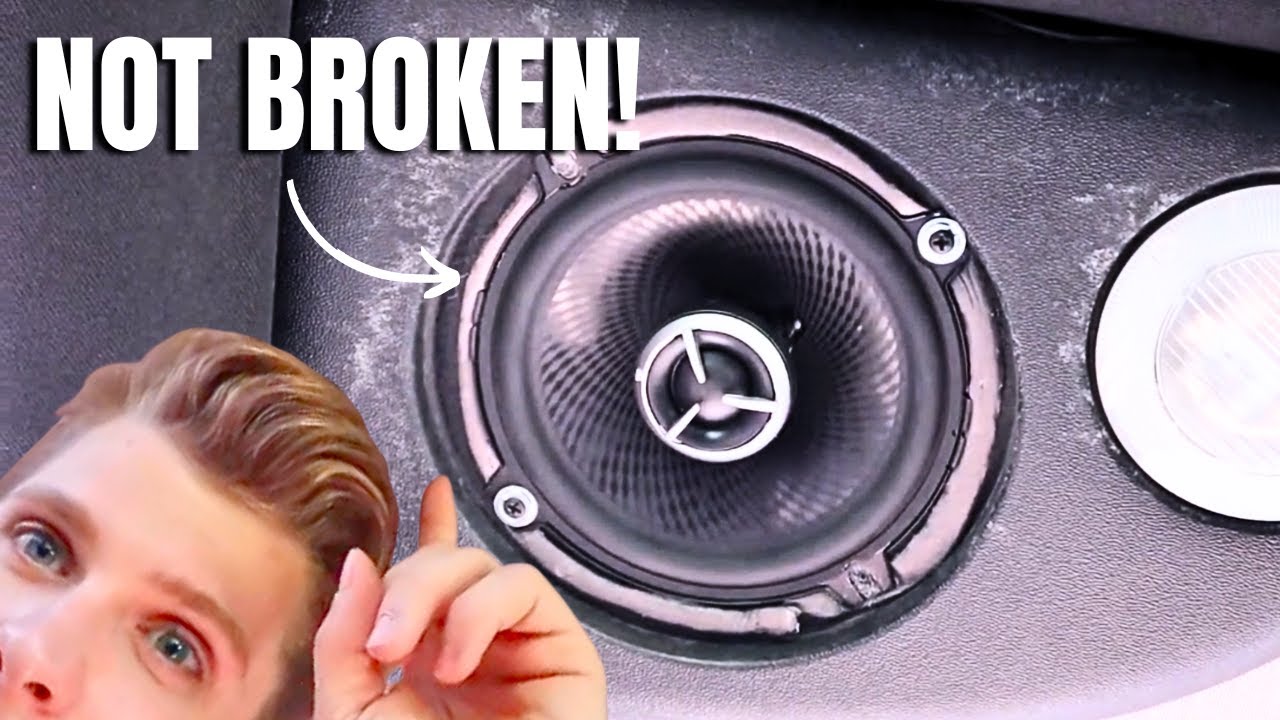
Image Source: i.ytimg.com
What Makes Car Speakers Rattle?
Car speakers use parts that move quickly to make sound. This movement causes car speaker vibration. Normally, the speaker and its parts handle this vibration well. But sometimes, things go wrong. When they do, you hear a rattle. The rattle can come from the speaker itself or from things near it.
Loose Speaker Parts
Speakers have many parts. They have a cone, a surround, and a frame. These parts must stay together tightly. If a part inside the speaker comes loose, it rattles. You might hear a buzzing or clicking sound. This often gets worse when the volume is high or when there is bass.
Speaker Cone or Surround Damage
The speaker cone pushes air to make sound. The surround is the rubber or foam edge around the cone. It lets the cone move back and forth. If the cone rips or the surround comes off, the speaker cannot move correctly. It vibrates in a bad way. This causes a rattle or buzzing. This is one of the clearest blown car speaker symptoms. Speaker cone damage is a main cause of this type of rattle.
Loose Speaker in Car Mounts
Speakers are screwed or bolted into your car’s doors or panels. These mounts must hold the speaker very firmly. If the screws are loose, the whole speaker can move slightly. This small movement causes car speaker vibration. The speaker hitting the panel or vibrating against it makes the rattling noise. This is a common reason for a loose speaker in car to rattle.
Loose Car Door Panels or Trim
Car doors and panels have many plastic parts and clips. They hold the trim, grilles, and other covers in place. Speakers are often behind these parts. The vibration from the speaker can shake these loose parts. This makes them rattle against each other or the car body. A rattle in car door speaker area is often caused by the panel itself, not the speaker. Anything loose inside the door, like wires or clips, can also rattle from the speaker’s vibration.
Objects Inside Panels
Things can fall into car door pockets or slots. Sometimes, small items slip inside the door panel. Coins, pens, or even old clips can end up in there. When the speaker vibrates, these loose objects shake around. They hit the panel or the speaker frame. This makes a rattling sound.
Loose Wires or Cables
Speaker wires connect the speaker to the stereo. These wires usually run inside the car panels. If the wires are not secured, they can bounce and hit the inside of the panel or the speaker magnet. This can cause a rattle. Loose connections at the speaker terminal can also cause noise, though it might be static instead of a physical rattle. Checking for loose wires car speaker is important.
Too Much Bass
Bass notes make the speaker cone move a lot. If your stereo settings have very high bass, or if you play music with heavy bass at high volume, it can push the speaker too hard. This extreme movement can cause parts of the speaker or the surrounding panel to vibrate excessively. This is why the car speaker rattles on bass specifically. It can also highlight other underlying issues, like loose mounts or panel parts.
Finding Out Where the Rattle Comes From
Knowing Why Is My Car Speaker Rattling is the first step. The next is finding exactly which speaker or part is making the noise. This is part of car audio troubleshooting.
Listen Carefully to the Sound
Drive your car or sit in it with the engine off. Turn your stereo on. Play music that you know causes the rattle. Pay close attention to where the sound seems to come from.
* Does it come from a specific door?
* From the front or the back?
* Does it sound like it’s coming from inside the speaker itself, or from around it?
* Does the rattle happen only when there is bass?
* Does it happen only at high volume?
* Does it happen over bumps?
These details help narrow down the cause.
Test with Different Sounds
Play different types of music. Play music with heavy bass. Play music with no bass. Use test tones if you have them. Test tones are single-frequency sounds.
* Play a low-frequency tone (bass). Does the rattle happen only with low sounds? This might mean a loose panel or too much bass.
* Play a mid-range tone (voices). Does the rattle happen with mid sounds? This might point more towards a speaker problem.
* Play a high-frequency tone (treble). Rattles are less common with high sounds, but possible if a small trim piece is loose.
You can also just turn up the volume slowly. Note when the rattle starts.
Gently Press on Parts
Once you think you know which speaker or area rattles, gently press on nearby parts while music plays.
* Press on the speaker grille.
* Press on the plastic door panel around the speaker.
* Press on the trim pieces nearby.
If pressing on a part stops or changes the rattle, that part or something behind it might be the cause.
Inspect the Speaker Closely
Turn off the stereo and car. Look closely at the speaker cone and surround.
* Do you see any tears or rips in the cone?
* Is the rubber or foam surround attached all the way around the edge?
* Does the cone look warped or bent?
* Gently press the cone in and out. Does it move smoothly, or does it scrape? A scraping sound can mean the voice coil is damaged. This is a clear blown car speaker symptom.
Look at the speaker mount. Are the screws or bolts holding it tight? Can you wiggle the speaker slightly? If you can, the mounts are loose.
Look behind the speaker area if you can. Are there any loose wires hitting the speaker magnet? Are there any objects sitting near the speaker?
Ways to Stop the Car Speaker Rattle
After you find the cause of the rattle, you can work on fixing it. The steps for fixing car speaker rattle depend on what you find. Some fixes are easy, and you can do them yourself. Others might need more work. This involves repairing car speaker issues or securing car parts.
Tighten Loose Screws
If the loose speaker in car is the problem because its mounts are loose, this is often an easy fix.
1. You might need to remove the speaker grille or a panel section to get to the screws.
2. Use the right screwdriver or wrench.
3. Carefully tighten each screw or bolt holding the speaker. Do not overtighten them, as this can strip the threads or crack the speaker frame or panel. Just make them snug so the speaker does not move.
If the screws keep coming loose, you might need to use a thread locker liquid (like Loctite, but a non-permanent type) on the screw threads. Or the mounting holes might be damaged and need repair.
Secure Loose Trim Panels
If the rattle in car door speaker area is from a loose panel or trim piece, you need to secure it.
1. Figure out which panel or trim piece is loose.
2. You might need to remove the panel. This often involves removing screws (sometimes hidden) and popping plastic clips. Be careful not to break the clips.
3. Once the panel is off, look for broken clips or mounting points.
4. You can replace broken clips.
5. Sometimes, just putting the panel back on correctly will fix it if it was not seated right before.
6. You can add foam tape or felt tape to the edges of the panel or where it touches the door frame. This acts as a cushion and stops vibration rattles.
7. Make sure all screws holding the panel are put back and tightened.
Address Speaker Damage
If the speaker cone or surround is torn or damaged, repairing car speaker is sometimes possible for minor issues.
* Small Tears: For small tears in the cone or surround, you can sometimes use a special speaker repair glue or a flexible adhesive (like E6000). Apply a thin layer to the tear when the cone is in a neutral position. Let it dry completely before testing.
* Detached Surround: If the surround is just detached from the frame or cone edge in one spot, you can try to glue it back with speaker repair glue. Clean both surfaces first.
* Major Damage: If the cone is ripped badly, the surround is torn in multiple places, or the voice coil scrapes, the speaker is likely blown. In this case, you usually need to replace the speaker. Trying to fix major speaker cone damage often does not work well and the rattle will continue or get worse. Replacing the speaker is the best long-term solution for severe damage.
Fix Loose Wires
If you found loose wires car speaker area, secure them.
1. You might need to remove a panel to get to the wires.
2. Use zip ties or electrical tape to secure the wires to other wire bundles or to the car frame.
3. Make sure the wires are not touching the speaker cone or the back of the speaker magnet.
4. Ensure the wire connectors at the speaker are pushed on tightly.
Remove Obstructions
If you found objects like coins or screws rattling inside the panel, you just need to remove them.
1. Remove the panel carefully.
2. Find the object(s) that fell inside.
3. Take them out.
4. Put the panel back together correctly.
Adjust Bass Levels
If the car speaker rattles on bass specifically and the speaker is not damaged, the problem might be simply too much bass for that speaker or car panel.
1. Go to your stereo’s audio settings.
2. Turn down the bass level slightly.
3. Listen again. Does the rattle stop?
4. Find a bass level that sounds good without causing the rattle.
5. If your stereo has an equalizer, you might be able to reduce the level of only the very low frequencies that cause the rattle, while keeping other bass frequencies up.
6. Avoid turning the volume up extremely high on tracks with heavy bass.
Add Sound Dampening Material
Adding sound dampening material (also called sound deadening) can help with car speaker vibration and panel rattles. This material is usually a heavy, sticky mat.
1. Remove the door panel and any plastic sheeting behind it.
2. Clean the inside of the outer metal door skin.
3. Cut the sound dampening mat into pieces.
4. Stick the pieces onto the large, flat metal surfaces inside the door. Cover maybe 25-50% of the surface. This makes the metal less likely to vibrate.
5. You can also put pieces of the mat or foam tape on the back of the plastic door panel, especially where it touches the metal frame or where wires/cables might hit it.
6. Put everything back together.
Sound dampening adds weight and reduces how much the metal and plastic parts vibrate. This can greatly reduce or eliminate rattles caused by vibration, making it a good way to fix car speaker rattle related to the car’s structure.
Here is a simple table summarizing common causes and fixes:
| Rattle Cause | Sounds Like… | Common Location | How to Fix It | Effort Level |
|---|---|---|---|---|
| Loose Speaker Mounts | Buzzing, clicking, rattle | Near speaker frame | Tighten screws/bolts holding speaker. | Easy |
| Loose Panel/Trim | Rattling, buzzing | Panel surface/edges | Secure panel, replace clips, add foam tape behind panel. | Medium |
| Speaker Cone/Surround Damage | Buzzing, distorted sound | From speaker itself | Inspect speaker. Glue minor tears. Replace speaker for major damage (blown). | Medium/Hard |
| Loose Object in Panel | Clicking, rattling | Inside door/panel | Remove panel, find and remove object. | Medium |
| Loose Wires | Tapping, buzzing | Behind panel/speaker | Secure wires with zip ties or tape. Check connections. | Medium |
| Too Much Bass | Heavy rattle on low notes | From speaker/panel | Reduce bass level on stereo. Lower volume. | Easy |
| General Car Body Vibration | Buzzing, shaking sound | Entire panel area | Add sound dampening material to panels. | Hard |
Knowing When to Get Help
Many simple rattles can be fixed at home with basic tools. But sometimes, the problem is more complex. Knowing when to get help from a professional car audio shop or mechanic is smart.
Complex Speaker Damage
If you look at your speaker and see significant damage, like a completely ripped surround or a voice coil that scrapes, repairing car speaker might not be possible or worth the effort for you. A professional can confirm if the speaker is blown and replace it correctly. They have the right parts and know-how.
Electrical Issues
If you suspect the rattle is related to loose wires, but you are not comfortable working with car electronics, it is best to get help. Messing up speaker wiring can cause damage to your amplifier or head unit. A professional can trace loose wires car speaker issues and fix them safely. They are also good at car audio troubleshooting for more complex electrical problems.
Lack of Tools or Experience
Removing door panels or working inside them can seem scary if you have never done it. You might need specific tools, like panel removal tools, to avoid breaking clips or scratching surfaces. If you do not have the tools or are worried about damaging your car, paying a professional to fix car speaker rattle can save you time and prevent costly mistakes. They can quickly find the source and fix it right.
Keeping Your Speakers Quiet in the Future
Once you fix the rattle, you want to keep it from coming back. Here are some tips.
Proper Installation
If you are installing new speakers, make sure they are installed correctly. Use all the mounting screws. Make sure they are tight, but not too tight. Use speaker mounting gaskets if they came with the speakers. These help seal the speaker against the panel and reduce car speaker vibration.
Mindful Volume and Bass
Avoid playing your music extremely loud, especially with very heavy bass. Pushing speakers too hard is a main reason they become blown and start rattling due to speaker cone damage. Find a volume and bass level that sounds good without stressing the speakers or making the panels rattle.
Regular Checks
Every now and then, play some music and listen for new rattles. Gently check the speaker mounts and nearby panels. Catching a loose screw early is much easier than fixing a persistent rattle later.
Common Questions About Speaker Rattles
Here are answers to questions people often ask about rattling car speakers.
h4: Can a blown speaker cause rattling?
Yes, absolutely. A blown car speaker symptoms often includes rattling, buzzing, or distortion. This happens when the internal parts are damaged, like the cone, surround, or voice coil. The damaged part vibrates incorrectly when the speaker tries to make sound, causing the rattle.
h4: Does bass make car speakers rattle more?
Yes, bass sounds cause much more movement in the speaker cone than mid or high sounds. Because of this strong car speaker vibration at low frequencies, bass is very likely to cause a car speaker rattles on bass issue if there are any loose parts, either in the speaker itself, its mounts (loose speaker in car), or the surrounding panels (rattle in car door speaker). Turning down the bass is a common fix if the speaker isn’t damaged.
h4: Is it hard to fix a car speaker rattle?
It depends on the cause. Simple fixes like tightening loose speaker in car mounts or securing loose wires car speaker area might be easy. Fixing a loose trim panel (rattle in car door speaker) is a bit harder as it involves removing the panel. Repairing car speaker damage like a torn cone can be tricky and often needs replacing the speaker, which requires some skill. Car audio troubleshooting to find the exact cause is the first step, and sometimes that’s the hardest part.
h4: Will sound deadening stop rattles?
Sound deadening material can help reduce rattles, especially those caused by car speaker vibration shaking the metal or plastic panels of the car. It makes the panels heavier and less likely to vibrate. It will not fix a rattle caused by a blown car speaker or a loose object inside the panel, but it is very effective for panel rattles and helps improve overall sound quality too.
Getting Back to Good Sound
A rattling car speaker is annoying. It takes away from enjoying your music or podcasts. Luckily, the cause is often something simple like a loose screw, a detached panel clip, or a bit too much bass. By listening carefully, inspecting the speaker and panels, and taking simple steps to tighten things up or secure parts, you can often fix car speaker rattle yourself. For more serious problems, like significant speaker cone damage or complex electrical issues, getting professional help is the best way to get your car audio back to sounding clear and rattle-free. Taking action quickly will help you discover Why Is My Car Speaker Rattling and stop the noise for good.