
Image Source: www.datocms-assets.com
How Much Does It Cost To Advertise On Pluto Tv: Pricing Guide
Pluto TV is a popular service where you can watch TV shows and movies online for free. But many businesses want to know: How much does it cost to advertise on Pluto TV? The cost to advertise on Pluto TV usually falls within a range, often measured by how many people see your ad. This cost can change a lot based on different things, like the time of day you want to show your ad, who you want to see it, and how much demand there is at that moment. You can expect to pay anywhere from about \$10 to \$40 for every 1,000 times your ad is shown. This is called the CPM rate.
What is Pluto TV?
Pluto TV is a service that lets you stream TV shows and movies over the internet. It’s different because you don’t have to pay anything to watch. It works like regular TV, with channels you can flip through.
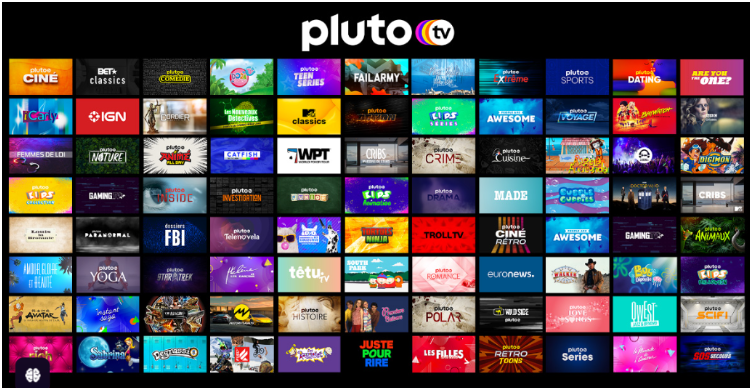
Pluto TV has many channels. These channels show different types of content. You can find news, sports, movies, and shows. There are channels for kids and channels for specific interests. It’s like having many TV stations in one place.
People can watch Pluto TV on many devices. This includes smart TVs, phones, tablets, and computers. Because it’s free, many people use it. This large number of viewers makes it a good place for companies to advertise.
Pluto TV makes money by showing ads. These ads play during the shows, just like on regular TV. When you advertise on Pluto TV, your ad is shown to the people watching the free content.
Why Advertise on Pluto TV?
Many companies choose to advertise on Pluto TV. There are good reasons for this.
First, it’s a free service. Because it costs nothing to watch, many people use it. This means your ad can reach a large number of people. Reaching a big audience is important for businesses that want to grow.
Second, streaming TV is becoming very popular. Fewer people are watching traditional cable or satellite TV. More people are watching shows online. Pluto TV is a big part of this change. Advertising on Pluto TV lets you reach people who might not see your ads on regular TV anymore.
Third, you can often choose who sees your ads. This is called targeting. Pluto TV lets you aim your ads at specific groups of people. You can choose people based on things like their age, where they live, or what they like to watch. This helps your ad money go further. You only show your ad to people who are likely to be interested in what you sell.
Fourth, the cost can be good compared to other ways to advertise. While costs can change, the Pluto TV advertising rates can offer a good value for reaching a wide audience. This is especially true when you look at the cost to advertise on streaming platforms.
In short, advertising on Pluto TV helps you reach many people who watch free streaming TV. You can aim your ads at specific groups. This can be a smart way to spend your advertising money.
How Much Does It Cost To Advertise On Pluto TV?
The main question businesses ask is about the Pluto TV ad cost. The simple answer is that it varies. There isn’t one single price. Instead, the cost depends on many things.
The most common way to measure the cost is using CPM. CPM means “Cost Per Mille”. “Mille” is a Latin word for “thousand”. So, CPM is the cost for every 1,000 times your ad is shown.
Based on reports and industry numbers, Pluto TV CPM rates often fall in a range. This range is typically between \$10 and \$40. However, it is important to know this is a general range. The actual cost could be lower or higher depending on the specific choices you make for your ad campaign.
For example, advertising during a very popular show or event might cost more per 1,000 views. Advertising to a very specific group of people might also cost more. If you want to show your ad at a time when many people are watching, like in the evening, the cost might go up.
The amount of money you need to spend in total can also vary a lot. Some platforms might have a minimum amount you must spend to start advertising. This minimum spend can be thousands of dollars. It’s best to talk directly with Pluto TV or an advertising partner to get the exact costs for your specific needs.
So, while a general Pluto TV CPM rate is \$10 to \$40, the final Pluto TV ad cost for your business will depend on many factors. Thinking about these factors helps you plan your budget better.
Deciphering Factors Affecting Pluto TV Ad Costs
The price you pay to advertise on Pluto TV is not set in stone. Several things cause the Pluto TV advertising rates to go up or down. Knowing these factors helps you understand where your money is going.
-
Audience Targeting: Who do you want to see your ad? If you target a very specific group, like people in a certain city who like sports, it can cost more. Reaching a broader audience might be cheaper per person, but maybe less effective if they aren’t interested in your product. Aiming for specific Pluto TV audience demographics can raise costs.
-
Time of Day/Week: When do you want your ad to show? Advertising during “prime time,” which is usually evening when most people watch TV, costs more. This is because more people are watching, so your ad reaches more potential customers at once. Showing ads late at night or early in the morning might be cheaper.
-
Demand and Seasonality: Are many other businesses trying to advertise at the same time? If demand is high, like during the holiday shopping season, costs usually go up. If demand is lower, costs might go down. Big events, like major sports games, also increase demand and cost.
-
Ad Format and Length: What kind of ad are you using? How long is it? Different Pluto TV ad formats can have different costs. For example, a longer ad might cost more than a shorter one. Some special ad types might also cost more.
-
Competition: How many other advertisers want to reach the same people you do? If many companies are trying to reach the same audience at the same time, it drives the cost up. This is like an auction where advertisers bid to show their ads.
-
Placement within Content: Does your ad appear at the beginning, middle, or end of a commercial break? Some spots might be considered more valuable and cost more.
-
Buying Method: How do you buy the ad space? Buying ads through programmatic advertising platforms can sometimes offer different pricing than buying directly. We will talk more about Pluto TV programmatic advertising later.
All these factors work together to set the final Pluto TV ad cost for any specific campaign. Planning carefully and choosing wisely can help you manage your budget.
Plumbing the Depths of Pluto TV Advertising Rates and CPM
Let’s look deeper at Pluto TV advertising rates, especially the CPM. As mentioned, the Pluto TV CPM rates are a key part of how costs are figured out. CPM is the price for 1,000 ad views. If the CPM is \$20, it costs you \$20 to have your ad seen 1,000 times.
Why use CPM? It’s a standard way to compare costs across different advertising platforms. It helps you see how much you are paying to reach a thousand people, no matter where you advertise.
The \$10 to \$40 CPM range for Pluto TV is just an estimate. Here’s how it might break down based on factors:
-
Lower End (\$10-\$20 CPM):
- Broad audience targeting (not very specific).
- Ads shown at off-peak times (late night, early morning).
- Lower demand periods.
- Potentially longer ad breaks where your ad is less likely to be first or last.
-
Higher End (\$20-\$40+ CPM):
- Narrow, specific audience targeting (based on age, location, interests).
- Ads shown during prime time (evening).
- High demand periods (holidays, major events).
- Ads placed in premium spots or specific, high-viewership channels.
- Using certain advanced targeting options.
It’s important to remember that CPM is about the cost per thousand impressions (times the ad is shown). It doesn’t guarantee someone will watch the whole ad or take action. However, for branding and reaching a wide audience, CPM is a common way to measure the efficiency of ad spend.
When you look at the cost to advertise on free streaming TV, Pluto TV’s CPM rates are often seen as competitive. They allow businesses to get their message in front of a large, engaged audience that is moving away from traditional TV.
To get the most accurate idea of Pluto TV advertising rates for your business, you would need to contact Pluto TV’s sales team or an advertising partner. They can give you a rate card or a proposal based on your specific campaign goals and target audience.
Inspecting Pluto TV Ad Formats
Pluto TV offers different ways your ad can appear. Knowing the Pluto TV ad formats helps you decide what works best for your message and budget.
The main type of ad on Pluto TV is the video ad. These are similar to the commercials you see on regular TV. They play during breaks in the content.
Here are some common aspects of Pluto TV ad formats:
-
Video Length: Ads usually come in standard lengths, such as 15 seconds, 30 seconds, or sometimes 60 seconds. Longer ads give you more time to tell your story but generally cost more. Shorter ads are less expensive per ad view but require a clear, quick message.
-
Skippable vs. Non-Skippable: Most ads on Pluto TV are non-skippable. This is a big plus for advertisers. It means viewers must watch the ad break before the show continues. This increases the chances that your full ad will be seen. Some platforms allow viewers to skip ads, which can reduce their effectiveness. The non-skippable nature of Pluto TV ads is a key feature.
-
Placement: Ads are placed within the content streams. They appear during natural breaks, similar to how traditional TV commercials work. The exact placement within a break (first ad, last ad) can sometimes be requested or cost extra.
-
Interactive Elements: While the basic format is video, newer ad technologies sometimes allow for more interactive elements. However, the core Pluto TV experience relies on standard video commercials.
Choosing the right ad format involves thinking about your message, how much detail you need to share, and your budget. A short, punchy ad might be good for building brand awareness. A longer ad might be better for explaining a complex product. The non-skippable format helps ensure your message has a higher chance of being fully received by the viewer.
Understanding these formats helps you plan your creative content. You need to make sure your video ad fits the time limit and delivers your message effectively in the Pluto TV environment.
Examining Pluto TV Audience Demographics
Who is watching Pluto TV? Knowing the Pluto TV audience demographics is key for advertisers. It helps you decide if your target customers are using the platform. It also affects the Pluto TV advertising rates, as targeting specific groups can change the cost.
Pluto TV reaches a broad audience. Millions of people watch it every month. While the audience is wide, there are some general traits that stand out.
-
Age: Pluto TV tends to be popular with younger adults and middle-aged viewers. Many are in the 18-49 or 25-54 age groups, which are valuable for many advertisers. These groups are often making purchasing decisions.
-
Income: The audience covers a range of income levels. Because the service is free, it attracts people looking for entertainment without paying a subscription fee. This includes people across different financial situations.
-
Location: Pluto TV’s main audience is in the United States, though it is expanding to other countries. Within the US, advertisers can often target specific regions or cities.
-
Viewing Habits: People watch Pluto TV like traditional TV, but on different devices. They watch live channels, often for extended periods. They also use it for background entertainment while doing other things.
-
Interests: Because Pluto TV has many channels covering different topics (movies, sports, news, comedy, specific show channels), the audience has varied interests. Advertisers can often pick channels that match their target audience’s hobbies or viewing preferences.
Advertisers can use this demographic information to aim their campaigns effectively. If you sell products for young adults, advertising during channels popular with that age group makes sense. If your product appeals to families, you might advertise on kids’ channels or family-friendly movie channels.
Targeting based on these demographics is one of the Pluto TV advertising options available. This helps reduce wasted ad spend by showing your ad only to people who are more likely to be interested. However, remember that the more specific your targeting, the higher the CPM might be due to increased value and potentially higher demand for that specific audience segment.
Navigating How to Advertise on Pluto TV
So, you know the costs can vary and you know who watches. Now, how do you actually advertise on Pluto TV? The process involves a few steps.
-
Figure Out Your Goal: What do you want your ad to do? Do you want more people to know about your brand? Do you want people to visit your website? Do you want them to buy something? Having a clear goal helps you plan the right campaign.
-
Know Your Audience: Who are you trying to reach? Use the Pluto TV audience demographics information. The more you know about your ideal customer, the better you can target your ads.
-
Create Your Video Ad: You need a video commercial. It must meet Pluto TV’s technical requirements for length, file size, and quality. Make sure the ad is engaging and clearly delivers your message within the chosen time limit (e.g., 15 or 30 seconds). Remember, most ads are non-skippable, so viewers will see it, but it still needs to hold their attention.
-
Choose Your Advertising Method: There are a few ways to buy ads on Pluto TV.
- Direct Buy: You can work directly with Pluto TV’s sales team. This is often for larger businesses or those planning bigger campaigns. They can help you build a custom plan.
- Programmatic Advertising: You can buy ad space through programmatic platforms. This is a more automated way to buy ads. Many businesses of different sizes use this method. We will discuss this more next.
-
Set Your Budget and Targeting: Based on your goals and audience, decide how much you want to spend. Work with Pluto TV or your programmatic platform to set up targeting rules. This is where you specify who you want to reach and which channels or content types are best. This directly impacts the Pluto TV ad cost.
-
Launch and Monitor: Once everything is set up, your campaign starts. You need to track how well it is doing. Look at how many times your ad is shown (impressions), how many people see it, and if people are taking the actions you want (like visiting your website).
-
Optimize: Use the data you collect to make your campaign better. Maybe you need to change your targeting, try a different ad version, or adjust your budget.
Getting started usually means reaching out to Pluto TV’s advertising department or working with an agency that specializes in streaming TV ads. They can guide you through the options and costs.
Investigating Pluto TV Programmatic Advertising
Pluto TV programmatic advertising is a key way many businesses buy ad space on the platform. Programmatic advertising uses technology to automate the buying and selling of ad impressions. Instead of directly negotiating with a sales person for each ad spot, computers do the work.
Here’s how it generally works for Pluto TV:
- Ad Inventory: Pluto TV has ad space available during its shows and movies. This is called ad inventory.
- Supply-Side Platforms (SSPs): Pluto TV makes its ad inventory available through platforms called SSPs.
- Demand-Side Platforms (DSPs): Advertisers use platforms called DSPs to buy ad space. You, as the advertiser, set rules in the DSP about who you want to reach, how much you will pay (your bid), and where you want your ad to show (like on Pluto TV).
- The Auction: When a person is watching Pluto TV and an ad break comes up, the SSP runs a quick auction through an ad exchange. The DSPs with advertisers who want to reach that specific person and are willing to pay enough will bid.
- Winning Bid: The advertiser with the highest bid that meets the requirements wins the auction, and their ad is shown instantly.
Why use Pluto TV programmatic advertising?
- Efficiency: It makes buying ads faster and easier. You don’t have to contact many different places.
- Targeting: Programmatic platforms offer advanced targeting options. You can often combine Pluto TV’s audience data with other data to reach very specific groups.
- Control: You can set daily budgets, maximum CPMs you are willing to pay, and control when your ads run.
- Data: You get detailed reports on how your ads performed. This helps you see what works and what doesn’t.
Buying ads programmatically means you are often participating in an auction. This means the Pluto TV CPM rates can change moment to moment based on demand. If many advertisers want to reach the same person at the same time, the CPM will go up.
For many businesses, especially those already using digital advertising, programmatic buying on Pluto TV is a natural next step. It allows them to add streaming TV to their marketing plans using tools they might already know. This method is a major part of the Pluto TV advertising options.
Surveying Pluto TV Advertising Options
Beyond programmatic and direct buys, what specific Pluto TV advertising options are there? The way you can advertise isn’t just about the technical method of buying. It also involves how you can work with the platform to meet your goals.
Here are some general types of Pluto TV advertising options:
-
Standard Video Ads: These are the most common. They are the 15 or 30-second commercials that play during ad breaks. You provide the video, and Pluto TV places it. This is the base of most advertising on the platform and ties directly to the Pluto TV advertising rates discussed earlier (CPM).
-
Targeted Campaigns: As mentioned, you can target ads based on demographics (age, location, etc.) and interests (based on channels watched). This makes your advertising more effective by reaching the right people. This is a key feature that influences the Pluto TV ad cost.
-
Channel Sponsorships: Sometimes, businesses can sponsor an entire channel or a block of programming. This gives your brand high visibility on that specific content. This is usually a larger investment and would have a different pricing structure than standard CPM buys. It offers deeper association with specific content that your audience likes.
-
Custom Ad Solutions: For large advertisers, Pluto TV might offer custom solutions. This could involve unique ad formats, special placements, or integrated campaigns that go beyond just playing a video ad. These are negotiated directly and would not fit into the standard CPM range.
-
Buying via Agency: Many businesses work with advertising agencies. These agencies can help plan your campaign, create your ads, and manage the buying process, including buying on Pluto TV through programmatic platforms or direct deals. They can help navigate the different Pluto TV advertising options.
The right option depends on your budget, your advertising goals, and the size of your business. For many, starting with standard video ads bought programmatically is a common path. Larger brands might look into direct deals or sponsorships for more impact. Exploring these options helps you understand the full picture of advertising possibilities and the related cost to advertise on streaming platforms like Pluto TV.
Comparing the Cost to Advertise on Free Streaming TV Platforms
Pluto TV isn’t the only free streaming TV service with ads. Others exist, like Tubi, The Roku Channel, and various smaller services. How does the cost to advertise on free streaming TV platforms compare, and where does Pluto TV fit in?
The cost to advertise on free streaming TV generally follows similar rules. It’s often based on CPM (Cost Per Mille) and influenced by factors like targeting, time of day, and demand.
-
CPM Ranges: The CPM rates on free streaming platforms can vary. Pluto TV’s typical range of \$10-\$40 is competitive within this market. Some platforms might have slightly higher or lower ranges depending on their specific audience size, demographics, and ad technology. Very niche platforms might have higher CPMs because they offer access to a very specific audience that is hard to reach elsewhere. Very large platforms might offer slightly lower CPMs due to sheer volume, but competition can drive prices up.
-
Audience Size and Demographics: The cost often reflects the audience size and quality. Platforms with millions of active users, like Pluto TV, offer reach. The specific audience demographics available on each platform are also key. If a platform has exactly the audience you want, you might be willing to pay a higher CPM.
-
Ad Formats and Targeting: The ad formats available (skippable vs. non-skippable, types of targeting) also affect the cost. Platforms offering advanced targeting might have higher CPMs but also provide better ad performance because you reach the right people. As noted, Pluto TV’s non-skippable ads are a valuable feature that influences its cost.
-
Minimum Spend: Some platforms require a significant minimum ad spend to get started. This can be a barrier for small businesses. It’s important to check minimums when comparing the cost to advertise on streaming platforms.
In general, Pluto TV is considered one of the major players in the free streaming TV space. Its large audience and established ad platform make it a popular choice. The Pluto TV advertising rates, while variable, are often seen as a good way to reach a large and diverse audience that is actively watching content.
Comparing costs requires looking at the specific CPM offered for your desired targeting, the minimum spend required, and the quality and size of the audience you can reach on each platform. Don’t just look at the raw CPM number; consider what you get for that price.
Getting the Most from Your Ad Money on Pluto TV
Once you decide to advertise on Pluto TV, you want to make sure you get the best results for your Pluto TV ad cost. Here are some tips to help maximize your ad spend:
-
Target Wisely: Don’t just blast your ad everywhere. Use the Pluto TV audience demographics and targeting options to reach the people most likely to be interested in your product or service. Specific targeting might have a slightly higher CPM, but it reduces wasted views.
-
Create a Great Ad: A poorly made ad won’t work, no matter who sees it. Invest in a high-quality video ad that is clear, engaging, and has a strong call to action. Since Pluto TV ads are non-skippable, viewers will see it – make it count!
-
Test Different Options: Try testing different ad lengths (15s vs. 30s), different ad creatives, and different targeting settings. See which ones perform best for your goals.
-
Monitor Performance: Don’t just set up your campaign and forget it. Regularly check your ad data. See how many impressions you’re getting, how much you’re spending, and if you’re hitting your goals.
-
Optimize Based on Data: Use the performance data to make changes. If an ad isn’t working, stop it. If a certain type of targeting is very effective, maybe put more budget there. This ongoing process, especially with Pluto TV programmatic advertising, helps improve results.
-
Consider Timing: Think about when your target audience is most likely to be watching and when they are most likely to be receptive to your message. Prime time is more expensive, but it might be worth it if that’s when your customers are watching.
-
Understand the Ad Environment: Remember people are watching entertainment. Your ad should fit reasonably well into that experience. Avoid being too disruptive or irrelevant.
By focusing on these points, you can make your advertising on Pluto TV more effective. It’s not just about the Pluto TV advertising rates or the raw Pluto TV ad cost; it’s about the return you get on your investment.
Pondering if Advertising on Pluto TV Suits Your Business
Is advertising on Pluto TV the right choice for your business? Weigh the pros and cons based on the information about costs and options.
Pros (Why it might be a good fit):
- Large Audience: You can reach millions of people who watch free streaming TV.
- Growing Platform: More people are cutting cable and moving to services like Pluto TV. This audience is growing.
- Non-Skippable Ads: Viewers are more likely to see your entire ad.
- Targeting Options: You can aim your ads at specific groups.
- Competitive CPMs: Compared to some other video advertising options, the Pluto TV CPM rates can be favorable.
- Access to Cord-Cutters: You can reach people who don’t watch traditional TV ads.
Cons (Things to consider):
- Variable Costs: The Pluto TV ad cost changes based on many factors, making budgeting less fixed than some other ad types.
- Minimum Spend: Depending on how you buy (direct vs. programmatic), there might be a minimum amount you need to spend, which could be high for very small businesses.
- Ad Quality Needed: You need a good video ad creative. Producing a high-quality video costs money.
- Measurement Challenges: Measuring the direct impact of TV advertising (streaming or traditional) can be harder than measuring clicks on a digital ad. You need good tools to track results.
- Audience Control: While you can target, you don’t have as granular control over the exact viewer as you might with some highly specific digital platforms.
Pluto TV is a good option if you want to reach a large, diverse audience that is active in the streaming TV space. It’s especially useful if your target demographics match the general Pluto TV audience demographics. If you have a good video ad ready and a budget that fits the potential CPM ranges and minimum spends, it’s definitely worth exploring as part of your overall marketing strategy.
If your budget is very small, or if you need extremely precise targeting of a tiny niche group, other advertising platforms might be a better starting point. However, for many businesses looking to expand their reach beyond traditional digital ads, the cost to advertise on streaming platforms like Pluto TV offers a valuable opportunity.
Conclusion
Advertising on Pluto TV offers businesses a chance to reach a large and growing audience that has moved to free streaming television. The cost to advertise on Pluto TV is primarily based on a CPM model, typically ranging from \$10 to \$40 per 1,000 ad views, but this can vary greatly.
Factors like who you target (Pluto TV audience demographics), when you show your ad, the type of ad format you use, and the level of demand all play a big role in the final Pluto TV ad cost. You can buy ad space directly or through Pluto TV programmatic advertising, giving you flexibility in how you manage your campaigns.
While there are costs involved, including creating a good video ad and potentially meeting minimum spend requirements, the benefits of reaching a mass audience with non-skippable ads can be significant. By understanding the Pluto TV advertising rates, exploring the different Pluto TV advertising options, and planning your campaign carefully, businesses can make informed decisions about whether advertising on this free streaming TV platform is a smart investment for them. For many, it represents a key way to connect with consumers in today’s changing media landscape.
Frequently Asked Questions (FAQ) About Advertising on Pluto TV
h4 What is the minimum spend to advertise on Pluto TV?
The minimum spend can vary greatly depending on whether you buy ads directly from Pluto TV or through programmatic platforms. Direct buys usually have higher minimums, potentially thousands of dollars. Programmatic buys might allow for lower minimums depending on the platform, but streaming TV advertising generally requires a notable budget compared to simple text or banner ads. You should contact Pluto TV or an ad partner for exact minimums.
h4 Can small businesses advertise on Pluto TV?
Yes, small businesses can advertise. However, they need to have a suitable budget for streaming video ads. The costs per view (CPM) are manageable, but the total spend to reach enough people might still be higher than simple local advertising options. Programmatic advertising can sometimes make it more accessible for smaller budgets compared to large direct deals.
h4 Are Pluto TV ads skippable?
No, most ads on Pluto TV are non-skippable. Viewers must watch the full ad break before their content resumes. This is a major benefit for advertisers, increasing the likelihood that your ad will be seen completely.
h4 How is the cost calculated on Pluto TV?
The cost is primarily calculated using CPM (Cost Per Mille), which is the cost for every 1,000 times your ad is shown (impressions). The actual CPM rate you pay depends on factors like your target audience, the time your ad runs, and demand.
h4 Can I target specific channels on Pluto TV?
Yes, channel targeting is often available as one of the Pluto TV advertising options. This allows you to show your ad on channels that are most relevant to your target audience’s interests.
h4 How long can my ad video be on Pluto TV?
Common ad lengths are 15 seconds, 30 seconds, and sometimes 60 seconds. You will need to create a video that fits within these standard time slots.
h4 How do I start advertising on Pluto TV?
You can start by contacting the Pluto TV advertising sales team directly or by working with an advertising agency that can buy ad space on streaming platforms, often through programmatic channels.
h4 Is advertising on Pluto TV effective?
It can be very effective for reaching a large and engaged audience that uses free streaming TV. Its effectiveness for your business depends on having a clear goal, a good ad, and targeting the right audience. Many businesses find it a valuable way to reach people who don’t watch traditional TV.