
Taking out an RV fridge might seem like a big job. But you can do it safely if you follow the right steps. This guide will show you how to disconnect RV fridge power, disconnect RV fridge gas line, and handle all the other steps involved in removing old RV fridge units. These are important parts of the overall RV refrigerator removal steps. Whether you are just removing an old one or preparing for an RV fridge replacement guide, knowing how to safely remove the unit is key. Let’s walk through how to do it.
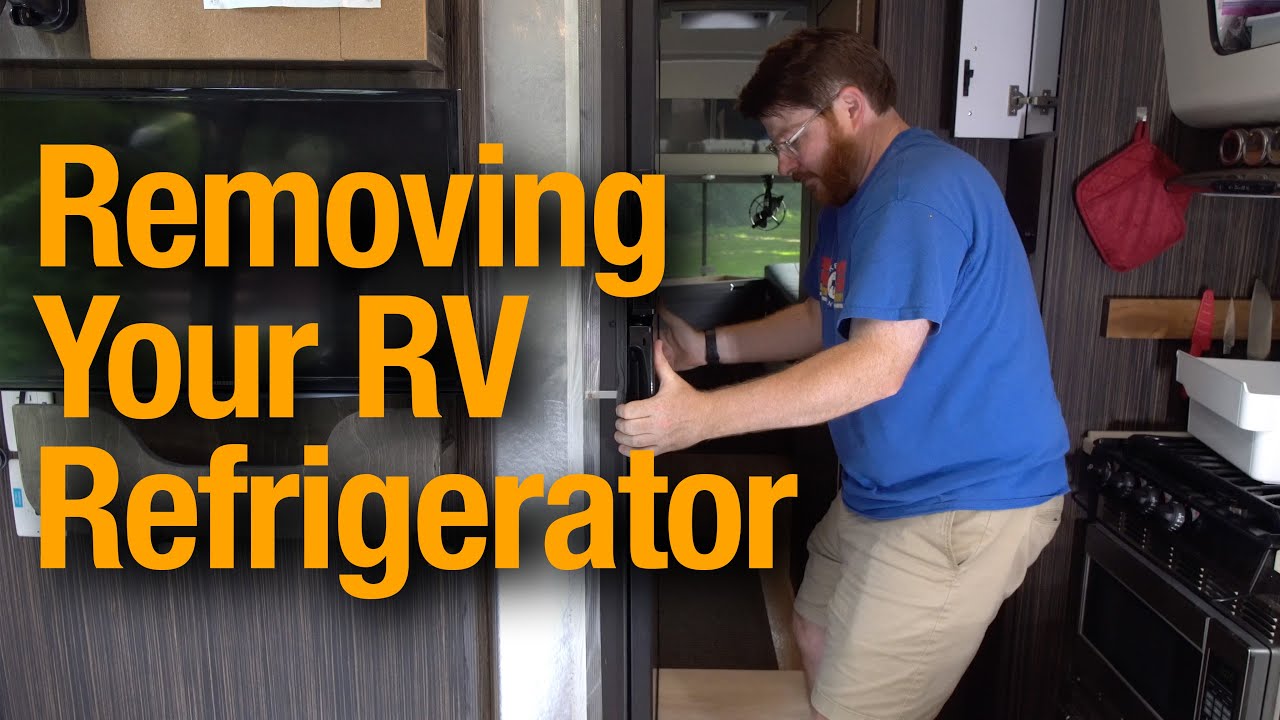
Image Source: i.ytimg.com
Getting Ready To Start
Before you touch anything, you need to get ready. This is a crucial first step. It helps make the whole job easier and safer. You don’t want to rush this part. Think about what you need and what you should do first.
Empty The Fridge
First things first, take everything out of the fridge. This means food, drinks, shelves, drawers, and door bins. Clean the inside well. Any spills or smells should be gone. This makes the fridge lighter and cleaner to work with. You don’t want old food smells hanging around. Cleaning also helps you see what you are doing inside.
Gather Your Tools
You will need some basic tools. Having the right tools needed to remove RV fridge makes the job go smoothly. Don’t start until you have everything ready.
Here is a list of tools you might need:
- Screwdrivers: You’ll need Phillips head and flat head screwdrivers. Frigde mounting screws come in different types.
- Wrench set: You’ll need wrenches to work with gas line fittings. An adjustable wrench is good. Open-end wrenches might also be needed.
- Nut drivers: Sometimes nuts are used instead of screws.
- Gloves: Safety gloves protect your hands.
- Safety glasses: Protect your eyes from dust or falling items.
- Pry bar: A small one can help if things are stuck.
- Utility knife: For cutting sealants or tape.
- Duct tape: Useful for taping doors shut or holding wires.
- Moving blanket or cardboard: To protect your floor and the fridge.
- Dolly or hand truck: To move the heavy fridge once it’s out.
- Leak detector solution: For checking the gas line connection later.
- Marker or tape: To label wires.
- Camera: To take pictures of connections before you disconnect them.
Safety First
Safety is the most important part of removing RV absorption refrigerator or any RV fridge. You are dealing with electricity, gas, and a heavy object. Taking steps to be safe is not optional. It’s a must.
Shut Off Power
You must turn off all power to the fridge. This means both AC (standard wall power) and DC (battery power).
- Turn off AC power: Go to your RV’s circuit breaker box. Find the breaker for the refrigerator. Flip it to the “off” position. It’s a good idea to label it or put a piece of tape on it so nobody turns it back on by mistake.
- Turn off DC power: This usually involves finding the fuse for the fridge in your RV’s fuse panel. Remove the fuse. Also, consider turning off your RV’s main battery disconnect switch if you have one. This stops all DC power flow.
Always double-check that power is off before touching any wires. You can use a voltage tester if you have one.
Turn Off Propane Gas
RV fridges often use propane gas. This is very important to handle correctly. You must shut off the gas supply.
- Go to your main propane tank outside the RV.
- Find the valve on top of the tank.
- Turn the valve clockwise until it is completely closed.
This stops gas from flowing to the fridge and other appliances. It is crucial for safety when you disconnect RV fridge gas line.
Work In A Well-Ventilated Area
If you are working with gas lines, even after shutting off the main valve, a little gas might escape. Work with doors and windows open. Make sure there is fresh air moving.
Get Help
RV refrigerators are heavy. You will need help to slide it out and move it. Do not try to lift or move it by yourself. Have a friend or family member help you.
Protect Your RV Floor
Lay down a moving blanket, cardboard, or old carpet in front of the fridge. This protects your floor from scratches as you are sliding out RV refrigerator.
Accessing The Fridge
You need to get to the back of the fridge. RV fridges are installed through the wall from the inside. But their power, gas, and vent connections are usually accessed from outside the RV.
Locate The Outside Vent Panel
Look on the outside of your RV wall. You will see a plastic or metal cover. This is the access panel for the back of the fridge. There might be one at the bottom and one at the top, or just one large one. This is where you will do RV fridge vent removal.
Remove The Outside Vent Panel
Use your screwdriver or nut driver to remove the screws holding this panel in place. Carefully take the panel off. Set it aside somewhere safe so you don’t lose it. Now you can see the back of the fridge. You will see wires, the gas line, and the cooling unit parts.
Disconnecting Everything
This is where you disconnect the power and gas. Be careful and take your time.
Disconnect RV Fridge Power
You already turned off the power. Now you disconnect the wires at the back of the fridge.
- Look for the wires connected to a terminal block or junction box on the back of the fridge.
- There will be AC wires (usually black, white, green) and DC wires (usually red and white or black).
- Use your screwdriver to loosen the screws holding the wires in place.
- Carefully pull the wires out.
- Use tape and a marker to label each wire as you disconnect it. For example, “AC Hot”, “AC Neutral”, “DC+”, “DC-“. This is very important for the RV fridge replacement guide later.
- Make sure the bare ends of the wires do not touch anything. You can tape them off individually if you want.
Disconnect RV Fridge Gas Line
This is a critical step. Make sure the main propane tank valve is OFF.
- Find the gas line connected to the back of the fridge. It’s usually a copper or flexible metal tube.
- It connects to a gas valve on the fridge.
- You will see a flare fitting or compression fitting at the connection point.
- Use your wrenches to carefully loosen the nut on the fitting. You might need one wrench to hold the valve still and another to turn the nut.
- As you loosen it, a small amount of gas might escape. This is normal if the line was pressurized, but it should stop quickly since the main valve is off.
- Once the nut is loose, carefully separate the gas line from the fridge valve.
- You must cap off the open gas line coming from your RV’s gas system. Use a proper gas line cap or plug. This prevents gas leaks later. You can find these caps at an RV store or hardware store. This is a key part of the RV refrigerator removal steps.
Do not skip capping the gas line.
Finding And Removing Mounting Screws
The fridge is held in place by screws. These screws go through the sides of the fridge frame and into the RV cabinet.
Locate RV Fridge Mounting Screws
RV fridge mounting screws are usually hidden behind plastic trim strips inside the fridge cabinet.
- Open the fridge door.
- Look inside the frame around the opening.
- You will see plastic trim pieces. They might be snapped in or held by small screws.
- Carefully pry off or unscrew these trim pieces.
- Underneath the trim, you will find the main mounting screws. There are typically screws on the left and right sides, maybe two or three on each side. Some models might have screws at the top or bottom as well.
- Sometimes there are also screws on the outside access panel area, connecting the back of the fridge frame to the wall structure. Check this area too.
Remove The Mounting Screws
Use the correct screwdriver or nut driver to remove all the mounting screws. Keep the screws in a cup or bag so you don’t lose them. You will need them if you are installing a new fridge.
Check For Other Fasteners
Some fridges might have extra brackets or supports. Look carefully around the fridge frame and the outside access area for anything else holding it in place. Remove any other fasteners you find.
Sliding Out The Fridge
Once all the connections are off and all screws are out, the fridge is ready to move. This is where you will be sliding out RV refrigerator. Remember, it’s heavy!
Prepare The Path
Make sure the path from the fridge opening to your RV door is clear. Remove any obstacles. Lay down your protective floor covering.
Get Your Helper
This is a two-person job. One person can guide from the front, the other can push or guide from the back (if accessible) or help lift slightly from the front.
Start To Slide
Gently try to pull the fridge straight out from its opening. It should start to slide forward.
- If it’s stuck, double-check that you removed all the mounting screws and disconnected everything.
- Sometimes the seals around the fridge can stick. A little gentle wiggling or using a small pry bar carefully (don’t damage the cabinet) might help.
- Pull it out slowly, just a few inches at a time.
Watch Connections And Cabinet
As you pull, watch the opening. Make sure no wires or parts are getting caught. Guide the fridge smoothly.
Support The Weight
As more of the fridge comes out, its weight will shift. Be ready to support it. If you have a dolly, you can try to position it underneath the front of the fridge as it comes out.
Slide It All The Way Out
Continue sliding the fridge until it is completely out of the opening. Rest it on your protective covering.
Removing The Old Fridge
Now the fridge is out of its hole. The process of removing old RV fridge is almost done.
Moving The Fridge
- If you have a dolly, carefully tip the fridge onto it. Secure it with straps if needed.
- With your helper, move the fridge out of the RV. Be careful on steps or ramps.
- Decide where the old fridge will go. You might take it to a recycling center or an appliance disposal location. Do not just leave it outside. Refrigerants inside need proper handling.
Inspect The Opening
Once the fridge is out, look at the opening in the RV cabinet.
- Check the wiring connections you disconnected. Make sure they are safely tucked away or taped off.
- Check the capped gas line. Make sure the cap is tight. You can use a leak detector solution (soapy water or special spray) to check for bubbles around the cap, which would mean a leak.
- Look at the structure of the cabinet opening. Note how the old fridge was supported. This information is useful for an RV fridge replacement guide.
Steps Summary
Here is a quick look at the main RV refrigerator removal steps:
- Empty and clean the fridge.
- Gather all necessary tools needed to remove RV fridge.
- Turn off AC power at the breaker.
- Remove DC fuse or turn off battery disconnect.
- Turn off the main propane gas valve at the tank.
- Remove the outside access panel (RV fridge vent removal).
- Disconnect and label AC wires at the back of the fridge.
- Disconnect and label DC wires at the back of the fridge.
- Disconnect the gas line at the back of the fridge using wrenches.
- Cap the open gas line coming from the RV.
- Remove inner trim panels inside the fridge opening.
- Locate and remove all RV fridge mounting screws. Check inside and outside access areas.
- Get help to slide out RV refrigerator.
- Protect the floor.
- Gently pull or slide the fridge out of the opening.
- Carefully move the removing old RV fridge out of the RV.
- Inspect the opening, gas line cap, and wiring.
Preparing For Replacement (Briefly)
While this guide is about removal, removing RV absorption refrigerator or any type is often the first step in a replacement project. Knowing the removal process is key for the RV fridge replacement guide.
- Measure the opening carefully. Note the height, width, and depth.
- Look at how the vent system works. Some fridges vent through the roof, others through the side wall. The removed fridge’s setup shows what kind of vent is installed.
- Take pictures of the opening and the utility connections (power wires, gas line).
- These details are needed to choose the right new fridge that will fit and connect properly.
Deciphering Common Issues
Sometimes removing an RV fridge is not simple. Things can get stuck. Here are some common problems and what to do.
Fridge Won’t Slide Out
- Check all screws: Did you find all the RV fridge mounting screws? Look again behind the trim, high, low, and maybe from the outside access panel area. Some are well-hidden.
- Check connections: Are the gas line and all wires fully disconnected? Are they snagged on anything?
- Seals are stuck: The rubber seals around the fridge can stick to the cabinet over time. Gently try wiggling the fridge side to side. Use a plastic putty knife or a thin, stiff tool to carefully break the seal around the edges if needed. Be careful not to damage the cabinet or the fridge.
- Floor is not level: If the RV is not level, the fridge might bind in the opening. Try leveling the RV.
Gas Line Nut Is Stuck
- Use two wrenches: Always use one wrench to hold the valve body still and the other to turn the nut. This prevents twisting and damaging the gas valve or pipe.
- Penetrating oil: A tiny amount of penetrating oil (like WD-40) on the threads might help, but be extremely careful using flammable products near gas lines. Clean it off completely afterwards. Heat is generally not recommended due to the gas line.
- Professional help: If the gas line connection is badly stuck or you are worried about damaging it, stop and call a qualified RV technician. It is safer to pay for help than to cause a gas leak.
Wires Are Hard To Reach
- Sometimes the wires and gas line are far back in the outside compartment.
- You might need to reach in carefully. A flashlight helps you see.
- Longer tools like extended screwdrivers might be useful.
- Taking pictures before you start disconnecting can help you remember where everything goes.
Fridge Is Very Heavy
- RV fridges, especially absorption types, are heavy. They contain metal parts and cooling units.
- Do not underestimate the weight. Get a strong helper.
- Use a proper appliance dolly designed for moving heavy items.
- Plan the route out of the RV to avoid tight turns or tricky steps.
Grasping The Different RV Fridge Types
This guide generally applies to most RV refrigerators, including removing RV absorption refrigerator models which are very common.
- Absorption Fridges: These use heat (from gas or electricity) to create cold. They have no moving parts for cooling, but they are heavy due to the cooling unit fluids and components. They require venting (often through the roof or side wall).
- Residential Fridges (120V AC): Some RVers replace absorption fridges with standard home refrigerators. These only run on AC power and are often lighter. They require an inverter to run on battery power. Their removal is similar but involves only electrical disconnection, no gas.
- 12V DC Fridges: These run solely on 12-volt battery power. They are usually lighter and use a compressor like a home fridge. Removal involves only disconnecting DC wires.
The process for disconnect RV fridge gas line and RV fridge vent removal is specifically for absorption fridges. If you have a residential or 12V fridge, you will only need to handle the electrical disconnections.
Table Of Tools And Uses
| Tool | Main Use | Specific Task in Fridge Removal |
|---|---|---|
| Phillips Screwdriver | Removing screws with a cross shape head | Removing mounting screws, panel screws |
| Flat Head Screwdriver | Removing screws with a single slot, prying trim | Removing mounting screws, prying trim panels |
| Wrench Set | Turning nuts and bolts, holding fittings | Disconnecting gas line fitting |
| Adjustable Wrench | Works on different size nuts/bolts | Disconnecting gas line fitting |
| Nut Drivers | Turning nuts (like a socket on a handle) | Removing nuts that hold panels or parts |
| Safety Gloves | Protecting hands from sharp edges or grime | Handling the fridge, working with tools |
| Safety Glasses | Protecting eyes from debris | Working behind panels, removing parts |
| Pry Bar (small) | Gentle leverage to separate stuck items | Prying off trim, breaking stuck seals |
| Utility Knife | Cutting tape or sealant | Cutting old sealant around the fridge frame |
| Duct Tape | Securing things, holding doors | Taping fridge door shut, holding wires |
| Moving Blanket/Cardboard | Protecting floor surfaces | Placing under the fridge as it slides out |
| Dolly/Hand Truck | Moving heavy objects easily | Transporting the removed fridge |
| Leak Detector Solution | Checking for gas leaks | Testing the capped gas line connection |
| Marker/Tape | Labeling things clearly | Marking disconnected wires |
| Camera | Taking pictures before disconnecting | Documenting wiring and gas line connections |
Fathoming The Ventilation System
Removing the fridge vent cover outside is part of the process. This vent allows hot air from the fridge’s cooling unit to escape. For absorption fridges, proper ventilation is critical for them to work and to prevent fire hazards.
- When you do RV fridge vent removal, you are getting access to the working parts of the cooling unit.
- You will see fins, tubes, and maybe a small fan.
- Understanding this area helps you see where the power and gas connect.
- If you install a new absorption fridge, the vent system must match the new fridge’s needs. Side-venting fridges use side vents. Roof-venting fridges use a vent on the roof, in addition to the lower side vent for air intake.
The side access panel removal gives you a clear view of the lower part of the cooling unit and connections. This access is vital for disconnecting utilities and sometimes for accessing RV fridge mounting screws hidden at the back.
Frequently Asked Questions (FAQ)
Here are some common questions people ask about removing an RV fridge.
Q: How long does it take to remove an RV fridge?
A: It can take anywhere from 2 to 4 hours, maybe longer. It depends on your skill level, the specific RV and fridge model, and how stuck things are. Don’t rush it. Taking your time helps prevent mistakes and injuries.
Q: Can I remove an RV fridge by myself?
A: You can do most of the disconnecting steps alone. But you should always have help for sliding out RV refrigerator and moving it. These fridges are heavy and awkward. Trying to move one alone can cause injury or damage to your RV.
Q: What do I do with the old RV fridge?
A: You cannot just put it out with regular trash. RV refrigerators, especially absorption types, contain chemicals and parts that must be disposed of properly. Contact your local waste disposal or recycling center. Ask them about appliance disposal rules. They might have a special drop-off or pickup service for removing old RV fridge units.
Q: Is it safe to disconnect the gas line myself?
A: You can disconnect the gas line yourself if you are careful and follow the safety steps. The most important step is turning off the main propane tank valve before you start. Use the right tools and cap the line immediately after disconnecting it. If you are uncomfortable or unsure at all, call a qualified RV technician. Gas leaks are very dangerous.
Q: What if I find more screws than expected?
A: Some RV manufacturers add extra fasteners. Always remove any screw or bolt that seems to be holding the fridge in place. Look carefully around the inside frame and the outside access area.
Q: Will I need a new outside vent cover for a new fridge?
A: Maybe. The new fridge might be a different size or type. An RV fridge replacement guide will help you figure this out. Sometimes the old vent cover works, sometimes you need an adapter plate, and sometimes you need a whole new vent kit.
Q: Can I use a different type of fridge as a replacement?
A: Yes, many people switch from absorption to residential or 12V fridges. However, this is a bigger job. You will need to deal with the old gas line and vent, and you will need to make sure the power setup in your RV can handle the new fridge’s needs (like adding an inverter for a residential fridge). The removal steps in this guide are the first part of that process.
This detailed guide should help you safely remove your RV refrigerator. Take it one step at a time, prioritize safety, and get help when you need to move the heavy unit.