
How do you cook prime rib in a convection oven? You prepare the roast by seasoning it well, then cook it using the convection setting, often starting at a high heat to sear the outside before lowering the temperature to cook the inside gently, or by using a low-and-slow method followed by a high-heat finish. This way gives you a juicy center and a lovely crust. Using a meat thermometer is key to get the perfect doneness.
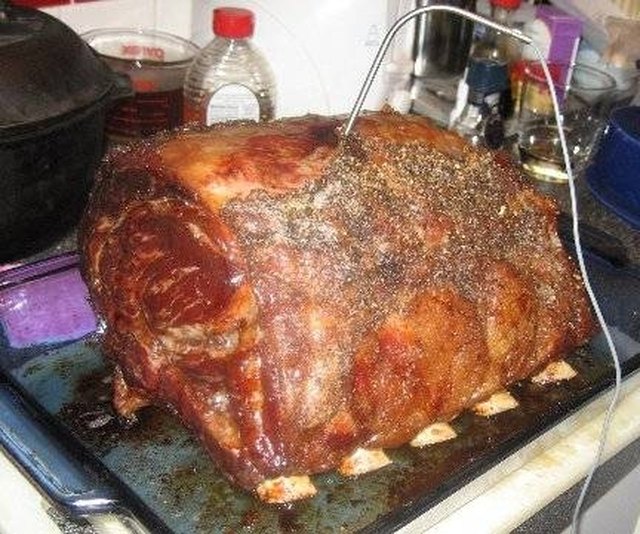
Image Source: img.ehowcdn.com
Why Use a Convection Oven for Prime Rib?
Convection ovens are great for cooking big cuts of meat like prime rib. A regular oven heats the air. A convection oven does this too, but it also has a fan. The fan moves the hot air all around the oven.
This moving hot air helps the prime rib cook more evenly. It gets heat from all sides at once. This means the outside gets a nice crust faster. It also helps the fat on the outside get crispy.
Using convection can sometimes make cooking faster. But for prime rib, the main benefit is the even cooking. It helps stop the edges from getting too done before the middle is ready. It also helps make a beautiful, brown crust all over the roast.
Picking the Right Prime Rib
Picking the right piece of meat is the first step. You want a good quality prime rib roast. It is also called a standing rib roast.
Look for a roast with good marbling. Marbling is the little streaks of fat in the meat. This fat melts as it cooks. It makes the meat juicy and adds flavor.
You can buy bone-in or boneless prime rib.
* Bone-in: The bones add flavor. They also help the roast keep its shape. They can make it harder to carve. Bones also add weight. Remember to figure cooking time based on the weight of the meat, not the bone.
* Boneless: Easier to carve. You might need to tie it with string. Tying helps it cook evenly.
The size of the roast matters. Plan about one pound per person for bone-in. Plan about half a pound per person for boneless. Buying a bit extra is always a good idea. Leftover prime rib is wonderful.
Getting the Roast Ready
Before you cook the prime rib, you need to get it ready. This helps make sure it cooks right.
Bringing it to Room Temperature
This step is very important. Take the prime rib out of the fridge about 2 to 4 hours before you want to cook it. Leave it on the counter. A bigger roast needs more time.
Cooking a cold roast can lead to uneven cooking. The outside will overcook before the inside reaches the right temperature. Letting it sit out helps the heat go into the meat more evenly.
Drying the Surface
You want the outside of the roast to get a nice crust. Moisture on the surface stops this from happening. Pat the roast completely dry with paper towels. Get all sides. This helps the heat brown the outside instead of just steaming it.
Tying the Roast
If you have a boneless roast, or if the bones are cut away and tied back on, check the string. Make sure it is tied well. Tying helps the roast keep a round shape. This means it will cook more evenly. The ends are less likely to overcook. Use kitchen twine to tie it tightly every few inches.
Making Your Prime Rib Seasoning Rub
A good prime rib seasoning rub adds so much flavor. You can buy a rub. Or you can make your own. Making your own lets you control the taste.
A basic rub is simple.
* Salt
* Black pepper
* Garlic powder
* Onion powder
* Dried herbs like thyme or rosemary
You can add other things too.
* Paprika for color and slight sweetness.
* Mustard powder for a bit of tang.
* Cayenne pepper for a little heat.
How to Put the Rub On
First, coat the roast lightly with olive oil or melted butter. This helps the rub stick. Then, put the seasoning rub all over the roast. Rub it into the meat with your hands. Get all sides. Don’t forget the ends. Be generous with the salt. Salt helps flavor the meat deep down.
Some people like to season the roast the day before. They leave it uncovered in the fridge after seasoning. This helps dry out the surface even more. It can lead to a better crust. If you do this, let it sit out at room temp for 2-4 hours before cooking the next day.
Different Ways to Cook Prime Rib with Convection
There are a few ways to use your convection oven for prime rib. The two main ways are the traditional high-heat sear then low-heat method, or the reverse sear method. Many people find the reverse sear prime rib convection method gives the best convection method prime rib results.
Method 1: High-Heat Sear Then Low Heat
This is a common way to cook roasts. You start the oven very hot. This quickly sears the outside of the meat. Searing helps create a flavorful crust.
- Set your convection oven to a high prime rib convection temperature. This is usually between 375°F and 450°F (190°C to 230°C). Using convection means you might need to lower the temperature called for in a regular oven recipe by about 25°F (15°C). Check your oven’s guide.
- Put the seasoned roast in the hot oven. Cook for 15 to 30 minutes. The exact time depends on the starting temperature. Higher heat means less time. The goal is to get a nice brown crust.
- After searing, lower the oven temperature. A common temperature is 325°F (160°C) on convection.
- Continue cooking the roast at this lower temperature until the inside reaches your desired doneness. We will talk about checking doneness soon.
This method can work well. But sometimes, the time at high heat can cook the outer layer of meat more than you might like before the inside is done.
Method 2: Reverse Sear Prime Rib Convection
This method is gaining popularity. It often gives a more evenly cooked inside from edge to edge. It also makes a great crust. It is often called the best convection method prime rib.
- Set your convection oven to a much lower temperature. This is typically between 225°F and 250°F (105°C to 120°C). This low heat cooks the roast gently and slowly.
- Put the seasoned roast in the low oven. Cook it until the inside temperature is almost where you want it to be for final doneness. This takes several hours.
- Take the roast out of the oven. Cover it loosely with foil. Let it rest for 20 to 30 minutes. This resting is important.
- While the roast rests, turn the convection oven up high. Go to 450°F or 500°F (230°C to 260°C).
- Put the roast back in the hot oven after resting. Cook it for 5 to 10 minutes. This quick burst of high heat creates the crispy crust.
The reverse sear method cooks the meat slowly first. This lets the heat reach the center without overcooking the outside layers. Then, the quick high heat at the end gives you the perfect crust right before serving. This method is excellent for getting an edge-to-edge medium-rare.
Figuring Out Convection Oven Prime Rib Time
Figuring out the convection oven prime rib time is not an exact science. Many things affect it.
* The size and shape of the roast.
* If it is bone-in or boneless.
* How cold the roast was when it started.
* Your specific oven. Ovens can vary.
* The temperature you are using.
Because of these factors, you cannot just set a timer and walk away. You must use a meat thermometer to know when it is done.
However, we can give general ideas for prime rib cooking time per pound convection. These are just estimates. Always use a thermometer!
Time Estimates (Very General!)
- Low Temperature (225-250°F / 105-120°C) Reverse Sear: This method takes longer per pound. Expect roughly 20 to 30 minutes per pound. A 4-pound roast might take 1 hour 20 minutes to 2 hours. A 6-pound roast might take 2 hours to 3 hours. This is just to reach the target internal temperature before searing.
- Higher Temperature (325°F / 160°C) After Sear: If you sear first and then drop to 325°F convection, it will cook faster per pound. Expect roughly 12 to 15 minutes per pound. A 4-pound roast might take about 48 to 60 minutes after the initial sear. A 6-pound roast might take about 1 hour 12 minutes to 1 hour 30 minutes after the sear.
Remember, these are just guides! Start checking the temperature earlier than you think you need to.
Checking Prime Rib Internal Temperature
Knowing the prime rib internal temperature is the only sure way to know when your prime rib is ready. You need a good meat thermometer prime rib doneness.
Types of Meat Thermometers
- Instant-Read Thermometer: This is a probe you stick into the thickest part of the meat. It gives you a temperature reading fast. You need to open the oven door to use it.
- Leave-In Probe Thermometer: This has a probe that stays in the meat while it cooks. A wire connects it to a display outside the oven. You can see the temperature without opening the door. This is very helpful.
Where to Check Temperature
Stick the thermometer probe into the thickest part of the roast. Make sure it does not touch any bone. Bone is hotter than meat. If you hit a bone, the reading will be too high. For a bone-in roast, go into the meat next to the bone.
Check the temperature in a couple of different spots to be sure.
Target Internal Temperatures
Remember that the temperature will rise by 5-10°F (3-5°C) while the meat rests. So, take the roast out of the oven when it is 5-10°F below your final target temperature.
Here are the temperatures to aim for when you take the roast out of the oven:
| Doneness | Temperature (°F) | Temperature (°C) | Final Temp After Resting (°F) | Final Temp After Resting (°C) |
|---|---|---|---|---|
| Rare | 115-120 | 46-49 | 120-125 | 49-52 |
| Medium-Rare | 120-125 | 49-52 | 125-130 | 52-54 |
| Medium | 130-135 | 54-57 | 135-140 | 57-60 |
| Medium-Well | 140-145 | 60-63 | 145-150 | 63-66 |
| Well-Done | 150+ | 66+ | 155+ | 68+ |
Most people like prime rib cooked medium-rare. This keeps it tender and juicy. Cooking past medium can make it dry and tough.
If using the reverse sear method, you cook it to the lower number in the “Temperature When Taken Out” column. Then you rest it. Then you sear it quickly at high heat. The sear will slightly raise the temperature, especially on the outside.
The Essential Resting Period Prime Rib
Once the prime rib reaches the right temperature, take it out of the oven. This is a very important step. You must let it rest. The resting period prime rib is not optional!
When meat cooks, the juices in the meat get pushed to the center. If you cut the meat right away, all those juices will run out onto the cutting board. This leaves you with dry meat.
Letting the roast rest gives the juices time to spread back out through the meat. This makes the whole roast juicy and tender.
How Long to Rest
For a prime rib roast, the resting period should be at least 15 to 20 minutes. For bigger roasts (4 pounds or more), 20 to 30 minutes is better.
How to Rest
Take the roast out of the oven. Put it on a cutting board or a serving platter. You can cover it loosely with aluminum foil. This helps keep it warm. Don’t wrap it tightly. This can make the crust soft.
While the roast is resting, you can get your side dishes ready. You can also prepare to carve.
Final Sear (for Reverse Sear Method)
If you used the reverse sear method, the rest is over. Now is the time for the final high-heat sear. Your oven should be very hot (450-500°F / 230-260°C convection).
Put the rested roast back into the super-hot oven. Cook it for about 5 to 10 minutes. Watch it closely. You want a nice, dark brown crust. It should look appealing. This quick sear won’t cook the inside much more. It just makes the outside perfect.
Carving Your Perfect Prime Rib
Once the roast has rested (and been seared again if using reverse sear), it is time to carve.
Bone-In Roast
Stand the roast up on its bones. Use a sharp carving knife. Slice down along the bones to remove the main section of meat in one piece. Then, lay the meat flat on the cutting board. Slice it into pieces of your desired thickness. The bones still have meat on them. You can trim this meat off and enjoy it later.
Boneless Roast
This is easier to carve. Just place the roast on the cutting board. Slice it across the grain into pieces about 1/2 to 3/4 inch thick. Cutting across the grain makes the meat more tender to eat.
Serve the prime rib right away.
Tips for Convection Roast Beef Cooking
The steps for cooking prime rib in a convection oven are similar for other types of convection roast beef cooking. If you are cooking a different cut, like a sirloin tip roast or a round roast, you can use similar ideas:
- Season well: A good rub is important for any roast beef.
- Bring to room temp: This helps with even cooking.
- Use convection: It provides even heat and helps with browning. You will likely lower the temperature by 25°F (15°C) compared to a regular oven recipe.
- Use a thermometer: This is the best way to know when it is done. Different cuts will need different internal temperatures for your desired doneness. Prime rib is best medium-rare. Other cuts might be better cooked to medium.
- Rest the meat: All large roasts need time to rest before carving.
The cooking time per pound will change depending on the cut and the temperature you use. Always rely on the thermometer, not just the clock.
Putting It All Together: A Step-by-Step Guide (Reverse Sear)
Here is a simple plan using the popular reverse sear method with convection. This method gives excellent results for reverse sear prime rib convection.
- Pick and Prep: Choose a good prime rib. Let it sit out for 2-4 hours to reach room temperature. Pat it completely dry. Tie it if needed.
- Season: Make or use your prime rib seasoning rub. Rub it all over the roast.
- Preheat Low: Preheat your convection oven to 225°F to 250°F (105-120°C).
- Slow Cook: Put the roast in the low oven. Cook until a meat thermometer in the thickest part (away from bone) shows 115-120°F (46-49°C) for rare, or 120-125°F (49-52°C) for medium-rare. This could take 2-3 hours or more depending on size. Use your meat thermometer prime rib doneness.
- Rest: Take the roast out. Cover it loosely with foil. Let it rest for 20-30 minutes.
- Preheat High: While resting, turn your convection oven up to 450-500°F (230-260°C).
- Sear: Put the rested roast back in the very hot oven. Cook for 5-10 minutes until you have a deep brown crust. Watch it so it doesn’t burn.
- Carve and Serve: Slice and enjoy your perfect prime rib.
This method helps ensure your prime rib internal temperature is perfect throughout the roast before you add the final crispy crust.
Common Questions About Cooking Prime Rib
h4 What is the best temperature for prime rib convection?
The prime rib convection temperature depends on the method. For a reverse sear, start low at 225-250°F (105-120°C). Then sear high at 450-500°F (230-260°C). For a traditional cook, you might sear first at 375-450°F (190-230°C), then lower to 325°F (160°C) convection. Remember to lower temp by 25°F for convection compared to regular oven temps.
h4 How long does it take to cook prime rib in a convection oven per pound?
The prime rib cooking time per pound convection varies a lot. It depends on the temperature used and your desired doneness. For a low temp (225-250°F) reverse sear, it’s roughly 20-30 minutes per pound. For a medium temp (325°F) after searing, it’s roughly 12-15 minutes per pound. Always use a thermometer to be sure. The total convection oven prime rib time will include rest and sear time.
h4 What is the best convection method for prime rib?
Many chefs and home cooks prefer the reverse sear prime rib convection method. It involves cooking low and slow first, then finishing with a quick high-heat sear. This often leads to more even cooking inside and a great crust. It is widely considered the best convection method prime rib.
h4 How do you know when prime rib is done in a convection oven?
You must use a meat thermometer prime rib doneness. Stick it into the thickest part away from the bone. Take it out when the prime rib internal temperature is 115-120°F (46-49°C) for rare, or 120-125°F (49-52°C) for medium-rare. The temperature will go up 5-10°F (3-5°C) while it rests.
h4 Why is the resting period prime rib so important?
The resting period prime rib lets the juices that were pushed to the center during cooking spread back through the meat. If you cut it too soon, the juices run out. Resting keeps the meat moist and tender. Rest for 20-30 minutes, loosely covered.
h4 Can I use a regular roast beef seasoning rub on prime rib?
Yes, a good prime rib seasoning rub is often just a mix of salt, pepper, garlic, and herbs. Many mixes sold for roast beef will work well for prime rib. You can also easily make your own to control the flavor.
h4 Does convection roast beef cooking take less time than regular oven cooking?
Often, convection roast beef cooking can be a bit faster. This is because the moving hot air transfers heat more quickly. You may also use a slightly lower temperature than a regular oven recipe calls for (usually 25°F / 15°C less). However, cooking time still depends most on the size of the roast and the temperature used. Always check doneness with a thermometer.
h4 What is reverse sear prime rib convection?
Reverse sear prime rib convection is a cooking method. You cook the prime rib slowly at a low temperature (like 225-250°F convection) until it is almost done inside. Then you take it out, rest it, and finally put it back into a very hot convection oven (like 450-500°F) for a short time (5-10 minutes) to create a crispy crust.
By following these steps and using your convection oven, you can make a truly perfect prime rib roast. Enjoy your delicious meal!