
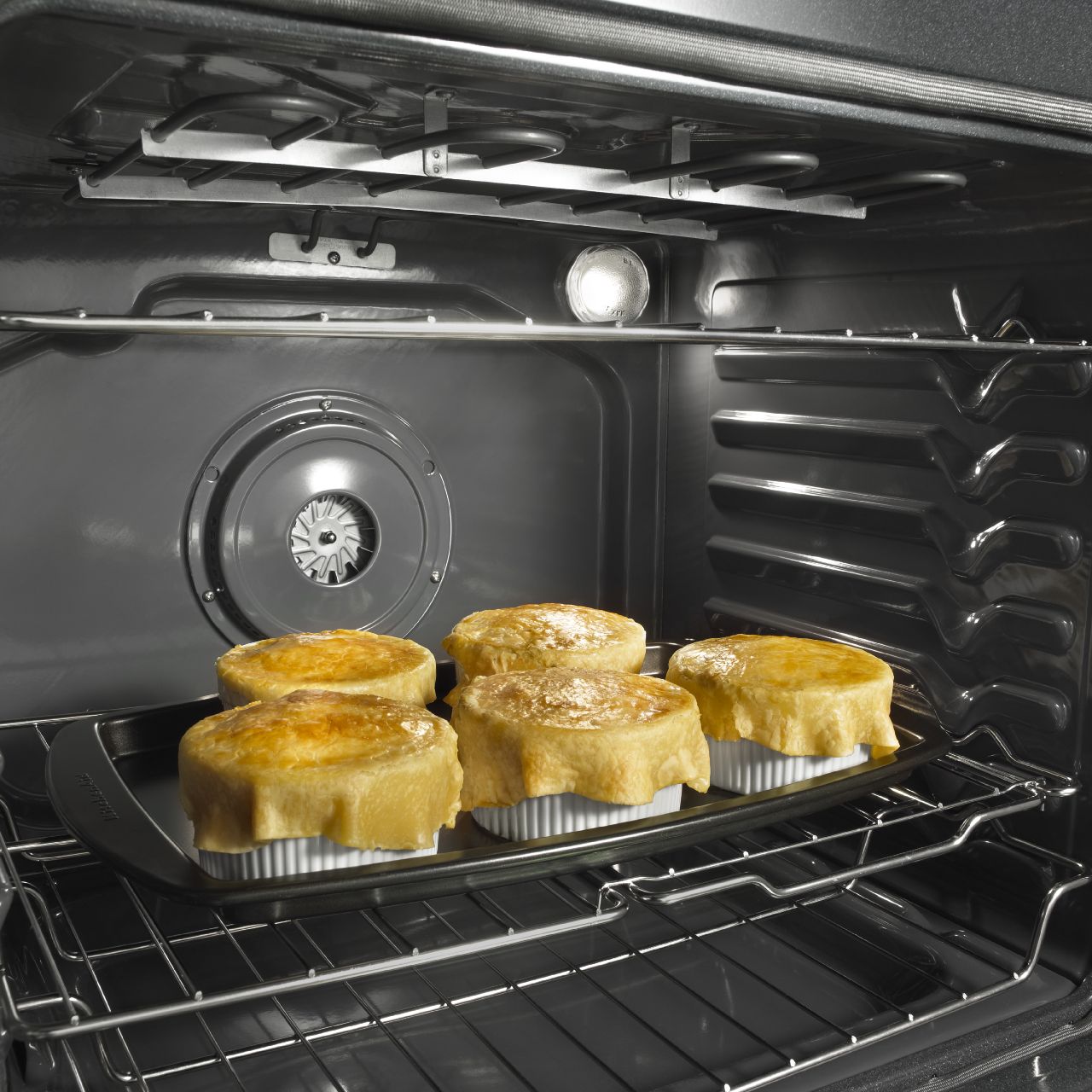
Image Source: fredsappliance.com
Why Is My Oven Turning On By Itself? Causes & Fixes.
So, why is your oven turning on by itself? This puzzling problem, often called an oven turning on randomly or an oven self-start problem, happens when a part inside your oven isn’t working right. The main reasons usually involve the oven’s electrical brain (the control board), the little switches that send power (relays), or problems with the wires themselves. It’s a sign that something needs attention. If your oven keeps turning on by itself, it’s important to figure out why and fix it.
Why Your Oven Gets a Mind of Its Own: The Main Reasons
An oven turning on by itself is not normal. It can be surprising and even scary. More importantly, it’s a safety risk. When this happens, it means an electrical signal is telling the oven to start heating, even when you didn’t tell it to. Let’s look at the parts that could be causing this oven self-start problem.
The Control Center Is Faulty
Every modern oven has a main control board. Think of it as the oven’s computer or brain. It takes your commands (like setting the temperature or timer) and sends signals to the oven’s heating elements, lights, and fans.
- What it does: The control board manages everything. It reads the temperature sensor inside the oven. It knows when to turn the heating elements on or off to keep the temperature steady. It runs the timer. It controls the self-cleaning cycle.
- Why it goes wrong: Control boards are electronic parts. Like any computer part, they can fail.
- Power Surges: Sudden spikes in electricity can damage the sensitive parts on the board.
- Age: Over time, parts on the board can wear out.
- Heat: The heat from the oven, especially during self-cleaning cycles, can stress the board.
- Defects: Sometimes a board just wasn’t made perfectly.
When a control board is damaged or fails, it can get confused. It might send the wrong signals. It might turn on the heating elements even when you haven’t pressed any buttons. This is a very common cause of an oven turning on randomly. If you have a faulty oven control board, it can lead to all sorts of strange behavior, including starting itself.
Stuck Switches or Relays
Ovens use switches and parts called relays to turn the flow of electricity on and off.
- Relays: Relays are automatic switches. The control board tells a relay to turn on, and the relay then lets power flow to a part, like a heating element. When the control board tells the relay to turn off, it stops the power.
- Why they go wrong:
- Getting Stuck: A relay can get stuck in the “on” position. If the relay for a heating element is stuck on, that element will get power whenever the main power is connected to the oven, regardless of what the control board or you want.
- Failure to Respond: Sometimes a relay doesn’t turn off when it’s supposed to, or it turns on by itself because the part controlling it (often on the main board) is faulty.
- Hearing a Click: You might hear an oven relay clicking on just before or as the oven turns on by itself. This click is the relay trying to work, but if it’s faulty or getting bad signals, it can cause the problem.
- Switches: Other switches, like the oven door switch (which turns the light on or off), are usually less likely to cause the oven to heat by itself, but a rare short circuit involving control wiring could theoretically contribute. However, relays are the much more common cause related to powering the heating elements randomly.
An oven relay clicking on and then the oven starting is a strong sign the relay itself is bad, or the control board telling the relay what to do is bad.
The Temperature Sensor Is Off
The oven needs to know the temperature inside so it can heat correctly and turn off when it reaches the set temperature. A temperature sensor or probe does this job. It sends signals to the control board.
- What it does: The sensor measures the air temperature inside the oven cavity. It sends an electrical signal back to the control board. The signal changes based on the temperature.
- Why it goes wrong:
- Bad Readings: If the sensor is faulty, it might send wrong temperature signals to the control board.
- Wiring Issues: Problems with the wires connecting the sensor to the control board can also cause bad or confusing signals.
While a faulty sensor usually causes incorrect temperatures (oven too hot, not hot enough), sometimes a severe malfunction or a wiring issue to the sensor can confuse the control board so much that it acts unexpectedly, potentially telling heating elements to turn on at the wrong time. This is less common than a faulty control board or relay causing an oven thermostat malfunction to result in random starting, but it’s part of the system that can fail. An oven thermostat malfunction typically affects temperature control, but the electrical circuit for it could cause other issues.
Wiring Problems
Ovens have many wires connecting all the different parts – the control board, the heating elements, the lights, the fan, the door switch, and the temperature sensor. These wires run through different parts of the oven and can be exposed to heat and stress.
- What happens:
- Loose Wires: A wire connection might come loose. This can cause power to flow unpredictably or create a short circuit.
- Damaged Insulation: The plastic coating around wires can melt or get damaged, especially if it touches a hot part or is old. This can cause the bare wire to touch another wire or the metal frame, creating a short circuit.
- Pinched Wires: Wires can get pinched during installation or repair.
- Burnt Connections: High heat or a bad connection can cause wiring terminals to burn.
Any of these issues can lead to electrical signals going to the wrong place. This can cause a heating element to turn on randomly. Electrical issues oven turns on problems are often hard to see from the outside. An oven wiring fault requires careful inspection, usually by someone who knows what they are looking for and how to be safe around oven wiring.
Other, Less Common Issues
While the control board, relays, and wiring are the main culprits, sometimes other parts could potentially contribute, though less directly to random starting:
- User Interface/Touchpad: If the buttons or touch screen are faulty, they might send phantom signals to the control board, making it seem like you pressed a button to start the oven when you didn’t. However, this usually causes beeping or error messages, not necessarily the heating elements turning on by themselves.
- Moisture or Pests: In rare cases, moisture getting into the control panel or bugs nesting near electrical parts could cause short circuits.
Here is a summary of the likely causes:
| Potential Cause | What It Is | Why It Happens | Possible Signs | Likelihood |
|---|---|---|---|---|
| Faulty Oven Control Board | The oven’s electronic “brain”. | Power surges, age, heat, manufacturing defect. | Random starts, strange displays, buttons not working. | High |
| Stuck or Faulty Relays | Automatic switches for heating elements. | Wear and tear, damage from power issues, faulty board control. | Oven turns on heating element without command, may hear loud “oven relay clicking on”. | High |
| Oven Wiring Fault | Wires connecting components. | Loose connections, damaged insulation, shorts, burns. | Electrical issues oven turns on, burnt smell, visible damage (DANGER). | Medium-High |
| Oven Thermostat Malfunction | Temperature sensor inside the oven. | Age, damage, wiring issues to the sensor. | Incorrect temperatures, rarely causes random start directly unless a short exists. | Medium |
| User Interface/Touchpad | Buttons or touch screen you use. | Spills, wear, damage. | Phantom button presses, beeping, error codes (less likely to cause heating start). | Low |
Finding Out Why: Deciphering the Problem
When your oven turns on by itself, your first thought might be panic. Your second should be safety. You need to figure out why it’s happening, but doing it safely is key. This is part of oven randomly turns on troubleshooting.
Safety First! Cut the Power
Before you do anything else, you must cut the power to the oven.
- Unplug It: If your oven is a plug-in model (less common for full ranges, more common for wall ovens or built-in cooktops), unplug it from the wall socket.
- Turn Off the Breaker: Most ovens are hardwired or plugged into a dedicated, high-amp outlet on their own circuit. Go to your home’s electrical panel (breaker box). Find the breaker labeled for the kitchen oven. It’s usually a double breaker (two switches connected together). Flip it to the “off” position. It might be labeled or you might need to check your panel’s diagram. If you aren’t sure, you can turn off the main breaker for the whole house, but this is less convenient.
Do not proceed with any inspection or troubleshooting steps inside or behind the oven without making absolutely sure the power is off at the breaker. Electricity is very dangerous.
Visual Inspection: Look for Clues
Once the power is safely off, you can start looking for obvious problems.
- Inside the Oven: Look at the heating elements. Do they look normal? (Don’t touch them). Look at the temperature sensor, usually a small probe sticking into the oven cavity, often at the top back or side. Does it look damaged?
- Control Panel Area: Look at the control panel itself. Are there any visible signs of damage, spills, or burnt plastic? (Be careful not to touch electronic parts unless you know what you’re doing and have taken static precautions, though for a basic look this isn’t usually necessary).
- Back of the Oven (If Accessible Safely): If you can safely pull the oven out (for a range) or access the back panel (for a wall oven, with power OFF), look at the wiring harness. Do you see any wires that look burnt, melted, cut, or loose? Are connectors pushed together firmly? This is where you might spot an oven wiring fault. Again, ensure power is OFF. This step might be difficult or impossible depending on your oven model and kitchen layout. Do not attempt to move a heavy range yourself if it’s difficult.
Listen for Sounds (When Power Was On)
- Clicking Sounds: Before you turned the power off, did you hear any clicking sounds when the oven turned on by itself? An oven relay clicking on repeatedly or at strange times is a key piece of information. This sound usually comes from the control board area or a separate relay board.
Check the Control Panel Display
- Before turning off power: What did the display show when the oven turned on by itself? Was it blank? Did it show a random temperature? Did it show an error code? Note down any codes or strange readings.
- After turning power back on (cautiously): Does the control panel light up normally? Can you try to set a temperature? Does it respond as expected, or is it erratic? If the display is dead or acts strangely even when the oven isn’t randomly heating, it strongly points to a faulty oven control board.
This initial check helps narrow down the possibilities. Seeing a burnt wire points to an oven wiring fault. Hearing constant clicking suggests an oven relay clicking on incorrectly. A dead or wild display often means a faulty oven control board.
What To Do Next: Addressing The Issue
You’ve safely turned off the power and looked for clues. Now what? Fixing an oven that turns on by itself usually means replacing a faulty part. This is where you decide if you can do it yourself or need professional oven repair for the random start problem.
DIY Steps (If You Are Comfortable & Safe)
Attempting DIY repair on an oven requires caution and some basic electrical knowledge. High voltage is present, even deadly. Only proceed if you are confident in your ability to work safely with electrical appliances.
- Reset the Oven: This is the simplest step. Keep the power turned off at the breaker for 5-10 minutes. Then, turn the breaker back on. Sometimes, electronic control boards just need a hard reset to clear a temporary glitch. If the problem goes away, it might have been a fluke, but be aware it could return if a part is failing.
- Check Visible Connections (Power OFF!): If you could safely access the back of the oven and saw slightly loose connectors during your visual check (with power OFF), you could try gently pushing them back into place. Do NOT force anything. Do NOT touch wires with bare hands, even if you think the power is off. Use insulated tools if necessary. This is only for clearly visible, accessible connectors you can reach safely.
- Clean Around the Control Panel: If you suspect spills caused an issue, very gently clean around the control panel area with a slightly damp cloth (make sure it’s not dripping wet!). Avoid getting moisture into any cracks or openings. Let it dry completely before turning power back on.
These simple steps might solve the problem if it was caused by a temporary electronic glitch or a minor, accessible issue. However, they will not fix a faulty control board, a stuck relay, or a significant oven wiring fault.
When To Get Help From an Expert
For most people, dealing with an oven turning on by itself is a job for a qualified appliance repair technician. Here’s why and when to call for professional oven repair random start service:
- Dealing with Control Boards: Replacing a faulty oven control board often involves unplugging many wires and connectors and correctly installing the new board. The boards themselves are expensive, and ordering the wrong one is easy. Technicians can correctly diagnose if the board is the issue and install the right part safely.
- Handling Relays: Ovens contain high-current relays, often located near the heating elements or on a separate board. Replacing these requires electrical knowledge and confidence. A technician can test relays and replace them safely. Addressing an oven relay clicking on issue usually means dealing with these components.
- Fixing Internal Wiring: An oven wiring fault can be difficult to find and dangerous to fix. Wires are often hidden, and proper splicing or connector replacement requires specific tools and knowledge to ensure safety and prevent future fire hazards. Electrical issues oven turns on are best left to those who understand appliance wiring systems.
- High Voltage Risks: Ovens operate on 240-volt electricity, which is much more dangerous than standard wall outlets (120 volts). There is a serious risk of electric shock or fire if repairs are not done correctly.
- Diagnostic Tools: Technicians have tools to test components like sensors, heating elements, and boards to pinpoint the exact cause of the problem.
- Warranty: If your oven is still under warranty, attempting to fix it yourself will likely void the warranty. Calling a qualified service technician is necessary to use the warranty.
Do not hesitate to call a professional. An oven that turns on by itself is a major safety concern. It could start a fire. Until it’s fixed, it’s best to leave the power to the oven turned off at the breaker.
Preventing Future Issues
While you can’t prevent every potential part failure, you can take some steps to potentially reduce the risk of electrical problems or damage that could lead to an oven turning on randomly:
- Protect from Spills: Be careful when cleaning or cooking around the control panel. Liquids can seep into the electronics and cause corrosion or short circuits, leading to a faulty oven control board.
- Gentle Use: Avoid slamming the oven door. While not directly causing electrical issues, harsh treatment could potentially loosen connections over many years.
- Address Power Problems: If your home experiences frequent power surges or brownouts, these can stress appliance electronics, including the oven’s control board. Consider having an electrician check your home’s wiring or discuss surge protection options for major appliances (though direct oven surge protectors are uncommon due to voltage/amperage, whole-house solutions exist).
- Proper Installation: Ensure your oven was installed correctly and is connected to the correct electrical circuit as per the manufacturer’s instructions. An improper installation can stress components.
These are general tips. If you’ve already experienced an oven self-start problem due to a faulty component, the best “prevention” is getting the faulty part replaced correctly by a professional.
Frequently Asked Questions (FAQ)
Q: Is it safe to use my oven if it turns on by itself?
A: Absolutely not. This is a serious safety hazard. An oven turning on randomly could potentially start a fire if flammable items are near it or inside it. You must stop using the oven and turn off the power to it at the breaker until it is repaired.
Q: Can a power surge cause my oven to turn on randomly?
A: Yes, indirectly. A power surge can damage the electronic control board (faulty oven control board). A damaged board can then start sending incorrect signals, including turning the oven on by itself.
Q: My oven relay clicking on is very loud right before it starts by itself. Does this mean the relay is the problem?
A: It’s a strong indicator. A relay that is clicking loudly or at incorrect times might be stuck or failing internally. Or, it could be getting faulty signals from the control board, causing it to try and engage improperly. It’s a key sign for troubleshooting.
Q: How much does it cost to fix an oven that turns on by itself?
A: The cost varies a lot. It depends on what part is broken (a control board is usually the most expensive part, potentially costing several hundred dollars or more, plus labor), your oven’s brand and model, and labor rates in your area. Fixing an oven wiring fault might be less if it’s just a loose connection, but complex wiring issues or board/relay replacement will be costly. It’s often a mid-to-high cost repair.
Q: Can I just unplug the oven instead of turning off the breaker?
A: If your oven has a power cord that you can easily and safely reach and unplug, then yes, that cuts the power. However, most full ranges are hardwired or plugged into a very high-amperage, often recessed outlet behind the unit, making unplugging difficult or impossible for safety. Turning off the breaker is the most common and safest way to cut power to a hardwired oven.
Q: I tried resetting the oven by turning off the breaker, but it still turns on by itself. What does this mean?
A: It likely means the problem is caused by a faulty hardware component (like the control board, a relay, or wiring) rather than a temporary electronic glitch. A simple reset won’t fix a broken part. This points towards needing professional oven repair for the random start issue.
Q: Could an oven thermostat malfunction cause it to turn on by itself?
A: A direct oven thermostat malfunction usually causes temperature control problems (oven too hot or too cool). It’s less likely to cause a random start directly unless there’s a short circuit in the sensor’s wiring or the sensor failure confuses the main control board severely, leading it to incorrectly activate the heating elements. The control board or relays are more direct causes of random starting.
Q: Is an oven self-start problem common?
A: It’s not the most common oven problem (like not heating at all or not holding temperature), but it happens often enough that appliance technicians are familiar with it. It’s one of the more serious issues that can occur.
Key Takeaways
An oven turning on by itself is a serious issue that needs your attention right away. The main culprits are usually:
- A faulty oven control board (the oven’s electronic brain).
- Stuck or broken relays (the automatic switches for power). You might hear an oven relay clicking on.
- An oven wiring fault or other electrical issues oven turns on problems.
- Less commonly, issues related to the oven thermostat malfunction or user interface.
If your oven is turning on randomly or keeps turning on by itself, turn off the power at the breaker immediately. Do not use the oven until it is fixed. While simple troubleshooting like a power reset can be tried if you’re comfortable, complex issues like replacing boards or fixing wiring require expertise. For safe and effective oven repair random start, calling a qualified appliance technician is almost always the best and safest course of action.