
To correct an oversized air conditioner, you may need to adjust settings, modify the system, or, most effectively, replace it with a unit sized correctly for your home based on a professional calculation.
When your air conditioner is too big for your home, it can cause many comfort and efficiency problems. You might think bigger is better, but with AC, that is not true. An AC unit that is too powerful cools your home too fast without removing enough moisture from the air. This leaves your house feeling cold but damp. This guide will help you understand why this happens and what you can do about it.
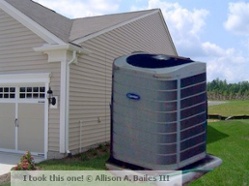
Image Source: www.energyvanguard.com
Perceiving the Problem of an Oversized AC
An oversized air conditioner is an air conditioning unit that has a cooling capacity (measured in British Thermal Units or BTUs) that is greater than what is actually needed to cool your home effectively. Home size, layout, insulation, windows, climate, and even the number of people living in the home all play a role in how much cooling power is needed. When the AC is too large, it can cool the home quickly, but it doesn’t run long enough to do its full job.
Why an Oversized AC Unit Is Bad
You might wonder why too much cooling power is a bad thing. It seems like it would just cool your home faster, right? While it does cool quickly, this speed causes several problems with oversized AC unit. These issues go beyond just temperature and affect comfort, energy use, and even the life of the system itself.
Spotting the Signs: Symptoms of Oversized Air Conditioner
How can you tell if your AC is too big? Your home or your AC unit might show certain signs. These are the symptoms of oversized air conditioner that many homeowners notice.
- Your AC turns on and off very often.
- Your home feels cold but still feels sticky or damp.
- The temperature in your home goes down quickly.
- Some rooms feel colder than others.
- Your energy bills are higher than you expect.
- The air filter needs changing very often.
- You hear the unit starting and stopping constantly.
Let’s look closer at some of these key symptoms.
The Cycle of Short Cycling
One of the main symptoms of oversized air conditioner is short cycling air conditioner. This means the AC unit runs for a very short time, cools the air quickly, reaches the thermostat set point, and then shuts off. It does this over and over again throughout the day.
Think of it like running a sprint instead of a marathon. The unit gets to the finish line (your desired temperature) too fast. An AC needs to run for a longer, continuous period to work properly. Short cycles are bad because:
- They use more energy starting up than running steadily.
- They put extra stress on the system parts, especially the compressor.
- They don’t allow the system enough time to dehumidify the air.
Lingering Dampness: High Humidity Indoor
This is perhaps the most common and uncomfortable problem caused by an oversized AC. An air conditioner cools the air and also removes moisture from it. As warm, humid air passes over the cold cooling coil (evaporator coil), the moisture in the air condenses into water droplets, which are then drained away. This process is called dehumidification.
An oversized unit cools the air so fast that the air doesn’t spend enough time passing over the cold coil. The coil doesn’t get cold enough for long enough periods to properly condense the moisture out of the air. The result is high humidity indoor. Your home might feel cold but still feel damp, sticky, or clammy. This is one of the most tell-tale symptoms of oversized air conditioner.
This dehumidification issues AC problem is significant because high humidity can lead to:
- Discomfort, even at low temperatures.
- Musty odors.
- Growth of mold and mildew, which can affect health and damage property.
- Damage to wood furniture, floors, and musical instruments.
So, while the air feels cool, the high moisture content makes it feel uncomfortable and unhealthy.
Other Significant Problems with Oversized AC Unit
Besides short cycling and high humidity, an oversized AC unit can cause other issues:
- Higher Energy Bills: Although it cools fast, the constant starting and stopping of short cycling uses more power than running steadily for longer periods.
- Uneven Cooling: The unit blasts cold air quickly, but the air doesn’t have time to circulate throughout the house properly before the unit shuts off. This can lead to hot and cold spots.
- Increased Wear and Tear: The frequent starting and stopping cycles put a lot of strain on the system’s components, especially the compressor, which is the heart of the AC. This can lead to parts breaking down sooner and a shorter overall lifespan for the unit.
- Poor Air Filtration: Some systems filter air best when running consistently. Short cycles can mean less air gets filtered properly.
- Increased Repair Costs: Because parts wear out faster, you are likely to face more frequent and expensive repairs.
Knowing these symptoms of oversized air conditioner and problems with oversized AC unit helps you identify if this is the issue in your home.
Finding Solutions for Oversized HVAC
Now that you know the signs and problems, what are the solutions for oversized HVAC systems? Unfortunately, there is no simple “magic button” to make an oversized AC unit the correct size. The best solution often involves replacing the unit. However, there might be some steps you can take to improve performance or confirm the problem before considering a full replacement.
How to Fix Oversized AC: Steps to Consider
Addressing an oversized AC can range from making small adjustments to making big changes. Here’s a breakdown of how to fix oversized AC.
Simple Adjustments to Try First
Before thinking about major system changes, you can try a few simple things to see if they help reduce short cycling air conditioner and high humidity indoor. These steps won’t fix the sizing issue, but they might improve comfort slightly.
-
Adjust Your Thermostat:
- Set your thermostat to a slightly higher temperature. This reduces the cooling load and might make the unit run longer.
- Consider a programmable or smart thermostat that can help manage temperatures more evenly.
- Set the fan to the “ON” position instead of “AUTO.” This makes the fan run all the time, even when the cooling is off. This helps circulate air throughout the house, evening out temperatures and potentially helping with minor humidity issues by moving air across the slightly cool coils, even when the compressor is off. Be aware this will increase electricity use for the fan.
-
Check Your Home:
- Make sure windows and doors are sealed well. Air leaks make the AC work harder and cycle more often.
- Improve insulation in walls, attic, and crawl spaces. This reduces the cooling load.
- Use blinds or curtains to block sun on hot days.
These minor adjustments might offer slight relief from symptoms of oversized air conditioner, but they are usually not enough to solve the core problem of an AC that is too big.
Considering System Modifications (Limited Impact)
In some very specific cases, HVAC professionals might suggest minor system changes. However, these often have limited impact on a truly oversized unit and can be costly without solving the fundamental sizing issue.
- Adjusting Airflow (with caution): A technician might try to adjust the fan speed or ductwork. This needs to be done carefully by a professional, as incorrect airflow can damage the system.
- Adding a Whole-Home Dehumidifier: Since the AC isn’t handling humidity, you could add a separate dehumidifier system. This can help with dehumidification issues AC causes but adds cost and doesn’t fix the energy waste or wear and tear from short cycling.
These modifications are rarely the ideal solutions for oversized HVAC when the core problem is size. They are more like band-aids.
The Most Effective Solution: Correct AC Sizing
The truth is, for most homes with a significantly oversized AC unit, the most effective and long-term solution is replacing an oversized AC with a unit that is correctly sized. This ensures the unit runs long enough cycles to cool and dehumidify properly, leading to better comfort, lower energy bills, and a longer system lifespan.
The Cornerstone of Correct Sizing: Manual J Load Calculation
How do you know what the correct size is? You don’t guess. You need a professional to perform a Manual J load calculation. This is a detailed process that determines exactly how much heating and cooling your home needs.
A Manual J calculation considers many factors specific to your home:
- Size of your home (square footage).
- Climate in your area.
- Number, size, and type of windows and doors.
- Amount and type of insulation in walls, ceiling, and floor.
- Number of people living in the home.
- Heat-producing appliances (like ovens, computers).
- Direction your home faces.
- Type of building materials used.
- Ductwork size and condition.
Using this information, the Manual J calculation provides a precise BTU number representing the cooling capacity your home needs. It’s like getting a custom-tailored suit for your home’s comfort needs.
Why Skipping Manual J Leads to Problems
Many older homes, or homes with poorly installed systems, ended up with oversized units because installers used simple rules of thumb (like “X BTUs per square foot”) instead of a proper calculation. These rules of thumb do not account for the unique features of your specific house, leading to incorrect sizing – often oversized.
A proper Manual J load calculation is essential for correct AC sizing. It prevents the common problems associated with both oversized and undersized units.
Steps for Getting a Manual J Calculation
- Find a Qualified Professional: Look for HVAC contractors who are certified or have experience performing Manual J calculations. Ask specifically if they use ACCA Manual J standards.
- Schedule an Appointment: The professional will visit your home to take measurements and gather information about insulation, windows, etc.
- Review the Report: They will provide a detailed report showing the required heating and cooling capacity for your home.
- Size the System Based on the Report: They will then recommend AC units (and furnaces if needed) that match the calculated load.
This is the most important step when you are considering replacing an oversized AC.
Choosing the Right Replacement System
Once you have your Manual J calculation results, you can work with your contractor to choose the right AC system. It’s not just about getting the correct BTU size. Newer technologies offer improved comfort and efficiency.
- Single-Stage Systems: These are basic units that run at one speed (100% capacity) when on. A correctly sized single-stage unit is much better than an oversized one, but might still have slight temperature swings.
- Two-Stage Systems: These have two levels of operation – often around 60-70% capacity and 100% capacity. They run on the lower stage most of the time, providing more even temperatures and better humidity control because they run for longer periods. This is great for addressing dehumidification issues AC problems.
- Variable-Speed Systems: These are the most advanced. They can adjust their cooling output and fan speed incrementally to perfectly match the cooling need. They run almost constantly at very low power, offering the most consistent temperature and excellent humidity control. This directly combats short cycling air conditioner and high humidity indoor.
While variable-speed systems are often more expensive initially, their improved efficiency and comfort, along with their ability to precisely match the load, make them a very effective solution for homes that previously suffered from problems with oversized AC unit.
The Importance of Proper Installation
Even a perfectly sized unit can cause problems if it’s not installed correctly. Proper installation includes:
- Making sure the refrigerant charge is correct.
- Ensuring the airflow is set properly.
- Connecting ductwork correctly and sealing leaks.
- Ensuring the unit is properly located outside.
A qualified contractor performing a Manual J load calculation and following proper installation standards is key to ensuring your new system works as intended.
Maintaining Your Correctly Sized System
Once you have a properly sized and installed AC, regular maintenance is crucial to keep it running efficiently and prevent future problems.
- Change air filters regularly (check monthly, replace as needed).
- Keep the outdoor unit clear of debris.
- Schedule annual professional tune-ups.
Good maintenance ensures the unit continues to provide optimal comfort and efficiency and helps avoid issues that can sometimes mimic the symptoms of oversized air conditioner (like poor airflow from a dirty filter).
Recap: How To Correct Oversized Air Conditioner
In summary, how to fix oversized AC is primarily about getting the right size.
- Recognize the symptoms of oversized air conditioner, like short cycling air conditioner and high humidity indoor.
- Understand the problems with oversized AC unit, including energy waste, wear and tear, and poor comfort.
- Try minor adjustments like thermostat settings as a temporary measure, but know they likely won’t solve the main issue.
- Consider a separate dehumidifier for dehumidification issues AC creates, but this is a band-aid solution.
- The most effective and long-term solution is replacing an oversized AC with a properly sized unit.
- Ensure correct AC sizing by having a professional perform a Manual J load calculation.
- Choose a suitable replacement system, possibly considering two-stage or variable-speed units for better comfort and humidity control.
- Ensure the new system is installed correctly by a qualified technician.
Getting the size right is fundamental to comfortable, efficient cooling.
Frequently Asked Questions
Q: Can an oversized AC unit increase my energy bill?
A: Yes, often it can. Even though it cools quickly, the frequent starting and stopping (short cycling) uses more electricity than a properly sized unit running steadily for longer periods.
Q: What is the difference between cooling and dehumidifying?
A: Cooling lowers the air temperature. Dehumidifying removes moisture from the air. An AC unit does both, but an oversized one cools too fast to properly dehumidify, leading to high humidity indoor.
Q: My home feels cold but damp. Is this a sign of an oversized AC?
A: Yes, that is a classic symptom of an oversized air conditioner. The unit cools the air quickly but doesn’t run long enough to remove enough moisture.
Q: How can I tell the size of my current AC unit?
A: The size is usually listed on the unit’s outdoor nameplate in BTUs per hour or tons (1 ton equals 12,000 BTUs). However, knowing the current size doesn’t tell you the correct size for your home; only a load calculation can do that.
Q: Can I just buy a smaller unit without a Manual J calculation?
A: It is not recommended. Guessing the size can lead to an undersized unit (which won’t cool enough) or still end up with an incorrect size. A Manual J load calculation is the only way to ensure correct AC sizing.
Q: Is replacing an oversized AC expensive?
A: Yes, replacing an AC unit is a significant investment. However, the long-term savings on energy bills, reduced repair costs, and improved comfort often make it worthwhile, especially compared to the ongoing problems with oversized AC unit.
Q: How long should an AC cycle last?
A: There is no exact perfect time, but a properly sized AC unit should typically run for at least 15-20 minutes or longer during peak cooling times to effectively cool and dehumidify the space. Short cycling air conditioner means it runs for much shorter periods (e.g., 5-10 minutes or less) repeatedly.
Q: Can an oversized AC cause my system to freeze up?
A: Yes, it can. While short cycling is the main issue, the rapid cooling and poor airflow patterns sometimes associated with oversized units, combined with humidity issues, can contribute to coils freezing, though other factors like low refrigerant are more common causes.
Q: How important is insulation and sealing for AC sizing?
A: Very important. Better insulation and sealing reduce the amount of heat entering your home. This reduces the cooling load, meaning your home needs a smaller AC unit. Improving these things before getting a Manual J calculation can result in a recommendation for a smaller, more efficient system.
By recognizing the signs, understanding the problems, and taking the steps to ensure correct AC sizing through a Manual J load calculation, you can turn your uncomfortable, inefficient oversized system into a comfortable, energy-saving one. While replacing an oversized AC is the most significant solution, it’s the path to truly fix your AC issues stemming from incorrect sizing.