
So, how long can shrimp be in the fridge? Generally, raw shrimp can last in the refrigerator for 1 to 2 days, while cooked shrimp can be stored for 3 to 4 days. However, proper storage is crucial to maintain freshness and prevent spoilage. This guide will delve into the specifics of shrimp shelf life, raw shrimp refrigeration, and cooked shrimp storage to ensure you’re always serving safe and delicious seafood.
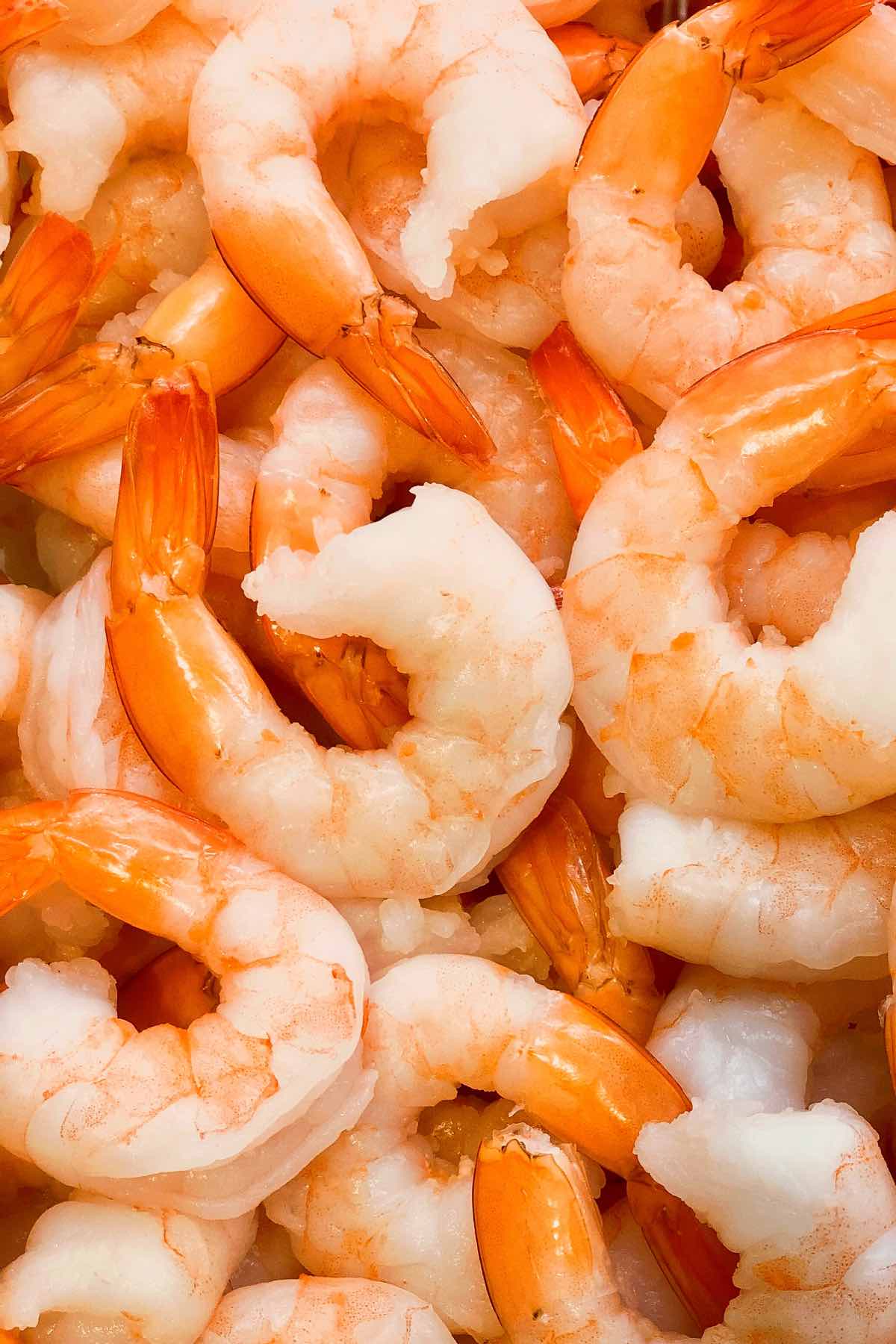
Image Source: tipbuzz.com
The Lifespan of Shrimp: A Comprehensive Look at Shrimp Shelf Life
When it comes to enjoying shrimp, freshness is paramount. Understanding shrimp shelf life is the first step in ensuring you’re not risking your health or wasting good food. Whether you’ve purchased fresh, frozen, or even pre-cooked shrimp, knowing how long each type can safely reside in your refrigerator is key.
Factors Influencing Shrimp Shelf Life
Several elements contribute to how long shrimp remain safe to eat when refrigerated:
- Initial Freshness: The condition of the shrimp when you buy them significantly impacts their refrigerated lifespan. Shrimp that are already nearing spoilage will have a much shorter shelf life.
- Temperature of the Refrigerator: A consistent and cold refrigerator temperature (below 40°F or 4°C) is vital. Fluctuations can accelerate spoilage.
- Packaging: How the shrimp are stored plays a role. Airtight containers or tightly wrapped packaging help prevent contamination and drying out.
- Handling: Cleanliness during preparation and storage minimizes the introduction of bacteria.
How Long Can Raw Shrimp Last in the Fridge?
For raw shrimp refrigeration, it’s important to be vigilant. Uncooked shrimp are highly perishable due to their high moisture content and protein structure, which are ideal environments for bacterial growth.
- Best Practice: Aim to use raw shrimp within 1 to 2 days of purchase. This timeframe is the safest bet for optimal quality and safety.
- Why the Short Window? Bacteria that cause spoilage and foodborne illnesses can multiply rapidly in raw seafood, especially at refrigerator temperatures that aren’t consistently cold enough. Even if the shrimp look and smell okay, microscopic bacteria might be present.
Storing Cooked Shrimp Safely
Once shrimp are cooked, their refrigerated life can extend slightly, but caution is still necessary.
- Cooked Shrimp Storage: Cooked shrimp can typically be stored in the refrigerator for 3 to 4 days.
- Cooling Down: It’s essential to cool cooked shrimp quickly before refrigerating them. Leaving them at room temperature for too long can allow bacteria to proliferate. Refrigerate within 2 hours of cooking.
- Airtight Containers: Store cooked shrimp in airtight containers or resealable bags to prevent them from drying out and to protect them from absorbing odors from other foods in the fridge.
Frozen Shrimp: A Different Ballgame
While this article focuses on refrigerator storage, it’s worth noting that freezing is an excellent way to extend the life of shrimp. Properly frozen shrimp can last for several months. However, once thawed, they revert to the same short shelf life as fresh raw shrimp and should be cooked and consumed within 1 to 2 days.
Deciphering Freshness: How to Tell if Shrimp is Bad
Recognizing the signs of fresh shrimp spoilage is crucial for your health. Don’t rely solely on the shrimp expiration date; always perform a sensory check.
Visual Cues of Spoilage
- Color Change: Fresh shrimp typically have a translucent, slightly pinkish or grayish hue. If the shrimp appear dull, grayish-white, or have developed dark spots, it’s a sign they are no longer fresh. Yellowing can also indicate spoilage.
- Slimy Texture: Fresh shrimp should feel firm and slightly moist. If they feel slimy, sticky, or mushy, it’s a clear indicator of spoilage.
- Shell Condition: While not always a definitive sign, a dull or discolored shell, or shells that are easily falling off, can sometimes suggest the shrimp are past their prime.
Olfactory Indicators of Spoilage
- The Smell Test: This is often the most telling sign. Fresh shrimp should have a mild, slightly sweet, or “ocean-like” smell. If you detect a strong, ammonia-like odor, a fishy smell that is overpowering, or a generally “off” scent, discard the shrimp immediately. This strong smell is a result of the breakdown of proteins by bacteria.
Texture and Consistency
- Firmness: Gently press a raw shrimp. It should feel firm and spring back slightly. If it feels soft, mushy, or starts to break apart easily, it has likely spoiled.
Storing Shrimp Safely: Best Practices for Refrigeration
Following the right procedures for storing shrimp safely will maximize their quality and minimize the risk of spoilage. Whether you have raw or cooked shrimp, proper handling is key.
Raw Shrimp Refrigeration Techniques
When you bring home raw shrimp, the clock starts ticking. Here’s how to keep them as fresh as possible in the fridge:
- Keep Them Cold: Store raw shrimp in the coldest part of your refrigerator, usually the bottom shelf towards the back. This area tends to maintain the most consistent low temperature.
- Original Packaging: If your shrimp came in a sealed package and you don’t plan to use them immediately, it’s often best to leave them in their original packaging until you’re ready to prep.
- If Repackaging: If the original packaging is compromised or you’ve opened it, transfer the shrimp to a clean, airtight container or a resealable plastic bag. Remove as much air as possible to prevent oxidation and drying.
- Draining Excess Water: If there’s a significant amount of water in the original packaging, gently drain it before storing. Excess water can create a more favorable environment for bacterial growth.
- Use Promptly: Remember, the goal is to use raw shrimp within 1 to 2 days.
Cooked Shrimp Storage Procedures
Once cooked, shrimp require careful handling to maintain their safety and quality:
- Rapid Cooling: As mentioned earlier, it’s crucial to cool cooked shrimp rapidly. Spread them out on a clean plate or baking sheet to cool down faster before packing them away.
- Airtight Containers: Store cooked shrimp in shallow, airtight containers. This allows them to cool quickly and prevents them from drying out or picking up other fridge odors.
- Label and Date: For cooked shrimp, it’s a good practice to label the container with the date they were cooked. This helps you keep track of how long they’ve been in the fridge.
- Reheating: When reheating cooked shrimp, do so gently to avoid overcooking, which can make them tough. They should be heated thoroughly until steaming hot.
The Importance of Temperature Control
The best way to store shrimp relies heavily on maintaining a consistent, cold temperature.
- Ideal Refrigerator Temperature: Your refrigerator should be set to 40°F (4°C) or below. Use a refrigerator thermometer to ensure your appliance is accurately calibrated.
- Avoiding Temperature Fluctuations: Minimize the time the refrigerator door is open. Avoid storing large amounts of hot food in the fridge, as this can raise the internal temperature.
How Many Days Can Shrimp Last in the Fridge? A Summary
To provide a clear overview of days shrimp last in the fridge:
| Type of Shrimp | Recommended Refrigerated Storage Time | Notes |
|---|---|---|
| Raw Shrimp | 1 to 2 days | Best used as soon as possible after purchase. |
| Cooked Shrimp | 3 to 4 days | Must be cooled rapidly after cooking and stored in airtight containers. |
| Thawed Frozen Shrimp | 1 to 2 days | Once thawed, treat as fresh raw shrimp. |
It’s always better to err on the side of caution. If you have any doubts about the freshness or safety of your shrimp, it’s best to discard them.
Beyond Refrigeration: Other Storage Considerations
While this post focuses on refrigerator storage, a brief mention of other methods is relevant to a complete picture of storing shrimp safely.
Freezing for Longevity
- Freezing Raw Shrimp: If you buy more shrimp than you can use within the recommended timeframe, freezing is an excellent option. Rinse and thoroughly dry the shrimp. Then, lay them in a single layer on a baking sheet lined with parchment paper and freeze until solid. Once frozen, transfer them to a freezer-safe bag or container, removing as much air as possible. Properly frozen raw shrimp can maintain quality for 3-6 months.
- Freezing Cooked Shrimp: Cooked shrimp can also be frozen, though their texture might be slightly altered upon thawing. Ensure they are completely cooled before freezing in airtight containers.
Can You Freeze Cooked Shrimp?
Yes, you can freeze cooked shrimp. However, it’s important to note that the texture might become a bit more mushy after thawing compared to frozen raw shrimp. For the best results:
- Ensure the shrimp are completely cooled.
- Place them in a single layer on a baking sheet lined with parchment paper and freeze until solid.
- Transfer the frozen cooked shrimp to an airtight freezer bag or container.
- Use within 1-2 months for optimal quality.
Common Misconceptions About Seafood Fridge Time
There are often misunderstandings regarding seafood fridge time. Here are a few points to clarify:
- “It looks fine, so it’s fine”: This is a dangerous assumption. Spoilage can be invisible to the naked eye. Always rely on smell, texture, and the recommended storage times.
- Washing Shrimp Extends Life: Washing shrimp before storing them in the fridge doesn’t extend their shelf life. In fact, it can introduce more moisture and potentially bacteria if not dried thoroughly. It’s best to wash shrimp just before cooking.
- The “Best By” Date is Absolute: While useful, expiration dates on seafood are a guide. The actual freshness depends heavily on how the product was handled from catch to your kitchen.
Frequently Asked Questions About Shrimp Storage
Here are some common questions people have about storing shrimp:
Q1: Can I leave shrimp out on the counter before refrigerating?
A1: No, you should not leave shrimp out at room temperature for more than 2 hours (or 1 hour if the ambient temperature is above 90°F or 32°C). This is because bacteria can multiply rapidly in the “danger zone” between 40°F (4°C) and 140°F (60°C).
Q2: Is it safe to eat shrimp that smells slightly fishy?
A2: If the “fishy” smell is mild and resembles the scent of the ocean, it might be acceptable. However, if the smell is strong, ammonia-like, or unpleasant, it is a sign of spoilage, and the shrimp should be discarded. When in doubt, throw it out.
Q3: How should I store shrimp if I don’t have airtight containers?
A3: If you don’t have airtight containers, use heavy-duty aluminum foil or plastic wrap to wrap the shrimp tightly. Try to eliminate as much air as possible. However, airtight containers are always preferred for the best results.
Q4: What is the best way to store shrimp purchased from a fish market?
A4: When buying shrimp from a fish market, ask the vendor how they were stored and when they arrived. Ensure they are kept on ice. Once home, store them in the coldest part of your refrigerator in their original packaging or transferred to an airtight container. Use them within 1-2 days.
Q5: Can I refreeze shrimp that were previously frozen and then thawed?
A5: It is generally not recommended to refreeze shrimp that have been thawed. The quality and texture will significantly degrade, and it can increase the risk of bacterial growth if not handled properly during the thawing and refreezing process.
By adhering to these guidelines for raw shrimp refrigeration and cooked shrimp storage, you can confidently enjoy your seafood knowing it’s been handled and stored with care. Always prioritize safety and freshness when it comes to seafood fridge time.