
Can you eat duck eggs that are a few weeks old? Yes, you can eat duck eggs that are a few weeks old, provided they are stored correctly and pass a simple freshness test. Duck eggs can last for a surprisingly long time in the refrigerator, often exceeding the shelf life of chicken eggs. This longevity is due to a few key factors, including the egg’s natural protective coating and its thicker shell.
When it comes to duck egg freshness, many people are curious about how long these larger, richer eggs will remain good to eat. The good news is that with proper handling and storing duck eggs, you can extend their usability significantly. Understanding the nuances of duck egg shelf life is crucial for anyone who raises ducks or enjoys purchasing these nutritious eggs from local farmers. Let’s dive deep into everything you need to know about refrigerated duck eggs.
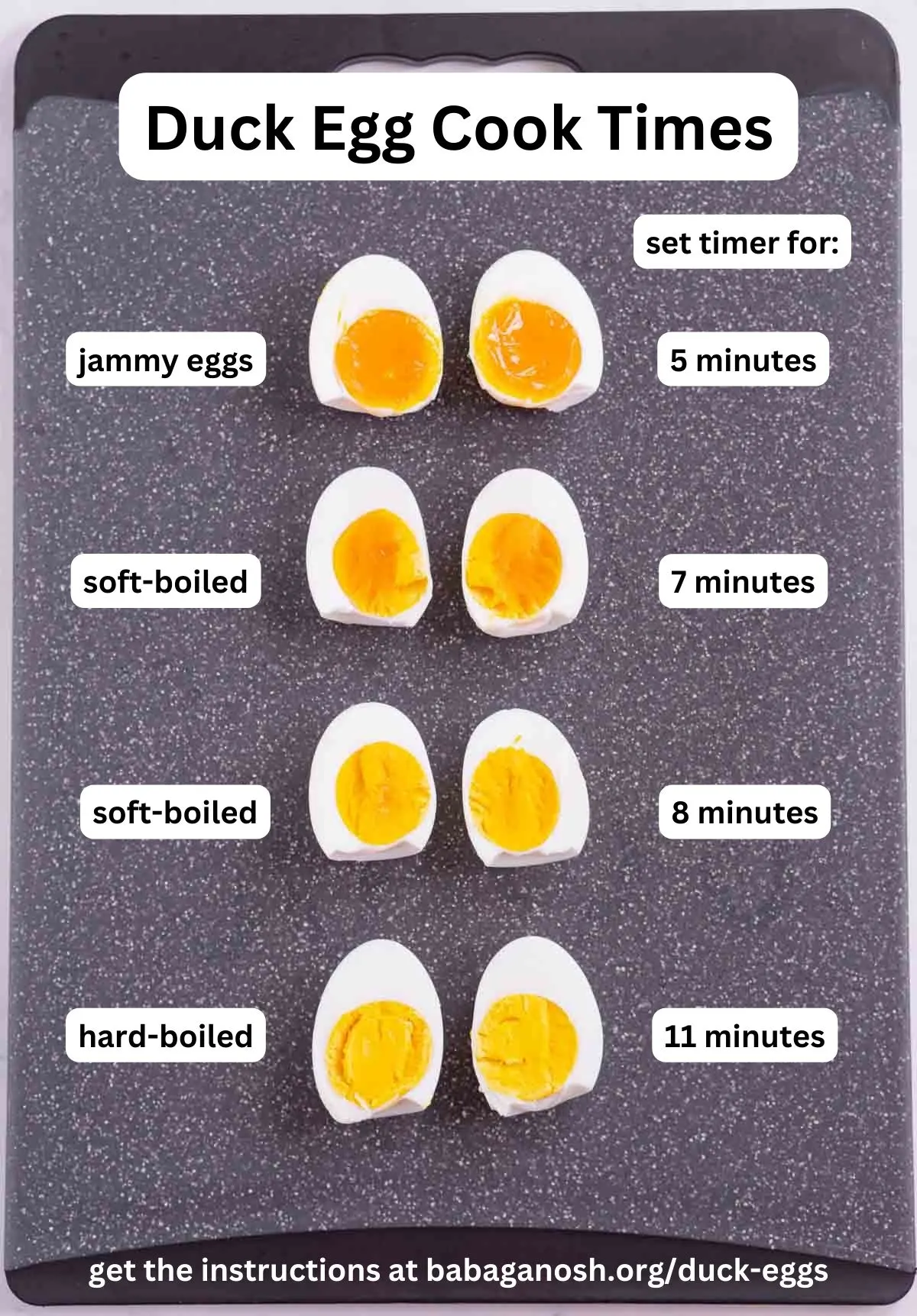
Image Source: www.babaganosh.org
Factors Influencing Duck Egg Longevity
Several elements contribute to how long a duck egg remains fresh and safe to consume. These factors are essential to consider when assessing duck egg freshness.
The Bloom on Duck Eggs
Unlike commercially produced chicken eggs, which are often washed, duck eggs typically retain their natural protective coating, known as the bloom or cuticle. This thin, invisible layer acts as a barrier against bacteria and moisture loss. The presence of an intact bloom significantly enhances duck egg shelf life.
Shell Thickness and Porosity
Duck eggs boast a thicker, more robust shell compared to chicken eggs. This increased thickness offers better protection against breakage and also makes the shell less porous. Reduced porosity means that bacteria have a harder time penetrating the shell and reaching the egg’s interior, further contributing to keeping duck eggs fresh.
Storage Conditions
The environment in which duck eggs are stored plays a pivotal role in their longevity. Consistent, cold temperatures are paramount for slowing down any potential spoilage processes.
How Long Do Duck Eggs Last in the Fridge?
When properly stored in the refrigerator, duck eggs can maintain their quality and safety for an extended period. The general consensus for duck egg shelf life in a chilled environment is quite impressive.
- Unwashed Duck Eggs: If you have unwashed duck eggs, which is ideal for preserving duck eggs, they can typically last for 4 to 6 weeks in the refrigerator. Some sources even suggest they can remain good for up to 12 weeks, though it’s always best to test for freshness closer to the longer end of this spectrum.
- Washed Duck Eggs: If the bloom has been removed (which is less common for home-kept duck eggs), their shelf life will be considerably shorter, similar to washed chicken eggs, usually around 2 to 3 weeks.
It’s important to note that these are general guidelines. The actual duration can vary based on the individual egg and the specific refrigerator conditions. Always rely on freshness tests to confirm viability, rather than solely on a printed best before date duck eggs might not have.
Best Practices for Storing Duck Eggs
Proper storing duck eggs is the cornerstone of ensuring their duck egg freshness. Implementing these duck egg storage tips will help you maximize their shelf life.
Wash or Not to Wash?
For optimal duck egg shelf life, it is highly recommended not to wash your duck eggs before storing them. The bloom is your best friend in keeping duck eggs fresh. Washing removes this protective layer, making the eggs more susceptible to bacterial contamination and moisture loss.
- If you must wash: If your eggs are significantly soiled, wash them gently with warm water just before you plan to use them. Avoid scrubbing vigorously, as this can also damage the bloom.
Refrigeration is Key
Once you have collected your duck eggs, prompt refrigeration is essential. This immediately slows down the aging process and inhibits bacterial growth.
- Temperature: Maintain a refrigerator temperature between 35°F and 40°F (1.7°C and 4.4°C).
- Placement: Store them in their original carton or a designated egg carton. This prevents them from rolling around and cracking, and also protects them from absorbing odors from other foods.
- Pointy End Down: For preserving duck eggs and maintaining internal quality, store them with the pointy end down. This keeps the air cell at the larger, rounded end, away from the yolk, which helps to prevent the yolk from breaking.
What About Freezing Duck Eggs?
While refrigeration is the primary method for storing duck eggs, freezing is another viable option for longer-term preserving duck eggs. However, you cannot freeze duck eggs in their shells.
- How to Freeze: Crack the eggs and whisk them lightly to break the yolks. You can freeze them whole (yolks and whites together), or separate them into yolks and whites. Add a pinch of salt or sugar (about 1/8 teaspoon per cup of egg) if freezing yolks to prevent them from becoming gelatinous upon thawing. Package them in airtight containers or freezer bags.
- Thawing: Thaw frozen eggs in the refrigerator overnight.
- Usage: Frozen eggs are best used for baking and cooking, rather than for frying or scrambling, as their texture may change slightly.
How to Tell If Duck Eggs Are Bad
Even with the best storing duck eggs practices, it’s always wise to know how to identify a spoiled egg. Here are some reliable methods to check for duck egg freshness and to determine how to tell if duck eggs are bad:
The Float Test
This is a simple and effective way to gauge the age of your duck eggs.
- Fill a Bowl: Get a bowl or a deep container and fill it with cold water.
- Place the Egg: Gently place the duck egg into the water.
- Observe:
- Sinks to the Bottom and Lies Flat: The egg is very fresh.
- Sinks But Stands on its Point: The egg is still good to eat but is a few weeks old. The air cell has likely grown larger.
- Floats to the Surface: The egg is old and likely spoiled. Discard it immediately.
The float test works because as an egg ages, the porous shell allows air to enter, and moisture to escape. This causes the air cell within the egg to enlarge. A larger air cell makes the egg more buoyant.
The Sniff Test
This is perhaps the most reliable indicator of spoilage.
- Crack the Egg: Crack the egg onto a clean plate or into a small bowl. Do this in a well-ventilated area, or near an open window.
- Smell: Take a good whiff. If the egg has a foul, rotten, or sulfurous odor, it has gone bad. A fresh egg will have little to no discernible smell.
The Visual Inspection
When you crack open an egg, its appearance can also tell you a lot about its duck egg freshness.
- Fresh Egg: The yolk will be plump and stand high. The white (albumen) will be thick and hold its shape around the yolk, with a thinner layer of white surrounding it.
- Older but Still Good Egg: The yolk might be slightly flatter, and the white may spread out more. This is generally still safe to eat if it passes the sniff test.
- Bad Egg: If the yolk breaks easily, appears discolored, or the white is watery and spreads out significantly, it’s a sign of spoilage. If you see any mold or unusual coloration, discard the egg immediately.
Duck Egg Expiration: What About “Best Before” Dates?
It’s uncommon to find a specific duck egg expiration date on eggs purchased directly from farmers or your own flock. Unlike commercially packaged chicken eggs, which often have a “sell by” or “best by” date, duck eggs from a local source usually don’t. This is where understanding duck egg shelf life and relying on freshness tests becomes even more important.
When you buy duck eggs, ask the producer about their collection and storage practices. This can give you a good indication of their likely freshness. The general rule of thumb remains: if in doubt, use the float and sniff tests.
Is it Safe to Eat Duck Eggs Past Their “Best Before” Date?
The concept of a “best before date duck eggs” is more of a guideline for peak quality rather than a strict safety cutoff, especially for unwashed eggs stored properly. The crucial factor is how to tell if duck eggs are bad. If an egg passes the float test and the sniff test, it is generally considered safe to consume, even if it’s older than what might be considered a typical shelf life for other products.
However, it’s always best to err on the side of caution. If an egg exhibits any signs of spoilage, it’s not worth the risk.
The Nutritional Advantage of Duck Eggs
Beyond their impressive shelf life, duck eggs offer significant nutritional benefits that make them a sought-after ingredient for many cooks and bakers. They are often praised for their richness and versatility.
Richness and Flavor
Duck eggs are larger than chicken eggs and contain a higher proportion of yolk to white. This results in a richer flavor and a creamier texture, making them excellent for baking, custards, and dishes where a robust egg flavor is desired.
Nutritional Profile
Duck eggs are packed with nutrients. They are a good source of:
- Protein: Higher protein content than chicken eggs.
- Vitamins: Rich in Vitamin A, Vitamin B12, riboflavin, and folate.
- Minerals: Excellent sources of iron, selenium, and phosphorus.
- Healthy Fats: Contain more healthy fats, including omega-3 fatty acids, compared to chicken eggs.
This nutrient density, combined with their extended duck egg shelf life, makes them a valuable addition to a healthy diet.
Frequently Asked Questions About Duck Egg Storage
Here are some common questions regarding storing duck eggs and their duck egg freshness.
Q1: Can I store duck eggs at room temperature?
A1: While unwashed duck eggs can last for a week or two at room temperature, refrigerated duck eggs have a much longer and safer shelf life. For optimal keeping duck eggs fresh and maximizing duck egg shelf life, refrigeration is highly recommended.
Q2: Do duck eggs need to be washed before refrigerating?
A2: No, it is best not to wash duck eggs before refrigerating them. The natural bloom on the shell provides protection against bacteria and moisture loss, which is crucial for their duck egg freshness. Washing removes this protective layer.
Q3: How long do duck eggs last if they are washed?
A3: If duck eggs have had their bloom removed through washing, their shelf life in the refrigerator is significantly reduced, typically to about 2 to 3 weeks.
Q4: Can I freeze duck eggs for long-term storage?
A4: Yes, you can freeze duck eggs, but not in their shells. Crack them, whisk them lightly, and store them in airtight containers. They are suitable for preserving duck eggs for several months.
Q5: What is the best way to check if a duck egg is still good?
A5: The best ways to check duck egg freshness are the float test and the sniff test. If an egg sinks and lies flat in water, it’s very fresh. If it sinks but stands on its end, it’s older but likely still good. If it floats, discard it. Always follow up with a sniff test – a rotten egg will have a foul odor.
Q6: Why do duck eggs last longer than chicken eggs?
A6: Duck eggs typically last longer due to their thicker, less porous shells and the common practice of leaving their natural protective bloom intact. These factors provide better protection against bacterial spoilage and dehydration, contributing to superior duck egg shelf life.
Q7: What does the “best before date duck eggs” mean if they don’t usually have one?
A7: The term “best before date duck eggs” refers to the period when the eggs are expected to be at their peak quality. Since duck eggs from small producers often lack these dates, relying on proper storing duck eggs techniques and freshness tests is the most reliable way to determine their usability.
Conclusion: Enjoying Your Duck Eggs with Confidence
By following these guidelines for storing duck eggs and knowing how to tell if duck eggs are bad, you can confidently enjoy the richness and nutritional benefits of duck eggs for weeks, or even months, after they’ve been laid. Prioritizing the intact bloom and consistent refrigeration are the most effective duck egg storage tips for maximizing duck egg freshness and ensuring safe consumption. Whether you’re baking a decadent cake or simply enjoying a hearty breakfast, these versatile eggs are a treat worth savoring. Remember, when it comes to duck egg shelf life, a little care goes a long way in keeping duck eggs fresh and delicious.