
Can you keep birds away from your air conditioner? Yes, you absolutely can! This guide will show you simple, effective ways to protect your AC unit from birds and prevent bird nests.
Birds, while beautiful, can become a real nuisance when they decide your air conditioner is the perfect place to build a nest or perch. This isn’t just an aesthetic issue; bird droppings can be corrosive, and nests can block airflow, leading to reduced efficiency and potential damage to your AC unit. This comprehensive guide will walk you through various methods for AC unit protection, focusing on preventing bird nests and keeping birds off your condenser. We’ll explore different bird deterrents, bird repellents, and practical solutions like air conditioner covers, all aimed at effective bird proofing AC systems and stopping birds nesting.
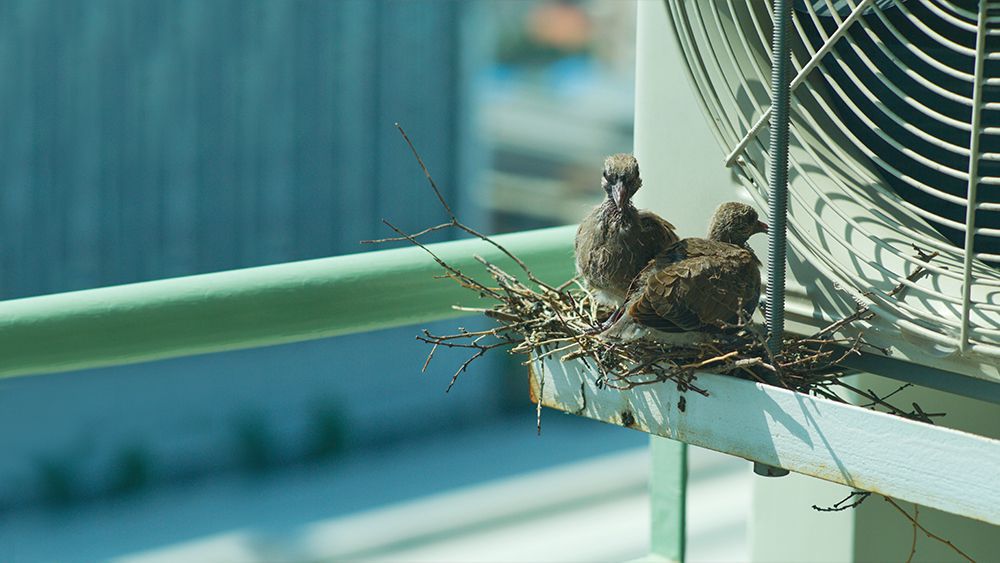
Image Source: cielowigle.com
Why Birds Are Drawn to Your AC Unit
Your air conditioner’s outdoor unit, often called the condenser unit, offers several features that can attract birds. These include:
- Shelter and Perching Spots: The fins and casing of the condenser unit provide a stable place for birds to rest, survey their surroundings, and escape predators or harsh weather.
- Warmth: Especially during cooler seasons, the residual warmth emitted by the unit can be an inviting feature for birds seeking comfort.
- Water Collection: In humid climates or after rain, water can collect on or around the unit, providing a much-needed water source for birds.
- Nesting Opportunities: The sheltered areas within and around the unit offer a safe, protected space for birds to build their nests, away from the elements and ground predators.
The Problems Caused by Birds on AC Units
Allowing birds to frequent your AC unit can lead to a host of issues, impacting both your comfort and your wallet:
Nuisance and Mess
Bird droppings are acidic and can corrode the metal components of your AC unit over time. They also create an unsightly mess that can be difficult to clean.
Reduced Efficiency
When birds build nests inside or around the condenser unit, they can obstruct airflow. This forces the unit to work harder to cool your home, leading to:
- Higher Energy Bills: The unit consumes more electricity to achieve the desired temperature.
- Overheating: Restricted airflow can cause the unit to overheat, potentially leading to premature failure of components.
Potential Damage and Costly Repairs
- Clogged Filters: Nesting materials can easily clog air filters, both external and internal, further hindering airflow.
- Blocked Fins: Twigs and nesting materials can get lodged in the condenser fins, preventing efficient heat exchange.
- Electrical Issues: Bird droppings can cause short circuits if they come into contact with electrical components. Nests made of flammable materials could also pose a fire risk.
- Damage to Fan Blades: Nesting materials or even birds themselves can interfere with the fan blades, causing damage or imbalance.
Effective Strategies for AC Unit Protection
Preventing birds from nesting and perching on your AC unit is key to maintaining its performance and longevity. Here are several effective strategies for AC unit protection:
1. Physical Barriers and Bird Proofing AC Solutions
One of the most direct ways to stop birds nesting is by physically preventing them from accessing the unit.
Air Conditioner Covers
Using an air conditioner cover is a popular and effective method. These covers are designed to protect the unit from weather when it’s not in use, but they can also be adapted for bird deterrent purposes.
-
When to Use Covers:
- During Off-Season: This is the primary use for AC covers. It protects the unit from rain, snow, debris, and yes, birds looking for a winter home.
- Strategic Use During Cooling Season: If you have a persistent problem, you might consider covers that allow for some airflow but still act as a deterrent. However, never use a completely sealed cover while the unit is operating, as this will cause severe damage due to lack of ventilation.
-
Types of Covers:
- Winter Covers: Typically made of heavy-duty, waterproof material. Ensure they have ventilation to prevent moisture buildup.
- Mesh Covers: Some covers are made of mesh or have openings. These can deter birds from landing directly on the unit while still allowing for some airflow.
- Custom-Made Covers: For a perfect fit and targeted protection, you might consider a custom cover.
Bird Netting
Installing bird netting around the AC unit can create an effective barrier.
- How to Install:
- Secure Frame: Build a simple frame around the unit using stakes or poles.
- Stretch Netting: Stretch sturdy, UV-resistant bird netting tightly over the frame.
- Avoid Sagging: Ensure the netting is taut to prevent birds from getting entangled.
- Leave Clearance: Leave enough space between the netting and the unit to allow for proper airflow. The netting should not touch the condenser.
Wire Cages or Grids
Similar to netting, a sturdy wire cage or grid can be placed around the unit.
- Material Choice: Use galvanized steel or a similar durable, weather-resistant material.
- Mesh Size: The mesh openings should be small enough to prevent birds from entering but large enough not to significantly impede airflow.
- Installation: Ensure the cage is securely anchored and does not touch the moving parts of the AC unit.
2. Deterrents That Annoy Birds
These methods aim to make your AC unit an unpleasant place for birds to be.
Bird Spikes
Bird spikes are strips of metal or plastic with sharp points that can be installed on surfaces where birds like to perch.
- Placement: Attach spikes to the top edges and sides of the AC unit casing.
- Effectiveness: Spikes make it uncomfortable or impossible for birds to land, thus preventing them from perching.
- Considerations: Ensure the spikes are securely fastened and do not pose a hazard to humans or pets.
Reflective and Moving Deterrents
Birds are often startled by shiny, moving objects.
- Myваr Tape (Reflective Tape): This holographic tape flashes and rustles in the wind, disorienting birds.
- Application: Wrap strips of mylar tape around the AC unit or tie lengths of it to nearby supports.
- Reapplication: The effectiveness can decrease over time as birds get used to it, so periodic repositioning or replacement might be necessary.
- Shiny Objects: Old CDs, foil strips, or small mirrors can be hung near the unit to create flashing light.
- Predator Decoys: Plastic owls, hawks, or snakes can deter birds. However, their effectiveness is often temporary as birds can learn they are not real threats. Move them around regularly for better results.
Sonic and Ultrasonic Bird Repellents
These devices emit sounds to scare birds away.
- Sonic Devices: Emit natural predator sounds or distress calls of birds.
- Ultrasonic Devices: Emit high-frequency sounds that are generally inaudible to humans but irritating to birds.
- Placement: Position these devices strategically to cover the AC unit area.
- Effectiveness: Can be effective, but birds may habituate to constant sounds. Intermittent or varied sound patterns are usually better. Check local regulations, as some devices can affect pets.
3. Natural Bird Repellents
Some natural substances are believed to deter birds.
- Essential Oils: Certain essential oils, like peppermint, citronella, or eucalyptus, are thought to be unpleasant to birds.
- Application: Mix a few drops with water and spray around the unit. Be cautious not to spray directly onto electrical components.
- Reapplication: Needs frequent reapplication, especially after rain.
- Chili Pepper Spray: Birds are said to dislike spicy tastes.
- Preparation: Mix cayenne pepper or chili powder with water and a drop of dish soap.
- Application: Spray on surfaces birds frequent.
- Caution: Avoid contact with eyes and skin. Reapply frequently.
4. Environmental Modifications
Sometimes, changing the environment around your AC unit can make it less appealing to birds.
- Remove Food Sources: If there are bird feeders or other food sources nearby, consider relocating them.
- Trim Vegetation: Overhanging branches or dense shrubbery close to the AC unit can provide easy access and cover for birds. Trimming these can make the area less attractive.
- Water Management: Ensure there are no standing water sources near the unit, as this can attract birds.
5. Avian Exclusion and Professional Help
For persistent problems or if you’re unsure about DIY methods, consider professional solutions.
- Avian Exclusion Specialists: These professionals can assess your specific situation and implement tailored solutions, such as specialized caging or deterrent systems.
- Professional Cleaning: If nests are already present, it’s best to have them removed by a professional who can safely and effectively clean the unit.
Step-by-Step Guide to Bird Proofing Your AC Unit
Here’s a practical, step-by-step approach to implementing AC unit protection:
-
Inspect Your AC Unit:
- Check for Existing Nests or Damage: Before applying any deterrents, thoroughly inspect your unit for any signs of bird activity, nests, or damage. If nests are present, especially during nesting season (spring/summer), it’s crucial to check local wildlife laws regarding their removal. Often, you must wait until the young birds have left the nest.
- Identify Bird Dropping Areas: Note where birds are frequently perching or leaving droppings. This helps you target your deterrents effectively.
-
Clean the Unit:
- Safety First: Ensure the AC unit is turned OFF and disconnected from the power source.
- Remove Debris: Carefully remove any twigs, leaves, or nesting materials.
- Wash Droppings: Use a hose with gentle pressure and a mild detergent or a specialized bird dropping cleaner to remove droppings. Be sure to wear gloves and a mask, as bird droppings can carry diseases.
- Rinse Thoroughly: Rinse all cleaning solutions off the unit.
-
Choose Your Deterrent Methods:
- Consider Your Needs: Think about the severity of the problem, your budget, and the aesthetic impact. A combination of methods often yields the best results.
- Prioritize Airflow: Always ensure any barrier or deterrent you choose does not impede the unit’s ability to breathe. Restricted airflow is a primary cause of AC damage.
-
Implement Physical Barriers:
- AC Covers: If it’s off-season, put on a protective, breathable cover. If you need to deter birds during operation, consider specialized mesh covers or ensuring the unit is adequately protected with other means.
- Netting or Cages: Install bird netting or a wire cage around the unit, ensuring there’s ample clearance for airflow and maintenance access.
-
Apply Bird Repellents:
- Spikes: Affix bird spikes to ledges and edges where birds typically land.
- Reflective/Moving Deterrents: Hang mylar tape, shiny objects, or other visual deterrents in the vicinity.
- Sonic Devices: Place sonic or ultrasonic devices nearby, ensuring they are powered and positioned to cover the target area.
-
Maintain and Monitor:
- Regular Checks: Periodically check your AC unit for new signs of bird activity or if deterrents need repositioning or replacing.
- Cleanliness: Keep the area around the unit clean to discourage birds.
- Adjustments: Be prepared to adjust your strategies if the birds adapt to your initial deterrents.
Table: Comparing Bird Deterrent Methods
| Method | Effectiveness | Cost | Installation Difficulty | Aesthetic Impact | Potential Drawbacks |
|---|---|---|---|---|---|
| AC Covers (Off-Season) | High (when unit is off) | Low-Medium | Easy | Minimal | Cannot be used while unit is operating (unless specific design) |
| Bird Netting | High | Medium | Medium | Moderate | Can obstruct airflow if not installed correctly; potential entanglement |
| Wire Cages | High | Medium-High | Medium | Moderate-High | Can obstruct airflow; may require professional installation |
| Bird Spikes | High for perching, moderate for nesting | Low-Medium | Easy | Low | Can be unsightly; birds may nest underneath |
| Mylar Tape/Reflectors | Moderate (birds can habituate) | Low | Easy | Low | Requires frequent replacement/repositioning |
| Sonic/Ultrasonic | Moderate-High (birds can habituate) | Medium-High | Easy | Low | Potential impact on pets; birds may get used to sound |
| Natural Repellents | Low-Moderate (temporary, requires frequent reapplication) | Low | Easy | Minimal | Inconsistent effectiveness; needs frequent reapplication |
Frequently Asked Questions (FAQ)
Q1: Can birds damage my air conditioner?
A1: Yes, birds can cause damage. Their droppings are acidic and corrosive. Nests can block airflow, leading to overheating and reduced efficiency, which can cause mechanical stress. Nesting materials can also obstruct fan blades.
Q2: Is it safe to remove bird nests from my AC unit?
A2: It depends on your location and the time of year. Many regions have laws protecting nesting birds and their eggs or young. It’s best to check local wildlife regulations. If you must remove a nest outside of nesting season, do so carefully and wear protective gear. For active nests, wait until the young birds have flown.
Q3: Will bird spikes hurt the birds?
A3: Properly installed bird spikes are designed to make surfaces uncomfortable for birds to land on, rather than to injure them. They create a physical deterrent. Ensure they are installed correctly to avoid causing harm.
Q4: Can I use a tarp to cover my AC unit during the summer to keep birds away?
A4: No, you should never cover your AC unit with a tarp while it is operating. This will severely restrict airflow, causing the unit to overheat and potentially leading to expensive damage. Use only breathable covers designed for AC units, and typically only during the off-season or with specific designs that allow for operational airflow.
Q5: How often do I need to reapply bird repellents like chili spray or essential oils?
A5: These natural repellents are not very persistent. They need to be reapplied frequently, often every few days or after rain, to maintain their effectiveness. Their overall effectiveness is generally lower compared to physical barriers.
Q6: Are ultrasonic bird repellers harmful to humans or pets?
A6: Ultrasonic repellers emit sounds at frequencies that are generally inaudible to humans. However, some pets, like dogs and cats, may be sensitive to these frequencies and could be bothered by them. It’s advisable to monitor your pets’ behavior and consult with a veterinarian if you have concerns.
Q7: What is the best time of year to bird proof my AC unit?
A7: The best time to bird proof your AC unit is generally in the fall or early spring, before birds begin their nesting season. However, if you have an ongoing problem with birds perching on your unit, you can implement deterrents at any time of year. Cleaning the unit and applying deterrents before nesting season is ideal for preventing future problems.
Conclusion
Keeping birds away from your air conditioner is crucial for maintaining its efficiency and preventing costly repairs. By understanding why birds are attracted to your unit and implementing a combination of physical barriers, deterrents, and good maintenance practices, you can effectively achieve AC unit protection. From air conditioner covers during the off-season to bird spikes and netting, there are numerous solutions to deter avian visitors and stop birds nesting. Consistent effort and a proactive approach to bird proofing AC systems will ensure your air conditioner operates smoothly and efficiently for years to come, saving you money and keeping your home comfortable.