
If your air conditioner (AC) isn’t cooling enough, can you make it colder? Yes, in many cases, you can improve your AC’s cooling performance to make it blow colder air, especially if the issue stems from simple maintenance or setting adjustments. This guide will help you diagnose and fix common problems, boost cooling and make your AC blow colder.
The summer heat can be unbearable, and a poorly performing air conditioner can turn your home into a sauna. When your AC isn’t cooling enough, it’s frustrating and uncomfortable. You might be asking yourself, “How do I make my air conditioner colder?” or “Can I increase my AC cooling power?” The good news is that often, you can take steps to improve your AC’s efficiency and make it blow colder air. This guide will walk you through various methods to boost your AC’s performance and tackle common AC cooling problems. We’ll cover everything from simple DIY fixes to when it’s time to call a professional to tune up your AC for cold air.
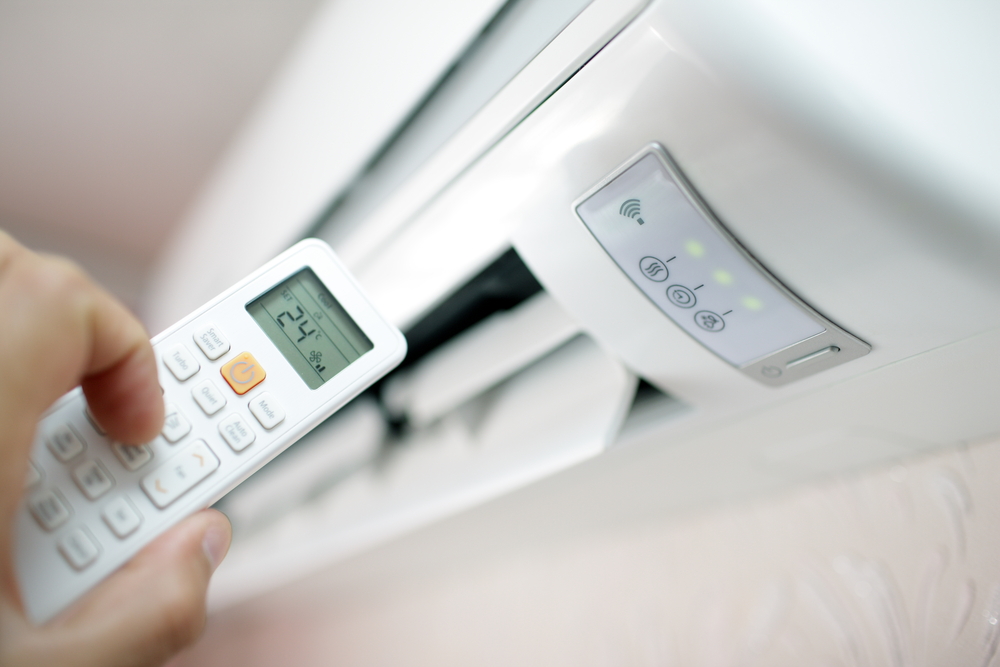
Image Source: www.electricrate.com
Common Reasons Your AC Isn’t Cooling Enough
Before we dive into solutions, let’s explore why your AC might be struggling to keep your home cool. Identifying the root cause is the first step to fixing your AC weak cooling.
Dirty Air Filters
A clogged air filter is one of the most common culprits behind an AC not cooling enough. The filter’s job is to trap dust, dirt, and other airborne particles. When it gets too full, it restricts airflow. This means less cool air reaches your rooms, and your AC has to work harder. This reduced airflow can also cause the evaporator coil to freeze up, further hindering its cooling ability.
Blocked Vents and Registers
Just like a dirty filter, blocked vents and registers prevent cool air from circulating properly throughout your home. Furniture, curtains, or even rugs can obstruct these openings. Ensure all vents are open and clear of any obstructions.
Refrigerant Leaks
Refrigerant (often called Freon) is the substance that absorbs heat from your home’s air. If there’s a leak in the system, the AC won’t have enough refrigerant to cool effectively. A low refrigerant level often results in AC blowing warm air. This is a more serious issue that requires professional attention.
Dirty Evaporator and Condenser Coils
Your AC has two sets of coils: the evaporator coil (inside) and the condenser coil (outside).
* Evaporator Coils: These coils absorb heat from the indoor air. If they become dirty or icy, they can’t absorb heat efficiently, leading to AC blowing warm air.
* Condenser Coils: These coils release the heat absorbed from your home into the outside air. If they are covered in dirt, grass clippings, or other debris, they can’t dissipate heat effectively, causing the system to overheat and cool poorly.
Thermostat Issues
A faulty thermostat can lead to inaccurate temperature readings, making your AC cycle on and off incorrectly or not at all. Ensure your thermostat is set to “Cool” and the temperature is set lower than the current room temperature. Also, check if the batteries need replacing.
Drainage Problems
Your AC removes moisture from the air as it cools. This water typically drains away through a condensate drain line. If this line gets clogged with algae or debris, water can back up, triggering a safety switch that shuts off the AC to prevent water damage.
Undersized AC Unit
If your AC unit is too small for your home’s square footage, it will struggle to keep up, especially on hot days. It will run constantly but may never reach your desired temperature, making you feel like your AC isn’t cooling enough.
Old or Failing AC Unit
Like any appliance, AC units have a lifespan. As they age, their efficiency can decrease, and components may start to fail, leading to AC blowing warm air or weak cooling.
How to Make Your Air Conditioner Colder: Practical Solutions
Now that we’ve identified common problems, let’s explore how to make your air conditioner colder and boost its cooling power.
1. Clean or Replace Your Air Filter Regularly
This is the most crucial and easiest step you can take to improve your AC’s cooling.
How Often to Change Your Filter
- Standard pleated filters: Replace every 1-3 months.
- Fiberglass filters: Replace every month.
- Washable filters: Clean according to manufacturer instructions, usually every 1-3 months.
Steps to Change Your Air Filter:
- Turn off the AC: Always turn off your AC at the thermostat or breaker before changing the filter to prevent damage or injury.
- Locate the filter: It’s usually in the return air grille in a wall or ceiling, or in the furnace or air handler itself.
- Note the airflow direction: Most filters have an arrow indicating the direction of airflow. Make sure the new filter is installed in the correct direction.
- Remove the old filter: Slide it out gently.
- Install the new filter: Slide the new filter into place, ensuring it’s snug and the airflow arrow is pointing correctly.
- Turn the AC back on: Restore power and check if the airflow feels stronger.
2. Clear Blocked Vents and Registers
Take a walk around your home and ensure all supply and return air vents are clear.
- Move furniture away from vents.
- Trim plants or curtains that might be blocking them.
- Ensure rugs or carpets aren’t covering return air grilles.
3. Clean Your Outdoor Condenser Unit
The condenser unit sits outside and needs to be free of obstructions to release heat effectively.
Steps to Clean the Condenser Unit:
- Turn off power: Shut off the power to the outdoor unit at the breaker box. This is a crucial safety step.
- Clear debris: Remove any leaves, grass, twigs, or other debris from around and on top of the unit. Use a broom or leaf blower.
- Straighten fins: The fins on the outside of the unit can bend, restricting airflow. You can gently straighten them using a fin comb, available at hardware stores. Be careful not to damage them.
- Wash the coils: Use a garden hose with a spray nozzle to gently wash the exterior of the coils. Spray from the inside out if possible, or from top to bottom. Avoid using high-pressure washers, as they can damage the fins. You can also use a special coil cleaner spray, following the product’s instructions.
- Restore power: Once the unit is dry, turn the power back on at the breaker.
4. Check and Clean the Evaporator Coil
The evaporator coil is located inside your home, typically in the air handler or furnace. A dirty evaporator coil significantly reduces cooling efficiency.
How to Clean the Evaporator Coil:
- Turn off power: Again, safety first! Turn off the power to your AC system.
- Locate the coil: It’s usually behind a panel in your air handler. You might need to remove ductwork or access panels. If you’re unsure, consult your AC manual or a professional.
- Inspect the coil: Look for dust, grime, or signs of mold. If it’s icy, this indicates a deeper problem like low refrigerant or poor airflow.
- Clean the coil: You can use a soft brush or a vacuum with a brush attachment to gently remove loose debris. For tougher grime, use a no-rinse evaporator coil cleaner spray. Follow the product instructions carefully, ensuring good ventilation.
- Check the condensate drain line: While you’re there, locate the condensate drain line and ensure it’s not clogged. You can often clear minor clogs with a wet/dry vacuum or by flushing it with a vinegar-water solution.
- Reassemble and restore power: Close up the access panels and turn the power back on.
5. Adjust Your Thermostat Settings for Optimal Cooling
The way you use your thermostat can impact how cold your AC makes your home.
Tips for Thermostat Use:
- Set it and forget it: Avoid constantly changing the temperature. Set it to a comfortable level and let the AC maintain it.
- Don’t set it too low: Setting the thermostat much lower than the desired temperature won’t make your AC cool faster; it will just make the unit run longer and potentially freeze up or waste energy. Aim for a gradual decrease in temperature.
- Use a programmable or smart thermostat: These allow you to set schedules to automatically adjust the temperature when you’re away or sleeping, saving energy and ensuring comfort when you need it.
- Keep the “Cool” mode selected: Ensure your thermostat is set to “Cool” and not “Fan Only.”
6. Seal Air Leaks and Improve Insulation
Leaks in your home’s envelope can let cool air escape and hot air enter, making your AC work harder.
Areas to Check for Leaks:
- Windows and doors: Use caulk or weatherstripping to seal gaps.
- Attic hatches: Ensure they seal tightly.
- Electrical outlets and switch plates: Use foam gaskets behind the plates.
- Ductwork: Seal any holes or gaps in your ductwork with mastic sealant or specialized foil tape. Leaky ducts can lose a significant amount of cooled air.
7. Improve Ductwork Efficiency
Your ductwork plays a vital role in delivering cool air.
Ductwork Improvements:
- Insulate ducts: If your ducts run through unconditioned spaces like attics or crawl spaces, insulating them can prevent cool air from being lost to the surrounding heat.
- Seal duct leaks: As mentioned above, sealing leaks is crucial. Consider having your ducts professionally inspected and sealed.
8. Consider a Professional AC Tune-Up
If you’ve tried the DIY methods and your AC is still not cooling enough, it’s time to call a professional HVAC technician. A tune-up can address more complex issues and help boost AC performance.
What a Professional Tune-Up Includes:
- Checking refrigerant levels: Ensuring the correct amount of refrigerant is present and looking for leaks.
- Cleaning coils: Professional cleaning of both evaporator and condenser coils.
- Inspecting electrical connections: Ensuring all connections are secure and functional.
- Lubricating moving parts: Keeping the fan motor and other components running smoothly.
- Checking thermostat calibration: Verifying accurate temperature readings.
- Inspecting the condensate drain: Clearing any blockages.
- Testing overall system performance: Ensuring all components are working efficiently.
When to Call a Professional to Fix AC Weak Cooling
Some AC cooling problems are beyond the scope of DIY fixes. If you notice any of the following, it’s best to schedule service with a qualified HVAC technician:
Signs You Need Professional Help:
- AC Blowing Warm Air Consistently: This often indicates a refrigerant issue or a problem with the compressor or fan motor.
- Strange Noises: Grinding, squealing, or banging sounds from your AC unit can signal internal mechanical problems.
- Ice Buildup: Ice on the evaporator coil or refrigerant lines is a clear sign of a problem, often low refrigerant or restricted airflow.
- Frequent Cycling: The AC turns on and off very rapidly (short cycling).
- High Energy Bills: If your bills have increased significantly without a change in usage, your AC may be running inefficiently.
- Water Leaks: Significant water leaks around the unit could indicate a more serious drain line blockage or internal issue.
- The Unit Doesn’t Turn On: This could be an electrical issue, a tripped breaker, or a thermostat problem that requires professional diagnosis.
- You Suspect a Refrigerant Leak: Refrigerant is a chemical and should only be handled by trained professionals.
Troubleshooting Common AC Cooling Problems
Let’s address some specific scenarios you might be facing when trying to make your air conditioner colder.
Scenario: My AC is Running, But It’s Not Cold Enough
- Check the thermostat: Is it set to “Cool” and a temperature below the room’s current temperature?
- Check the air filter: Is it dirty? If so, replace it.
- Inspect vents: Are they open and unobstructed?
- Clean the outdoor unit: Is it covered in debris?
- Listen to the outdoor unit: Is the fan running? Is the compressor humming? If not, there might be an electrical issue or a component failure.
Scenario: My AC is Blowing Weakly
- Dirty air filter: This is the most common cause of weak airflow.
- Blocked vents: Ensure all vents are open and clear.
- Ductwork issues: Leaky or collapsed ducts can reduce airflow.
- Dirty evaporator coil: This can restrict airflow.
Scenario: My AC Turns On and Off Frequently (Short Cycling)
- Dirty air filter: A clogged filter can cause the system to overheat and shut down.
- Overheating: The outdoor unit may be dirty or have restricted airflow, causing it to overheat.
- Undersized unit: If the unit is too small for the space, it might struggle to reach the set temperature, leading to frequent cycling.
- Thermostat placement: If the thermostat is in direct sunlight or near a heat source, it might be reading an artificially high temperature.
Increasing AC Cooling Power: A Summary Table
| Action | Impact on Cooling | Difficulty Level |
|---|---|---|
| Clean/Replace Air Filter | Improves airflow, allows efficient heat exchange | Easy |
| Clear Blocked Vents/Registers | Ensures proper air distribution | Easy |
| Clean Outdoor Condenser Unit | Allows efficient heat dissipation | Easy-Medium |
| Clean Evaporator Coil | Improves heat absorption | Medium-Hard |
| Check/Clear Condensate Drain Line | Prevents system shutdown due to water backup | Easy-Medium |
| Seal Air Leaks Around Home | Prevents cool air loss and hot air entry | Medium |
| Insulate Ductwork | Prevents cool air loss in unconditioned spaces | Medium |
| Professional AC Tune-Up | Addresses complex issues, optimizes overall performance | Professional |
| Check Refrigerant Levels (Professional) | Crucial for heat absorption/transfer | Professional |
| Repair Leaky Ductwork (Professional) | Maximizes cool air delivery to rooms | Professional |
Frequently Asked Questions (FAQ)
Q1: How often should I change my AC filter to ensure my AC blows colder?
A1: For most standard pleated filters, it’s recommended to change them every 1 to 3 months. If you have pets or live in a dusty area, you might need to change it more frequently, perhaps every month.
Q2: Can I make my AC colder by setting the thermostat to its lowest setting?
A2: No, setting the thermostat to the lowest possible setting won’t make your AC cool your home faster. It will simply cause the AC to run continuously until that very low temperature is reached, potentially leading to over-cooling, energy waste, and even freezing up the evaporator coils, which would then cause your AC to blow warm air.
Q3: My AC is blowing warm air. What’s the first thing I should check to fix AC weak cooling?
A3: The very first thing to check is your air filter. A severely clogged filter can restrict airflow so much that it effectively stops the cooling process and can even cause the system to freeze. If the filter is clean, check the outdoor unit for obstructions or signs of damage.
Q4: Is it safe for me to clean the outdoor AC unit myself?
A4: Yes, cleaning the outdoor unit is generally safe for a homeowner to do, as long as you follow the crucial safety step of turning off the power to the unit at the breaker box before you begin. Be gentle when cleaning the coils and fins.
Q5: My AC is making a strange noise. What does that mean?
A5: Strange noises like grinding, squealing, or banging often indicate a mechanical problem. Grinding might suggest an issue with the fan motor bearings, while squealing could be a worn belt or a problem with the compressor. It’s best to turn off the AC and call a professional to diagnose and fix AC weak cooling issues related to noise.
Q6: How do I boost AC performance if I suspect a refrigerant leak?
A6: If you suspect a refrigerant leak, do not attempt to fix it yourself. Refrigerant is a regulated chemical and requires special equipment and licensing to handle. Contact a qualified HVAC technician immediately to have the leak detected, repaired, and the system recharged.
By following these steps, you can significantly improve your air conditioner’s ability to cool your home and make your AC blow colder air. Regular maintenance is key to preventing AC cooling problems and ensuring your system runs efficiently for years to come. If you’ve gone through these steps and are still experiencing issues, it’s always best to consult with a certified HVAC professional. They can perform a thorough inspection and tune-up AC for cold air, ensuring your system is operating at its peak performance.