
Can you cook shoulder steak in the oven for tender results? Absolutely! Cooking shoulder steak in the oven is a fantastic way to achieve incredibly tender and flavorful results, especially with tougher cuts. This guide will show you the best way to cook shoulder steak in the oven.
Beef shoulder steak, often called chuck steak, is a flavorful cut known for its rich marbling. While it can be tough if cooked improperly, the oven is your best friend for transforming it into a melt-in-your-mouth delight. We’ll explore everything from choosing the right cut to mastering the cooking process for truly tender shoulder steak.
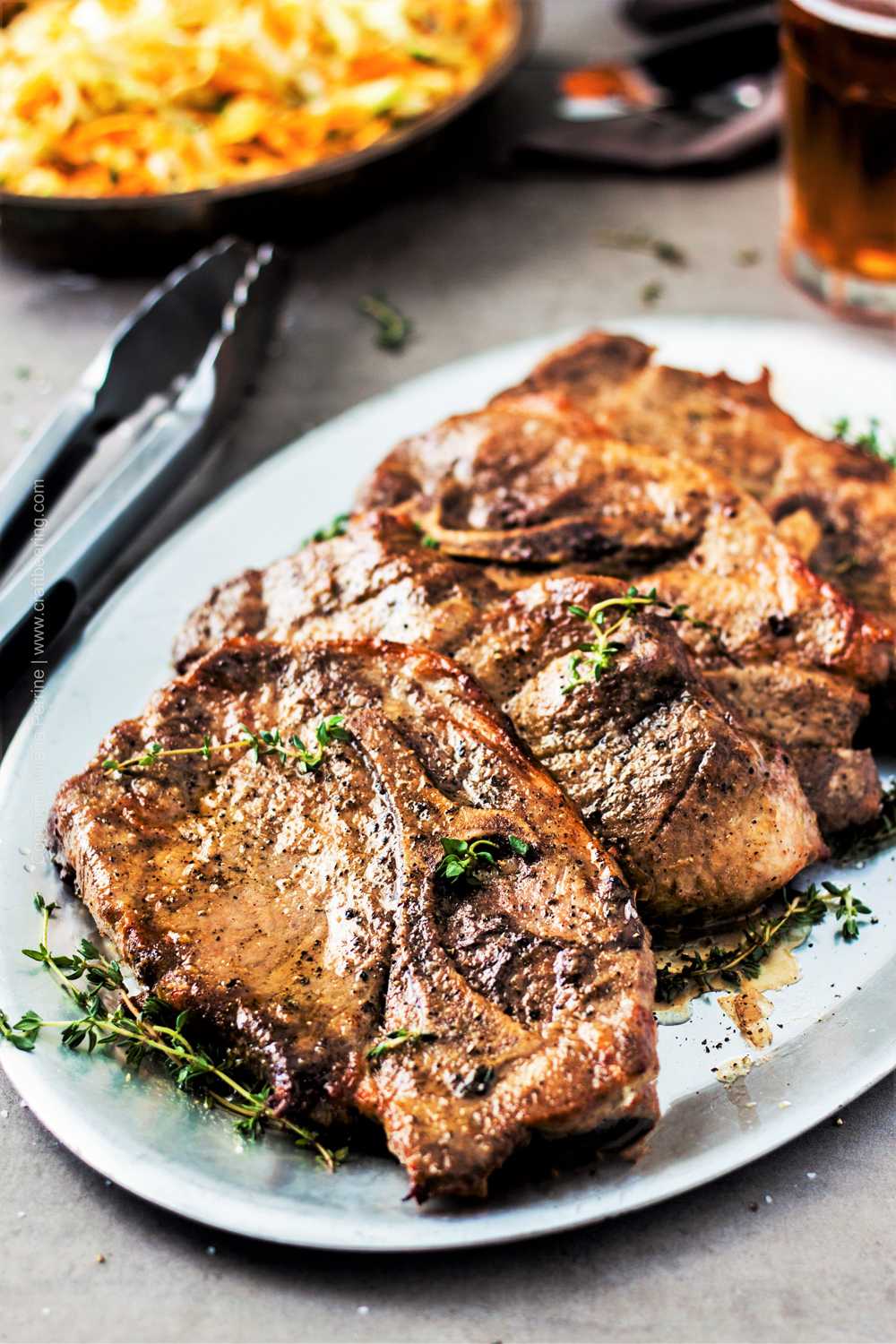
Image Source: www.craftbeering.com
Selecting the Best Beef Shoulder Steak
When you’re looking for the best shoulder steak for your oven adventure, think about what makes a cut ideal for slow, moist cooking.
What to Look For
- Marbling: This is the key to tenderness and flavor. Look for streaks of white fat running through the lean red meat. More marbling means a more succulent steak.
- Color: The meat should be a bright cherry red. Avoid steaks that look dull or brownish, as this can indicate it’s older or has been exposed to air for too long.
- Thickness: A thicker cut (at least 1 to 1.5 inches) is generally better for oven cooking. It allows the steak to cook through without drying out too quickly.
- Cut Location: Shoulder steak comes from the chuck primal. Cuts like the flat iron, teres major, and chuck eye steak are all excellent choices from this area.
Why Oven Cooking Works for Shoulder Steak
Oven cooking, particularly when employing moist-heat methods like braising or slow roasting, is ideal for shoulder steak because it helps break down the connective tissues. These tissues, which make the cut tougher, become gelatinous and tender with prolonged exposure to low, even heat and moisture. This process is crucial for making oven baked beef shoulder a success.
Preparing Your Shoulder Steak for the Oven
Proper preparation is vital for getting the most out of your shoulder steak. This includes trimming, seasoning, and potentially marinating.
Trimming Excess Fat and Silver Skin
While marbling is good, there’s such a thing as too much.
- Fat Caps: You can trim away very thick, hard fat caps. Leave a thin layer of fat (about 1/4 inch) to baste the meat as it cooks and add flavor.
- Silver Skin: This is a tough, connective membrane that won’t break down during cooking. Carefully trim it away with a sharp knife. Slide the knife blade under the silver skin and run it along the meat to peel it off.
Seasoning Generously
Salt and pepper are your basic building blocks, but don’t be afraid to get creative.
- The Classics: A good rub of coarse salt (like kosher salt) and freshly cracked black pepper is a must. Apply it generously on all sides.
- Beyond the Basics: Consider adding garlic powder, onion powder, paprika, dried herbs like rosemary or thyme, or even a touch of chili powder for a little heat.
- Dry Brining: For an extra layer of flavor and moisture retention, you can salt your steak generously and let it rest in the refrigerator, uncovered, for at least an hour, or even overnight. This process, known as dry brining, draws out moisture initially, then the salt dissolves and is reabsorbed, seasoning the meat deeper and tenderizing it.
Marinating Shoulder Steak for Oven Success
Marinating shoulder steak for oven cooking can significantly enhance its tenderness and flavor, especially since shoulder cuts benefit from extra help.
Benefits of Marinating
- Tenderness: Acidic ingredients like vinegar, lemon juice, or yogurt can help break down tough muscle fibers.
- Flavor Infusion: Marinades allow herbs, spices, and aromatics to penetrate the meat.
- Moisture: Marinades add moisture, which is crucial for keeping lean cuts from drying out.
Marinade Components
- Acid: Balsamic vinegar, red wine vinegar, lemon juice, lime juice.
- Oil: Olive oil, canola oil (helps carry flavors and keeps meat moist).
- Flavor: Garlic, onion, herbs (rosemary, thyme, parsley), soy sauce, Worcestershire sauce, Dijon mustard, spices (paprika, cumin, chili powder).
- Sweetener (optional): Honey, brown sugar (helps with browning and balances flavors).
Marinating Time
- For shoulder steak, marinate for at least 4 hours, but preferably 8-24 hours in the refrigerator. Ensure the steak is fully submerged or coated.
The Best Way to Cook Shoulder Steak in the Oven: Braising
When it comes to making shoulder steak exceptionally tender in the oven, how to braise shoulder steak is arguably the most effective method. Braising involves searing the meat first, then cooking it slowly in a liquid in a covered pot.
Why Braising is Ideal
Braising is a slow, moist-heat cooking method. The long cooking time at a lower temperature, combined with the liquid, gently breaks down the tough connective tissues in the shoulder steak, transforming it into succulent, fork-tender meat. This is a prime example of oven roasting tough cuts effectively.
The Braising Process: A Step-by-Step Guide
This roast beef shoulder recipe focuses on the braising technique.
Ingredients:
- 1-2 lbs beef shoulder steak
- 2 tablespoons olive oil or other cooking oil
- 1 large onion, chopped
- 2 carrots, peeled and chopped
- 2 celery stalks, chopped
- 3-4 cloves garlic, minced
- 1-2 cups beef broth or stock
- 1/2 cup red wine (optional, but recommended for flavor)
- 1-2 tablespoons tomato paste
- Herbs (e.g., 2 sprigs fresh rosemary, 2 sprigs fresh thyme, 1 bay leaf)
- Salt and freshly ground black pepper
Equipment:
- Heavy, oven-safe pot or Dutch oven with a lid
Instructions:
- Preheat Oven: Preheat your oven to 325°F (160°C).
- Prepare the Steak: Pat the shoulder steak dry with paper towels. Season generously with salt and pepper on all sides. If you marinated it, remove it from the marinade and pat it dry.
- Sear the Steak: Heat the olive oil in the Dutch oven over medium-high heat. Sear the steak on all sides until deeply browned. This step, called the Maillard reaction, builds essential flavor. Remove the steak from the pot and set aside.
- Sauté Aromatics: Add the chopped onion, carrots, and celery to the same pot. Cook, stirring occasionally, until softened, about 5-7 minutes. Add the minced garlic and tomato paste and cook for another minute until fragrant.
- Deglaze the Pot: Pour in the red wine (if using) and scrape the bottom of the pot with a wooden spoon to loosen any browned bits (fond). Let it simmer for a couple of minutes to reduce slightly.
- Add Liquid and Herbs: Pour in the beef broth. Make sure the liquid comes at least halfway up the sides of the steak. Add the fresh herbs (rosemary, thyme, bay leaf).
- Return Steak to Pot: Place the seared steak back into the pot, nestled among the vegetables. The liquid should mostly cover the steak. If not, add a little more broth or water.
- Cover and Braise: Cover the Dutch oven tightly with its lid. Transfer the pot to the preheated oven.
- Cooking Time: Braise for 2.5 to 4 hours. The beef shoulder steak cooking time will vary depending on the thickness and cut of the steak. The steak is done when it is fork-tender, meaning it easily pulls apart with a fork.
- Rest: Once tender, carefully remove the steak from the pot and let it rest on a cutting board for 10-15 minutes before slicing or shredding.
- Make the Sauce (Optional): While the steak rests, you can skim off excess fat from the braising liquid. If you prefer a thicker sauce, you can simmer the liquid on the stovetop to reduce it or thicken it with a cornstarch slurry (1 tablespoon cornstarch mixed with 2 tablespoons cold water). Strain out the vegetables if desired, or serve them with the steak.
Alternative Oven Method: Slow Roasting
If braising feels too involved, slow roasting is another excellent option for tender shoulder steak oven preparation. This method focuses on low, dry heat.
How Slow Roasting Works
Slow roasting at a low temperature allows the steak to cook gently and evenly, breaking down connective tissues without drying out.
Slow Roasting Steps
Ingredients:
- 1-2 lbs beef shoulder steak
- 2 tablespoons olive oil
- Salt, black pepper, and your favorite seasonings (garlic powder, onion powder, paprika, etc.)
Equipment:
- Baking sheet or oven-safe skillet
- Wire rack (optional, for better air circulation)
Instructions:
- Preheat Oven: Preheat your oven to 250°F (120°C). This low temperature is key for oven roasting tough cuts.
- Prepare the Steak: Pat the steak dry with paper towels. Rub it all over with olive oil and season generously with salt, pepper, and your chosen seasonings.
- Place on Rack: Place the steak on a wire rack set inside a baking sheet. This allows air to circulate around the steak. If you don’t have a rack, you can place it directly on the baking sheet.
- Roast: Place the baking sheet in the preheated oven.
- Beef Shoulder Steak Cooking Time: The cooking time will depend on the thickness of the steak. Aim for approximately 1 to 1.5 hours per pound, or until the internal temperature reaches your desired level of doneness. For fork-tender results (similar to braising), you’ll want to cook it until it reaches an internal temperature of around 195-205°F (90-96°C). Use a meat thermometer to check.
- Rest: Once cooked, remove the steak from the oven and let it rest for 15-20 minutes before slicing against the grain.
Flavoring Oven Baked Shoulder Steak
Regardless of the method, flavoring oven baked shoulder steak is where you can truly make it shine.
Enhancing Flavor Beyond Seasoning
- Aromatics: Place whole garlic cloves, sprigs of rosemary or thyme, or slices of onion around the steak in the baking dish or Dutch oven.
- Basting: Periodically baste the steak with its own juices or melted butter mixed with herbs and garlic during the cooking process for slow roasting.
- Sauces and Glazes: Consider a flavorful sauce to serve with the steak, such as a mushroom gravy, a red wine reduction, or a chimichurri sauce.
- Smoke Infusion (Indirectly): While not traditional oven baking, you could add a few wood chips to a smoker box within your oven for a subtle smoky flavor, though this is a more advanced technique.
- Umami Boost: Incorporate ingredients like soy sauce, Worcestershire sauce, anchovy paste, or dried mushrooms into your braising liquid or marinade to add a deep savory flavor.
Comparing Oven Cooking to Other Methods
When considering slow cooker shoulder steak vs oven, both have their merits, but the oven often provides better control over texture and browning.
Slow Cooker vs. Oven
| Feature | Slow Cooker | Oven (Braising/Slow Roasting) |
|---|---|---|
| Tenderness | Excellent, can become very tender. | Excellent, especially with braising. |
| Browning | Limited; requires searing beforehand. | Excellent; searing is a standard step for braising. |
| Texture | Can sometimes become mushy if overcooked. | More control over texture, less risk of mushiness. |
| Flavor | Concentrated flavors from moist cooking. | Can achieve deeper flavor complexity through searing. |
| Convenience | “Set it and forget it” for long periods. | Requires oven monitoring but still relatively hands-off. |
| Energy Use | Generally lower energy consumption. | Higher energy consumption. |
For shoulder steak, oven braising allows you to achieve a beautiful sear that the slow cooker cannot replicate. This sear is crucial for developing rich flavors. While a slow cooker will yield tender results, the oven offers a more nuanced cooking experience.
Temperature and Timing for Tender Results
The beef shoulder steak cooking time is less about hitting an exact temperature and more about achieving tenderness. However, internal temperature is a good indicator.
Target Internal Temperatures for Tenderness
- 195-205°F (90-96°C): This is the range where connective tissues have fully broken down, resulting in very tender, shreddable meat, ideal for braising.
- 170-185°F (77-85°C): Suitable for tender, sliceable roast beef shoulder, but might still have a slight chew compared to the higher range.
Adjusting for Thickness and Oven Variations
- Thicker Steaks: Will require longer cooking times.
- Thinner Steaks: Will cook faster.
- Oven Accuracy: Ovens can vary in temperature. An oven thermometer can help ensure your oven is calibrated correctly.
- Doneness Test: Always rely on the fork-tender test rather than just time or temperature for the ultimate tenderness.
Serving Your Perfectly Cooked Shoulder Steak
Once your shoulder steak is cooked to perfection, how you serve it makes all the difference.
Slicing and Serving
- Against the Grain: Always slice against the grain for maximum tenderness. Look for the direction the muscle fibers are running and cut perpendicular to them.
- Shredding: For braised steak, you can often shred it easily with two forks.
- Sauce: Drizzle with your pan sauce or serve with your favorite gravy.
Delicious Pairings
- Mashed potatoes
- Roasted root vegetables
- Crusty bread for soaking up juices
- A simple green salad
Frequently Asked Questions (FAQ)
How long does shoulder steak take to cook in the oven?
The beef shoulder steak cooking time in the oven varies greatly depending on the method and thickness. For braising at 325°F (160°C), expect 2.5 to 4 hours. For slow roasting at 250°F (120°C), it might take 1 to 1.5 hours per pound, aiming for an internal temperature of around 195-205°F (90-96°C) for maximum tenderness.
Can I just roast shoulder steak without braising?
Yes, you can slow roast shoulder steak without braising. The key is to use a low oven temperature (like 250°F or 120°C) and cook it until it’s fork-tender, which might take several hours. This method relies on dry heat and time to break down connective tissues.
Why is my shoulder steak tough after cooking?
If your shoulder steak is tough, it’s likely due to one of these reasons:
- Cooked too quickly: Tougher cuts need low and slow cooking to break down connective tissue.
- Not cooked long enough: It may not have reached the tenderization point.
- Cooked past its prime moisture point: While tough cuts need long cooking, there’s a sweet spot. Overcooking can still dry out meat.
- Sliced with the grain: Always slice against the grain.
Is shoulder steak good for oven roasting?
Yes, shoulder steak is excellent for oven roasting tough cuts when done correctly, particularly using braising or slow roasting methods. Its natural toughness is transformed into tenderness and rich flavor with the right approach.
Should I marinate shoulder steak for the oven?
Yes, marinating shoulder steak for oven cooking is highly recommended. It helps to tenderize the meat and infuse it with flavor, which is especially beneficial for this cut.
Conclusion
Cooking shoulder steak in the oven is a rewarding culinary experience that transforms a potentially tough cut into a tender, flavorful masterpiece. Whether you choose the rich, moist environment of braising or the gentle approach of slow roasting, the key is patience and low, slow heat. By following these steps, from selecting the right steak to mastering the cooking process, you’ll consistently achieve succulent results. So next time you see a beautiful piece of beef shoulder steak, don’t shy away – embrace the oven and prepare for some of the most tender, delicious beef you’ve ever cooked.