
Can you keep cooked meatballs in the fridge for up to 4 days? Yes, generally, you can safely store cooked meatballs in the refrigerator for about 3 to 4 days. This guide will help you figure out the best way to store your delicious meatballs and how long they will stay fresh and safe to eat. We’ll cover everything from raw meatballs to leftovers, helping you make the most of your culinary creations.
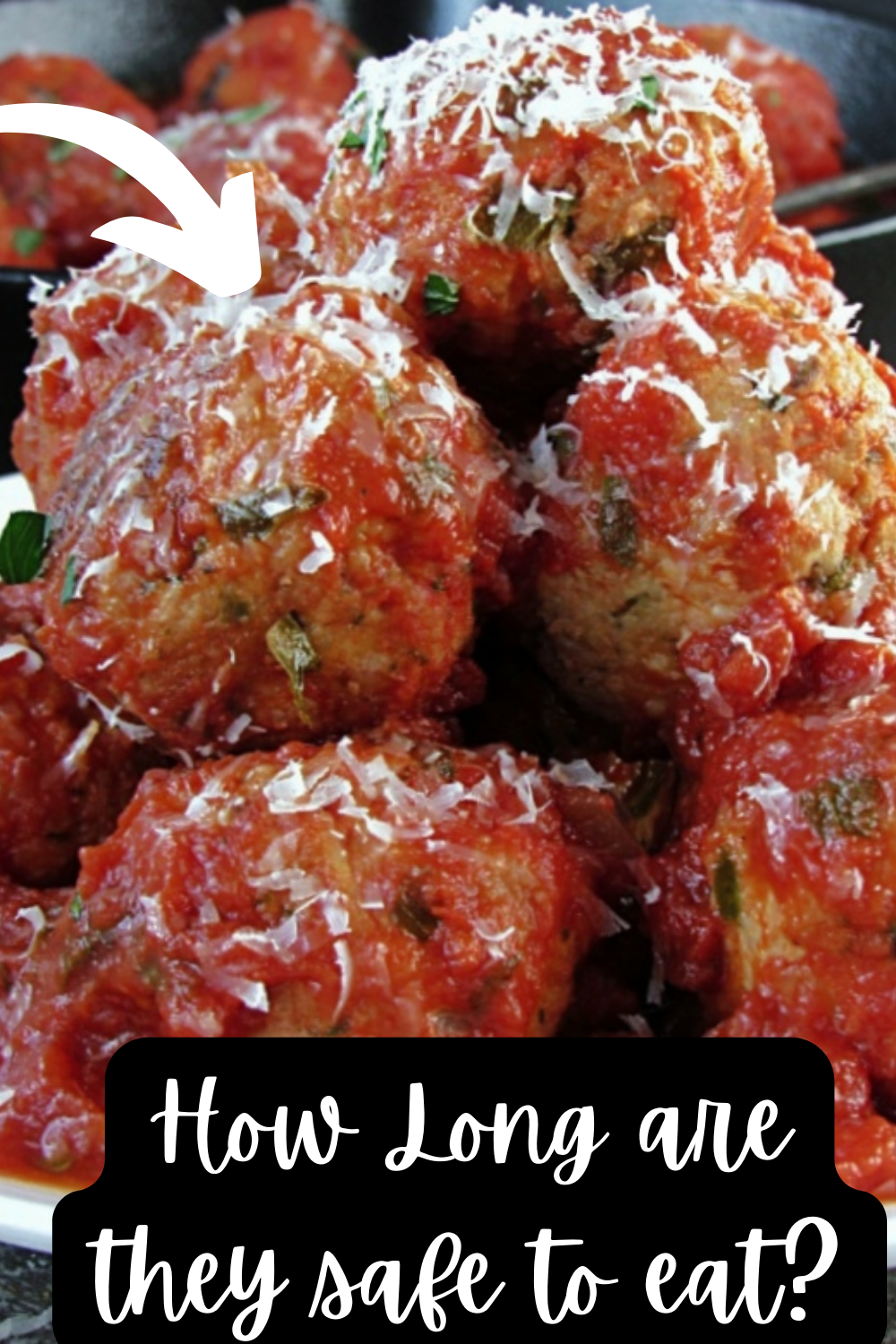
Image Source: www.agoudalife.com
The Lifespan of Meatballs: A Deep Dive into Fridge Storage
Deciding how long your meatballs will last in the fridge is crucial for both food safety and taste. Like any food, meatballs can go bad if not stored properly. This guide will help you navigate the shelf life of your favorite meatballs, whether they are freshly made or leftovers. We’ll look at meatball refrigeration time for both cooked and raw versions, helping you make informed decisions in your kitchen.
Raw Meatballs Fridge Duration: Keeping Them Fresh Before Cooking
When you’ve made a batch of raw meatballs, you might wonder about their raw meatballs fridge duration. It’s important to store them correctly to prevent bacterial growth.
- General Rule: Raw meatballs, like other raw ground meat products, are best used within 1 to 2 days of preparation.
- Why the Short Time? Ground meat has more surface area exposed to air, making it more susceptible to bacteria. The mixing process can also introduce bacteria from different parts of the meat.
- Proper Storage: To maximize their fridge life, always store raw meatballs in an airtight container or wrap them tightly in plastic wrap or foil. Place them on a plate or tray at the bottom of your refrigerator to catch any potential leaks and prevent cross-contamination with other foods.
- Freezing Option: If you don’t plan to cook them within 1-2 days, freezing is a much safer option.
Cooked Meatballs Fridge Life: Savoring Those Leftovers
Once your meatballs are cooked, they have a slightly longer, but still limited, window for safe consumption from the fridge. This relates to cooked meatballs fridge life and refrigerating cooked ground meat in general.
- The 3-4 Day Guideline: Most food safety authorities recommend consuming cooked meatballs within 3 to 4 days of cooking. This applies to meatballs cooked thoroughly and cooled quickly.
- Cooling Matters: After cooking, it’s essential to cool meatballs rapidly. Leaving them at room temperature for too long can allow bacteria to multiply. Aim to refrigerate them within two hours of cooking.
- Storage is Key: Store cooled cooked meatballs in an airtight container. This prevents them from drying out and also protects them from absorbing odors from other foods in the fridge.
- Reheating Safely: When you reheat meatballs, ensure they reach an internal temperature of 165°F (74°C) to kill any potential bacteria.
Homemade Meatballs Shelf Life: Factors Affecting Freshness
The homemade meatballs shelf life can vary based on several factors beyond just whether they are raw or cooked.
- Ingredients: The type of meat used (beef, pork, chicken, turkey) can influence how long they last. Fatty meats might spoil slightly faster than leaner ones. The inclusion of dairy or eggs in the mixture also plays a role.
- Cooking Method: How thoroughly the meatballs are cooked affects their longevity. Undercooked meatballs are riskier to store.
- Cooling Speed: As mentioned, fast cooling is vital. Letting cooked meatballs sit out too long is a major factor in reducing their safe storage time.
- Refrigerator Temperature: A consistently cold refrigerator (at or below 40°F or 4°C) is essential for slowing bacterial growth.
Leftover Meatballs Storage: Best Practices for Quality and Safety
Proper leftover meatballs storage is not just about safety; it’s also about maintaining the best possible flavor and texture.
- Airtight Containers are Your Friend: Always use airtight containers or heavy-duty aluminum foil to store leftover meatballs. This prevents them from drying out, absorbing fridge odors, and becoming freezer burn if you decide to freeze them later.
- Separate from Sauces (Sometimes): If your meatballs are in a heavy sauce, consider storing the meatballs and sauce separately if possible, especially if you plan to use them in different ways later. However, for general fridge storage, keeping them together in a sealed container is usually fine.
- Don’t Crowd the Fridge: Overcrowding your refrigerator can impede airflow, leading to inconsistent temperatures. Ensure there’s enough space for cold air to circulate around your stored meatballs.
How to Store Meatballs: A Comprehensive Approach
Knowing how to store meatballs correctly is the foundation of food safety.
-
For Raw Meatballs:
- Place on a plate or in a container to catch drips.
- Wrap tightly in plastic wrap or place in a sealed bag/container.
- Store on the bottom shelf of the refrigerator.
- Use within 1-2 days.
-
For Cooked Meatballs:
- Allow to cool sufficiently but not for more than two hours at room temperature.
- Place in an airtight container.
- Refrigerate promptly.
- Consume within 3-4 days.
-
For Freezing (Raw or Cooked):
- Wrap individual meatballs or small batches tightly in plastic wrap.
- Place wrapped meatballs in a freezer-safe bag or container.
- Label with the date.
- Raw meatballs can be frozen for 3-4 months.
- Cooked meatballs can be frozen for 2-3 months for best quality.
Deciphering Meatball Spoilage Signs: When to Toss Them
It’s essential to be able to identify meatball spoilage signs. Trust your senses – sight, smell, and even touch can tell you if your meatballs are no longer safe to eat.
Visual Cues of Spoilage
- Color Change: Fresh cooked meatballs typically have a brownish or grayish hue. If you notice a significant green, gray, or slimy film developing on the surface, it’s a clear sign of spoilage. Raw meatballs will also change color from a healthy pinkish-red to a duller, sometimes grayish, color.
- Slimy Texture: If the meatballs feel unusually slimy or sticky to the touch, even after being cooked, this is a strong indicator of bacterial growth.
Olfactory Indicators of Spoilage
- Off Smell: The most common indicator is an unpleasant odor. Fresh meatballs have a mild smell, or no smell at all. If you detect a sour, ammonia-like, or generally “off” smell, discard them immediately. This smell is a result of bacterial byproducts.
Textural Clues
- Mushy or Crumbly: While some meatballs can be tender, a significant change to a mushy or overly crumbly texture that wasn’t there initially can suggest spoilage.
Fathoming the Meatball Expiry Date Fridge: What You Need to Know
While there isn’t a specific “meatball expiry date fridge” stamped on homemade goods, the guidelines we’ve discussed serve as your expiry date. It’s about managing the food safely within those recommended timeframes.
Understanding Best Before Dates vs. Use-By Dates
- Best Before: This date relates to quality, not safety. Food is usually safe to eat after the “best before” date, but its taste or texture might have diminished. For meatballs, this isn’t as common for homemade items as it is for pre-packaged foods.
- Use-By: This date is about safety. Foods should not be consumed after their “use-by” date. For homemade meatballs, the 3-4 day rule for cooked and 1-2 day rule for raw act as your “use-by” guidelines.
The “When in Doubt, Throw It Out” Rule
This is the golden rule of food safety. If you are at all unsure about the safety of your meatballs, it’s always better to err on the side of caution and discard them. The risk of foodborne illness is not worth it.
Factors Influencing Meatball Storage Time
Beyond basic guidelines, several factors can influence how long your meatballs truly last in the fridge.
The Role of Ingredients
- Fat Content: Higher fat content can sometimes lead to faster spoilage as fats can become rancid.
- Binders: Ingredients like eggs and breadcrumbs are crucial for texture but can also be substrates for bacterial growth if not handled properly.
- Seasonings: Certain spices and herbs might have mild antimicrobial properties, but they won’t extend the shelf life significantly beyond the established safety guidelines.
Refrigerator Temperature Consistency
- Ideal Temperature: Your refrigerator should be set at or below 40°F (4°C).
- Fluctuations: Frequent opening of the fridge door or a malfunctioning unit can lead to temperature fluctuations, accelerating spoilage.
Contamination Risks
- Cross-Contamination: Storing raw meat products near ready-to-eat foods can lead to contamination. Always keep raw meats on lower shelves.
- Hand Hygiene: Proper handwashing before and during food preparation is critical to prevent introducing bacteria to your meatballs.
Freezing Meatballs: An Extended Storage Solution
If you have too many meatballs to eat within the fridge guidelines, freezing is an excellent way to preserve them.
Preparing Meatballs for Freezing
- Cool Completely: Ensure cooked meatballs are fully cooled before freezing.
- Flash Freezing: For individual meatballs, place them on a baking sheet lined with parchment paper, ensuring they don’t touch. Freeze until solid (about 1-2 hours). This prevents them from clumping together in the freezer bag.
- Packaging: Once frozen, transfer the meatballs to a heavy-duty freezer bag or airtight container. Remove as much air as possible from the bag to prevent freezer burn.
Freezing Raw Meatballs
- Shape and Wrap: Shape raw meatballs and place them on a parchment-lined baking sheet to flash freeze.
- Bagging: Once firm, transfer them to freezer bags.
- Duration: Raw meatballs can be safely frozen for 3-4 months for optimal quality.
Freezing Cooked Meatballs
- Cooling and Flash Freezing: As described above, cool and flash freeze.
- Packaging: Store in freezer bags or containers.
- Duration: Cooked meatballs can be frozen for 2-3 months. Freezing cooked food can sometimes affect texture slightly upon thawing.
Thawing Frozen Meatballs
- Refrigerator Thawing: The safest method is to thaw frozen meatballs in the refrigerator overnight.
- Microwave Thawing: You can also thaw them in the microwave, but cook them immediately after thawing.
- Avoid Room Temperature Thawing: Never thaw meatballs at room temperature, as this allows bacteria to multiply rapidly.
Serving Stored Meatballs: Revitalizing Their Appeal
Once you’ve stored your meatballs, you’ll want to serve them at their best.
Reheating Cooked Meatballs
- Oven: For best results, reheat cooked meatballs in a preheated oven at 350°F (175°C) until heated through. You can place them on a baking sheet.
- Stovetop: Reheat gently in a skillet with a little sauce or oil over medium-low heat.
- Microwave: Microwave on a microwave-safe plate, covering them to retain moisture. Stir halfway through.
Using Leftover Meatballs
Leftover meatballs can be a versatile ingredient:
- Pasta Dishes: Add them back into your favorite pasta sauce.
- Sandwiches: Slice or serve whole on sub rolls for meatball subs.
- Soups: Add them to brothy soups for extra protein.
- Salads: Cold meatballs can be a protein boost for hearty salads.
Frequently Asked Questions About Meatball Storage
Here are some common questions people have about keeping meatballs fresh.
Q1: Can I refreeze meatballs that have been thawed in the refrigerator?
A1: It’s generally not recommended to refreeze raw meatballs that have been thawed in the refrigerator. Freezing and thawing can degrade the quality and texture of the meat. If they were cooked after thawing, you could potentially refreeze them, but quality will be compromised. It’s best to cook thawed raw meatballs and then freeze the cooked product if necessary.
Q2: How do I know if my meatballs have gone bad if they look okay?
A2: If you’re unsure, rely on your sense of smell. A sour or off odor is the most reliable indicator of spoilage, even if the visual appearance is deceiving. Also, consider how long they’ve been stored. If they are past the recommended refrigeration time, it’s safest to discard them.
Q3: Can I store meatballs with sauce in the same container?
A3: Yes, you can store meatballs with sauce in the same airtight container. The sauce can help keep the meatballs moist. However, ensure the container is truly airtight to prevent leakage and odor transfer.
Q4: What is the difference between refrigerating cooked ground meat and meatballs?
A4: The principles are the same. Cooked ground meat, whether in meatball form or not, should be refrigerated within two hours of cooking and consumed within 3-4 days. The key is that the meat has been thoroughly cooked.
Q5: Is there a specific “best before meatballs fridge” guideline I should follow?
A5: For homemade meatballs, there isn’t a standardized “best before” date like you’d find on packaged goods. Instead, adhere to the general food safety guidelines: 1-2 days for raw, 3-4 days for cooked. These are your practical “best before” indicators for safety and quality.
By following these guidelines, you can confidently enjoy your homemade meatballs, ensuring both deliciousness and food safety every time.