
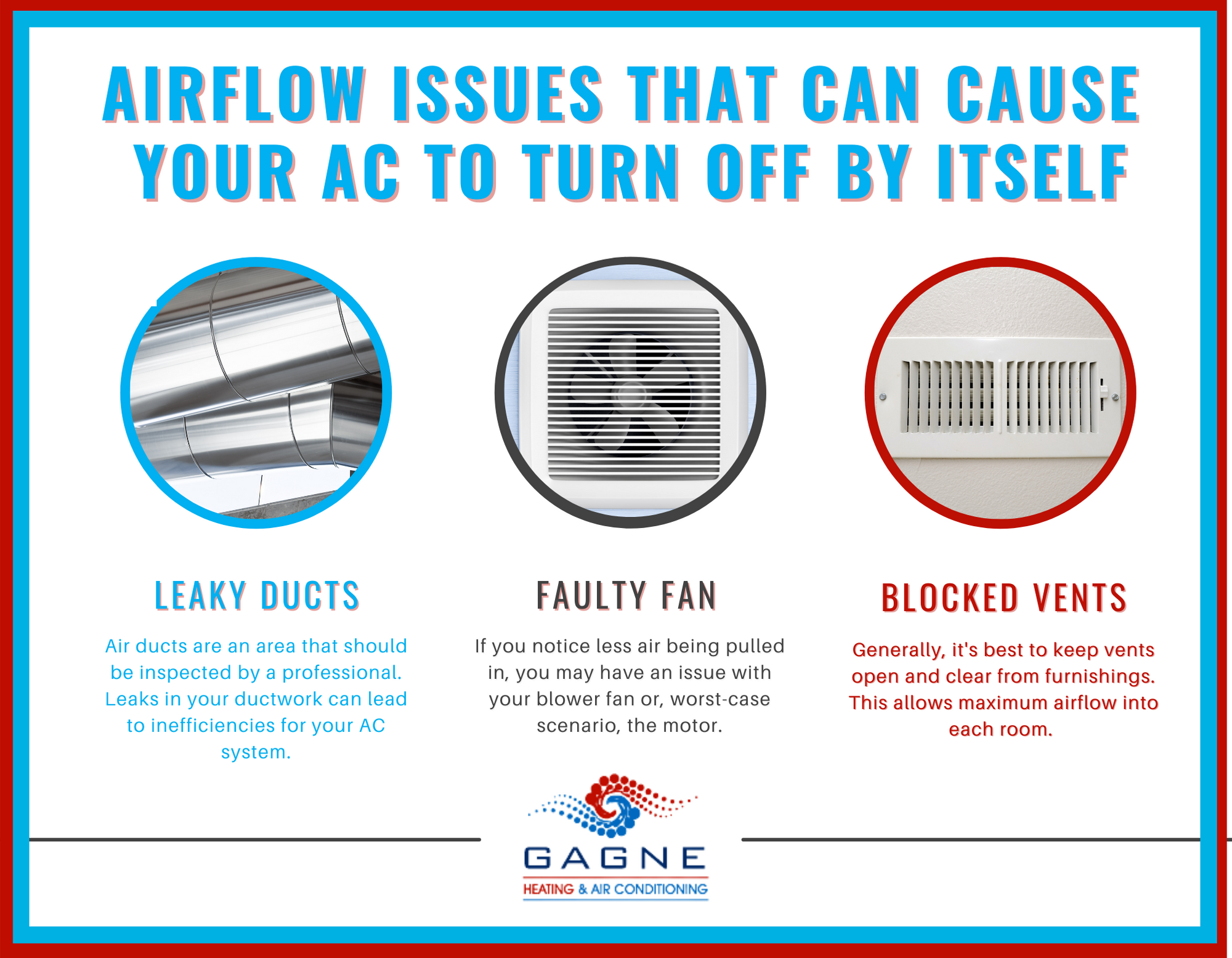
Image Source: gagneac.com
Why Does My Air Conditioner Keep Turning On And Off: Fixes
Your air conditioner might keep turning on and off quickly, a problem called AC short cycling. This happens when the unit finishes its cooling cycle too fast or stops unexpectedly. Several things can cause this, including a dirty air filter, low refrigerant, a faulty thermostat, a frozen evaporator coil, an AC capacitor problem, or even an oversized air conditioner. It signals that something is not quite right with your cooling system and needs checking.
What AC Short Cycling Means
When your air conditioner works right, it runs for a while to cool your home. It then shuts off. It stays off until the temperature goes up again. This full cycle takes a normal amount of time.
AC short cycling is different. The AC unit turns on. It runs for only a short time. Then it turns off quickly. It might turn back on again soon. This on-off-on-off pattern is short cycling. It means the AC system is not working like it should.
Why Short Cycling is a Problem
Short cycling is bad for your air conditioner. It puts a lot of stress on the system. Starting up takes more energy than running. So, turning on and off often uses more power. Your energy bills go up. Short cycling also makes parts wear out faster. The compressor is key. Short cycling is hard on the compressor. This can lead to needing air conditioner repair. In the long run, it can make the whole unit fail sooner. It also means your home might not feel cool enough. The system doesn’t run long enough to really remove the heat and take out humidity. Fixing short cycling is important for the life of your unit and your comfort.
Main Reasons for AC Short Cycling
Many different things can make your air conditioner short cycle. Let’s look at the most common ones. Knowing these helps you figure out the issue.
1. A Clogged Air Filter
This is a very common reason for AC short cycling. Your air filter cleans the air that goes into your AC system. It catches dust, dirt, and pet hair. Over time, the filter gets full. It gets clogged with all the dirt.
How a Dirty Filter Causes Short Cycling
A dirty filter blocks air flow. Not enough air can get through to the evaporator coil. The evaporator coil gets very cold as it cools the air. When air flow is low, the coil can get too cold. It can even freeze up. Also, the system might get too hot because air is not moving well. Sensors in the AC unit watch for problems. If the system gets too hot or starts to freeze, a safety switch turns it off. It turns off to protect itself. Because the air flow is still bad, the system might try to turn on again soon. But it hits the same problem. It turns off again quickly. This causes the HVAC system cycling problem.
Signs of a Dirty Filter
- The filter looks grey or black with dirt.
- Weak air flow from your vents.
- The AC unit freezes up (you might see ice on pipes).
- Higher energy bills.
The Simple Fix: Change the Filter
Checking your air filter is easy. Find your filter. It’s usually in the air handler unit or in a return air vent. Pull it out and look at it. Is it covered in dirt? If yes, it needs changing. Replacing a dirty filter with a new one is often the fastest fix for short cycling. You should change your filter regularly. How often depends on the filter type and how much you use your AC. Monthly is good for thin filters. Thicker filters last longer.
When to Call a Professional
If changing the filter doesn’t stop the short cycling, the problem is something else. You might need help from an air conditioner repair expert.
2. Not Enough Refrigerant (Low Refrigerant)
Refrigerant is a special liquid or gas. It flows through your AC system’s coils. It picks up heat from inside your home. It carries the heat outside. This is how your AC cools the air.
How Low Refrigerant Causes Short Cycling
Refrigerant is in a closed system. It does not get used up like gas in a car. If your AC is low on refrigerant, it means there is a leak. Even a small leak makes the system not work right. With less refrigerant, the system cannot move heat well. The pressure inside the coils drops. The evaporator coil gets too cold. It can freeze up. Like with a dirty filter, freezing can make the system shut off. The AC unit might turn on, run for a short time, then turn off because it’s low on refrigerant and freezing up. This causes AC short cycling. Low refrigerant also means the air coming from your vents is not as cold as it should be.
Signs of Low Refrigerant
- The air coming from vents is not very cold.
- Ice on the evaporator coil or copper lines.
- Hissing or bubbling sounds (this can mean a leak).
- Higher energy bills (the system works harder).
The Fix: Find the Leak and Recharge
Adding more refrigerant might seem like the fix. But if you just add refrigerant without fixing the leak, the problem will come back. A professional AC technician is needed for this. They have tools to find leaks. They fix the leak. Then they add the right amount of refrigerant. This is called recharging the system. You cannot buy AC refrigerant for home use easily, and handling it needs special skills. This is not a DIY job.
Calling for Help
If you think your AC is low on refrigerant, call for air conditioner repair. A technician can check the levels, find leaks, and fix the system safely and correctly. This is important for your unit and the environment.
3. A Problem with the Thermostat
Your thermostat is the brain of your AC system. It tells the air conditioner when to turn on and off. It does this based on the temperature setting you choose.
How a Faulty Thermostat Causes Short Cycling
If the thermostat is not working correctly, it can send wrong signals to the AC unit.
* The sensor in the thermostat might not read the room temperature right. It might think the room is cool enough when it’s not. This makes it turn the AC off too soon.
* Bad wiring between the thermostat and the AC unit can cause problems. Signals might get messed up or lost. This can make the unit turn on and off randomly or too quickly.
* A battery in a wireless or older thermostat might be low. This can cause it to work strangely.
* The thermostat might be in a bad spot. If it’s near a heat source (like a lamp or sunny window), it might think the room is hotter than it is. But this usually makes the AC run longer, not short cycle. However, a drafty spot near a window or door could make it think the room is cooler than it is, causing it to shut off too early.
Signs of a Faulty Thermostat
- The thermostat screen is blank or flickers.
- The temperature reading seems wrong.
- The AC turns on and off too often, not following the room temperature.
- The AC doesn’t turn on at all sometimes.
Simple Thermostat Checks
- Check the batteries in your thermostat. Replace them if they are low or old.
- Make sure the thermostat is set to COOL and the fan is on AUTO.
- Check the temperature setting. Is it set correctly?
- Make sure nothing is near the thermostat that gives off heat or creates a cold draft.
- Turn the thermostat setting down very low (like 65°F) to see if the AC runs normally for a longer time. Then set it back.
When to Get Expert Help
If these simple checks don’t fix the issue, the thermostat itself might be broken. Or there could be a wiring problem. An air conditioner repair technician can test your thermostat and its wiring. They can replace it if needed.
4. A Frozen Evaporator Coil
We touched on this when talking about dirty filters and low refrigerant. The evaporator coil is inside your house. It’s part of the indoor air handler unit. It’s where the air from your home blows over cold pipes. The heat from the air is removed here.
How a Frozen Coil Causes Short Cycling
If the evaporator coil gets covered in ice, air cannot pass over it well. This is the same problem as a dirty filter blocking air. With no air flow or very low air flow, the coil cannot absorb heat. The pressure balance in the system gets upset. The system struggles. A safety switch or sensor detects the problem (low pressure or overheating of other parts) and turns the unit off. It might turn off quickly after starting. As the ice melts slightly, the unit might try to start again. But the ice reforms quickly without proper airflow or refrigerant. This cycle of on, off, melt a bit, on, off is another form of AC short cycling.
Why Coils Freeze
- Dirty Air Filter: As discussed, this is a major cause.
- Low Refrigerant: Also discussed, this causes the coil to get too cold.
- Blocked Return Vents: If the big vents that pull air into your AC are blocked, not enough air gets to the coil.
- Blocked Supply Vents: If too many vents blowing cold air into rooms are closed, pressure builds up, and airflow over the coil drops.
- Blower Motor Problem: The fan that blows air over the coil might be weak or not working.
- Dirty Coil Itself: The coil fins can get clogged with dirt over many years, even with a clean filter.
Checking for a Frozen Coil
Turn off your AC at the thermostat. Open the panel on your indoor air handler unit. Look at the coil. Does it look like a block of ice? If so, it’s frozen. Let it thaw completely. This can take many hours. Put towels down to catch the water.
Fixing a Frozen Coil
The fix for a frozen coil is not just thawing it. You must find why it froze. Is the filter dirty? Is it low on refrigerant? Are vents blocked?
1. Thaw the coil: Turn the AC system OFF. Turn the FAN to ON (if your system allows). This blows room air over the coil to help it melt faster.
2. Address the cause: Change the filter, open blocked vents.
3. If it freezes again: Call an air conditioner repair professional. They need to check for refrigerant leaks, blower problems, or other airflow issues.
5. A Failing AC Capacitor
The capacitor is an electrical part in your outdoor AC unit. It’s like a battery for starting motors. Your AC unit has motors for the fan and the compressor. The capacitor gives these motors a big jolt of electricity to help them start running.
How a Bad Capacitor Causes Short Cycling
If a capacitor is weak or failing, it might not give enough power to start the compressor or the outdoor fan motor.
* The AC unit might try to start. You might hear a hum. But the compressor or fan doesn’t spin up. The unit might sense this failure and shut down quickly to protect itself. It might try again soon.
* A weak capacitor might allow the motor to start sometimes, but not every time. This can lead to on-off cycles that are too short.
* Sometimes, only the fan capacitor fails. The compressor runs, but the fan doesn’t. This makes the pressure build up high, and the unit shuts off quickly.
* Sometimes, only the compressor capacitor fails. The fan runs, but the compressor doesn’t start. The unit senses this and turns off.
Signs of a Bad Capacitor
- The outdoor unit makes a humming sound but doesn’t start.
- The fan blade in the outdoor unit doesn’t spin, or spins very slowly.
- The compressor doesn’t sound like it’s running (it’s a low hum or vibration).
- The unit tries to start but clicks off after a few seconds.
- The unit short cycles, turning on and off quickly.
Capacitor Replacement Needs a Pro
Capacitors store high voltage electricity even after the power is off. Touching one the wrong way can cause a severe electric shock. Replacing a capacitor requires electrical knowledge and special tools. It is not a safe DIY task.
When to Call for AC Repair
If you hear your outdoor unit hum but not start, or if it clicks on and off quickly, it could be a capacitor. Call a professional for air conditioner repair. They can test the capacitor safely and replace it if it’s bad. This is a relatively inexpensive fix compared to other problems, but it must be done safely.
6. The Air Conditioner is Too Big (Oversized Air Conditioner)
Sometimes, an AC unit is installed that is too powerful for the size of the house or the cooling needs. This is called an oversized air conditioner.
How an Oversized AC Causes Short Cycling
An oversized AC cools the home very quickly. It can drop the temperature to the thermostat setting in just a few minutes. Because it cools so fast, it doesn’t need to run for very long. It hits the target temperature and turns off. Soon, the temperature goes up a little, and it turns on again. Again, it cools the air super fast and turns off. This leads to short cycles.
Problems with Oversizing
Besides short cycling, an oversized AC doesn’t remove humidity well. To remove humidity, an AC needs to run for a longer time. This allows moisture from the air to collect on the cold evaporator coil and drain away. When the AC only runs for a few minutes, it doesn’t have enough time to dehumidify the air. Your home might feel cold but sticky or damp. Short cycling also causes more wear and tear and wastes energy, just like short cycling from other causes.
Signs of an Oversized AC
- Your home cools down very fast after the AC turns on.
- The AC unit runs for only short periods (maybe less than 10-15 minutes) even on hot days.
- The air feels cool but also humid or sticky.
- The thermostat temperature is reached quickly.
What to Do About an Oversized AC
Fixing an oversized AC is harder than changing a filter. You can’t make the unit smaller. Sometimes, a technician can adjust the airflow (blower speed) to help a little. But often, the best solution for long-term comfort and efficiency is replacing the unit with one that is the right size for your home. This is a bigger job and cost. Getting a proper calculation (called a Manual J load calculation) before installing a new unit helps make sure the size is correct.
Getting Expert Advice
If you suspect your AC is too big, talk to an HVAC professional. They can check if the size is correct for your home. They can also discuss possible adjustments or the costs of replacing the unit with the right size.
7. Issues with the Compressor
The compressor is like the heart of your AC system. It’s in the outdoor unit. It pumps the refrigerant through the system. It puts the refrigerant under high pressure. This pressure is needed for the system to cool.
How Compressor Problems Cause Short Cycling
If the compressor has a problem, it might struggle to start or run.
* Compressor short cycling: The compressor might try to start but fail. It might make a loud clunking or buzzing noise before shutting off. Safety controls in the system detect the issue and turn everything off to prevent damage.
* Internal problems: Wear and tear inside the compressor can cause it to overheat quickly or draw too much power. Again, this triggers safety shutdowns.
* Electrical issues: Bad wiring, a failing start relay, or problems with the contactor can stop the compressor from getting the power it needs to run smoothly. This leads to failed starts and quick shutdowns.
Signs of Compressor Issues
- Loud noises (grinding, banging, loud humming) from the outdoor unit when it tries to start.
- The outdoor unit starts and stops very quickly, often with these noises.
- Circuit breakers for the AC unit keep tripping.
- No cold air, even if the fan is running.
Fixing Compressor Problems
Compressor problems are serious and expensive. They almost always require a trained technician.
* Checking electrical parts: A technician can check the contactor, start relay, and wiring. These are cheaper fixes than replacing the compressor.
* Hard Start Kit: Sometimes, for an older compressor that struggles to start, a technician can install a “hard start kit.” This gives the compressor an extra boost to get going. It’s not a permanent fix if the compressor is truly failing, but it can extend its life for a while.
* Compressor Replacement: If the compressor is failing internally, it needs to be replaced. This is a major air conditioner repair. It is often the most expensive part to replace.
* System Replacement: Depending on the age of your AC, replacing a failed compressor might not be worth the cost. Often, if the compressor fails, it’s a sign that the whole system is old. It might be better to replace the entire outdoor unit, or even the whole AC system (indoor and outdoor units), especially if the refrigerant used is an older type being phased out (like R-22).
When to Call for Expert Help
Any issue with the compressor or the electrical parts in the outdoor unit needs a professional. It’s dangerous to work on these components yourself. Call for air conditioner repair right away if you suspect a compressor problem.
8. Other Possible Causes
While the above are the most common reasons for AC short cycling, other issues can also cause it:
- Clogged Drain Line: If the condensate drain line gets clogged, water backs up. In some systems, a safety float switch will shut off the AC to prevent water damage. It might turn on and off if the water level fluctuates.
- Refrigerant Overcharge: Too much refrigerant is also a problem. It causes high pressure in the system, making the compressor work too hard. Safety features can shut the unit off to prevent damage. This also requires a professional to fix.
- Electrical Issues (beyond capacitor/compressor): Problems with wiring connections, relays, or the control board in either the indoor or outdoor unit can cause irregular cycling.
- Dirty Outdoor Unit (Condenser Coils): The outdoor unit has coils that release heat. If these coils are very dirty, the unit can’t get rid of heat well. This makes the system overheat and shut down quickly. Cleaning the outdoor coil can help.
Table of Common Causes and Symptoms
Here is a quick look at the common issues that cause AC short cycling and signs to look for:
| Problem | How it Causes Short Cycling | Key Signs |
|---|---|---|
| Dirty Air Filter | Blocks airflow, causes freezing or overheating. | Filter looks dirty, weak airflow, ice on indoor unit, higher bills. |
| Low Refrigerant | System can’t cool or move heat, causes freezing. | Warm air from vents, ice on pipes/coil, hissing/bubbling sounds. |
| Faulty Thermostat | Sends wrong signals, turns off too early. | Wrong temp readings, blank screen, AC acts randomly, doesn’t match temp. |
| Frozen Coil | Ice blocks airflow, causes safety shutdown. | Ice visible on indoor coil or pipes. (Caused by filter/refrigerant/air). |
| Bad Capacitor | Motors don’t start right, unit shuts down quickly. | Humming but no start, fan not spinning outside, clicking noises. |
| Oversized AC | Cools too fast, doesn’t need to run long. | Home cools very quickly, short run cycles (under 10-15 min), air feels damp. |
| Compressor Problem | Compressor struggles or fails to start/run. | Loud noises (clunk, grind), unit tries to start then stops fast, tripping breaker. |
How to Check Your AC System (Simple Steps)
Before calling for air conditioner repair, you can do a few simple checks yourself:
- Check the Air Filter: This is the easiest and most common fix. Turn off the AC power first. Find your filter. Is it dirty? Replace it with a clean one of the correct size. Turn the power back on and test the AC.
- Look for Ice: Turn off the AC power. Open the panel on your indoor unit to see the coil. Is there ice? If yes, let it thaw completely (can take hours). While it thaws, figure out why it froze (likely filter, low refrigerant, or airflow). Do NOT run the AC with a frozen coil.
- Check Thermostat Settings: Make sure it’s on COOL and AUTO fan. Set the temperature a few degrees lower than the room temp. See if the unit starts and runs for a normal time. Replace thermostat batteries.
- Check Outdoor Unit: Look and listen to the outdoor unit when it tries to start. Does the fan spin? Does the compressor hum or make strange noises? Is the coil outside clean (not covered in dirt/leaves)? Make sure nothing is blocking the airflow around the unit.
- Check Vents: Are the air return vents (the big ones where air goes in) blocked by furniture or curtains? Are too many supply vents (where cold air comes out) closed? Ensure good airflow.
If these checks don’t fix the AC short cycling, or if you find signs like ice (after addressing the filter/airflow), strange noises, or no cold air, it’s time to call a professional.
When to Call for Air Conditioner Repair
Many causes of AC short cycling need a trained technician. You should call for air conditioner repair or HVAC system cycling service if:
- You find ice on the indoor coil, and a dirty filter or blocked vents were NOT the cause. (Likely low refrigerant or blower issue).
- You suspect low refrigerant (warm air, possible leak sounds). Handling refrigerant is not for homeowners.
- The outdoor unit hums but doesn’t start, or makes loud grinding/clunking noises. (Likely capacitor or compressor).
- The thermostat checks don’t fix the issue, and you suspect the thermostat or wiring is bad.
- The problem continues after you’ve done the simple checks (filter, ice thaw, thermostat).
- You suspect the unit is oversized.
- You are not comfortable checking inside the unit or dealing with electrical parts.
A trained technician has the right tools and knowledge to find the exact cause of the short cycling. They can safely fix refrigerant leaks, replace electrical parts, diagnose compressor problems, and check air flow. Fixing the problem correctly saves energy, prevents more damage, and makes your AC last longer.
Avoiding AC Short Cycling
Preventing AC short cycling is mostly about taking good care of your system.
- Change Your Air Filter Regularly: This is the number one thing you can do. Check it every month, especially during heavy use seasons. A clean filter is key to good airflow.
- Schedule Regular Maintenance: Have an HVAC professional check your system once a year, usually before the cooling season starts. They can clean the coils, check refrigerant levels, inspect electrical parts (like the capacitor), check the thermostat, and look for any potential problems before they cause short cycling or breakdown. This preventive maintenance is important for your entire HVAC system cycling.
- Keep Vents Open: Make sure return vents are not blocked. Don’t close too many supply vents in unused rooms, as this can reduce overall airflow.
- Keep Outdoor Unit Clean: Clear away leaves, dirt, and debris from around the outdoor unit. The fins should be clean so the unit can release heat properly. You can gently spray the outdoor coil with a garden hose (make sure the power is OFF first!).
Taking these steps helps your air conditioner run smoothly and reduces the chance of it starting to short cycle. It keeps your system working well and lasting longer.
Consequences of Ignoring Short Cycling
Ignoring AC short cycling can lead to bigger problems.
* Higher Bills: The unit uses more electricity starting up often.
* Faster Wear and Tear: Starting and stopping is hard on parts, especially the compressor.
* Reduced Cooling: The house might not get or stay as cool because the unit doesn’t run long enough.
* Poor Dehumidification: Short cycles mean less time to remove moisture, making your home feel clammy.
* System Breakdown: The extra stress can cause expensive parts, like the compressor, to fail completely sooner than they should. This leads to costly air conditioner repair or needing a whole new system.
It’s best to address short cycling as soon as you notice it.
Frequently Asked Questions (FAQ)
Why does my new air conditioner keep turning on and off?
Even new ACs can short cycle. Common reasons for new units include being oversized air conditioner for the home, a faulty thermostat from installation, a minor refrigerant leak that wasn’t caught, or even a small electrical issue. If your new AC short cycles, contact the installer or manufacturer for service under warranty.
Is it bad for my air conditioner to short cycle?
Yes, it is very bad. It increases energy use, puts stress on parts like the compressor, causes faster wear, and can lead to expensive breakdowns. Fix AC short cycling quickly.
How long should my air conditioner run in one cycle?
There’s no exact time, as it depends on the temperature outside, the size of your house, and how well insulated it is. On a hot day, a cycle might last 15-20 minutes or much longer. In milder weather, cycles will be shorter. If your AC runs for less than 10 minutes most of the time, especially on warm days, it might be short cycling.
Can I fix AC short cycling myself?
You can do simple checks like changing the dirty air filter, checking the thermostat, and looking for ice. If the problem is one of these simple things, you might fix it. However, many causes like low refrigerant, AC capacitor problem, compressor issues, or an oversized air conditioner need a professional for air conditioner repair. Working with refrigerant or electrical parts is dangerous and requires special tools and training.
Why is my air conditioner freezing up and short cycling?
Freezing is usually caused by low airflow over the indoor coil or low refrigerant. Low airflow can be due to a dirty air filter, blocked vents, or a problem with the blower fan. Low refrigerant means there’s a leak. Both issues make the coil too cold, causing ice. The ice then blocks airflow even more, and the unit often short cycling or shuts off completely.
What is compressor short cycling?
Compressor short cycling means the main motor in the outdoor unit (the compressor) is turning on and off too quickly. This is often due to serious issues like low refrigerant, an electrical problem (like a bad capacitor), overheating, or internal compressor failure. It’s a sign of a significant problem that needs immediate professional attention.
How much does it cost to fix AC short cycling?
The cost varies a lot depending on the cause. Replacing a dirty air filter is cheap. Fixing a refrigerant leak and recharging the system can cost several hundred dollars or more. Replacing an AC capacitor problem is usually less expensive than fixing a leak. Compressor replacement is very expensive and might lead to needing a whole new system. Getting regular maintenance is a good way to catch problems early and avoid costly fixes.