
Can you install a TV above a fireplace? Yes, you can install a TV above a fireplace, but it requires careful planning and execution to ensure safety and optimal viewing. This guide will walk you through everything you need to know.
Fireplaces often become the focal point of a living room, and for many, mounting a television above it is the ideal solution for space-saving and cohesive design. However, this installation isn’t as straightforward as hanging a TV on a regular wall. Heat, ventilation, and the structural integrity of your fireplace surround are crucial factors. This in-depth guide provides pro tips and a step-by-step process for a safe and successful fireplace tv mount installation.
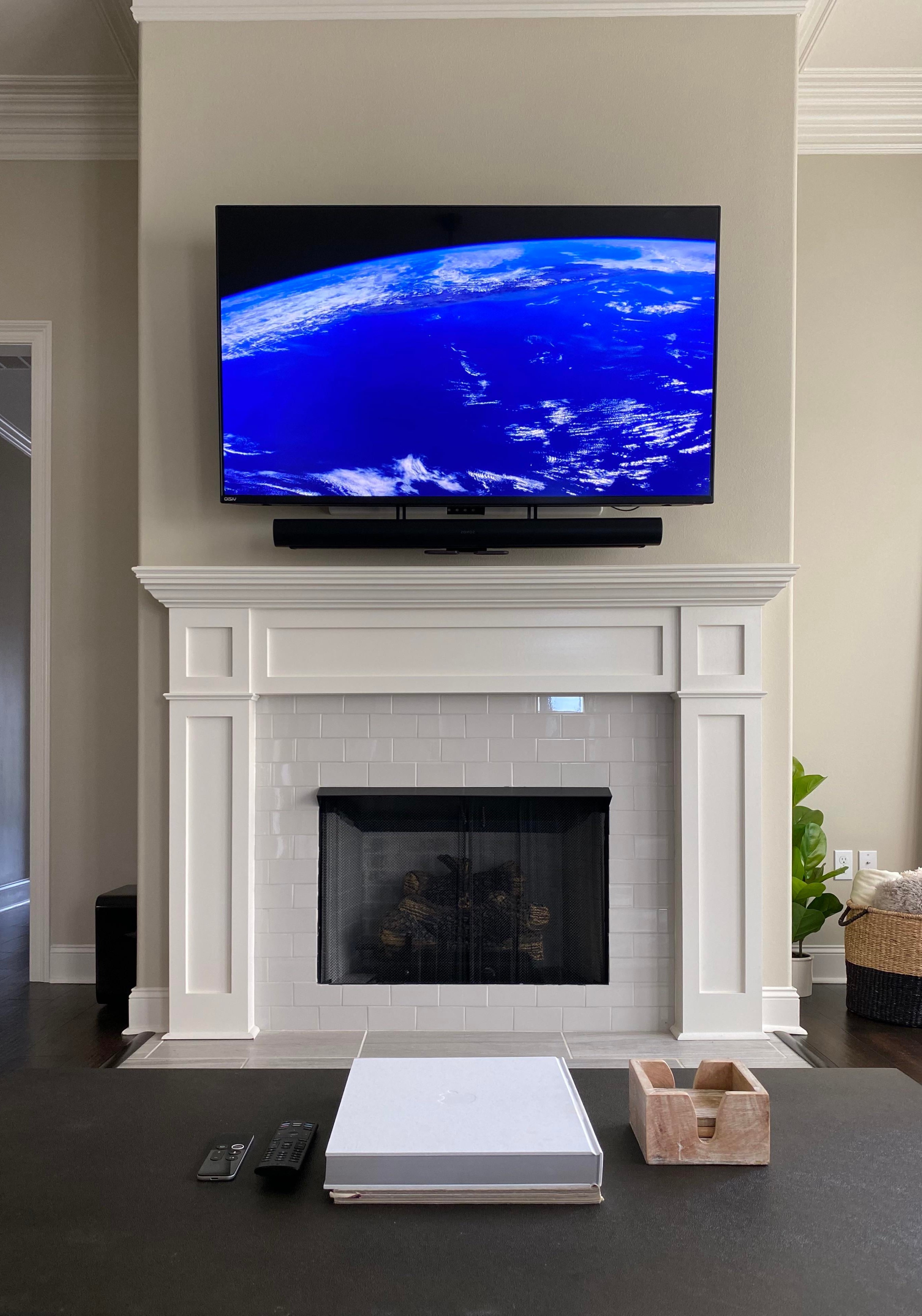
Image Source: www.fireplacedoorsonline.com
Deciphering the Heat Factor: Protecting Your Investment
The primary concern when mounting a TV above a fireplace is heat. Fireplaces, even those with minimal flames, produce radiant heat that can damage sensitive electronic components. Understanding this is key to a successful wall mounting tv above fireplace.
Heat Shielding: Your First Line of Defense
Heat shielding for tv above fireplace is not optional; it’s essential. This involves creating a barrier between the heat source and your television.
-
Types of Heat Shields:
- Insulated Panels: These are typically made of fire-resistant materials like mineral wool or ceramic fiberboard, often encased in a metal frame. They are installed directly behind the TV or within the mounting bracket.
- Ventilated Shelves/Mantels: Some specialized brackets or custom solutions involve creating a shelf or small enclosure above the fireplace that allows heat to dissipate upwards, away from the TV.
- Recessed Fireplace TV Installation: For a more integrated and safer approach, consider creating a recessed fireplace tv installation. This involves building a shallow niche within the wall or fireplace surround to house the TV, effectively distancing it from direct heat.
-
Material Considerations:
- Choose materials that are non-combustible and have high R-values (thermal resistance).
- Ensure any materials used are free of chemicals that could release fumes when heated.
Monitoring Temperatures
It’s wise to monitor the temperature behind your TV after installation. You can use an infrared thermometer. Ideally, the surface temperature behind the TV should remain below 100°F (38°C).
Structural Integrity: Building a Secure Foundation
Mounting a heavy object like a TV requires a sturdy mounting surface. This is especially true when dealing with fireplaces, which can have varied construction materials.
Locating Studs for Fireplace TV Mount
Finding solid anchor points is paramount for any wall mounting tv above fireplace. This is where locating studs for fireplace tv mount comes into play.
-
Stud Finders:
- Magnetic Stud Finders: These detect metal screws or nails used to attach drywall to studs. They are simple and effective but rely on finding the fasteners.
- Electronic Stud Finders: These use sensors to detect density changes behind the wall, indicating studs. They are generally more accurate.
- Edge-Finding vs. Center-Finding: Some electronic stud finders locate the edges of studs, while others pinpoint the center. Knowing which type you have will help you mark accurately.
-
Alternative Mounting Points:
- Masonry Anchors: If you have a mounting tv on stone fireplace or a brick fireplace tv mounting, you’ll need specialized masonry anchors. These are designed to expand within the brick or stone to provide a secure grip. Common types include lag shields, wedge anchors, and sleeve anchors. Always use anchors rated for the weight of your TV and mount.
- Fireplace Surround Material: You might be mounting to a brick facade, stone surround, or a wooden mantelpiece. The method of locating studs for fireplace tv mount will vary. For wooden mantels, treat it like any other stud-based wall mount. For stone or brick, you’ll be drilling directly into the masonry.
Load-Bearing Considerations
Ensure the wall you are mounting into is structurally sound and can support the weight of the TV, the mount, and any additional components. If you’re unsure, consult a structural engineer or a professional installer.
Choosing the Right Mount: The Backbone of Your Installation
The type of fireplace tv mount you choose significantly impacts the safety and functionality of your setup.
Types of TV Mounts for Fireplaces
- Fixed Mounts: These hold the TV flat against the wall, offering a clean look but limited adjustability. They are generally the most robust.
- Tilting Mounts: These allow you to tilt the TV up or down, which can be helpful for improving viewing angles when the TV is mounted high.
- Full-Motion/Articulating Mounts: These offer the most flexibility, allowing you to pull the TV out from the wall, tilt it, and swivel it left or right. They are excellent for optimizing viewing angles but require a very strong mounting point due to the leverage they exert.
Key Features to Look For:
- Weight Capacity: Ensure the mount’s weight capacity significantly exceeds the weight of your TV.
- VESA Compatibility: This refers to the standard hole pattern on the back of your TV for mounting. Check your TV’s specifications and ensure the mount is compatible.
- Extension and Swivel Range (for full-motion mounts): If you opt for a full-motion mount, consider how far it can extend and swivel to ensure it can be positioned correctly for viewing from various points in the room.
- Integrated Cable Management: Keeping cables tidy is crucial for a clean look and safety.
- Heat Resistance/Shielding Features: Some mounts are designed with heat management in mind, offering better airflow or built-in shielding.
Step-by-Step Guide: Bringing Your Vision to Life
This section provides a detailed walkthrough for a typical diy fireplace tv installation. Always refer to your specific TV and mount manuals for precise instructions.
Step 1: Planning and Preparation
- Determine Ideal TV Height:
- Sit in your usual viewing positions.
- The center of the screen should be at or slightly below eye level.
- Consider the mantel height and the overall room layout.
- Measure and Mark:
- Use a measuring tape and pencil to mark the desired center point of your TV.
- Account for the height of the TV itself and the mounting bracket.
- Gather Tools and Materials:
- TV mount (with all included hardware)
- Your television
- Stud finder
- Drill with appropriate drill bits (wood bits, masonry bits)
- Level
- Measuring tape
- Pencil
- Socket wrench set or screwdriver set
- Safety glasses
- Gloves
- Heat shielding materials (if not integrated into the mount)
- Masonry anchors (if mounting on brick or stone)
- Painter’s tape (for marking and holding)
- Optional: Cable management solutions (raceways, in-wall kits)
Step 2: Preparing the Fireplace Area
- Clean the Surface: Ensure the area where the mount will be attached is clean and free of debris.
- Assess the Fireplace Material:
- Brick/Stone Fireplace TV Mounting: If you’re mounting tv on stone fireplace or brick fireplace tv mounting, you’ll need to mark drilling points carefully.
- Electric Fireplace TV Installation: If you’re doing an electric fireplace tv installation, the heat output is generally lower than a wood-burning fireplace, but heat shielding is still recommended. Ensure the electrical components are safely routed.
- Wooden Mantel: If mounting to a wooden mantelpiece, locate studs behind it.
Step 3: Mounting the Bracket to the Wall
This is the most critical step for structural integrity.
-
For Stud Mounting:
- Locate Studs: Use your stud finder to identify the center of at least two wall studs where the bracket will attach.
- Mark Drilling Points: Hold the mounting bracket against the wall at your desired height, ensuring it’s level. Mark the screw hole locations that align with the stud centers.
- Drill Pilot Holes: Using a drill bit slightly smaller than the lag bolts provided with your mount, drill pilot holes at your marked locations. This makes driving the lag bolts easier and prevents wood splitting.
- Attach the Bracket: Align the bracket with the pilot holes. Use a socket wrench to drive the lag bolts securely through the bracket and into the studs. Do not overtighten, as this can strip the wood. Ensure the bracket is perfectly level.
-
For Masonry Mounting (Brick/Stone):
- Mark Drilling Points: Hold the mounting bracket against the brick or stone surround. Use a level to ensure it’s straight. Mark the screw hole locations directly onto the masonry.
- Drill Holes: Use a hammer drill with a masonry bit of the appropriate size (specified by the anchor manufacturer). Drill holes at your marked locations to the depth required for your chosen anchors. Clear out any dust from the holes.
- Insert Anchors: Gently tap the masonry anchors into the drilled holes until they are flush with the surface.
- Attach the Bracket: Align the bracket with the anchors. Drive the lag bolts provided with the anchors through the bracket and into the anchors until snug. Ensure the bracket is level.
Step 4: Installing Heat Shielding (If Necessary)
- If your mount doesn’t have integrated shielding or if you’re concerned about residual heat, install your chosen heat shield. This might involve attaching an insulated panel to the back of the TV or creating a barrier on the wall above the fireplace. Follow the manufacturer’s instructions for your heat shield.
Step 5: Attaching the TV to the Mount
- Attach Mounting Arms to TV: Most mounts come with vertical arms or a plate that attaches to the back of the TV. Locate the VESA mounting holes on your TV. Use the screws provided with your mount (ensure they are the correct size and length to avoid damaging the TV).
- Lift and Secure TV: With the help of another person, carefully lift the TV and hook the mounting arms onto the wall bracket. Most mounts have a locking mechanism to secure the TV in place. Double-check that it’s properly seated and locked.
Step 6: Cable Management and Final Adjustments
- Connect Cables: Connect your power cords, HDMI cables, and any other necessary wires.
- Route Cables: Use cable raceways, clips, or in-wall concealment kits to neatly manage and hide the cables. This not only improves aesthetics but also prevents cables from drooping or becoming a hazard.
- Adjust Viewing Angle: If you have a tilting or full-motion mount, adjust the TV to your preferred viewing angle.
Advanced Installation Techniques: Elevating Your Setup
For those seeking a cleaner aesthetic or enhanced safety, consider these advanced options.
Recessed Fireplace TV Installation
A recessed fireplace tv installation involves creating a niche or alcove within the wall above the fireplace to house the TV.
- Benefits:
- Provides better protection from heat by creating more distance.
- Offers a sleeker, built-in look.
- Can help conceal cables more effectively.
- Considerations:
- This often requires framing and drywall work, which may be beyond a simple DIY project.
- Ensure adequate ventilation within the niche to prevent overheating.
- Careful planning is needed to ensure the niche dimensions are precise for your TV.
Electric Fireplace TV Installation Nuances
When dealing with an electric fireplace tv installation, the heat output is generally lower, but the principles of safe installation still apply.
- Ventilation is Key: Even with electric fireplaces, ensure there’s good airflow around the TV. Avoid placing the TV directly on top of the fireplace unit if it has a warm exhaust.
- Material Compatibility: If your electric fireplace has a heat-resistant surround, ensure your mounting hardware is compatible with that material.
Safety Tips for Fireplace TV Mounting: The Golden Rules
Adhering to safety tips for fireplace tv mounting is non-negotiable.
- Never Skip Heat Shielding: Even if your fireplace seems to produce minimal heat, always incorporate a heat shield.
- Two-Person Lift: TVs, especially larger ones, are heavy and awkward. Always have at least one other person to help lift and position the TV.
- Use the Right Hardware: Ensure all screws, bolts, and anchors are rated for the weight of your TV and mount and are suitable for your wall material.
- Level Everything: A level mount ensures even weight distribution and a professional finish.
- Check for Obstructions: Before drilling, be aware of potential wiring or plumbing within the wall.
- Consult Professionals: If you have any doubts about your abilities or the structural integrity of your fireplace or wall, hire a professional.
- Regularly Check the Mount: Periodically inspect the mount for any signs of loosening or wear.
Troubleshooting Common Issues
Even with careful planning, you might encounter minor hiccups.
TV Feels Too High
- Solution: If the TV is too high for comfortable viewing, you might need to adjust the mounting height, which could involve re-drilling. For future installations, carefully measure from your typical seating positions. Consider a mount with more tilt or articulation if available.
Wobbly Mount
- Solution: This usually indicates that the mounting screws or anchors are not fully tightened or are in inadequate anchor points. Check all fasteners and ensure they are secure. If mounted on studs, ensure the lag bolts are deeply embedded. If on masonry, check the anchors.
Cable Mess
- Solution: Invest in a good cable management system. In-wall cable kits can create a very clean look, but require more effort. Cable raceways that attach to the wall are a simpler solution.
Frequently Asked Questions (FAQ)
Q1: How far away should a TV be from a fireplace?
A general guideline is to have at least 12-18 inches of space between the top of the fireplace opening and the bottom of the TV. However, the best distance depends on the heat output of your fireplace and the effectiveness of your heat shielding.
Q2: Can I mount a TV on a stone fireplace?
Yes, but it requires specialized masonry anchors and a powerful drill. The density and type of stone will affect the drilling process. Always use anchors rated for the weight and intended use.
Q3: What if I can’t find studs behind my fireplace?
If mounting directly to a wall adjacent to the fireplace, you must find studs. If mounting to a brick or stone surround, you’ll use masonry anchors instead of studs. If your mantelpiece is not structurally sound or lacks studs, you may need to reinforce it or consider an alternative mounting location.
Q4: Does an electric fireplace produce enough heat to damage a TV?
While electric fireplaces are generally safer than wood-burning ones, they can still produce heat that can degrade electronic components over time. It’s still recommended to use heat shielding or ensure adequate ventilation.
Q5: What is the best type of mount for a TV above a fireplace?
A tilting or full-motion mount is often preferred to adjust viewing angles, as TVs mounted above fireplaces are typically higher than ideal. Ensure the mount is robust and rated for the weight of your TV and the specific installation environment.
Q6: How do I hide the cables when mounting a TV above a fireplace?
You can use in-wall cable management kits, adhesive cable raceways, or wire looms. Some mounts also have built-in cable management features.
Q7: Is it safe to put a TV over a wood-burning fireplace?
It can be, but it requires extra caution. Robust heat shielding, proper ventilation, and careful selection of materials are paramount. The frequency and intensity of use of the wood-burning fireplace will also be a factor.
By following these guidelines and prioritizing safety, you can successfully install your TV above your fireplace, creating a comfortable and aesthetically pleasing entertainment hub.