
What is a frozen air conditioner? A frozen air conditioner happens when ice forms on the indoor cooling coil or the refrigerant lines. Can I fix a frozen air conditioner myself? Yes, in many cases, you can fix a frozen air conditioner yourself by following a few simple steps. Who is responsible for a frozen AC? Typically, the homeowner or tenant is responsible for maintaining the AC, which includes addressing issues like freezing.
Experiencing a frozen air conditioner can be frustrating, especially on a hot day. You might notice your AC unit is not blowing cold air, or worse, you might see ice forming on the outdoor unit or even hear strange noises. This guide will help you quickly troubleshoot and fix a frozen AC unit, saving you from unnecessary repair costs and discomfort. We’ll explore the common reasons for a frozen AC, how to safely thaw it, and steps to prevent it from happening again.
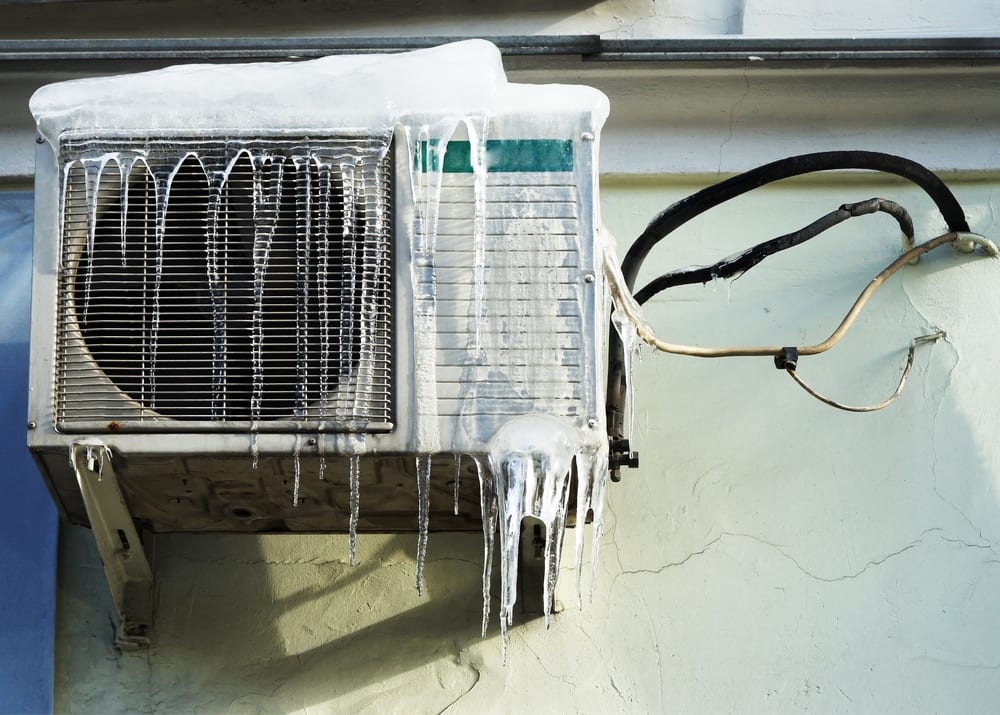
Image Source: www.fenwickhomeservices.com
Why Is My AC Unit Frozen Over?
Several factors can cause your AC unit to freeze over. It’s like a refrigerator ice buildup – when airflow is restricted or refrigerant levels are low, the system can’t regulate temperature properly. Let’s delve into the most frequent culprits.
Restricted Airflow
The most common reason for an AC unit freezing over is insufficient airflow across the evaporator coil. Think of the evaporator coil as the part that actually cools the air. If not enough warm air passes over it, the coil gets too cold. This cold coil then freezes the moisture in the air, leading to ice formation.
Reasons for restricted airflow include:
- Dirty Air Filter: This is the number one offender. A clogged air filter acts like a dam, blocking the easy passage of air into your AC system.
- Blocked Vents and Registers: If furniture, curtains, or other objects are blocking your indoor vents or registers, air can’t circulate freely.
- Blower Motor Issues: The blower motor is responsible for pushing the air through your ductwork. If it’s failing or not running at the correct speed, airflow will be reduced.
- Dirty Evaporator Coil: Even with a clean filter, the evaporator coil itself can become coated in dust and grime over time. This coating impedes airflow.
Low Refrigerant Levels
Your air conditioner uses a special fluid called refrigerant to absorb heat from your home. If the refrigerant level drops too low, the pressure inside the system decreases. This lower pressure causes the refrigerant to get colder than it should. When this super-cold refrigerant flows through the evaporator coil, it can cause the coil to freeze.
Why might refrigerant levels be low?
- Leaks: Refrigerant doesn’t get used up; it circulates in a closed system. Low levels usually indicate a leak somewhere in the refrigerant lines.
Mechanical Problems
Sometimes, the issue isn’t as simple as a dirty filter or a small leak. Internal mechanical problems can also lead to a frozen evaporator coil.
- Faulty Blower Fan: If the fan isn’t working at all, or if it’s spinning too slowly, air won’t move across the coil.
- Thermostat Issues: A malfunctioning thermostat can sometimes cause the AC to run continuously, even when the desired temperature has been reached, leading to freezing.
- Drainage Problems: The AC system removes moisture from the air. If the condensate drain line is clogged, water can back up and freeze. This is similar to how ice can form in a refrigerator ice buildup if the defrost drain is blocked.
External Factors
While less common, external conditions can also contribute to freezing.
- Running AC in Cold Weather: Most residential AC units are not designed to run efficiently when outdoor temperatures drop significantly (below 60°F or 15°C). Running it in these conditions can lead to freezing.
- Dirty Condenser Coil: While the condenser coil is outside, a severely dirty condenser coil can make the entire system work harder, indirectly contributing to freezing issues inside.
How To Fix A Frozen Air Conditioner FAST: Step-by-Step Guide
When you discover your AC unit is frozen, the first and most crucial step is to thaw the air conditioner. Trying to force it to run while frozen can cause further damage.
Step 1: Turn Off the AC and Turn On the Fan
This might seem counterintuitive when you want cool air, but it’s essential.
- Locate your thermostat.
- Switch the system from “Cool” mode to “Fan” mode. Make sure the fan setting is on “On,” not “Auto.”
- Turn the thermostat temperature up to its highest setting or off. This ensures the compressor, which is the part that can be damaged by running while frozen, is turned off.
This will allow the indoor fan to circulate room-temperature air over the frozen coil. This process helps to melt the ice without the risk of further damage.
Step 2: Let the Ice Melt Completely
This is where patience comes in. Defrosting air conditioner coils can take several hours, sometimes even up to 24 hours, depending on how much ice has accumulated.
- DO NOT try to chip away at the ice. You risk damaging the delicate fins of the evaporator coil or the refrigerant lines.
- Place towels or buckets around the indoor unit to catch any dripping water as the ice melts.
- Check the indoor unit periodically. You should see water pooling or dripping.
- Ensure ventilation: Open windows slightly if necessary to help with air circulation and speed up the thawing process, especially if the air in your home feels very cold and damp.
Step 3: Check and Clean or Replace the Air Filter
Once the ice has completely melted, it’s time to address the most common cause: restricted airflow.
- Locate your air filter. It’s usually found near the indoor air handler (furnace or air handler unit) or in a return air vent.
- Remove the filter.
- Inspect the filter. If it’s visibly dirty, clogged with dust and debris, it needs to be cleaned or replaced.
- Clean reusable filters according to the manufacturer’s instructions (usually washing with water and letting it dry completely).
- Replace disposable filters with a new one of the correct size and MERV rating for your system.
Why is this important? A clean filter allows maximum airflow, preventing the coil from getting too cold and freezing again.
Step 4: Check for a Clogged AC Drain Line
A clogged AC drain can cause water to back up, which can then freeze and contribute to the AC unit freezing over.
- Locate the condensate drain line. This is typically a PVC pipe that runs from your indoor AC unit to an outdoor drain, a floor drain, or a pump.
- Check the end of the drain line for any blockage.
- If you find a clog, you can try to clear it. Some common methods include:
- Using a wet/dry vacuum: Attach the vacuum hose to the end of the drain line and suck out any debris.
- Pouring a mixture of water and vinegar: A common ratio is 1 part vinegar to 1 part water. Pour this mixture down the drain line access point (often a T-shaped fitting near the indoor unit). This can help dissolve algae and slime that often cause clogs. Do this after the unit has completely thawed.
- Using a stiff wire or thin pipe cleaner: Gently push it into the drain line to dislodge blockages. Be careful not to puncture the line.
Step 5: Inspect External Components (Outdoor Unit)
While the indoor coil is the primary site of freezing, issues with the outdoor unit can also play a role.
- Check the Outdoor Unit (Condenser): Ensure the outdoor unit is clean. Debris like leaves, grass clippings, or dirt can clog the fins, reducing its ability to dissipate heat. If it’s dirty, turn off the power to the unit at the breaker box and gently rinse the fins with a garden hose. Do not use a pressure washer, as it can bend the delicate fins.
- Check for Obstructions: Make sure there’s at least 2 feet of clear space around the outdoor unit. Trees, shrubs, or fences that are too close can impede airflow.
Step 6: Turn the AC Back On
After you’ve completed the thawing and cleaning steps, you can try turning your AC back on.
- Ensure all access panels to the indoor unit are securely closed.
- Switch your thermostat back to “Cool” mode.
- Set your desired temperature.
Give the system some time to start cooling again. If it begins blowing cold air and the ice does not immediately reform, you’ve likely resolved the issue.
Troubleshooting Frozen AC: When to Call a Professional
While many frozen AC issues can be fixed with these DIY steps, sometimes the problem is more complex and requires the expertise of an HVAC professional.
When to call for professional help:
- The AC freezes again shortly after thawing and cleaning. This often indicates a more serious underlying problem like a refrigerant leak, a faulty fan motor, or a more significant blockage.
- You suspect a refrigerant leak. Refrigerant is a hazardous chemical, and handling it requires special equipment and certifications. Symptoms of a leak can include hissing noises from the unit or a gradual decrease in cooling performance.
- You’ve checked the filter and drain line, and everything appears clean, but the AC still freezes. This points to mechanical issues within the system.
- You hear unusual noises from the unit (grinding, squealing, or banging).
- You are uncomfortable performing any of these checks or repairs. Safety is paramount.
A qualified technician can diagnose problems like:
- Low refrigerant charge (due to leaks)
- Faulty blower motor or fan capacitor
- Kinked or damaged refrigerant lines
- Issues with the expansion valve or other internal components
- A frozen condenser coil that’s affecting overall system pressure
Preventing Your AC From Freezing in the Future
Preventing your AC from freezing is much easier than fixing it. Regular maintenance is key.
Regular Filter Changes
- Frequency: Change your air filter every 1 to 3 months, depending on the filter type, your home environment (e.g., pets, allergies), and how often you run your AC.
- Benefit: This is the single most effective way to ensure proper airflow and prevent freezing.
Keep Vents and Registers Clear
- Regularly check that furniture, curtains, rugs, or any other items are not blocking your supply and return air vents.
- Ensure all vents are open when the AC is running.
Schedule Annual Professional Maintenance
- What it involves: An HVAC technician will inspect your entire system, including checking refrigerant levels, cleaning coils, lubricating moving parts, and testing the thermostat and electrical components.
- Benefit: This proactive approach can catch small problems before they become big, expensive ones, like freezing.
Maintain the Condensate Drain Line
- Regular flushing: As mentioned earlier, flush your condensate drain line with a vinegar-water solution a couple of times a year, especially before the peak cooling season, to prevent clogs.
- Consider a drain pan overflow switch: This safety device will shut off your AC if the drain pan fills up due to a clog, preventing water damage and potential freezing.
Monitor Outdoor Unit Conditions
- Keep the area around your outdoor unit clean and clear of debris, plants, and anything else that could obstruct airflow.
Use Thermostat Settings Wisely
- Avoid drastic temperature changes: Setting your thermostat to extremely low temperatures can sometimes overwhelm the system and contribute to freezing.
- Use a programmable or smart thermostat: Set it to a comfortable temperature and avoid constantly adjusting it up and down.
Frequently Asked Questions About Frozen Air Conditioners
Q1: How long does it take for an AC to thaw?
A: It can take anywhere from 4 to 24 hours for an AC unit to completely thaw, depending on the amount of ice buildup and the ambient temperature and humidity.
Q2: Can I use a hairdryer to speed up the thawing process?
A: While tempting, using a hairdryer or other heat source directly on the frozen coil is generally not recommended. It can cause rapid temperature changes that might damage the coil or its coatings, and it’s often ineffective for significant ice buildup. Sticking to natural air circulation is the safest method.
Q3: My AC froze over, and now it’s not blowing anything. What should I do?
A: This likely means the ice has completely blocked the airflow. Follow Step 1: turn off the AC at the thermostat (set to fan only) and let it thaw completely before attempting to turn the cooling back on. Ensure the fan is running to circulate air.
Q4: What’s the difference between a frozen evaporator coil and a frozen condenser coil?
A: A frozen evaporator coil is the most common type of AC freezing, occurring on the indoor cooling coil due to restricted airflow or low refrigerant. A frozen condenser coil happens on the outdoor unit, usually due to poor airflow around the unit itself or extreme ambient temperatures. Both indicate a problem, but the troubleshooting steps can differ.
Q5: Is it bad to run my AC when it’s frozen?
A: Yes, it is very bad. Running a frozen AC can damage the compressor, which is a very expensive component to replace. It can also lead to water damage as the ice melts, and further restrict airflow, worsening the problem. Always turn off the cooling function and let it thaw first.
Q6: My AC still isn’t cooling after thawing and changing the filter. What else could it be?
A: If you’ve addressed airflow issues and the unit still isn’t cooling, the problem is likely more serious. It could be low refrigerant (indicating a leak), a faulty fan motor, or a problem with the compressor itself. These issues require diagnosis by a qualified HVAC technician.
Q7: I noticed a lot of water pooling around my indoor unit. Is this normal when an AC freezes?
A: Some water pooling is normal as the ice melts. However, if there’s an excessive amount of water, it could indicate a clogged AC drain line that caused the initial freezing, or a leak in the unit’s casing. Ensure the drain line is clear and monitor for persistent leaks.
By following these steps, you can effectively address a frozen air conditioner and get your cooling system back up and running quickly. Remember, regular maintenance is the best defense against future freezing issues.