
Image Source: i.ytimg.com
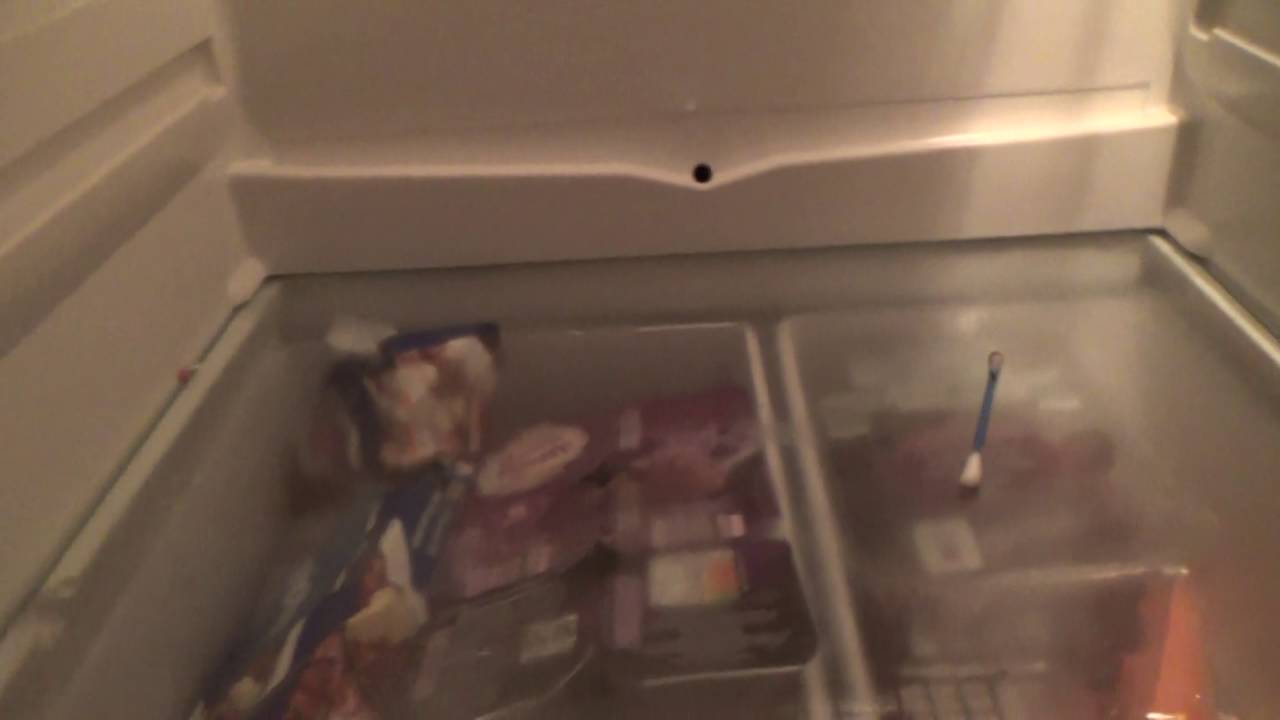
Solved: Why Is There Water At The Bottom Of My Fridge?
A puddle of water at the bottom of your fridge is a common and often puzzling issue. Typically, this water is caused by condensation that hasn’t drained properly or by a defrost cycle malfunctioning. Don’t worry; we’ll break down the most frequent culprits behind your fridge bottom wet problem.
Deciphering the Mystery: Common Causes of Fridge Water Leaks
When you discover water pooling at the base of your refrigerator, it’s easy to feel a sense of alarm. However, this fridge water leak is usually a symptom of a few key issues, most often related to temperature regulation and water management. Let’s dive into the specifics.
The Defrost Drain: A Clogged Culprit
Modern refrigerators have an automatic defrost system to prevent ice buildup in the freezer. This system heats up periodically, melting any frost. The resulting water then flows through a small drain tube, usually located at the back of the freezer compartment, and empties into a drain pan near the compressor, where it evaporates.
Why the Defrost Drain Gets Clogged
Several things can block this crucial drain:
- Food Debris: Small particles of food can get washed down during defrosting and accumulate in the narrow drain tube.
- Ice Buildup: If the defrost heater or thermostat isn’t working correctly, ice can melt and then refreeze within the drain tube, creating a blockage. This is a common reason for freezer water on floor issues, which can then migrate forward into the fridge section.
- Condensation: Over time, condensation can freeze and build up in the drain tube, especially in humid environments or if the door seals aren’t tight.
Signs of a Clogged Defrost Drain
- Visible ice buildup in the freezer, particularly at the back.
- Water leaking from the freezer or refrigerator compartment.
- The fridge not cooling properly, as the ice buildup can block airflow.
- A persistent puddle of water at the bottom of the fridge.
Fridge Condensation: Nature’s Moisture
All refrigerators produce condensation. This is normal. The cold air inside your fridge is drier than the warmer, humid air outside. When warm, moist air enters the fridge (usually when you open the door), the moisture condenses onto the cold surfaces.
Where Condensation Normally Goes
Ideally, this condensation collects on the evaporator coils in the freezer, melts during the defrost cycle, and drains away as described above.
When Condensation Becomes a Problem
- Damaged Door Seals: If the rubber seals around your fridge and freezer doors are worn, cracked, or dirty, they allow warm, moist air to constantly enter the appliance. This leads to excessive condensation, which can then overflow the drain pan or freeze in the wrong places, eventually causing a leak.
- Frequent Door Opening: Opening the fridge door too often or for too long allows more humid air inside, increasing condensation.
- High Humidity Environments: If your kitchen is naturally very humid, your fridge will have to work harder to manage moisture, making it more prone to condensation issues.
The Water Dispenser and Ice Maker: Leaky Components
If your refrigerator has a water dispenser or an ice maker, these are prime suspects for a fridge water leak.
Water Dispenser Issues
- Loose Connections: The water line connecting to the dispenser can become loose over time, especially at the back of the fridge or where it enters the dispenser mechanism.
- Cracked Water Line: The plastic or copper tubing that supplies water to the dispenser can develop small cracks or kinks, leading to slow leaks.
- Faulty Dispenser Valve: The valve that controls water flow to the dispenser might be damaged or not closing properly, causing a drip.
- Frozen Water Line: If the water line runs through a cold area without adequate protection, it can freeze and burst, causing a significant leak. This is a common cause of a leaky fridge water line.
Ice Maker Problems
- Overfilling Ice Maker: If the ice maker isn’t filling correctly, it can overflow water, which then freezes and can cause a blockage or leak.
- Faulty Water Inlet Valve: This valve controls the water supply to the ice maker. If it’s not shutting off properly, it can lead to continuous dripping.
- Clogged Ice Chute: If the chute where ice dispenses gets blocked with ice, water meant for ice production can back up and leak.
Fridge Not Cooling Water: A Related Symptom
Sometimes, the problem of water at the bottom of your fridge is linked to the appliance not cooling properly. If the fridge not cooling water effectively, it could be a sign of a more systemic issue.
- Blocked Air Vents: Obstructions inside the fridge or freezer can prevent cold air from circulating, leading to warmer temperatures and increased condensation.
- Dirty Condenser Coils: Located at the back or bottom of the fridge, these coils release heat. If they are covered in dust and debris, the fridge can’t dissipate heat efficiently, leading to reduced cooling and potential condensation problems.
- Faulty Evaporator Fan: This fan circulates cold air. If it’s not working, the fridge won’t cool evenly, and ice can build up, causing defrost issues.
Melting Ice Fridge: The Defrost Cycle Gone Wrong
When you notice melting ice fridge, it directly points to the defrost cycle. While designed to prevent ice buildup, a malfunctioning defrost system can lead to an excess of water.
- Defrost Heater Failure: If the heater doesn’t turn on, frost will continue to build up on the evaporator coils. When the system eventually attempts a defrost (or if you manually defrost), a large amount of water will be produced.
- Defrost Thermostat Failure: This thermostat tells the defrost heater when to turn on and off. If it fails, the heater may not engage, leading to ice buildup and subsequent water issues.
- Defrost Timer Malfunction: Similar to the thermostat, a faulty timer can disrupt the defrost cycle, causing either too much or too little defrosting, both of which can lead to water problems.
Troubleshooting Steps: Finding and Fixing the Leak
When faced with refrigerator water pooling, a systematic approach to troubleshooting is key.
Step 1: Safety First!
Always unplug your refrigerator before attempting any internal inspection or cleaning. This prevents electrical shock.
Step 2: Identify the Source of the Water
- Is the water inside the fridge or outside? Water inside often points to internal defrost or condensation issues. Water outside might indicate a problem with the external water line or drain pan.
- Does the water smell or look dirty? This can help differentiate between clean condensation water and potentially spoiled food juices.
Step 3: Inspect the Defrost Drain and Pan
Inspecting the Defrost Drain
- Locate the drain: In most refrigerators, you’ll find the defrost drain opening at the back of the freezer compartment, usually behind a panel. You might need to remove shelves and drawers to access it.
- Check for ice or debris: Use a flashlight to look for any visible blockages.
- Clear the drain:
- Warm water: Pour small amounts of warm (not boiling) water down the drain to melt ice. A turkey baster can be useful here.
- Pipe cleaner or flexible wire: Gently insert a pipe cleaner or a thin, flexible wire into the drain to dislodge debris. Be careful not to puncture the tubing.
- Turkey baster with warm water and a little vinegar: Vinegar can help break down minor blockages and clean the tube.
Inspecting the Drain Pan
- Locate the drain pan: This is usually situated at the bottom rear of the refrigerator, near the compressor. You may need to remove a back panel.
- Check for overfilling or cracks: If the pan is full of water, it indicates the defrost drain is backed up. If it’s cracked, it will need to be replaced.
- Clean the drain pan: Remove any debris or standing water. A dirty drain pan can lead to mold and odors.
Step 4: Examine Door Seals
- Clean the seals: Use warm, soapy water and a soft cloth to clean the refrigerator and freezer door seals. Dirt and grime can prevent a proper seal.
- Check for damage: Inspect the seals for any tears, cracks, or stiffness. A simple test is to close the door on a piece of paper. If you can easily pull the paper out, the seal is weak and needs replacement.
Step 5: Check the Water Dispenser and Ice Maker Lines
Water Dispenser Line
- Trace the water line: Follow the water line from the wall connection to the back of the refrigerator.
- Inspect for kinks or damage: Look for any visible damage, kinks, or loose fittings.
- Tighten connections: If you find a loose connection, gently tighten it with a wrench. Be careful not to overtighten.
- Check the filter housing: If your fridge has a water filter, ensure it’s properly seated and not leaking.
Ice Maker Line
- Inspect the ice maker fill tube: Ensure it’s not bent or obstructed.
- Check the water inlet valve: This is usually located at the back of the fridge where the water line connects. Look for any drips or corrosion around it.
Step 6: Clean the Condenser Coils
- Locate the coils: They are usually found at the back of the fridge or underneath, behind a kick plate.
- Unplug the fridge.
- Use a vacuum cleaner with a brush attachment or a coil cleaning brush: Gently brush away dust and debris from the coils. Clean coils allow the fridge to run more efficiently and reduce the likelihood of condensation issues.
Step 7: Ensure Proper Airflow
- Check for blocked vents: Make sure food items are not pushed against the air vents inside the refrigerator and freezer compartments. These vents are crucial for circulating cold air.
When to Call a Professional
While many fridge water leaks are DIY-fixable, some issues require the expertise of an appliance repair technician. You should consider calling a professional if:
- You’ve tried the above steps, and the refrigerator water pooling persists.
- You suspect a problem with the defroster drain clogged beyond simple cleaning.
- The water dispenser leak is significant, or you’re uncomfortable working with water lines.
- Your fridge not cooling water effectively despite cleaning the coils and checking vents.
- You suspect a problem with internal components like the defrost heater, thermostat, or fan motor.
- You have a leaky fridge water line that you can’t locate or fix.
Preventative Maintenance: Keeping Your Fridge Dry
Regular maintenance can prevent many common fridge water problems.
- Clean door seals monthly: Wipe them down to ensure a good seal and remove any sticky residue.
- Check for frost buildup regularly: If you see excessive frost in the freezer, investigate the defrost system.
- Clean condenser coils annually: This improves efficiency and reduces strain on the cooling system.
- Don’t overstuff the fridge: Allow for proper air circulation.
- Inspect water lines periodically: Look for any signs of wear or damage.
- Replace water filters as recommended: This ensures proper water flow and prevents clogs.
Frequently Asked Questions (FAQ)
Q1: Is it normal to have a small amount of water in the bottom of my fridge sometimes?
A1: Yes, a very small amount of condensation might collect if the door is opened frequently or humidity is high, but significant pooling is not normal.
Q2: My freezer is leaking water onto the floor. What’s the most likely cause?
A2: This is often due to a clogged defrost drain tube in the freezer. The melted ice from the defrost cycle can’t escape and overflows.
Q3: Can a dirty fridge cause water leaks?
A3: Yes, dirt on the condenser coils can make the fridge work harder, leading to overheating and increased condensation, which can cause leaks.
Q4: My fridge water dispenser is dripping. What should I do?
A4: Check the connections to the water line, the water filter housing, and the dispenser mechanism itself for any loose fittings or cracks.
Q5: How often should I clean my refrigerator’s drain pan?
A5: It’s a good idea to check and clean the drain pan whenever you clean the refrigerator’s interior, or at least every 3-6 months, to prevent odors and potential clogs.
Q6: My fridge has water pooling, but the freezer seems fine. Where else could the water be coming from?
A6: The leak might be originating from the refrigerator compartment itself, possibly from condensation buildup on the back wall or a faulty water inlet valve if your fridge has one for the refrigerator section.
By systematically addressing these potential issues, you can effectively solve the mystery of why there’s water at the bottom of your fridge and restore your appliance to optimal working order.