
Does your air conditioner blow out a musty smell? You’re not alone! A musty smell from your air conditioner can be caused by mold, mildew, or stagnant water buildup. This blog post will guide you through diagnosing the source of the smell and provide effective methods to eliminate it, ensuring your home’s air is fresh and clean. We’ll cover everything from simple DIY fixes to when it’s time to call in the professionals.
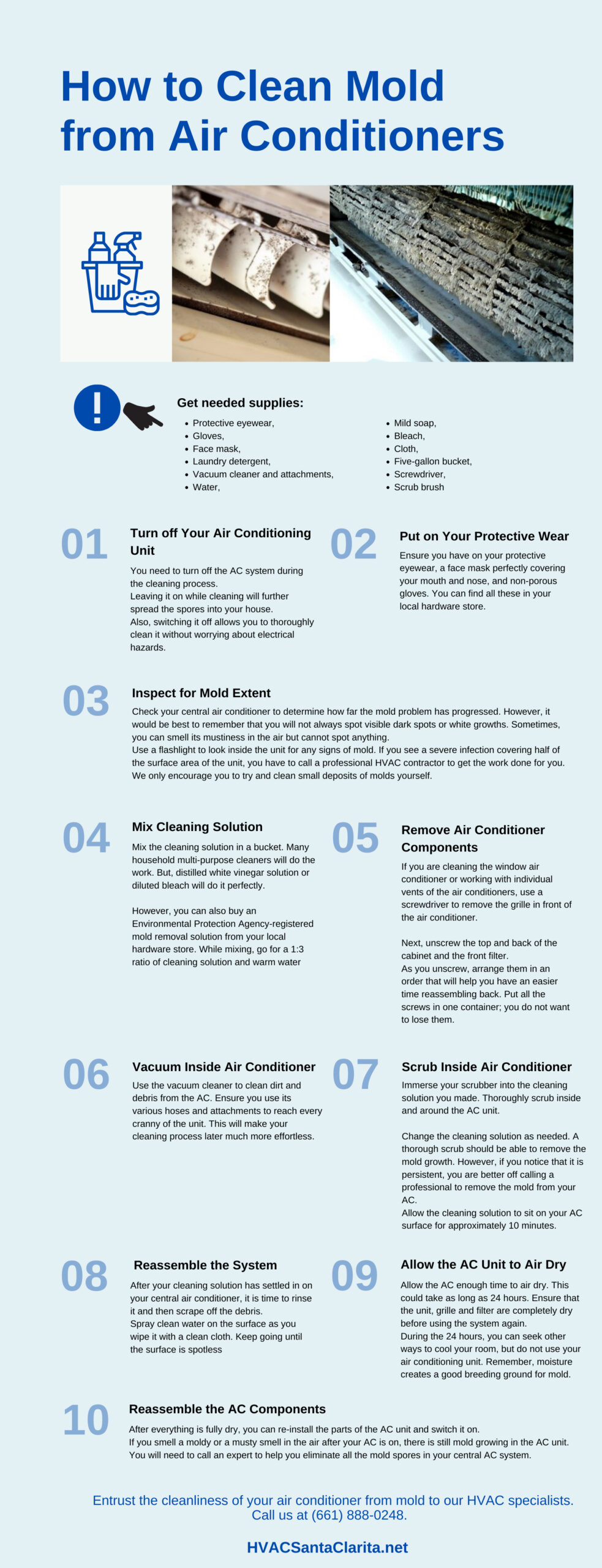
Image Source: hvacsantaclarita.net
Why Does My Air Conditioner Smell Musty?
That unpleasant, damp odor often associated with your AC isn’t just a nuisance; it’s a sign that something is amiss within your system. The most common culprits are biological growths like mold and mildew, thriving in the dark, moist environment that an air conditioner can provide. Stagnant water is another primary cause for a damp AC odor. When water doesn’t drain properly, it can pool in various parts of the system, creating a breeding ground for bacteria and fungi.
The Culprits Behind That Musty AC Smell
Several factors contribute to that pervasive moldy AC smell:
- Excess Moisture: Air conditioners work by removing humidity from the air. If this moisture isn’t drained away correctly, it can accumulate.
- Dirty Air Filters: A clogged air filter traps dust, debris, and moisture, which can then lead to mold growth.
- Blocked Condensate Drain Line: This is a crucial component that carries water away from your AC. If it gets clogged, water backs up.
- Dirty Evaporator Coils: These coils cool the air. They can become coated with dust and moisture, encouraging mold and mildew.
- Dirty Blower Wheel: The blower wheel circulates air. If it’s dirty, it can spread mold spores and dust throughout your home.
- Ductwork Issues: Mold or mildew can grow within your ductwork if it’s damaged or has accumulated debris.
- Refrigerant Leaks: While less common, a refrigerant leak can sometimes lead to unusual smells, though typically not musty ones.
Fathoming the Growth of Mold and Mildew
Mold and mildew are types of fungi. They need moisture, warmth, and organic material to grow. Your air conditioner provides all three. The dark, enclosed spaces, combined with condensation that naturally forms on cooling coils, create an ideal habitat. When mold spores are present in the air, they can land on these damp surfaces and begin to colonize. This is how a mildew in air conditioner problem starts.
The Role of Stagnant Water
A properly functioning air conditioner collects condensation and directs it out of your home through a drain line. If this drain line becomes clogged with algae, sludge, or debris, water will back up. This pooled water can then stagnate, creating a fertile environment for bacteria and mold. The resulting damp AC odor can be quite strong and noticeable.
Identifying the Source of the Smell
Before you can tackle the musty smell, you need to pinpoint where it’s coming from. This involves a bit of detective work.
Common Places to Investigate
- Air Filters: This is the easiest place to start.
- Indoor Unit (Air Handler): Open the access panel to inspect the evaporator coils and drain pan.
- Drain Line: Check for blockages or leaks.
- Vents and Registers: Sniff around your AC vents. Does the smell seem stronger in certain rooms? This might indicate a problem localized to specific ductwork or a vent cover.
- The Outdoor Unit: While less likely to cause a musty smell, it’s worth a quick visual inspection for any obvious issues.
When to Call a Professional
If you’re not comfortable inspecting internal components or if you suspect a more complex issue like a refrigerant leak or significant mold growth in your ductwork, it’s best to call a qualified HVAC technician. They have the tools and expertise to diagnose and fix the problem safely.
DIY Solutions: Getting Rid of the Musty Smell
There are several effective DIY methods you can try to eliminate AC odor. These often involve cleaning the components that are prone to moisture buildup and mold growth.
1. AC Filter Replacement: The First Step
A dirty filter is a frequent cause of bad smells. Replacing your air filter is a simple yet crucial step in AC cleaning for smell.
How Often Should You Replace Your AC Filter?
- Standard Filters: Every 1-3 months, depending on your home environment (pets, allergies, dust levels).
- High-Efficiency Filters: May last longer, but check the manufacturer’s recommendations.
Steps for AC Filter Replacement Smell:
- Turn off your AC unit. This is essential for safety.
- Locate the filter. It’s usually in the return air duct, near the air handler, or in a wall/ceiling grille.
- Note the filter size and airflow direction. This is printed on the filter frame.
- Remove the old filter. Slide it out carefully.
- Install the new filter. Ensure the airflow arrow points in the correct direction (usually towards the air handler).
- Turn your AC back on.
An AC filter replacement smell might occur if the new filter is significantly different or if the old one was severely contaminated and left residue. However, a fresh filter typically removes smells. If a musty smell persists after replacement, the issue lies elsewhere.
2. Cleaning the Evaporator Coils
The evaporator coils are where the magic of cooling happens, but they can also be a prime spot for mold.
Materials Needed:
- Protective gloves
- Safety glasses
- Soft brush or vacuum cleaner with a brush attachment
- Coil cleaner spray (available at hardware stores)
- Clean cloths
- Spray bottle with water
Coil Cleaning Process:
- Turn off the AC power. Double-check that it’s completely off at the breaker.
- Access the evaporator coils. This usually involves removing a panel on the indoor unit. Refer to your AC manual if unsure.
- Gently brush away loose debris. Use a soft brush or vacuum attachment to remove dust and dirt. Be careful not to bend the delicate coil fins.
- Apply coil cleaner. Follow the instructions on the cleaner product. Some are no-rinse, while others require rinsing.
- Rinse (if necessary). Use a spray bottle with clean water to rinse away the cleaner and loosened grime.
- Dry the coils. Allow them to air dry or gently wipe them with a clean cloth.
- Reassemble the unit.
- Turn the power back on.
This AC cleaning for smell is effective because it removes the food source for mold.
3. AC Drain Pan Cleaning
A dirty drain pan is a major contributor to damp AC odor.
Materials Needed:
- Protective gloves
- Safety glasses
- Sponge or shop vacuum
- Mild bleach solution (1 part bleach to 10 parts water) or a specialized drain pan cleaner
- Clean cloths
Drain Pan Cleaning Steps:
- Turn off the AC power.
- Locate the drain pan. It’s usually beneath the evaporator coils.
- Remove standing water. Use a sponge or a wet/dry vacuum to empty the pan.
- Clean the pan. Scrub the pan with the bleach solution or cleaner to kill any mold or mildew.
- Rinse thoroughly. Ensure all cleaning solution is washed away.
- Dry the pan.
- Inspect the drain line opening. Make sure it’s clear.
- Reassemble and restore power.
This AC drain pan cleaning directly addresses stagnant water issues.
4. Clearing the Condensate Drain Line
A clogged drain line is the most common reason for water backing up and causing odors.
Materials Needed:
- Shop vacuum with a wet/dry attachment or a specialized drain cleaning tool (like a drain bladder or snake)
- Protective gloves
- Safety glasses
- Optional: A mixture of vinegar and water or a specialized AC drain line cleaner
Drain Line Clearing Process:
- Turn off the AC power.
- Locate the drain line exit point. This is usually a PVC pipe on the exterior of your home, near the outdoor unit.
- Attach a shop vacuum. Seal the vacuum hose around the drain line exit point to create suction. Run the vacuum for a few minutes to pull out any clogs.
- Alternatively, use a drain cleaning tool. Insert a flexible drain snake or drain bladder into the line and work it through to dislodge debris.
- Flush the line (optional but recommended). Pour a mixture of distilled white vinegar and water (or a specialized cleaner) down the line to help dissolve sludge and kill mold. Some recommend doing this from the access point near the air handler.
- Flush with water. After the vinegar or cleaner has sat for a bit, flush with clean water.
- Check for airflow. Ensure water can now flow freely through the line.
A clear drain line is essential for preventing musty AC issues related to water backup.
5. Cleaning the Blower Wheel and Motor
The blower wheel can accumulate dust and grime, contributing to air quality issues.
Materials Needed:
- Protective gloves
- Safety glasses
- Soft brush
- Vacuum cleaner with hose attachment
- Degreaser spray (optional, use sparingly and as directed)
- Clean cloths
Blower Wheel Cleaning:
- Turn off the AC power.
- Access the blower motor and wheel. This usually involves removing the blower assembly.
- Gently brush and vacuum the blower wheel. Remove dust and debris from the fins.
- Wipe down the motor housing.
- Use a degreaser (if necessary). Apply to a cloth, not directly to the motor, to wipe away grime. Ensure it’s completely dry before reassembly.
- Reassemble.
- Restore power.
This thorough AC cleaning for smell tackles a less obvious source of odor.
6. Addressing AC Vent Smell
If the smell seems to emanate most strongly from your AC vent smell, you can try cleaning the vents themselves.
Vent Cleaning:
- Turn off the AC.
- Remove vent covers. Most are held by screws or clips.
- Wash vent covers. Use warm, soapy water. For stubborn grime or mold, a mild bleach solution can be used, but rinse thoroughly and dry completely.
- Wipe inside the vent opening. Use a damp cloth or a vacuum with a crevice tool to clean any visible dust or debris just inside the opening. Be cautious not to push debris further into the ductwork.
- Reattach dry vent covers.
- Restore AC power.
Advanced Cleaning and Prevention Strategies
For persistent smells or deeper issues, consider these strategies.
The Importance of Duct Cleaning
If mold or mildew has taken root within your ductwork, simple component cleaning might not be enough.
When is Duct Cleaning Necessary?
- After a prolonged period of disuse where moisture may have entered.
- If you suspect significant mold growth inside the ducts.
- If you’ve experienced water damage in or near your ductwork.
- If you have persistent allergies or respiratory issues and suspect your HVAC system is contributing.
Duct cleaning is typically a job for professionals who use specialized equipment to remove dust, debris, and biological contaminants from your entire duct system. This is a crucial step to eliminate AC odor if the source is within the ducts.
Using Air Purifiers
While not a direct cleaning method for the AC itself, air purifiers can significantly help manage odors in your home, especially those caused by airborne mold spores. Look for purifiers with HEPA filters and activated carbon filters, which are effective at capturing particles and adsorbing odors.
Dehumidifiers
If your home has high humidity levels, this can exacerbate AC-related moisture problems. Using a dehumidifier in damp areas of your home can help reduce overall humidity, making it harder for mold and mildew to thrive, thus aiding in preventing musty AC.
Understanding Regular Maintenance for Odor Prevention
Consistent maintenance is key to preventing musty AC smells from returning.
Annual HVAC Tune-Ups
Scheduling annual professional check-ups for your HVAC system is vital. Technicians can:
- Inspect and clean all internal components.
- Check refrigerant levels.
- Ensure proper drainage of the condensate line.
- Identify potential problems before they lead to odors or breakdowns.
Regular Filter Checks
Make it a habit to check your air filters monthly, even if you don’t replace them every time. This allows you to gauge how quickly they get dirty and adjust your replacement schedule accordingly.
Visual Inspections
Periodically, take a moment to look at the area around your indoor AC unit. Are there any signs of leaks or water pooling? A quick visual check can catch small problems before they escalate.
Troubleshooting Persistent Smells
What if the smell doesn’t go away after your DIY efforts?
When is it More Than Just Mold?
- Chemical Odors: If you smell something like burnt plastic or chemicals, turn off your AC immediately and call a professional. This could indicate electrical issues.
- Sewage Smells: This might point to a plumbing issue in your home that is being drawn into the HVAC system.
- Persistent Musty Smell: If cleaning doesn’t help, the mold or mildew might be deeply embedded in the coils, blower assembly, or ductwork, requiring professional intervention.
The Role of Professional AC Cleaning
Professional AC cleaning for smell involves more in-depth cleaning of components and potentially the ductwork. They have access to specialized tools and cleaners that can tackle stubborn mold and mildew. This is often the most effective way to eliminate AC odor when DIY methods fail.
Frequently Asked Questions (FAQ)
Q1: Can a dirty air conditioner make you sick?
A: Yes, if the air conditioner is contaminated with mold or bacteria, it can circulate these contaminants throughout your home, potentially causing or exacerbating respiratory problems, allergies, and other health issues.
Q2: How often should I clean my air conditioner?
A: You should replace your air filter every 1-3 months. The internal components like the evaporator coils and drain pan should ideally be cleaned annually by a professional, or you can perform some basic cleaning yourself every 6-12 months.
Q3: Is vinegar safe to use in my AC system?
A: Yes, diluted white vinegar is generally safe for cleaning AC components like the drain pan and drain line. It’s a natural disinfectant and can help break down sludge and kill mold. Always follow proper dilution ratios and ensure good ventilation.
Q4: What if I can’t find the source of the musty smell?
A: If you’ve tried the basic steps and the smell persists, it’s highly recommended to call a qualified HVAC technician. They have the expertise and tools to accurately diagnose and resolve the issue, whether it’s deep within the system or in the ductwork.
Q5: Does running the AC on a higher setting help get rid of smells?
A: No, changing the temperature setting will not eliminate a musty smell. The smell is caused by biological growth or stagnant water, which requires physical cleaning to remove.
By following these steps, you can effectively tackle that musty smell and ensure your air conditioner provides fresh, clean air, contributing to a healthier and more comfortable home environment. Remember, regular maintenance is your best defense against recurring odor issues.