
A 6 quart Dutch oven holds about 24 cups of liquid, making it ideal for cooking meals for 4-6 people.
When you’re browsing the cookware aisle or shopping online, the term “quart” can sometimes feel a bit abstract when it comes to kitchen tools. You see a beautiful, heavy Dutch oven, and it’s labeled as 6 quarts. But what does that really mean in terms of size and cooking capacity? How much food actually fits in a 6 quart Dutch oven? This guide is here to demystify the 6 quart Dutch oven, helping you visualize its size and understand its practical applications in your kitchen. We’ll dive into its dimensions, cooking capacity, and when it’s the perfect choice for your culinary adventures.
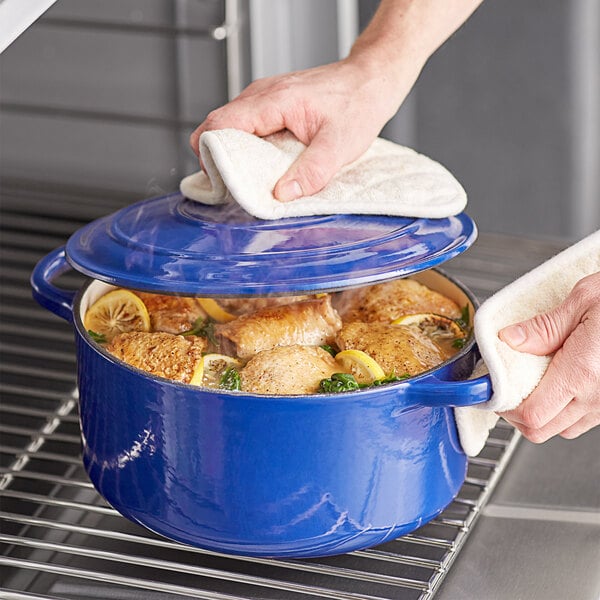
Image Source: cdnimg.webstaurantstore.com
Fathoming the 6 Quart Dutch Oven Capacity
The primary measure of a Dutch oven’s size is its volume, and the “6 quart” designation tells us exactly that. A quart is a unit of volume, and one US liquid quart is equal to 946.353 milliliters, or roughly 4 cups.
- Total Liquid Capacity: Therefore, a 6 quart Dutch oven can hold approximately 24 cups of liquid. This is a helpful benchmark, though it’s important to remember that you won’t typically fill a Dutch oven to the brim when cooking.
Deciphering the 6 Quart Dutch Oven Dimensions
While the quart measurement speaks to volume, the actual physical dimensions – the diameter and height – are also crucial for understanding how a 6 quart Dutch oven will fit on your stovetop or in your oven. These can vary slightly between brands and styles (e.g., shallow vs. deep), but here’s a general idea:
Typical 6 Quart Dutch Oven Dimensions:
| Feature | Approximate Measurement (Inches) | Approximate Measurement (CM) |
|---|---|---|
| Diameter | 10.5 – 11.5 inches | 26.7 – 29.2 cm |
| Height (with lid) | 7 – 8 inches | 17.8 – 20.3 cm |
| Height (without lid) | 4.5 – 5.5 inches | 11.4 – 14 cm |
| Interior Diameter | 9.5 – 10.5 inches | 24.1 – 26.7 cm |
| Interior Depth | 4 – 5 inches | 10.2 – 12.7 cm |
Key Points about Dimensions:
- Stovetop Fit: The diameter is important to ensure the pot sits securely on your burner. Most standard stovetop burners will accommodate the base of a 6 quart Dutch oven.
- Oven Fit: The overall height, including the lid, is important for fitting into your oven. Most ovens have ample clearance for this size.
- Surface Area: The interior diameter and depth dictate how much food can spread out and how many ingredients you can layer. A wider, shallower pot is great for searing, while a deeper pot is better for braising or making soup.
How Much Food Fits in a 6 Quart Dutch Oven?
This is where the “quart” measurement truly comes to life in the kitchen. The 6 quart dutch oven cooking capacity translates to a versatile cooking vessel suitable for a range of meal types and quantities.
- Serving Size: A 6 quart Dutch oven is generally considered ideal for serving 4 to 6 people. This can range from hearty main courses with sides to larger batches of soups and stews.
- Roasts: You can typically fit a medium-sized roast, such as a 3-4 pound chicken or a pork shoulder, comfortably in a 6 quart Dutch oven. This allows for even cooking and tender results through braising.
- Soups and Stews: For soups and stews, you can make a generous batch that will likely provide leftovers. Think of it as holding about 10-12 average-sized bowls of your favorite comfort food.
- Casseroles and Bakes: It’s perfect for casseroles, baked pastas, or even baking bread. The capacity allows for multiple layers of ingredients without overflowing.
- One-Pot Meals: This size is fantastic for creating delicious one-pot meals, allowing you to cook proteins, vegetables, and grains all together.
The 6 Quart Dutch Oven Size Comparison
To better grasp the size of a 6 quart Dutch oven, let’s compare it to other common cookware sizes:
- vs. 4 Quart Dutch Oven: A 4 quart Dutch oven is typically around 9-10 inches in diameter and is best suited for 2-3 servings. The 6 quart offers a significant step up in capacity, allowing for larger meals or more generous portions.
- vs. 5 Quart Dutch Oven: The difference between a 5 and 6 quart is noticeable, but not dramatic. A 5 quart is often slightly smaller in diameter or depth, generally serving 3-5 people. The 6 quart provides that extra bit of room that can make a difference for family dinners or when you want a little extra for leftovers.
- vs. 7-8 Quart Dutch Oven: These larger ovens are designed for bigger gatherings or substantial meal preparation, often serving 6-8 people or more. They are wider and/or deeper than a 6 quart.
Table: Dutch Oven Volume 6 Quart vs. Other Common Sizes
| Quart Size | Typical Serving Size | Key Uses |
|---|---|---|
| 3-4 Quart | 2-3 people | Small batches, side dishes, smaller roasts |
| 6 Quart | 4-6 people | Family meals, roasts, stews, casseroles |
| 7-8 Quart | 6-8 people | Larger gatherings, big roasts, batch cooking |
| 10+ Quart | 8+ people | Big holiday meals, entertaining, very large batches |
When Is a 6 Quart Dutch Oven the Best Choice?
The 6 quart dutch oven for families is a workhorse. It hits a sweet spot for many households. Here’s when it shines:
- Typical Family Size: If you have 2 adults and 1-3 children, a 6 quart is often the perfect size for everyday family dinners.
- Desire for Leftovers: Even for smaller families, a 6 quart allows you to cook enough for dinner plus lunch the next day, without having an overwhelming amount of food.
- Versatile Cooking: It’s large enough for most braises, roasts, soups, stews, and casseroles that you’d make for a family.
- Comfortable Baking: For most bread recipes and smaller cakes or cobblers, it provides ample space.
If you frequently host large dinner parties (more than 6-8 guests) or consistently cook for a very large family, you might consider a larger size. Conversely, if you primarily cook for one or two people, a smaller Dutch oven (3-4 quarts) might be more practical.
The 6 Quart Dutch Oven Recipe Size
When a recipe calls for a Dutch oven, and it doesn’t specify a size, a 6 quart is often the default, assuming a standard recipe meant for a family.
- Recipe Adaptability: Most recipes designed for a 5-7 quart Dutch oven can be successfully prepared in a 6 quart model. You might find a little extra space in a 6 quart for a recipe intended for a 5 quart, which is generally a good thing as it reduces the chance of boil-overs.
- Ingredient Layering: The depth of a 6 quart Dutch oven is crucial for recipes that involve layering ingredients, like a pot roast with vegetables. You can achieve a good, even distribution of heat and flavor.
- Surface Area for Browning: The interior diameter provides enough surface area for browning meats and sautéing aromatics effectively before braising or stewing. This step is key for developing deep flavors.
Considerations for Specific Cooking Styles
- Braising and Stewing: This is where the 6 quart dutch oven capacity truly excels. It holds enough liquid and ingredients to create rich, tender braises and hearty stews that simmer beautifully. The tight-fitting lid traps moisture and heat, ensuring slow-cooked perfection.
- Baking Bread: Many popular bread recipes, especially no-knead varieties, call for a Dutch oven to mimic the conditions of a professional bread oven. A 6 quart is excellent for a standard loaf, providing the necessary space for the dough to rise and the heat retention for a crispy crust.
- Searing: While a wider, shallower pan might be preferred by some for searing large cuts of meat, a 6 quart Dutch oven still offers a decent surface area. You may need to sear in batches to avoid overcrowding the pan, which is essential for achieving a good sear.
- Soups and Broths: For making large batches of flavorful broths or hearty soups, the dutch oven volume 6 quart is more than sufficient. You can load it up with bones, vegetables, and aromatics for a stock that will last for days.
The 6 Quart Dutch Oven Weight
Dutch ovens are known for their substantial weight, and this is a sign of their durable construction and excellent heat retention. A 6 quart dutch oven weight can vary depending on the material (cast iron is heaviest), the thickness of the enamel, and the lid design.
Typical Weight Range:
- Empty: A 6 quart enameled cast iron Dutch oven typically weighs between 10 to 14 pounds (approximately 4.5 to 6.3 kg) when empty.
- With Food: When filled with ingredients, the weight will naturally increase. This heft is part of what makes them so effective for even cooking, but it’s also something to consider when lifting or moving them.
What Contributes to the Weight?
- Cast Iron Core: The primary component is cast iron, a dense metal known for its durability and heat-holding properties.
- Enameled Coating: While enamel adds a protective and aesthetic layer, it also adds some weight. Thicker enamel coatings can contribute slightly more.
- Lid Design: The lid also contains cast iron and often has internal “nubs” or a ridged surface to help condensation drip back into the pot, adding to its weight.
Why Weight Matters
The substantial weight of a Dutch oven is not a drawback; it’s a feature that contributes to its performance:
- Heat Retention: Heavy cast iron holds heat exceptionally well, distributing it evenly and preventing hot spots. This means your food cooks consistently.
- Heat Storage: It also stores heat, allowing for a good sear when you first start cooking and maintaining a steady temperature during long braises or simmering.
- Stability: The weight makes the Dutch oven stable on the stovetop, reducing the risk of it tipping over.
Choosing the Best 6 Quart Dutch Oven
When looking for the best 6 quart Dutch oven, consider these factors:
- Material:
- Enameled Cast Iron: The most popular choice for home cooks. It offers excellent heat distribution and retention, is non-reactive (meaning it won’t affect the taste of acidic foods), and comes in a wide range of colors. It’s also easier to clean than raw cast iron.
- Raw Cast Iron: Heavier and requires seasoning to prevent rust and create a non-stick surface. It’s incredibly durable but can react with acidic foods and requires more maintenance.
- Lid Fit: A tight-fitting lid is crucial for trapping steam and moisture, essential for braising and slow cooking. Check that it seals well.
- Handles: Look for comfortable, sturdy handles that are easy to grip, even when wearing oven mitts. Side handles are standard, but some have helper handles on the lid.
- Interior Color: Lighter interior colors can make it easier to monitor browning and assess the color of your food. Darker interiors can sometimes mask browning.
- Brand Reputation and Reviews: Research brands known for quality Dutch ovens and read customer reviews to gauge durability, performance, and customer satisfaction. Popular brands include Le Creuset, Staub, Lodge, and Cuisinart, among others.
Popular 6 Quart Dutch Oven Options
While “best” is subjective and depends on budget and specific needs, here are some highly regarded 6 quart dutch oven options:
- Le Creuset Signature Round Dutch Oven (6.75 Quart – often marketed similarly to a 6 quart in capacity): Renowned for its superior quality, excellent heat distribution, and beautiful enamel finish. It’s an investment piece.
- Staub Cast Iron Round Cocotte (6 Quart): Another premium option, known for its exceptional heat retention and the unique “aero-release” condensation system in the lid for exceptionally moist results.
- Lodge Enameled Cast Iron Dutch Oven (6 Quart): A more budget-friendly yet high-quality option. Lodge is a trusted name in cast iron, and their enameled Dutch ovens offer great performance without the premium price tag.
- Cuisinart Chef’s Classic Enameled Cast Iron (6 Quart): Often praised for its value and solid performance, offering a good balance of features and affordability.
Frequently Asked Questions (FAQ)
Q1: Can I make a large roast in a 6 quart Dutch oven?
Yes, you can typically fit a 3-4 pound roast, such as a whole chicken or a pork shoulder, in a 6 quart Dutch oven. For larger roasts, you might need a bigger size.
Q2: Is a 6 quart Dutch oven too big for 2 people?
It can be, but it’s also quite versatile. While it might produce more food than immediately needed for a meal for two, it’s excellent for making extra for leftovers or batch cooking. If you prefer smaller portions, a 3 or 4 quart might be more suitable.
Q3: What is the main advantage of a 6 quart Dutch oven?
Its main advantage is its versatility. It’s large enough to handle most family meals, roasts, stews, and baking needs, while still being manageable in terms of size and weight for everyday use.
Q4: How many cups is a 6 quart Dutch oven?
A 6 quart Dutch oven holds approximately 24 cups of liquid.
Q5: What is the typical diameter of a 6 quart Dutch oven?
The typical diameter is around 10.5 to 11.5 inches (26.7 to 29.2 cm).
In conclusion, the 6 quart Dutch oven is a cornerstone for many home kitchens. Its 6 quart dutch oven capacity makes it ideal for cooking for families, accommodating a wide range of recipes from hearty stews to baked goods. Its 6 quart dutch oven dimensions ensure it fits comfortably on stovetops and in ovens, while its robust 6 quart dutch oven weight speaks to its quality and excellent heat retention properties. Whether you’re a seasoned cook or just starting, investing in a best 6 quart dutch oven can elevate your cooking experience, providing a reliable and versatile tool for countless delicious meals.