
Do you ever look at old photographs and wonder how they capture such a timeless feeling? Film photography holds a special magic that digital cameras sometimes miss. Canon built some of the most legendary analog cameras ever made. But if you are looking to jump into the world of film with a Canon, you might feel a little lost. Which model is best for beginners? Is that vintage A-1 still worth buying today? Finding the perfect balance between quality, features, and price can feel like a real puzzle.
This guide cuts through the confusion. We will explore the best Canon film cameras available right now. You will learn exactly what makes each model special, from sturdy workhorses to sleek, easy-to-use options. By the end of this post, you will have the confidence to pick the Canon analog camera that perfectly matches your shooting style and budget.
Top Canon Analog Camera Recommendations

- Shutter Speed: The AE-1 offers a range of shutter speeds from 1/1000 to 2 seconds, along with a Bulb mode for long exposures, allowing for creative control over your shots.
- TTL Metering: Its built-in Through-The-Lens (TTL) metering system ensures accurate exposure readings, helping you capture the perfect shot in various lighting conditions.
- Interchangeable Lenses: Compatible with Canon FD lenses, the AE-1 opens up a world of photographic possibilities, from wide-angle to telephoto.
- Auto and Manual Modes: With both automatic and manual exposure settings, photographers can easily switch between point-and-shoot convenience and hands-on control.
- Durable Design: The camera features a robust metal body and a sleek, classic aesthetic, making it not only functional but also a stylish accessory.

- Models: Canon sold this camera as New EOS Kiss in Japan, EOS Rebel G in USA/Canada. They are essentially the same camera
- Autofocus Precision: The Rebel G features a reliable autofocus system with a wide-area autofocus point, ensuring accurate and sharp focus on your subjects, whether you’re shooting portraits, landscapes, or action scenes.
- User-Friendly Interface: Designed with simplicity in mind, the Rebel G’s intuitive controls and clear LCD display make it easy to adjust settings and manage your shooting preferences, even if you’re new to film photography.
- Versatile Shooting Modes: Enjoy a range of shooting modes, including full auto, program, aperture priority, and shutter priority. This flexibility allows you to experiment and capture stunning images in various conditions.
- Built-In Flash: The integrated flash provides reliable illumination for low-light environments and fill flash for bright conditions, ensuring well-exposed photos in diverse lighting situations.

- Item weight : 2.1 pounds
- Camera lens.description : 35 mm

- Program Mode: The AE-1 Program introduces a fully automatic exposure mode, where the camera automatically selects both the aperture and shutter speed for optimal exposure based on the light conditions. This feature simplifies shooting, especially for beginners or when shooting in fast-changing lighting environments.
- Manual Mode: For those who prefer full control, the camera also offers a manual mode where you can set both the aperture and shutter speed yourself. This flexibility allows for creative control over your images.
- Viewfinder: The camera features a bright viewfinder with a split-image rangefinder and microprism focusing aids, facilitating accurate manual focusing.
- Lens Compatibility: The AE-1 Program uses Canon's FD lens mount, providing compatibility with a wide range of Canon and third-party FD lenses.
- Film Handling: The camera is equipped with a manual film advance lever and a built-in light meter, which helps in determining the correct exposure settings. The light meter is powered by batteries, which are also used to operate the automatic exposure features.

- 35mm Film Format: The Rebel 2000 uses standard 35mm film, providing compatibility with a wide range of film types and offering the classic film photography experience.
- Autofocus System: It features a 7-point autofocus system, which helps in achieving accurate and quick focus on subjects, even in challenging shooting conditions.
- Built-In Flash: The camera includes a built-in pop-up flash, which can be used for additional lighting in low-light situations or as a fill flash to soften shadows.
- Exposure Modes: Program AE, Aperture Priority, Shutter Priority and Manual Mode
- Film Transport: It features automatic film loading, advancing, and rewinding, simplifying the process of handling film.
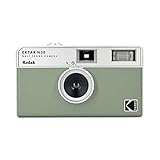
- 📷 Film-saving: You can have twice as many images per roll. For example, a film roll with 36 exposures can yield around 72 half-frame photos - doubled!
- 📷 Lightweight and Easy-to-use: The pocket-size camera is light and tiny, and hence convenient for you to bring along daily. Since its instructions are simple, it is suitable for all analog hobbyists.
- 📷 Built-in Flash: Turning on the flash by adjusting the silver ring around the lens so that you can use KODAK EKTAR H35 during days and nights, outdoor and indoor.
- 📷 Perfect for Beginners: The point-and-shoot camera is easy to use for new analogue hobbyists.
- 📷 Five colors: Off-white, black, brown, sage and sand. Neat and natural.
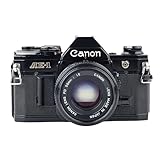
- Shutter Speed: The AE-1 offers a range of shutter speeds from 1/1000 to 2 seconds, along with a Bulb mode for long exposures, allowing for creative control over your shots.
- TTL Metering: Its built-in Through-The-Lens (TTL) metering system ensures accurate exposure readings, helping you capture the perfect shot in various lighting conditions.
- Interchangeable Lenses: Compatible with Canon FD lenses, the AE-1 opens up a world of photographic possibilities, from wide-angle to telephoto.
- Auto and Manual Modes: With both automatic and manual exposure settings, photographers can easily switch between point-and-shoot convenience and hands-on control.
- Durable Design: The camera features a robust metal body and a sleek, classic aesthetic, making it not only functional but also a stylish accessory.

- Versatile Film Camera: Compatible with both color and black & white film, offering endless creative possibilities
- Advanced Autofocus: Phase detection AF system with One-Shot and AI Servo modes for sharp, accurate shots
- Manual & Automatic Shutter Control: 30 sec. to 1/2000 sec. shutter speed range with manual and automatic settings
- Built-in Flash & Red-Eye Reduction: Auto pop-up flash with off-the-film metering and red-eye reduction for well-lit, natural portraits
- Durable & Reliable: Powered by two 3V CR123A lithium batteries, ensuring long-lasting performance
The Essential Guide to Buying Your Canon Analog Camera
Thinking about stepping into the wonderful world of film photography? Canon makes some legendary analog cameras. This guide helps you pick the right one.
Key Features to Look For
When you shop for a used or new-old-stock Canon film camera, some features really matter. These features determine how easy the camera is to use and what kind of photos you can take.
1. Metering System
- Through-The-Lens (TTL) Metering: This is the best. The camera reads the light coming through the lens. It gives you accurate exposure readings. Most SLR models have this.
- Match Needle/LED Meter: Older or simpler rangefinder cameras might have this. You adjust settings until the needles match.
2. Lens Mount System
Canon uses two main mount types for their older SLRs.
- FD Mount: Used on cameras before the EOS system (like the AE-1 or F-1). These lenses are great but usually require manual focusing on modern digital bodies if you adapt them.
- EF Mount: While primarily for digital, some late-model film SLRs used the EF mount. This means you can use modern Canon lenses!
3. Exposure Modes
Look for flexibility. Program (P), Aperture Priority (Av), and Manual (M) modes give you control. Aperture Priority lets you set the opening (f-stop), and the camera picks the shutter speed. This is fantastic for beginners.
Important Materials and Build Quality
Analog cameras are mechanical wonders. Their build quality affects longevity.
Body Construction
- Metal Chassis: Professional models (like the Canon F-1 or New F-1) use heavy metal frames. This makes them durable and helps them last decades. A solid metal body feels secure in your hands.
- Plastic Components: Consumer models (like the AE-1 Program) use more plastic. They are lighter and cheaper but might wear out faster, especially around the film advance lever.
Viewfinder and Mirror
A clean glass prism viewfinder is essential. Scratches or fungus inside the viewfinder reduce image quality because you see a poor picture before you even take it. Good light seals around the film door keep light leaks out. These rubber seals often dry out and need replacement.
Factors That Improve or Reduce Quality
The camera body sets the stage, but the lens finishes the performance.
Lens Quality (The Big Factor)
The lens quality significantly improves your photo sharpness. Canon’s older **’L’ series** lenses are top-tier, even today. Simple, prime lenses (fixed focal length like a 50mm f/1.8) often outperform complex zoom lenses in sharpness.
Electronic vs. Mechanical
- Mechanical Cameras: Cameras that rely on springs and gears (like the original Canon F-1) often work without batteries. This reliability improves use in extreme conditions.
- Electronic Cameras: Cameras relying heavily on circuit boards (like the AE-1) need working batteries. If the electronics fail, the camera often stops working completely, reducing usability.
User Experience and Use Cases
Think about where and how you plan to shoot.
For Beginners and Casual Use
Cameras like the **Canon AE-1 Program** are perfect. They are light, easy to load, and offer automatic modes. They let you focus on composition and light without worrying too much about complex settings.
For Enthusiasts and Professionals
Look at the **Canon F-1 series**. These cameras handle harsh weather. They offer faster shooting speeds and more manual control. They are heavier but provide a more engaging, tactile shooting experience.
10 Frequently Asked Questions (FAQ) About Buying Canon Analog Cameras
Q: Which Canon film camera is the best for a beginner?
A: The Canon AE-1 Program is highly recommended. It balances ease of use with quality lenses.
Q: Do I need batteries for a Canon film camera?
A: Most 1970s and 1980s Canon SLRs need batteries, primarily for the light meter and electronic shutter speeds. Mechanical cameras need minimal battery power.
Q: Are Canon FD lenses still good today?
A: Yes! Canon FD lenses are optically excellent. You can use them on modern mirrorless digital cameras with a simple, cheap adapter.
Q: What does “light seal replacement” mean?
A: Light seals are foam strips inside the camera back. They stop stray light from hitting your film. Old foam deteriorates, so these seals often need replacement to prevent light leaks.
Q: How do I check if the shutter is working correctly?
A: Set the camera to different shutter speeds (e.g., 1/125th and 1 second). Listen for a crisp sound at fast speeds and watch the shutter curtain open and close smoothly at slow speeds.
Q: What is “mirror slap”?
A: Mirror slap is the vibration caused when the internal mirror flips up before the shutter opens. Professional models often have a mirror lock-up feature to reduce this vibration for sharper photos.
Q: Should I buy a manual focus or autofocus film camera?
A: Almost all Canon film SLRs are manual focus, except for the very late EOS models. Manual focus is part of the film experience.
Q: What is a “prime lens”?
A: A prime lens has one fixed focal length (like 50mm). They usually have wider maximum apertures (lower f-numbers) and deliver sharper images than zoom lenses.
Q: How do I know if a used lens is clean?
A: Hold the lens up to a bright light source. Look through the front and back glass. You should not see any haze, fungus (looks like cobwebs), or deep scratches on the front element.
Q: Are Canon film cameras expensive to repair?
A: Simple mechanical repairs are often affordable. Complex electronic failures on older models can be difficult because parts are scarce. Stick to well-maintained, popular models for easier servicing.