
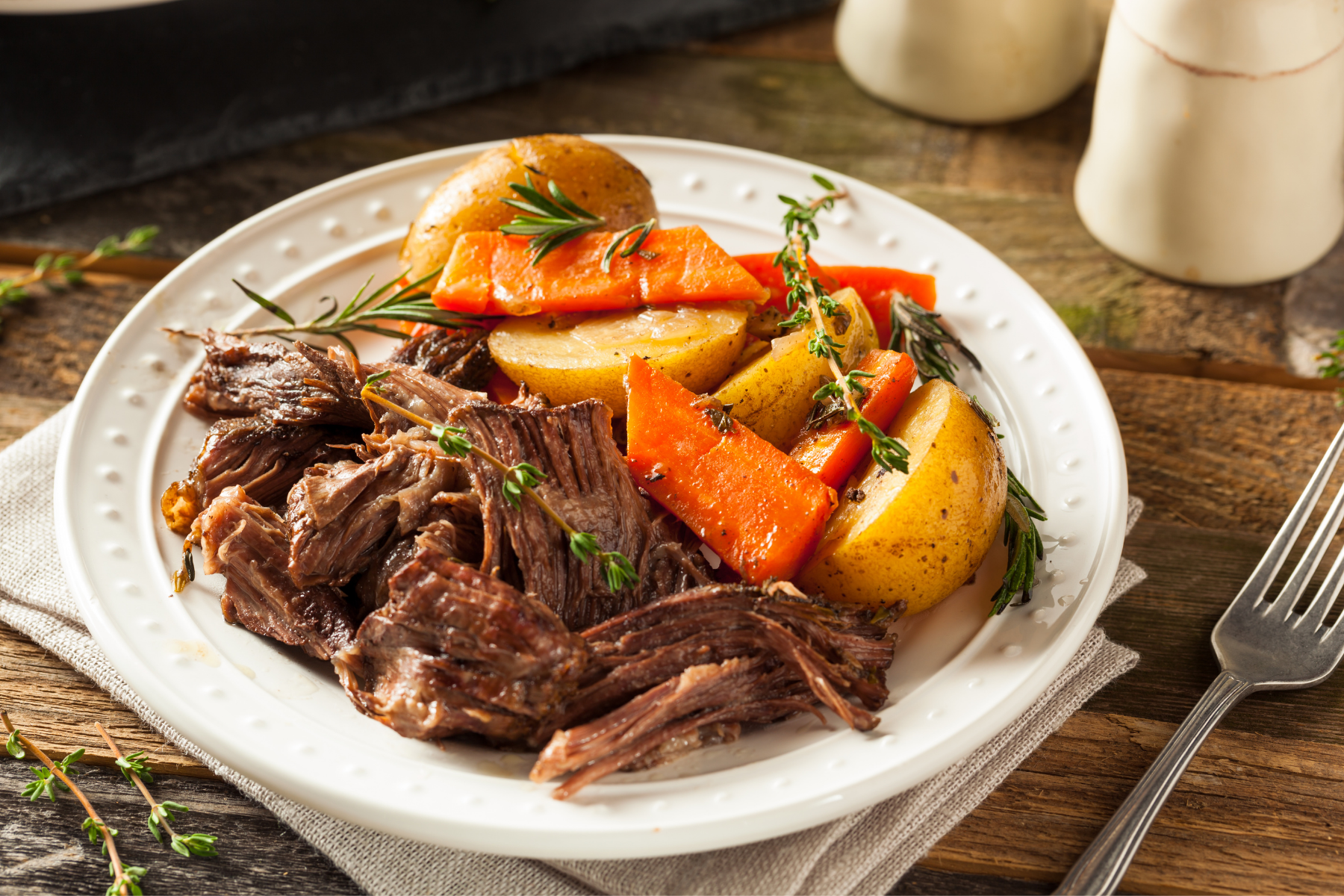
Image Source: christinaallday.com
Pot Roast Safety: How Long Is Pot Roast Good For In The Fridge?
Pot roast is generally good for 3 to 4 days in the refrigerator. This guideline is crucial for maintaining leftovers safety and preventing food spoilage.
Pot roast, that comforting, slow-cooked classic, is a beloved meal for many. But once it’s in the fridge, questions about its longevity naturally arise. How long is pot roast good for in the fridge? This is a common and important question concerning cooked beef storage and overall food safety tips. Knowing the proper pot roast storage time ensures you can safely enjoy those delicious leftovers and avoid the risks associated with consuming spoiled food. Let’s delve into the details of cooked roast last and how to keep your pot roast delicious and safe.
Deciphering Pot Roast Shelf Life
The general consensus from food safety authorities, including the USDA, is that cooked meat, including pot roast, can be safely stored in the refrigerator for 3 to 4 days. This timeframe is based on the understanding of bacterial growth rates at refrigerator temperatures. After these 3-4 days, even if the pot roast appears and smells fine, harmful bacteria may have begun to multiply to levels that can cause foodborne illness.
Factors Influencing Storage Time
While 3-4 days is the standard recommendation, several factors can influence how long your pot roast remains safe to eat.
- Initial Cooking Temperature: Ensuring the pot roast reaches a safe internal temperature during cooking is paramount. For beef, this is typically 145°F (63°C) with a three-minute rest time. Proper cooking kills most harmful bacteria.
- Cooling Process: How quickly the pot roast is cooled after cooking significantly impacts its safety. It should be refrigerated within two hours of cooking. If the ambient temperature is above 90°F (32°C), it should be refrigerated within one hour. Rapid cooling helps prevent bacteria from multiplying in the “danger zone” (between 40°F and 140°F or 4°C and 60°C).
- Storage Container: Airtight containers are essential for proper refrigerator storage guidelines. They prevent the pot roast from absorbing odors from other foods and, more importantly, from drying out or becoming contaminated by airborne bacteria.
- Refrigerator Temperature: Your refrigerator should be set to 40°F (4°C) or below. Consistent cold temperatures are vital for slowing down bacterial growth.
Best Practices for Pot Roast Storage
To maximize the pot roast storage time and ensure its safety, follow these best practices:
- Cool Down Quickly: As mentioned, refrigerate leftovers promptly. If you have a large amount of pot roast, divide it into smaller, shallow containers to help it cool down faster.
- Airtight is Key: Store the cooled pot roast in airtight containers. This is crucial for maintaining freshness and preventing contamination. You can also use heavy-duty aluminum foil or plastic wrap, ensuring a tight seal.
- Label and Date: A simple yet effective food safety tip is to label your containers with the contents and the date it was stored. This helps you keep track of how long it’s been in the fridge and when it needs to be consumed or discarded.
- Separate from Raw Foods: Always store cooked foods, like pot roast, above raw meats in the refrigerator to prevent cross-contamination.
Signs of Food Spoilage in Pot Roast
Recognizing the signs of food spoilage is your first line of defense against eating unsafe food. While appearance and smell are often good indicators, they aren’t always foolproof, as some harmful bacteria don’t produce noticeable changes. However, these are common signs to look out for:
- Off Smell: Freshly cooked pot roast has a mild, savory aroma. If you detect a sour, rancid, or “off” smell, it’s a strong indicator of spoilage.
- Slimy Texture: Cooked meat that feels slimy or sticky to the touch is a clear sign that bacteria have begun to break down the proteins.
- Unusual Color Changes: While pot roast can vary in color, any significant changes like a greenish, grayish, or dull brown hue where it shouldn’t be can signal spoilage.
- Mold Growth: Any visible mold on the pot roast means it’s time to discard it. Mold can produce toxins that are not destroyed by cooking.
If you are in doubt about the safety of your pot roast, it is always best to err on the side of caution and discard it. The potential consequences of foodborne illness are not worth the risk.
Reheating Pot Roast Safely
Enjoying reheated pot roast is a great way to savor this meal, but it must be done correctly to maintain safety.
Methods for Reheating
- Stovetop: The best method for reheating pot roast is often on the stovetop. Place the pot roast and its juices in a saucepan over medium-low heat. Stir occasionally until it’s heated through. This method helps the roast retain moisture.
- Oven: You can also reheat pot roast in the oven. Place it in an oven-safe dish, cover it with foil, and heat at a moderate temperature (around 325°F or 160°C) until heated through. Adding a splash of broth or water can help keep it moist.
- Microwave: While convenient, microwaving can sometimes lead to uneven heating. Ensure you stir the pot roast halfway through the reheating process to promote even cooking.
Ensuring Thorough Reheating
Regardless of the reheating method, it’s crucial to ensure the pot roast reaches an internal temperature of at least 165°F (74°C). Use a food thermometer to confirm this. Hot spots or lukewarm areas indicate that the food has not been heated sufficiently to kill any bacteria that may have developed during storage.
Freezing Pot Roast for Longer Storage
If you know you won’t be able to consume your pot roast within the 3-4 day window, freezing is an excellent option for extending its cooked beef storage life significantly.
Freezing Procedure
- Cool Completely: Ensure the pot roast is thoroughly cooled before freezing.
- Portion Appropriately: Divide the pot roast into portion sizes that you are likely to use. This makes thawing and reheating more convenient.
- Wrap Tightly: Use freezer-safe airtight containers or heavy-duty freezer bags. Remove as much air as possible before sealing to prevent freezer burn. Double-wrapping can provide extra protection.
- Label and Date: Just as with refrigeration, label and date your frozen pot roast.
Frozen Pot Roast Quality and Safety
Properly frozen pot roast can maintain good quality for 2 to 3 months. After this period, while it may still be safe to eat, the texture and flavor might degrade. When you’re ready to thaw, do so in the refrigerator overnight or in the microwave if you plan to cook it immediately. Never thaw pot roast at room temperature, as this allows bacteria to multiply rapidly in the thawing process.
The Importance of the “Best Before Date” for Roasts
While the term “best before date” is more commonly associated with store-bought items, it’s useful to think of the 3-4 day refrigerator guideline as the “best before date” for your homemade pot roast. This date is not about safety in the same way a “use by date” is, but rather about peak quality. However, with cooked meats, the line between quality and safety becomes very thin after a few days.
Differentiating “Best Before” and “Use By”
- Best Before: Indicates when the food is expected to be at its best quality. It doesn’t necessarily mean the food is unsafe after this date.
- Use By: This date is about safety. Food past its “use by” date should generally not be consumed.
For homemade cooked foods like pot roast, the 3-4 day guideline functions more like a “use by” date for safety. After this period, the risk of harmful bacterial growth increases significantly, even if the sensory cues of spoilage aren’t immediately apparent.
Why Proper Leftovers Safety Matters
Consuming food that has spoiled can lead to foodborne illnesses, commonly known as food poisoning. Symptoms can range from mild discomfort like nausea and vomiting to more severe conditions requiring medical attention.
Common Bacteria in Spoiled Meat
Several types of bacteria can contaminate and grow in cooked meats, including:
- Salmonella: Often associated with poultry but can also be found in beef.
- E. coli: Some strains can cause severe illness.
- Listeria monocytogenes: Particularly dangerous for pregnant women, older adults, and individuals with weakened immune systems.
- Staphylococcus aureus: Produces toxins that can cause rapid onset of symptoms.
Adhering to refrigerator storage guidelines and understanding pot roast storage time are critical steps in preventing the growth of these pathogens.
Frequently Asked Questions About Pot Roast Storage
Q1: Can I leave pot roast out on the counter overnight?
A1: No, never leave cooked pot roast out at room temperature for more than two hours (or one hour if the temperature is above 90°F/32°C). This is the ideal temperature range for rapid bacterial growth, and the food can become unsafe to eat.
Q2: My pot roast smells okay, but it looks a bit dry. Is it still safe to eat?
A2: Dryness alone doesn’t necessarily mean the pot roast is unsafe. It might be due to improper storage or overcooking. However, if you notice any other signs of spoilage alongside dryness (off smell, sliminess), it’s best to discard it. Always trust your senses, but be aware that some harmful bacteria don’t alter the smell or appearance.
Q3: How long can I keep gravy from pot roast in the fridge?
A3: Gravy, especially if it contains meat drippings, should be treated similarly to the pot roast itself. It is generally safe to store gravy for 3 to 4 days in the refrigerator in an airtight container. Ensure it is cooled and refrigerated promptly.
Q4: What’s the best way to reheat a whole pot roast?
A4: For a whole pot roast, reheating it in the oven is often the best method to ensure even heating without drying it out too much. Place it in an oven-safe dish, add some of the original juices or a little broth, cover tightly with foil, and heat at around 325°F (160°C) until the internal temperature reaches 165°F (74°C).
Q5: Does the type of meat affect how long pot roast is good for?
A5: The basic pot roast storage time guideline of 3-4 days applies to various types of beef used for pot roast (e.g., chuck roast, brisket). The core principles of cooling, storage temperature, and airtight packaging remain the same.
Q6: Is it safe to eat pot roast that has been in the fridge for 5 days?
A6: While some might risk it, it is generally not recommended. The USDA guidelines strongly advise consuming cooked meats within 3-4 days. After 5 days, the risk of harmful bacterial contamination increases significantly, even if no visible signs of spoilage are present. It’s best to discard it to avoid potential foodborne illness.
In conclusion, keeping your pot roast safe and enjoyable is all about following proper food safety tips and refrigerator storage guidelines. By adhering to the 3-4 day rule for cooked beef storage, cooling and storing it correctly, and being mindful of meat spoilage signs, you can confidently savor every delicious bite of your pot roast leftovers.