
If your air conditioner keeps turning off unexpectedly, it could be due to a variety of reasons, ranging from simple issues like a tripped breaker or a dirty filter to more complex problems like a failing compressor or thermostat malfunctions. Identifying the cause is key to restoring consistent cooling.
It’s frustrating when your air conditioner (AC) unit suddenly stops working, especially on a hot day. You set the thermostat, expecting cool air, but instead, the AC unit keeps turning off or cycling on and off. This intermittent AC operation can be caused by many things. Let’s explore the common culprits when your AC is failing to maintain a steady cool.
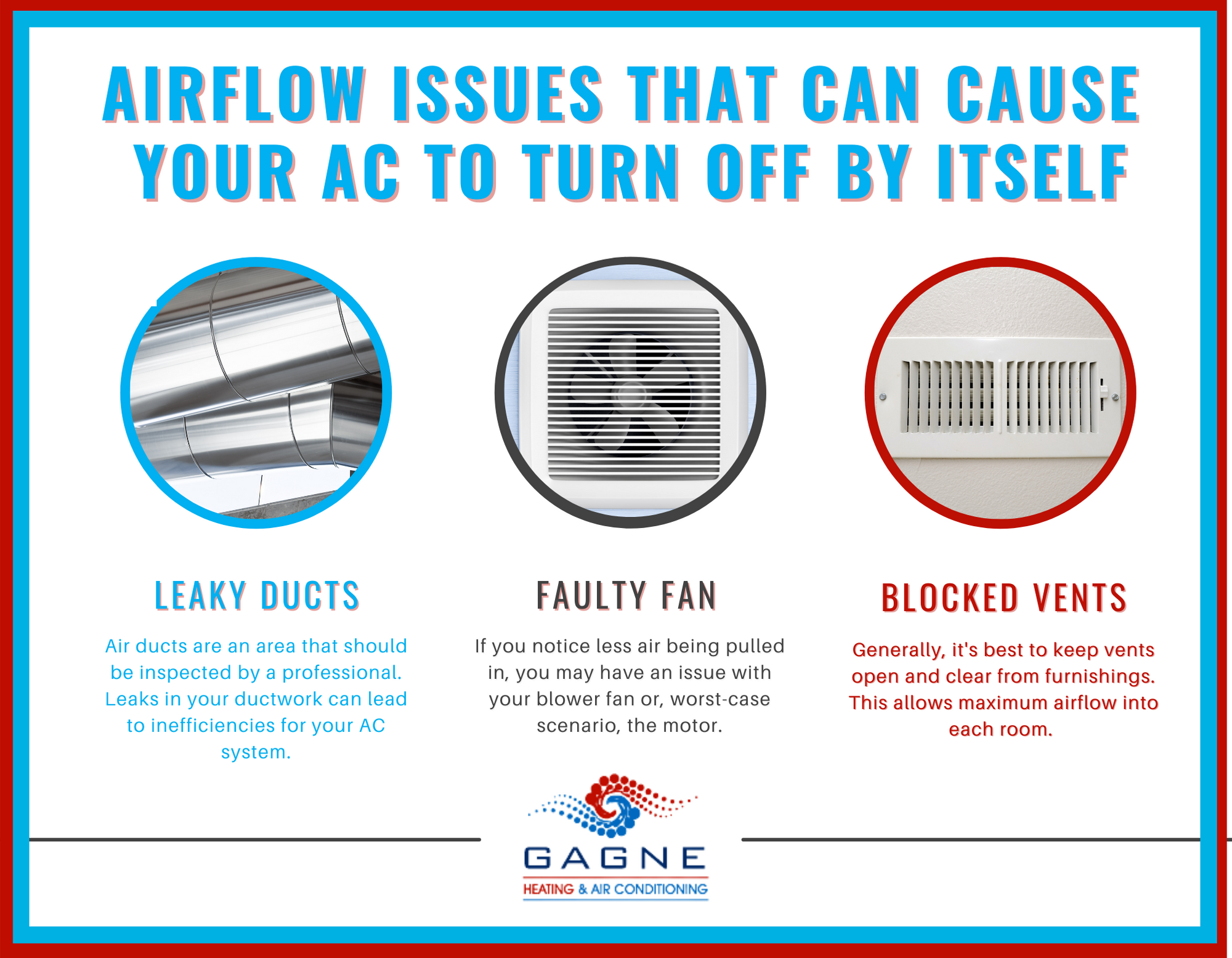
Image Source: gagneac.com
Common Reasons for Your AC Shutting Down
When your air conditioner cycles off prematurely, it’s signaling that something is not right. This can be a minor inconvenience or a sign of a more serious issue. Let’s break down the most frequent reasons why your AC unit keeps tripping or shutting down.
1. Thermostat Issues AC
Your thermostat is the brain of your AC system. If it’s not communicating correctly or is malfunctioning, it can cause erratic behavior, including your AC shutting down.
Low Batteries
This is the simplest fix. If your thermostat runs on batteries, and they’re low, it might not send a consistent signal to the AC unit.
- Check the battery indicator.
- Replace the batteries with fresh ones.
Incorrect Settings
It’s easy to accidentally bump the thermostat or have someone else in the house change the settings.
- Verify the mode: Ensure it’s set to “Cool” and not “Off” or “Fan Only.”
- Check the temperature setting: Make sure it’s set to a temperature lower than the current room temperature to trigger cooling.
Calibration Problems
Thermostats can become uncalibrated over time, meaning they don’t accurately read the room temperature. This can cause the AC to run longer than necessary or shut off too soon.
- Consult your thermostat manual for calibration instructions. Some digital thermostats have a self-calibration feature.
Faulty Thermostat
If the batteries are good, the settings are correct, and there are no calibration issues, the thermostat itself might be faulty.
- Signs of a faulty thermostat:
- Blank screen.
- Inaccurate temperature readings.
- System doesn’t respond to commands.
- AC turns on and off randomly.
- Replacement: A faulty thermostat will need to be replaced by a qualified HVAC technician.
2. Dirty AC Filter Shutdown
A clogged air filter is one of the most common and easily preventable reasons for AC problems. When the filter is dirty, it restricts airflow to the evaporator coil.
How a Dirty Filter Causes Shutdowns
- Reduced Airflow: The fan has to work harder to pull air through the clogged filter.
- Coil Freezing: Reduced airflow means less warm air passes over the evaporator coil. This can cause the coil to get too cold and freeze over.
- Overheating: When the evaporator coil freezes, it can’t efficiently absorb heat from your home. This can lead to the AC compressor turning off to protect itself from damage.
- System Strain: The entire system is under more strain, which can lead to intermittent AC operation and eventual AC shutting down.
When to Change Your Filter
- Check monthly: It’s a good habit to check your filter every month.
- Replace every 1-3 months: Depending on the type of filter, usage, and if you have pets or allergies, you may need to replace it more frequently.
Replacing the Filter
- Turn off the AC unit. Safety first!
- Locate the filter: It’s usually in the return air duct or inside the air handler.
- Note the size: Filters have their dimensions printed on them.
- Remove the old filter.
- Insert the new filter: Make sure the airflow arrow points in the correct direction (usually towards the furnace/air handler).
3. Refrigerant Leaks
Your air conditioner uses refrigerant (also known as Freon or coolant) to absorb heat from your home. If there’s a leak, the system won’t have enough refrigerant to cool effectively.
How Leaks Cause AC Shutting Down
- Low Refrigerant Levels: When refrigerant levels drop too low, the system can’t maintain the proper pressure.
- Evaporator Coil Freezing: Similar to a dirty filter, low refrigerant can cause the evaporator coil to freeze up.
- Pressure Switch Activation: Many AC units have low-pressure switches that will shut down the system to prevent compressor damage when refrigerant levels are critically low. This is a key reason why your AC might be failing.
Signs of a Refrigerant Leak
- Hissing or bubbling sounds coming from the AC unit.
- Ice buildup on refrigerant lines or the evaporator coil.
- Warm air blowing from the vents.
- Increased energy bills because the system has to work harder.
- Visible oily residue on refrigerant lines.
What to Do About Leaks
- Do NOT attempt to add refrigerant yourself. Refrigerant is a regulated substance and requires special equipment and certification to handle.
- Call a professional HVAC technician. They can locate the leak, repair it, and recharge the system with the correct amount of refrigerant.
4. AC Overheating Shutdown
Like any mechanical system, your AC unit can overheat. This is often a symptom of another underlying problem.
Causes of Overheating
- Dirty Condenser Coils: The outdoor unit’s condenser coils release heat from your home into the outside air. If they are covered in dirt, dust, or debris, they can’t dissipate heat effectively.
- Blocked Airflow to Condenser: Obstructions like bushes, leaves, or fences too close to the outdoor unit can prevent proper airflow.
- Low Refrigerant: As mentioned earlier, low refrigerant can cause the system to work harder, leading to overheating.
- Overworking Unit: An AC unit that is too small for the space it’s trying to cool will run continuously and can overheat.
Signs of Overheating
- AC shuts off suddenly after running for a short period.
- Warm air coming from the vents.
- Unusual noises from the outdoor unit.
- High energy bills.
What to Do
- Clean the Condenser Coils:
- Turn off power to the outdoor unit at the breaker box.
- Remove debris from around the unit.
- Gently spray the coils with a garden hose from the inside out to dislodge dirt. Avoid using a high-pressure washer, which can damage the fins.
- Use a soft brush to remove stubborn dirt.
- Ensure airflow is not blocked. Trim back any plants or bushes that are too close.
- Call a Technician: If cleaning doesn’t solve the issue, or if you suspect other causes like low refrigerant or an undersized unit, it’s time to call a professional.
5. Blown Fuse AC or Tripped Circuit Breaker
Your AC unit draws a significant amount of electricity. A power surge, an electrical fault, or simply the system drawing too much power can cause a fuse to blow or a circuit breaker to trip. This is a safety mechanism to prevent electrical fires.
Differentiating Between Fuse and Breaker
- Fuses: Older systems might have fuses. When a fuse blows, it’s a single-use component that needs to be replaced.
- Circuit Breakers: Modern systems use circuit breakers. When a breaker trips, it’s usually due to an overload. You can reset it by flipping the switch back to the “on” position.
What to Do When a Fuse Blows or Breaker Trips
- Locate your electrical panel.
- Identify the breaker or fuse for the AC unit. It might be labeled “AC,” “HVAC,” or the specific circuit.
- If it’s a breaker:
- Flip it completely off, then back on.
- If it trips again immediately: Do not keep resetting it. This indicates a serious electrical problem that needs immediate attention from an electrician or HVAC technician.
- If it’s a fuse:
- Ensure the power is off at the main disconnect for the AC unit.
- Carefully remove the blown fuse.
- Replace it with a fuse of the exact same amperage rating. Using a higher-rated fuse is dangerous and can cause a fire.
- If the new fuse blows immediately: Call a professional.
Persistent Tripping
If your AC unit keeps tripping the breaker or blowing fuses, it suggests a deeper electrical issue. This could be a short circuit in the wiring, a problem with the motor, or the unit drawing more power than it’s designed for. Continuing to reset it can damage the AC unit further.
6. Issues with the AC Compressor
The compressor is the heart of your air conditioning system. It pumps refrigerant through the coils and is crucial for cooling. When the compressor turns off unexpectedly, it’s a significant problem.
Reasons the AC Compressor Turns Off
- Overheating: As discussed, various factors can cause the compressor to overheat and shut down for protection.
- Electrical Issues: Problems with the capacitor, starting relay, or internal wiring can prevent the compressor from running or cause it to shut off.
- Low Refrigerant: A lack of refrigerant can lead to the compressor overheating or the low-pressure switch activating.
- Mechanical Failure: The compressor itself can fail due to age or wear and tear.
Signs of Compressor Problems
- AC doesn’t cool at all, or cools very poorly.
- Loud humming or grinding noises from the outdoor unit.
- The outdoor fan might run, but the compressor doesn’t.
- The AC unit trips the breaker repeatedly.
Compressor Issues Diagnosis and Repair
Compressor problems are serious and expensive. Diagnosing and repairing them requires specialized knowledge and tools. If you suspect your compressor is failing, it’s essential to contact a qualified HVAC technician immediately. They can perform tests to pinpoint the exact issue.
7. Clogged Condensate Drain Line
Your AC unit removes moisture from the air. This water is collected and drained away through a condensate drain line. If this line gets clogged with algae, mold, or debris, water can back up.
How a Clogged Drain Line Causes Shutdowns
- Overflow Switch: Many AC systems have an overflow safety switch. When water backs up in the drain pan, this switch is triggered, shutting off the AC to prevent water damage to your home. This is a common reason for your AC shutting down unexpectedly.
Signs of a Clogged Drain Line
- Water pooling around the indoor or outdoor AC unit.
- Musty or moldy smell from the vents.
- The AC unit cycling off for no apparent reason.
Clearing a Clogged Drain Line
- Locate the drain line: It’s usually a PVC pipe leading from the indoor unit to a drain or outside.
- Turn off the AC unit.
- Use a wet/dry vacuum to suck out the clog from the outdoor end of the pipe.
- Pour a cup of vinegar or a bleach solution down the line (follow manufacturer recommendations) to kill mold and algae. Flush with water afterwards.
- Use a stiff wire or a drain snake to gently clear stubborn clogs.
If you’re not comfortable doing this yourself, a technician can quickly clear it.
8. Dirty Evaporator Coil
The evaporator coil is inside your home, usually located in the air handler or furnace. It’s responsible for absorbing heat from your indoor air.
Impact of a Dirty Evaporator Coil
- Reduced Heat Absorption: A dirty coil cannot absorb heat as efficiently.
- Coil Freezing: The reduced airflow and efficiency can cause the coil to freeze over, leading to the AC shutting down.
- Decreased Airflow: Dirt and debris on the coil act like a secondary filter, further restricting airflow.
Cleaning the Evaporator Coil
This is a more involved process than cleaning the air filter and is often best left to professionals.
- Accessing the coil: It requires opening the air handler or furnace.
- Cleaning agents: Special coil cleaners are used.
- Rinsing: The coil needs to be rinsed thoroughly.
If your AC unit has been running less efficiently and you suspect a dirty evaporator coil, schedule a professional cleaning.
9. Electrical Control Board Malfunction
The control board is the central nervous system of your AC unit, managing all its functions. If this board malfunctions, it can cause all sorts of problems, including the AC shutting down.
Reasons for Control Board Issues
- Power Surges: Sudden electrical spikes can damage the delicate components on the board.
- Wear and Tear: Like any electronic component, control boards can fail over time.
- Water Damage: Leaks from the condensate line or elsewhere can short out the board.
Signs of a Malfunctioning Control Board
- Random shutdowns and startups.
- Error codes displayed on the unit (if it has a diagnostic display).
- Specific components not working (e.g., fan runs, but compressor doesn’t).
Repairing Control Boards
A faulty control board usually needs to be replaced. This is a job for a qualified HVAC technician who can diagnose the issue and source the correct replacement part.
10. Overload Protector
Many AC units have internal overload protectors built into the motors (like the compressor or fan motor). These are designed to shut off the motor if it gets too hot or draws too much current, preventing permanent damage.
Why Overload Protectors Engage
- Motor Strain: If a motor is struggling due to dirt, low voltage, or mechanical resistance, it can draw too much current, triggering the protector.
- Overheating: The protector senses excessive heat.
What to Do
If an overload protector is tripping, it’s a sign that the motor is working too hard. The underlying cause needs to be addressed, such as cleaning dirty coils, ensuring proper airflow, or checking the electrical supply. Persistent tripping indicates a problem with the motor itself or the conditions it’s operating under.
Troubleshooting Your AC Shutting Down: A Step-by-Step Guide
When your AC unit keeps turning off, don’t panic. Follow these steps to troubleshoot the problem yourself before calling a professional.
Step 1: Check the Thermostat
- Are the batteries fresh?
- Is it set to “Cool” and the correct temperature?
- Try turning the thermostat down significantly to see if the AC kicks on and stays on.
Step 2: Inspect the Air Filter
- Locate and remove the air filter.
- Hold it up to a light. If you can’t see light through it, it’s too dirty and needs replacement.
- Replace if necessary.
Step 3: Examine the Outdoor Unit (Condenser)
- Turn off power to the unit at the breaker.
- Clear away any debris (leaves, grass clippings, branches) from around the unit.
- Check the top of the unit. Is the fan spinning freely when the power is on? If the fan isn’t running but the unit is trying to cool, there could be an electrical issue with the fan motor or its capacitor.
- Gently rinse the condenser coils with a garden hose if they appear dirty.
Step 4: Check the Electrical Panel
- Find the breaker for your AC unit.
- If it’s tripped, reset it.
- If it trips again immediately, call a professional. Do not keep resetting it.
Step 5: Look for Ice Buildup
- Inspect the refrigerant lines (usually copper pipes) going into the outdoor unit and the indoor evaporator coil.
- If you see ice, the unit is likely low on refrigerant or has restricted airflow. Turn the AC off and run the fan to allow the ice to melt. Then, address the filter or call a technician.
Step 6: Check the Condensate Drain Line
- Look for any water pooling around the indoor or outdoor units.
- If you suspect a clog, try to clear it as described earlier.
When to Call a Professional HVAC Technician
While some issues are easily fixed by homeowners, many AC problems require the expertise of a qualified technician. You should call a professional if:
- Your AC continues to shut off after basic troubleshooting.
- You suspect a refrigerant leak.
- The unit is making unusual noises (grinding, banging, loud humming).
- You see ice buildup that persists even after ensuring good airflow.
- Your circuit breaker keeps tripping.
- The AC is blowing warm air.
- You are uncomfortable performing any of the troubleshooting steps.
A technician has the tools and knowledge to accurately diagnose the problem, perform necessary repairs, and ensure your system is running safely and efficiently. Ignoring persistent issues can lead to more severe damage and higher repair costs down the line.
Frequently Asked Questions (FAQ)
Q1: Why does my AC keep shutting off after only a few minutes?
A1: This is often a sign of the system overheating, low refrigerant, a dirty filter restricting airflow, or a faulty thermostat. The unit might be shutting down to protect itself from damage.
Q2: Can a dirty AC filter really cause the AC unit to shut down?
A2: Yes, a very dirty air filter severely restricts airflow. This can cause the evaporator coil to freeze over, leading to the AC compressor turning off to prevent damage. It’s a very common cause of intermittent AC operation.
Q3: My AC compressor keeps turning off. What should I do?
A3: A compressor shutting off is a serious issue. It could be due to overheating, electrical problems (like a bad capacitor or relay), low refrigerant, or the compressor itself failing. It’s best to turn off the AC and call an HVAC professional immediately.
Q4: Is it normal for my AC to cycle on and off frequently?
A4: Some cycling is normal, but if it’s happening very often (every few minutes), it’s called short-cycling and usually indicates a problem. This could be thermostat issues AC, an oversized unit, or an airflow problem.
Q5: I found ice on my AC unit. Why is my AC failing?
A5: Ice on the AC unit, particularly on the refrigerant lines or evaporator coil, indicates a problem. Most commonly, it’s due to restricted airflow (like a dirty filter) or low refrigerant levels. Turn the AC off and let it defrost before investigating or calling a technician.
Q6: What does it mean if my AC unit keeps tripping the breaker?
A6: When an AC unit keeps tripping the breaker, it means there’s an electrical fault. This could be a short circuit in the wiring, a problem with the motor (compressor, fan), a faulty capacitor, or the unit drawing too much current. It’s a safety mechanism, and you should not keep resetting it. Call an electrician or HVAC technician.
Q7: How often should I change my AC filter to prevent shutdown problems?
A7: It’s recommended to check your AC filter monthly and replace it every 1-3 months, depending on the filter type, your living environment (pets, dust, allergies), and how often you use the AC. A consistently clean filter is crucial for preventing a dirty AC filter shutdown.