
Can you connect your own device to a hotel TV? Yes, in most modern hotels, you can connect your personal devices like smartphones, tablets, and laptops to the in-room television. This is typically achieved through HDMI ports, USB connections, or wireless casting technologies like Chromecast or AirPlay.
Hotel TV systems are more than just a screen in a room; they are sophisticated in-room entertainment systems designed to enhance the guest experience. These systems blend traditional broadcasting with cutting-edge hospitality television technology, offering guests a range of options from live TV channels to personalized content and hotel services. Let’s dive into how these complex systems function.
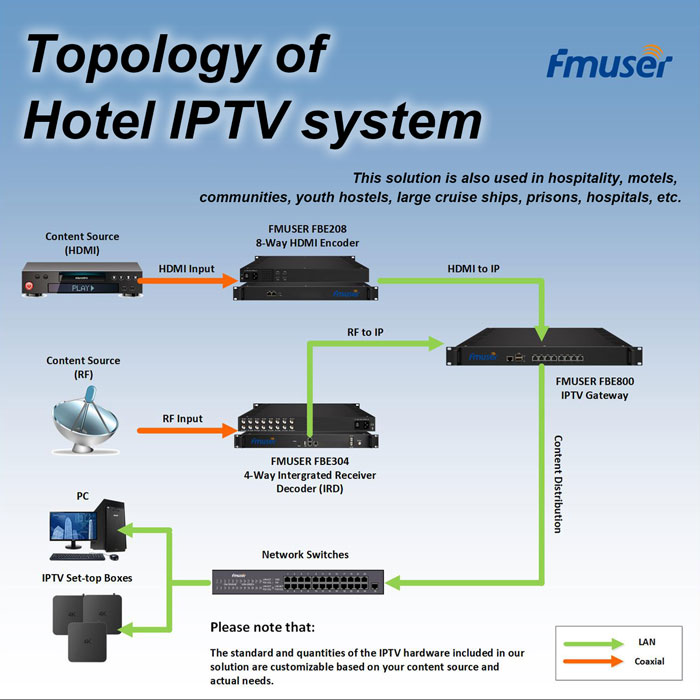
Image Source: d2c0db5b8fb27c1c9887-9b32efc83a6b298bb22e7a1df0837426.ssl.cf2.rackcdn.com
The Foundation: Broadcasting and Connectivity
At its core, a hotel TV system needs to deliver content. This content originates from various sources and is distributed throughout the hotel’s network to each guest room.
Traditional Broadcast Signals
Many hotels still utilize traditional methods to deliver television programming.
- Terrestrial Broadcasts: This involves receiving over-the-air signals from local TV stations. Antennas on the hotel roof capture these signals.
- Cable Television: Hotels subscribe to cable TV services, which deliver a wide array of channels. The cable company provides a signal that is then distributed within the hotel.
- Satellite Television: Similar to cable, hotels can subscribe to satellite providers. A satellite dish on the property receives signals from orbiting satellites.
These signals are then processed and distributed across the hotel’s internal cabling infrastructure to each room.
The Rise of IPTV
Internet Protocol Television (IPTV) has revolutionized hotel broadcast systems. Instead of relying on separate coaxial cables for TV signals, IPTV uses the hotel’s existing IP network (the same network that provides Wi-Fi and wired internet).
How IPTV Works in Hotels
- Content Source: Content, whether live TV channels, on-demand movies, or hotel information, is converted into digital data packets.
- Headend System: A central hub, known as the headend, receives these digital signals. It then processes, compresses, and encodes them for transmission over the IP network.
- IP Network Distribution: The encoded content is streamed across the hotel’s network infrastructure—typically fiber optic or Ethernet cables.
- Guest Room Delivery: Each room is connected to this network. The hotel’s IPTV middleware or a dedicated set-top box (STB) in the room receives the data stream.
- TV Display: The STB decodes the data and displays it on the guest’s television.
Advantages of IPTV for Hotels:
- Unified Network: Uses the existing IP network, reducing infrastructure costs.
- Scalability: Easier to add new channels or services.
- Interactivity: Enables advanced features like on-demand content, interactive menus, and guest service requests.
- Content Management: Centralized control over all content delivery.
The Guest Room Experience: Smart TV Integration and Interfaces
The guest room television is the focal point of the in-room entertainment system. Modern hotel TVs are increasingly becoming Smart TVs with advanced capabilities.
Smart TV Hotel Integration
Smart TV hotel integration refers to how the television connects to the hotel’s network and its specific hotel management software. This integration allows for more than just watching channels.
- Network Connectivity: Smart TVs connect to the hotel’s Wi-Fi or wired network. This is crucial for accessing hotel services, streaming content, and enabling interactive features.
- Middleware and Operating Systems: Hotels often use specialized middleware that runs on the TV’s operating system. This middleware creates the custom Hotel TV interface that guests interact with. It allows for branding, displaying hotel information, and providing access to various services.
- Content Management System (CMS): The CMS, often managed by the hotel or a third-party provider, dictates what appears on the Hotel TV interface. This includes channel lineups, movie selections, restaurant menus, spa booking options, and local attraction information.
The Hotel TV Interface
The Hotel TV interface is the visual gateway for guests to interact with the room’s entertainment and information systems. It’s designed to be intuitive and user-friendly.
Key Components of a Hotel TV Interface:
- Welcome Screen: Often personalized with the guest’s name and arrival/departure dates.
- Channel Guide: A comprehensive list of available TV channels.
- On-Demand Library: Access to movies, TV shows, and other paid content.
- Hotel Services: Options to order room service, book spa treatments, request housekeeping, or contact the front desk.
- Information Directory: Details about hotel amenities, dining hours, local attractions, and maps.
- Guest Account: Viewing billing information or checking out.
- Connectivity Options: Buttons or menus for connecting personal devices (e.g., “Cast to TV,” “HDMI Input”).
The design and functionality of the Hotel TV interface can vary significantly between hotels, often reflecting the hotel’s brand and the technology provider used.
Advanced Features and Interactive Capabilities
Beyond basic channel viewing, modern hotel TV systems offer a wealth of interactive features.
Interactive Hotel TV
An interactive hotel TV allows guests to do more than passively consume content.
- Guest Service Requests: Guests can use the TV remote to request extra towels, pillows, or toiletries directly from their room.
- Room Service Ordering: Browse menus, customize orders, and send them to the kitchen without picking up the phone.
- Information and Bookings: Reserve a table at the hotel restaurant, book a tee time at the golf course, or schedule a spa appointment.
- Wake-up Calls: Set and manage wake-up calls through the TV interface.
- Feedback and Surveys: Provide immediate feedback on their stay or specific hotel services.
- Messaging: Receive important hotel announcements or messages from the front desk.
These features streamline operations for the hotel and provide convenience for guests.
Hotel Digital Signage
Hotel digital signage extends the use of display technology beyond the guest room.
- Lobbies and Common Areas: Large screens in lobbies can display welcome messages, event schedules, dining promotions, and general hotel information.
- Restaurants and Bars: Menus, specials, and entertainment schedules can be shown dynamically.
- Meeting Rooms: Presentations and event information can be displayed on screens in conference areas.
- Elevator Lobbies: Wayfinding and elevator status can be integrated.
Digital signage allows hotels to communicate effectively and engage guests throughout their stay, creating a more informative and dynamic environment.
Connecting Personal Devices: Bridging the Gap
Guests today expect to access their own content and use their familiar devices. Hotel systems are evolving to accommodate this.
Wireless Casting Technologies
- Chromecast Built-in: Many hotel TVs now have Chromecast functionality integrated. Guests can cast content from their smartphones or tablets directly to the TV without needing extra hardware.
- AirPlay: For Apple users, AirPlay allows seamless streaming of video, audio, and photos from iPhones, iPads, and Macs to compatible hotel TVs.
Wired Connectivity
- HDMI Ports: Most hotel rooms provide easy access to HDMI ports, allowing guests to connect laptops, gaming consoles, or streaming devices directly.
- USB Ports: While not always for content playback, USB ports can sometimes be used for charging devices or, in some advanced systems, for media playback from a USB drive.
The ability to connect personal devices is a crucial aspect of the modern guest room TV setup.
The Technology Behind the Scenes: Hardware and Software
A robust hotel TV system relies on a combination of specialized hardware and software.
Set-Top Boxes (STBs) and Smart TV Hardware
- Set-Top Boxes (STBs): In older systems or for specific IPTV implementations, a small box sits near the TV. It receives the signal from the hotel network and converts it for the TV to display. These can handle channel tuning, decoding, and running interactive applications.
- Smart TVs: Modern hotels often use televisions with built-in smart functionality. These TVs have their own processors, memory, and network interfaces, reducing the need for separate STBs and simplifying the guest room TV setup. They run an operating system that can host hotel applications and middleware.
Middleware and Content Management Systems (CMS)
- Middleware: This is the software layer that sits between the TV’s operating system and the hotel’s services. It provides the custom Hotel TV interface, manages interactive features, and allows for integration with other hotel systems (like Property Management Systems – PMS).
- Content Management System (CMS): This is the central platform used by the hotel staff to manage all content displayed on the TVs. This includes:
- Updating channel lineups.
- Uploading promotional videos and images.
- Adding new movie titles.
- Configuring interactive features.
- Managing guest-facing information.
Network Infrastructure
The hotel’s network is the backbone of its TV system, especially for IPTV.
- Wired Network (Ethernet): High-speed Ethernet connections to each room ensure reliable delivery of high-definition video streams.
- Wi-Fi Network: Increasingly, Smart TVs and casting technologies rely on the hotel’s Wi-Fi network. A robust and secure Wi-Fi infrastructure is paramount.
- Servers: Servers are needed to host the CMS, IPTV headend equipment, and potentially on-demand content libraries.
Property Management System (PMS) Integration
Seamless integration with the hotel’s PMS is a key benefit of advanced hotel TV systems.
- Guest Recognition: The TV can display the guest’s name and other relevant information.
- In-Room Charges: Movie rentals or other pay-per-view services can be automatically billed to the guest’s room account.
- Check-in/Check-out: Some systems allow for streamlined check-in or check-out processes via the TV.
Different Types of Hotel TV Solutions
The landscape of hospitality television technology includes various solutions tailored to different hotel needs.
IPTV Hotel Solutions
These are increasingly the standard, offering flexibility and advanced features.
- Key Features: Centralized content management, interactive services, personalized guest experiences, and integration with other hotel systems.
- Benefits: Cost-effective in the long run due to reduced cabling, enhanced guest satisfaction, and opportunities for revenue generation through premium content and services.
Hybrid Solutions
Some hotels might use a mix of traditional broadcast and IPTV. For instance, they might receive basic channels via cable and use IPTV for on-demand content and hotel services.
Satellite and Cable-Based Systems
These are more traditional but can still be effective for hotels that don’t require advanced interactivity. They typically rely on coaxial cabling to distribute signals.
The Evolution of Hotel Entertainment Platforms
The concept of a hotel entertainment platform has evolved significantly. Initially, it was just about providing a selection of TV channels. Now, it’s about creating a comprehensive digital experience.
- From Passive to Interactive: Moving from simply watching to engaging with the hotel and its services.
- Personalization: Tailoring content and services to individual guest preferences.
- Integration: Connecting the TV experience with other guest touchpoints, like mobile apps.
- Data Analytics: Utilizing data from guest interactions to improve services and marketing.
Ensuring a Smooth Guest Room TV Setup
For hotels, a flawless guest room TV setup is crucial for guest satisfaction.
Installation and Configuration
- Professional Installation: Ensuring all cables are properly run and connections are secure.
- Network Configuration: Setting up TVs and STBs to connect reliably to the hotel’s network.
- Software Deployment: Installing and configuring the middleware, applications, and CMS.
Maintenance and Support
- Regular Updates: Keeping software and firmware up-to-date for security and functionality.
- Troubleshooting: Having a system in place to quickly address any technical issues reported by guests.
- Remote Management: Modern systems allow IT staff to manage and troubleshoot TVs remotely, often without needing to send a technician to the room.
Tables and Visual Aids
To help clarify the different components, consider these tables:
Table 1: Content Sources for Hotel TV Systems
| Source Type | Description | Delivery Method |
|---|---|---|
| Terrestrial TV | Broadcasts from local over-the-air TV stations. | Antennas, coaxial cables |
| Cable TV | Subscription service from a cable provider. | Coaxial cables, fiber optic cables |
| Satellite TV | Subscription service from a satellite provider. | Satellite dish, coaxial cables |
| IPTV | Digital content delivered over the hotel’s IP network. | Ethernet, Wi-Fi |
| On-Demand Content | Movies, TV shows, pay-per-view content. | IPTV streaming, dedicated servers |
| Hotel Information | Welcome messages, hotel services, local attractions, promotions. | CMS, IPTV, direct integration |
| Personal Devices | Content from guest smartphones, tablets, laptops. | Wi-Fi casting (Chromecast, AirPlay), HDMI |
Table 2: Key Components of an IPTV Hotel Solution
| Component | Role | Impact on Guest Experience |
|---|---|---|
| Headend System | Receives, processes, encodes, and streams digital content over the IP network. | Determines the quality and availability of all delivered content. |
| IP Network | The hotel’s wired and wireless infrastructure that carries the data streams. | Ensures reliable and fast delivery of content to each room. |
| Set-Top Box (STB) / Smart TV | Decodes the IP stream and displays it on the TV. Manages interactive applications. | Provides the interface and functionality for the guest. |
| Middleware | Software layer that creates the custom Hotel TV interface and enables interactive features. | Dictates how guests interact with the system and access services. |
| Content Management System (CMS) | Central platform for hotel staff to manage all content and system settings. | Ensures that information and entertainment options are current. |
| Property Management System (PMS) | Integrates billing, guest profiles, and other hotel operational data. | Allows for seamless charging of services and personalized greetings. |
Frequently Asked Questions (FAQ)
Q1: Can I use my own streaming stick (like a Fire Stick or Roku) with a hotel TV?
A1: Generally, yes. If the hotel TV has an accessible HDMI port and power source (often available near the HDMI port or via a USB port), you can usually plug in your streaming device. Some hotels might have specific policies or network configurations that could interfere, but it’s often successful.
Q2: How does the hotel know what I’m watching or ordering on the TV?
A2: When you use the hotel’s interactive features (like room service or ordering a movie), the system logs these actions to bill your room. If you are using your own devices via casting or HDMI, the hotel’s system generally cannot see what you are watching. However, the hotel’s Wi-Fi network traffic is subject to its terms of service.
Q3: Why is the Wi-Fi on the hotel TV sometimes slow?
A3: Hotel Wi-Fi networks can become congested when many guests are using them simultaneously. If the TV is using Wi-Fi to stream content, it will be affected by overall network performance. Wired connections are typically more stable and faster for TVs.
Q4: What is the difference between a Smart TV and a regular TV in a hotel?
A4: A regular TV primarily displays broadcast channels. A Smart TV has built-in internet connectivity and an operating system, allowing it to run applications, access streaming services, and interact with the hotel’s specific systems through a custom Hotel TV interface.
Q5: Can the hotel customize the TV menu to show hotel-specific information?
A5: Absolutely. This is a primary function of the Hotel TV interface and the underlying middleware. Hotels can display their branding, promotional offers, restaurant menus, local guides, and service directories directly on the TV screen.
Conclusion
The technology behind hotel TV systems is a sophisticated blend of networking, content delivery, and user interface design. From the traditional broadcast signals to the advanced IPTV hotel solutions, the goal is consistent: to provide guests with a seamless and engaging experience. The evolution towards Smart TV hotel integration and interactive platforms means that the in-room television is no longer just a passive device but a central hub for information, entertainment, and hotel services, making the guest room TV setup a critical component of modern hospitality. As technology continues to advance, we can expect even more innovative features to further enhance the guest journey.