
Image Source: www.add1tbsp.com
How To Make Garlic Confit In The Oven – Easy Recipe
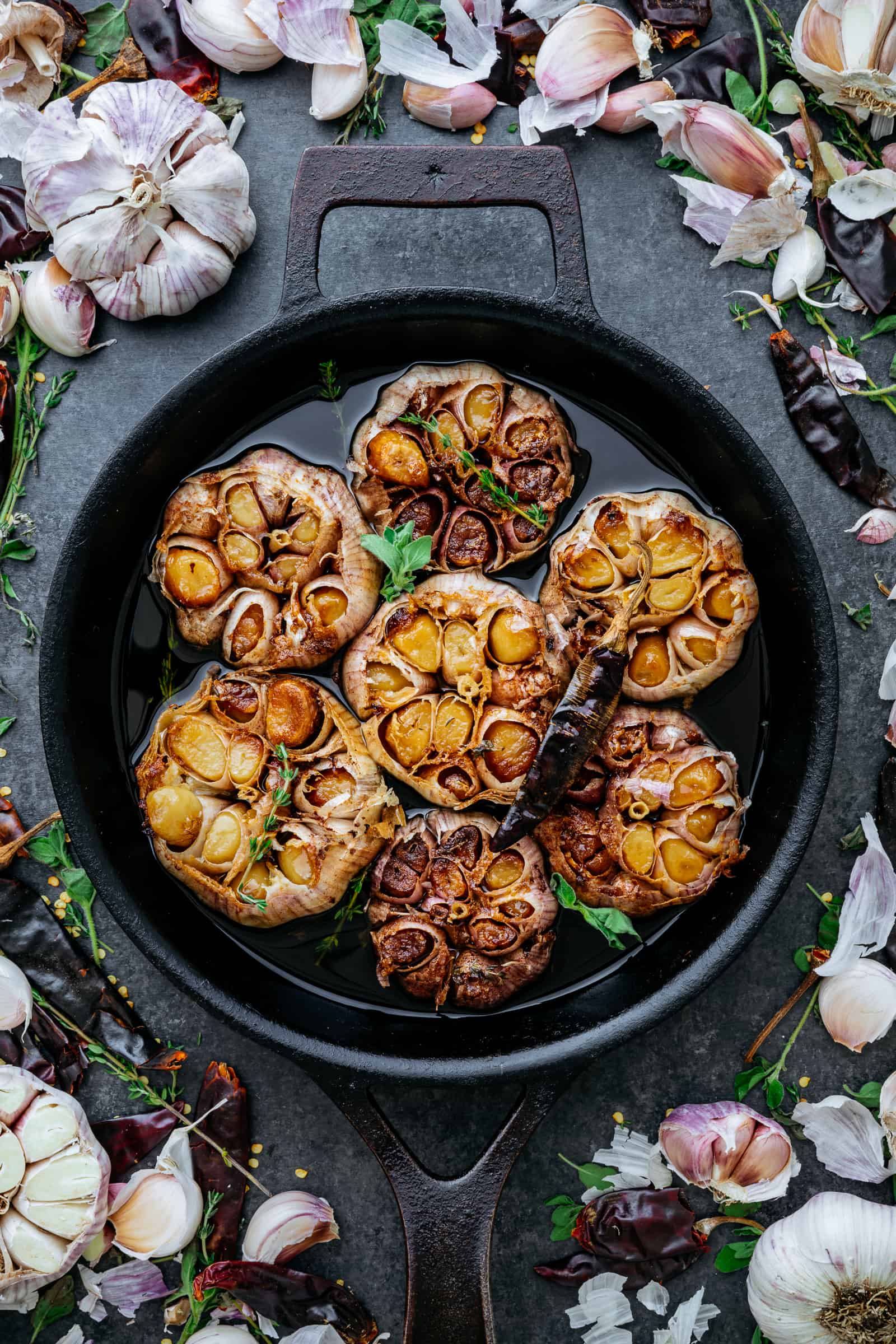
Garlic confit is a simple joy. It’s garlic cloves slow-cooked gently in oil until they become incredibly soft and sweet. You can absolutely make it at home, and using your oven is one of the easiest and most hands-off ways to do it. This method lets the garlic cook slowly and evenly without much watching, making it perfect for creating deliciously soft garlic cloves and a flavorful garlic infused oil.
Grasping Garlic Confit
What exactly is garlic confit? It’s a way to cook garlic slowly in fat. The word “confit” comes from a French word meaning “to preserve.” Historically, it meant cooking something low and slow in its own fat or oil. For garlic, this means simmering whole cloves in a bath of oil, usually olive oil, at a very low heat for a long time.
This slow cooking changes the garlic completely. Raw garlic is sharp and biting. Roasted garlic gets sweeter but keeps some firmness. Garlic confit becomes incredibly soft, spreadable, and mildly sweet. It loses its harsh bite entirely. The oil also takes on a wonderful garlic flavor, becoming a delicious garlic infused oil you can use for many things.
Why Use The Oven Method?
You can make garlic confit on the stovetop, but the oven offers some big advantages.
* Even Heat: An oven surrounds the dish with heat from all sides. This keeps the oil temperature very stable. It prevents hot spots that you might get on a stovetop burner. Stable heat means the garlic cooks evenly.
* Less Watching: Once the dish is in the oven, you just need to check it every so often. On the stovetop, you might need to stir or watch the temperature more closely to make sure it doesn’t get too hot. The oven is much more hands-off.
* Gentle Cooking: Ovens are great for low and slow cooking. This method needs low heat to turn the garlic soft without burning it. The oven makes this easy to control. It’s perfect for slow roasted garlic.
Using the oven makes the process simple. You just put everything in a dish, cover it, and wait. It feels less like cooking and more like waiting for something delicious to happen.
Gathering Your Ingredients
You don’t need many things to make garlic confit. The main stars are garlic and oil.
Your Garlic
This is the most important part. You need a good amount of fresh garlic.
* How Much? Think about how much you want to make. Garlic confit keeps for a while, and you’ll find yourself using it in many dishes. Making a decent batch, maybe 1 to 2 cups worth, is a good idea. This will likely need many heads of garlic, maybe 6 to 10 depending on size.
* Choosing Heads: Look for heads of garlic that feel firm. Avoid heads that are soft or have sprouts growing from them. Fresh garlic is best for flavor and texture.
* Peeling: Peeling many garlic cloves can feel like a chore. But there are easy ways. We’ll talk about peeling garlic soon. You want whole, peeled cloves.
Your Oil
The oil is the liquid the garlic cooks in. It needs to cover the garlic completely.
* Type of Oil: Olive oil is the most common choice. Extra virgin olive oil works well. Its flavor matches the garlic nicely. You can also use other oils, like vegetable oil or a mix. But olive oil adds a great taste to the finished product and the garlic infused oil. Make sure you have enough oil to cover all the garlic cloves fully. This is key for proper cooking and safety.
* Quality: You don’t need the most expensive olive oil, but using a decent one will give you better flavor in the confit and the infused oil.
Optional Extras
You can add other things for extra flavor.
* Herbs: A sprig of fresh rosemary or thyme.
* Spices: A few whole peppercorns or a pinch of red pepper flakes.
* Salt: A little pinch of salt can bring out the flavor.
Keep it simple, especially the first time you make it. Garlic and oil are all you really need.
Getting Your Kitchen Ready
Besides ingredients, you need a few tools.
* Oven: Of course! Make sure it works well and can hold a steady low temperature.
* Small Oven-Safe Dish: A small baking dish, a ramekin, a small casserole dish, or even a heavy oven-safe pot (like a Dutch oven) will work. Choose one that fits the amount of garlic you have. The garlic should fit snugly in one or two layers.
* Foil or Lid: You’ll need something to cover the dish. This helps keep the heat even and stops the top layer of garlic from drying out or getting too brown too fast.
* Storage Jar: A clean glass jar with a tight-fitting lid is a must for storing garlic confit safely. Make sure the jar is very clean.
That’s it! Simple tools for a simple process.
Making Peeling Garlic Easy
Peeling many garlic cloves can be the hardest part. Here are some tricks to help you get all those cloves ready without losing your mind. (This is about peeling garlic!)
The Shake Method
This is great for many cloves at once.
1. Break apart the heads of garlic into individual cloves.
2. Put the cloves into a metal bowl or a container with a lid. A large metal mixing bowl works well.
3. Put another metal bowl of the same size upside down on top. Or put the lid on the container.
4. Hold the bowls or container tightly together.
5. Shake hard for 15-30 seconds. Shake like you mean it!
6. Most of the peels should have fallen off. You might need to peel a few stubborn ones by hand.
The Smash Method
This is good for a few cloves at a time.
1. Place a garlic clove on a cutting board.
2. Put the flat side of a large knife blade over the clove.
3. Gently but firmly hit the knife blade with the heel of your hand. Don’t smash it flat, just press hard enough to crack the skin.
4. The skin should be loose enough to pull off easily.
The Hot Water Method
This is helpful if the skins are very dry.
1. Put the garlic cloves in a bowl.
2. Pour hot (but not boiling) water over the cloves. Let them sit for a few minutes.
3. Drain the water. The skins should slip off much more easily.
Choose the method that works best for you. Getting the garlic peeled is the first big step!
The Step-by-Step Oven Guide
Now for the main part: making the garlic confit in the oven. This is the easy recipe!
H4 Step 1: Prepare Your Garlic
- Peel all the garlic cloves. Make sure you have whole, clean cloves. Check them over. Remove any bits of skin or root end.
- Don’t worry if a few cloves are smaller than others. They will all cook down nicely.
H4 Step 2: Choose Your Dish
- Pick an oven-safe dish. It should be small enough so the garlic cloves can fit in mostly one layer, maybe two layers deep.
- Using a smaller dish means you won’t need as much oil to cover the garlic.
H4 Step 3: Put Garlic in Dish
- Place the peeled garlic cloves into the dish.
- If you are adding herbs like rosemary or thyme, put them in with the garlic now. A pinch of salt can go in too, if you like.
H4 Step 4: Add the Oil
- Pour the olive oil (or other oil) over the garlic cloves.
- Make sure the oil completely covers all the garlic. This is very important for cooking and safety. If any garlic is sticking out of the oil, add more oil until it’s covered.
H4 Step 5: Cover the Dish
- Cover the dish tightly. You can use aluminum foil if your dish doesn’t have a lid.
- Covering helps the garlic cook gently and stops it from browning too quickly on top. It keeps the heat consistent inside the dish.
H4 Step 6: Set the Oven Temperature
- Preheat your oven. You need a low oven temperature.
- A good range is between 250°F and 300°F (about 120°C to 150°C). Lower is often better for truly soft garlic. Aim for 275°F (about 135°C) if your oven holds that temperature well.
- Low heat is key for slow roasted garlic. It melts the garlic and makes it sweet instead of just roasting it until it’s dry.
H4 Step 7: Cook Low and Slow
- Carefully place the covered dish in your preheated oven.
- This is slow roasted garlic. Set a timer, but know that the total cooking time will vary.
- Start checking after about 1 hour.
H4 Step 8: Check On It
- The cooking time will be different depending on your oven, the amount of garlic, and the dish you use. It could take anywhere from 1 hour to 2 hours or even a bit longer. (This relates to Cooking time).
- You are looking for soft garlic cloves. Open the oven (carefully, it’s hot!). Take the dish out. Remove the cover.
- Check the garlic:
- Are the cloves soft? You should be able to easily squash a clove against the side of the dish with a spoon.
- What color are they? They should be pale gold or light brown. You don’t want them dark brown or crispy. If they are getting too dark, the heat might be too high or they might be almost done.
- If they aren’t soft enough, cover the dish again and put it back in the oven. Check again in 15-30 minutes.
H4 Step 9: Finish Cooking
- Once the garlic cloves are very soft and have a lovely pale gold color, they are done. They should feel like butter when you gently press them. (These are soft garlic cloves!). This is perfectly roasted garlic, cooked low and slow.
- Carefully take the dish out of the oven.
H4 Step 10: Cool Down
- Let the dish cool down completely on a wire rack.
- Do not put hot garlic confit directly into the storage jar or the fridge. It needs to cool first.
H4 Step 11: Store It Safely
- Once completely cool, carefully pour the garlic and the garlic infused oil into your clean glass storage jar.
- Make sure all the garlic cloves are fully covered by the oil in the jar. If not, add a little more olive oil.
- Seal the jar tightly with a lid.
- Storing garlic confit correctly is very important. Place the sealed jar in the refrigerator immediately. We will talk more about storage safety later.
That’s it! You’ve made delicious garlic confit and valuable garlic infused oil using your oven.
Finding The Right Oven Temperature
Getting the oven temperature right is crucial for making perfect garlic confit. You need a low, gentle heat. (This talks about Oven temperature).
- Why Low? High heat will brown or burn the garlic quickly. This makes it taste bitter. Low heat lets the garlic cook slowly, turning the starches into sugars. This makes the garlic sweet and soft, not burnt or dry.
- The Sweet Spot: Most recipes suggest an oven temperature between 250°F and 300°F (120°C to 150°C).
- 250°F (120°C) will take longer, but it’s very gentle. This is great if you are nervous about overcooking.
- 275°F (135°C) is a common choice. It’s still low but speeds things up a bit compared to 250°F.
- 300°F (150°C) is probably the highest you should go. Keep a closer eye on the garlic at this temperature to make sure it doesn’t brown too much.
- Know Your Oven: Ovens can sometimes be off by a few degrees. If you have an oven thermometer, it can be helpful to check the real temperature inside your oven.
- Look, Don’t Just Trust the Timer: Even with the right temperature, always check the garlic’s look and feel (softness) rather than just relying on the clock. This leads into cooking time.
Getting The Cooking Time Just Right
Cooking time for garlic confit in the oven isn’t an exact science. It varies a lot. (This addresses Cooking time).
- Factors That Change Time:
- Oven Accuracy: How true is your oven’s temperature?
- Dish Size & Type: A wider, shallow dish might cook faster than a deep, narrow one. Different materials (ceramic, glass, metal) hold and transfer heat differently.
- Amount of Garlic: More garlic usually means longer cooking time.
- Size of Cloves: Very large cloves might take longer than small ones.
- What to Look For: You are looking for a specific result, not just hitting a time mark.
- Texture: The garlic should be very soft. A fork or spoon should easily pass through it or mash it. It should feel tender all the way to the center. These are your soft garlic cloves.
- Color: A nice pale golden color. Some light brown spots are okay, but you don’t want them dark brown all over. If they are getting dark but aren’t soft, the heat might be too high or they need more time at a lower heat.
- Typical Range: Most often, it will take between 1 hour and 2 hours at 275°F (135°C). If you use a lower temperature (250°F / 120°C), it could take 2.5 to 3 hours. At 300°F (150°C), it might be done in 45-90 minutes.
- Start Checking Early: Set a timer for 60 minutes. Take a look. Then check every 15-30 minutes after that until the garlic looks and feels just right. Don’t rush it. The low and slow method is what makes it magic.
Storing Your Delicious Garlic Confit Safely
Storing garlic confit is very important. It needs to be done right to prevent a serious health risk. (This is about Storing garlic confit).
The Risk: Botulism
- Garlic confit, because it’s cooked in oil with no air (anaerobic environment) and isn’t acidic, can be a place where Clostridium botulinum bacteria can grow if not stored correctly. This bacteria can produce a toxin that causes botulism, a very serious illness.
- Heating the garlic kills the bacteria. But the spores can survive and grow in the right conditions (no air, room temperature, low acid).
- The good news is that proper storage prevents this risk.
How to Store It Safally
- Cool Completely: Let the garlic confit cool down totally at room temperature after taking it out of the oven.
- Clean Jar: Put the cooled confit (garlic and oil) into a very clean glass jar with a tight lid. You can wash the jar with hot soapy water, rinse it well, and even put it through a dishwasher cycle. Make sure it’s dry.
- Cover with Oil: Make sure all the garlic cloves are fully covered by the garlic infused oil in the jar. If they aren’t, add a little more fresh oil to cover them completely. This helps keep air away from the garlic.
- Refrigerate Immediately: Once the jar is filled and sealed, put it in the refrigerator right away. The cold temperature stops the botulism spores from growing.
- Keep it Cold: Always store your garlic confit in the fridge. Never leave it out at room temperature.
- How Long Does It Last? Stored properly in the refrigerator, garlic confit is generally safe to use for up to 2-3 weeks. Some sources say longer, but 2-3 weeks is a safe bet to avoid any worries.
- Signs of Spoilage: If you see any bubbles in the oil, any strange smells, or mold, throw it away. It’s not worth the risk. “When in doubt, throw it out” is a good rule here.
Freezing Option
- If you make a big batch and don’t think you’ll use it within 2-3 weeks, you can freeze garlic confit.
- You can freeze the garlic cloves and the oil together in freezer-safe containers or ice cube trays. Once frozen, pop the cubes out and store them in a freezer bag.
- Frozen garlic confit can last for several months. Thaw it in the refrigerator before use.
Following these storage rules is critical for enjoying your homemade garlic confit safely.
Using Your Wonderful Garlic Confit
Now for the fun part! How to use this liquid gold and those soft, buttery cloves? (These are Uses for garlic confit). There are so many ways!
Using the Soft Garlic Cloves
- Spread: Mash a few soft garlic cloves with a fork. Spread this paste onto crusty bread or toast. It’s amazing on its own or topped with a little salt and herbs. It’s like super easy roasted garlic bread.
- Mix into Dips: Stir mashed confit garlic into hummus, white bean dip, or cream cheese for extra flavor.
- Add to Potatoes: Mash the cloves into mashed potatoes or mix them into roasted potatoes. They melt right in and add sweetness.
- Flavor Pastas & Sauces: Add mashed or whole cloves to pasta sauces, pestos, or vegetable dishes. Stir them into risotto. They dissolve easily and give a deep garlic flavor without the bite.
- Compound Butter: Mash confit garlic into softened butter. Add herbs if you like. Roll it in parchment paper and chill. Use this garlic butter on steak, chicken, fish, or vegetables.
- On Pizza or Flatbreads: Add a few soft cloves to your pizza before baking or scatter them on a warm flatbread.
- In Dressings: Blend a clove or two into salad dressings for a subtle garlic flavor.
Using the Garlic Infused Oil
The oil left behind is just as valuable as the garlic cloves! (This is about Garlic infused oil).
- Dipping Bread: Pour some oil into a small dish for dipping crusty bread. Add a little salt and pepper or balsamic vinegar.
- Cooking: Use the oil for sautéing vegetables, cooking eggs, or searing meats. It adds garlic flavor right from the start.
- Finishing Dishes: Drizzle the oil over finished dishes like soups, roasted vegetables, pasta, or grilled fish for an extra layer of flavor.
- In Dressings & Marinades: Use the garlic infused oil as the oil base for salad dressings, vinaigrettes, or marinades.
- Roasting: Toss vegetables or potatoes in the garlic oil before roasting. It gives them a wonderful flavor (just like roasted garlic!).
- Making Garlic Bread: Brush sliced bread with the garlic oil before toasting or baking. It’s an easy way to make garlic bread.
Don’t waste the oil! It’s packed with flavor from the slow cooking process.
Creative Touches: Making It Your Own
Once you know how to make the basic garlic confit, you can play with it.
- Add Herbs: Put a sprig of fresh rosemary or thyme into the oil with the garlic before cooking. The herbs will infuse the oil and the garlic with their flavor.
- Spices: Add a few whole black peppercorns, a dried chili pepper (like a small arbol chili), or a pinch of red pepper flakes for a little warmth. A bay leaf can also add depth.
- Citrus Zest: A strip of lemon or orange zest (remove the white pith) can add a bright note. Remove the zest before storing.
- Different Oils: While olive oil is classic, you can experiment with other oils like avocado oil, grapeseed oil, or even duck fat for a richer flavor (though safety with fats other than oil might need more specific guidance). Stick to oils for simplicity and safety guidance here.
Remember to add these extras before you start the low and slow cooking process.
Fixing Little Problems
Sometimes things don’t go exactly as planned. Here are a few common issues and how to fix them or what they mean.
- Garlic is Hard: This means it didn’t cook long enough, or the temperature was too low for the time given. Put it back in the oven. Check for softness by gently pressing a clove. Cook longer until it’s very soft. Make sure the oil completely covers the garlic.
- Garlic is Dark Brown or Burnt: The temperature was too high, or it cooked for too long at a slightly too-high temp. This can make the garlic taste bitter. Sadly, if it’s truly burnt, you might need to start over. If it’s just a little dark on top but soft inside, it might still be usable, but check the taste first. Covering the dish helps prevent this.
- Oil Isn’t Very Flavorful: Maybe you didn’t use enough garlic for the amount of oil, or the garlic itself didn’t have a strong flavor. Or maybe the temperature was too low, and the garlic didn’t release enough flavor. Try again with more garlic or a slightly higher temperature within the safe range (like 275°F). Using good quality garlic helps a lot.
- Garlic is Soft But Looks Pale: This is fine! Color isn’t as important as texture. If it’s soft, it’s done. The pale color just means it cooked very gently, which is often ideal.
Why Make It At Home?
Making garlic confit yourself is worth the little bit of effort.
* Freshness: You control the quality of the garlic and oil.
* Taste: Homemade often tastes better than store-bought. You can make it exactly how you like it.
* Cost: Buying whole heads of garlic and a bottle of oil is usually cheaper than buying pre-made garlic confit.
* Both Goodies: You get both the soft garlic cloves and the flavorful garlic infused oil, which you can use in many ways.
* Easy Process: Especially with the oven method, it’s mostly hands-off time.
Comparing Methods: Oven vs. Stovetop
You can also make garlic confit on the stovetop. How does it compare to the oven?
Stovetop Method
- Put peeled garlic cloves and oil in a small saucepan.
- Heat it very gently over the lowest heat possible. You want small bubbles, not frying.
- Watch it closely. Stir often. Adjust the heat as needed to keep it at a very low simmer.
- Cook until soft, usually 30-60 minutes.
Oven Method (as described here)
- Put peeled garlic and oil in an oven-safe dish.
- Cover the dish.
- Cook in a low oven (250-300°F / 120-150°C) for 1-2+ hours.
Comparing Them:
- Watchfulness: Stovetop needs constant watching and heat adjusting. Oven is mostly hands-off once it’s in.
- Evenness: Oven heat is generally more even. Stovetop can have hot spots.
- Time: Stovetop might be a bit faster (30-60 mins vs. 1-2+ hours), but this depends on batch size and exact heat.
- Ease: Many people find the oven method easier because it’s less fussy.
Both methods can make great garlic confit. The oven method is often preferred for its ease and consistent results without needing constant attention. It gives you lovely slow roasted garlic.
Frequently Asked Questions (FAQ)
Here are some common questions about making garlic confit.
H5 Can I use pre-peeled garlic from the store?
Yes, you can. But sometimes pre-peeled garlic can be dry or have a different flavor than fresh heads you peel yourself. It’s often fine to use, but for the very best result, start with fresh heads of garlic.
H5 Can I use less oil?
No. You must use enough oil to completely cover all the garlic cloves in the dish or jar. This is important for safe storage later on. The oil keeps air away from the garlic.
H5 What kind of oil is best?
Olive oil, especially extra virgin, is classic and adds great flavor. You can use other neutral oils like vegetable, canola, or grapeseed oil, but they won’t add much flavor. A blend is also an option. Using enough olive oil gives you that wonderful garlic infused oil.
H5 How long does homemade garlic confit last?
When stored properly in a clean, airtight jar in the refrigerator, it is safest to use within 2-3 weeks.
H5 Can I store it at room temperature?
NO. Never store garlic confit at room temperature. It must be kept in the refrigerator to prevent the growth of bacteria that can cause botulism. This is very important for storing garlic confit.
H5 How do I know when it’s done cooking?
The garlic cloves should be very soft and easily mashable with a spoon. They should look pale golden or light brown. Check the texture, not just the time.
H5 What if my garlic confit turned green or blue?
Sometimes garlic can turn blue or green during cooking, especially if the garlic is new or if there are trace minerals in the water used to wash it or in the pot. It’s a natural chemical reaction and is usually harmless. The garlic is still safe to eat if it was stored correctly.
H5 Can I reuse the garlic infused oil after I finish the cloves?
Yes! The garlic infused oil is wonderful. Use it for cooking, dressings, or dipping. Just make sure the oil is also stored properly in the refrigerator.
H5 Can I add other things like onions or shallots?
It’s best to stick to just garlic for confit. Onions and shallots have different water content and can change the chemistry, potentially making it less safe for storage. Plus, garlic confit is all about that pure soft garlic flavor.
H5 My oven doesn’t go as low as 250°F. What can I do?
If your oven’s lowest setting is 300°F or 325°F, you can still try it, but watch the garlic very closely. It will cook faster. You might need to check it every 15-20 minutes. You risk the garlic browning or getting crispy instead of soft. If your oven runs hot, using the stovetop on the absolute lowest heat might be a better option. Or you can try placing the dish on the top rack in the oven, as the heat is often less intense there.
Enjoying Your Homemade Garlic Confit
Making garlic confit in the oven is a rewarding process. You start with simple, firm cloves and end up with buttery soft garlic and fragrant oil. It’s a little kitchen magic! You now have delicious soft garlic cloves ready to use in countless ways, plus flavorful garlic infused oil. Remember to store it safely in the fridge and enjoy adding that sweet, mellow garlic goodness to your cooking. Give this easy recipe a try and see how it changes your kitchen!