
Do you have an old microwave oven you no longer need? How do I dispose of an old microwave oven properly? You can get rid of your old microwave in several ways, including recycling it, donating it if it still works, using a store’s take-back program, asking your local waste service, or hiring a junk removal company. It’s important to choose the right way to get rid of it because microwaves are part of what we call e-waste, and they should not just go in the regular trash.
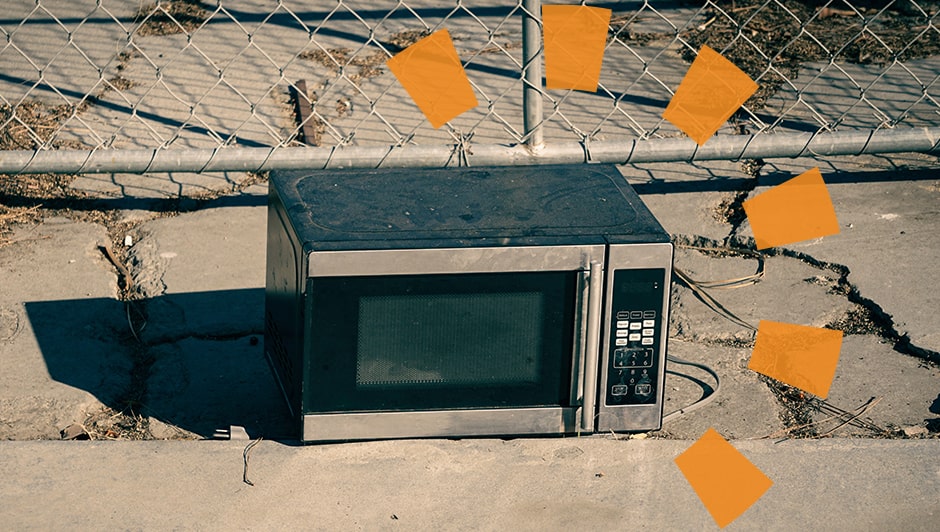
Image Source: www.dumpsters.com
Why Getting Rid of Your Old Microwave Right Matters
When we talk about getting rid of old electronics like microwaves, we are talking about something called e-waste disposal. E-waste is short for electronic waste. This means old TVs, computers, phones, and yes, microwave ovens. These items have parts inside that can be bad for the environment if they end up in landfills.
Think about what’s inside a microwave. There’s metal, plastic, glass, and wires. Some of these materials can be recycled, which means they can be used again to make new things. This saves energy and raw materials. But microwaves also have parts that contain harmful stuff, like lead or mercury, although often in small amounts. If these parts are just thrown in the trash and buried in a landfill, these bad materials can leak into the ground and water over time. This is bad for the earth and for people’s health.
This is why responsible e-waste disposal is so important. It helps protect our planet by keeping harmful things out of landfills. It also helps save valuable materials that can be recycled. Getting rid of old appliances the right way is a small but important step everyone can take to help the environment.
Microwave Recycling: A Top Choice
One of the best ways to get rid of an old microwave oven is through microwave recycling. Recycling makes sure that useful materials are saved and reused, and that any harmful parts are handled safely.
When you recycle a microwave, it doesn’t just go into a big bin and get melted down whole. People who recycle electronics know how to take them apart safely. They separate the different parts. The metal parts can be melted down and used for other metal products. The plastic can be ground up and turned into new plastic items. Even the glass can sometimes be recycled. This process helps us save resources and energy compared to making things from scratch.
Finding places for electronics recycling near me might be easier than you think. Many cities and towns have special places or events for recycling electronics.
Finding Recycling Centers
So, how do you find a place that does recycling center electronics near you? There are a few ways to look.
Online Search
The internet is a great tool. You can search for things like “microwave recycling near me” or “electronics recycling centers.” Websites for your city or county government often have information about waste management microwave programs and places where you can drop off e-waste. Look for sections on recycling or solid waste.
Many states also have programs to help you find e-waste recycling locations. You can check your state’s environmental agency website. There are also national non-profit groups that focus on electronics recycling, and their websites might have tools to help you find a location.
When you find a recycling center, it’s a good idea to check their website or call them first. Make sure they accept microwave ovens. Some places only take certain types of electronics, or they might have limits on size or weight. Also, ask if there is a fee. Sometimes, there is a small charge to recycle electronics because it costs money to take them apart safely and handle the different materials.
Checking with Retailers
Some large electronics stores or stores that sell appliances have recycling programs. They might let you bring in your old appliance, including microwaves, when you buy a new one. Or they might have a drop-off service. This is part of their effort in appliance disposal. It is a good idea to ask about these programs when you are buying a new microwave.
Community Events
Some communities hold special collection events a few times a year for e-waste and other hard-to-dispose-of items. These events make it easy for many people to recycle their old electronics on one day. Keep an eye on your local news, community calendars, or the city’s website for information about these events. They are a convenient way to do responsible e-waste disposal.
What Happens at a Microwave Recycling Center?
When you take your microwave to a recycling center, trained workers carefully take it apart. They use tools to separate the metal casing, the glass turntable, the plastic door and frame, and the electronics inside.
- Metals: Steel, aluminum, and copper wires are separated. These are very valuable materials and are sent to places that can melt them down and turn them into new metal sheets, bars, or wires.
- Plastics: Different types of plastic are sorted. They are often ground into small pieces or pellets and used to make new plastic products.
- Glass: The glass turntable and door glass can sometimes be recycled, depending on the type of glass and the center’s capabilities. It might be used in new glass products or in other materials like concrete.
- Electronics: The circuit boards and other electronic components are handled with special care. This is where some of the potentially harmful materials are found. These parts are sent to specialized facilities that can recover valuable metals like gold, silver, and copper safely, while making sure the harmful materials are managed properly.
By going to a proper recycling center, you help make sure that materials are reused and harmful substances are kept out of the environment. This is the core of responsible e-waste disposal.
Donating Your Old Microwave
If your old microwave oven is still in good working condition, another great option is to donate old microwave. This gives the appliance a second life and helps someone who might need it but can’t afford a new one. Donating is also a form of responsible appliance disposal because it keeps the item out of the waste stream for longer.
Before you think about donating, you need to check your microwave carefully.
- Does it turn on? Plug it in and see if the display lights up.
- Does it heat food? Put a cup of water inside and run it for a minute or two. Is the water hot?
- Are all the parts there? Does it have the glass turntable and the little ring it sits on? Are the door and the handle in good shape?
- Is it clean? Clean the inside and outside thoroughly. No one wants a dirty appliance, even for free.
If your microwave works well and is clean, it’s likely suitable for donation.
Where to Donate
Many types of organizations accept donations of working appliances.
- Charity Thrift Stores: Places like Goodwill, Salvation Army, and other local charities often accept working household appliances. They sell them in their stores to raise money for their programs. Call them first to make sure they accept microwaves and to find out their drop-off hours.
- Homeless Shelters or Community Centers: Some shelters or centers might need appliances for their facilities or for people they are helping set up homes. Call local organizations and ask if they have a need.
- Habitat for Humanity ReStores: These stores sell donated building materials, appliances, and furniture to the public to help fund Habitat for Humanity’s work building homes. They usually accept working appliances.
- Local Freecycle or Buy Nothing Groups: These online groups are for people in the same neighborhood to give things away for free. You can post your working microwave there, and someone in your community can come pick it up. This is an easy way to donate directly to someone who can use it.
When you donate old microwave, you are not just getting rid of an item; you are helping someone else and being kind to the planet by extending the life of the appliance. It’s a win-win-win!
Retail Take-Back Programs
As mentioned briefly, some stores that sell new electronics and appliances will take back your old ones for recycling when you buy a replacement. These retail take-back programs are becoming more common as part of overall appliance disposal efforts.
How do these programs work?
- Check When Buying: The best time to find out about a take-back program is when you are shopping for your new microwave. Ask the salesperson or look at the store’s website.
- Drop-Off at Store: Some stores have a place where you can drop off small electronics like microwaves any time, not just when you buy something new. Best Buy is one example of a retailer known for having broad electronics recycling programs, though programs can vary by location and item. Always check the specific store’s policy.
- Haul Away with Delivery: If you are getting your new microwave delivered, some stores offer to take away your old appliance at the same time, often for a fee. This is very convenient, as you don’t have to move the old microwave yourself.
Retail take-back programs make it easier for people to recycle old electronics responsibly because it’s often tied into the process of buying a new one. It helps close the loop in the life cycle of the appliance.
Working with Waste Management Services
Your local waste management service, often run by your city or county, handles trash and recycling pickup for homes. They might have specific rules and services for waste management microwave disposal. Simply putting a microwave in your regular trash bin is usually not allowed because it’s considered e-waste or a bulky item.
Local rules about how to get rid of old appliances can be very different depending on where you live. What is okay in one town might not be okay in the next town over.
Checking Local Rules
The first step is to check with your local waste management department. You can usually find their contact information or website by searching online for your city or county name plus “waste management” or “trash services.”
Look for information on:
- Bulky Item Pickup: Many places offer special pickup for large items like furniture and appliances a few times a year or by appointment. There might be a fee for this service. You might have to put the microwave out on a specific day or schedule a pickup time.
- E-waste Collection Days: As mentioned before, some areas have specific days where they collect electronics at a central location.
- Transfer Stations or Landfills: Your local landfill or waste transfer station might have a special area for dropping off electronics or appliances. There is often a fee for this.
It is very important to follow your local rules. Putting a microwave out with the regular trash when it’s not allowed can result in it not being picked up, or even a fine. Proper appliance disposal following local guidelines helps the system work smoothly.
Bulk Waste Pickup
If your area offers bulk waste pickup, this can be a convenient option.
- How it Works: You usually have to call your waste management service ahead of time to tell them you have a large item like a microwave to put out. They will tell you when and where to place it (usually by the curb) and if there is a cost.
- Preparation: Make sure the microwave is empty and clean. You might need to tape the door shut for safety during transport.
- Schedule: Bulk pickups might only happen on certain days of the month or year, so you might have to wait.
Using the official waste management microwave services ensures that the appliance is handled in a way that meets local standards, even if it’s just going to a special part of the landfill designed for large items (which is less ideal than recycling, but better than illegal dumping).
Hiring a Junk Removal Service
If recycling centers are far away, donation isn’t an option, and your local waste service doesn’t offer convenient pickup, hiring a junk removal appliance service is another way to get rid of old appliances.
Junk removal companies are private businesses that will come to your home and haul away unwanted items for a fee. This can be a good option if you need to get rid of the microwave quickly or if you have other large items you want to clear out at the same time.
When to Use Junk Removal
- Convenience: They come to you and do all the lifting and hauling. This is helpful if the microwave is heavy or hard to move.
- Speed: They can often schedule a pickup within a day or two.
- Multiple Items: If you have other things like old furniture, appliances, or general clutter, a junk removal service can take it all at once. This is great for clearing out a garage or basement.
- They Handle Disposal: A good junk removal company knows how to get rid of old appliances properly. They will take your microwave to the right place, whether it’s a recycling center, a donation center, or a licensed disposal facility.
What to Expect
When you contact a junk removal service, they will usually ask you what items you need them to take. They might give you an estimate over the phone, or they might need to see the items in person to give you a final price.
The cost for junk removal appliance services can vary. It often depends on:
- How much stuff you have (they might charge by the amount of space your items take up in their truck).
- Where you live.
- How easy the items are to access.
Make sure to ask the service how they dispose of the items they collect. Reputable companies will emphasize their commitment to responsible disposal, including recycling electronics.
Hiring a junk removal service is probably the most expensive option, but it offers the most convenience for how to get rid of old appliances, especially if you have more than just a microwave to get rid of.
Preparing Your Microwave for Disposal
Before you recycle, donate, or have your old microwave picked up, it’s good practice to do a few simple things.
- Clean It: Remove any food spills or odors from the inside and outside. A clean appliance is easier to handle and more suitable for donation or recycling.
- Remove the Turntable and Ring: Take out the glass plate and the plastic ring it sits on. These are often separate pieces that might be handled differently during disposal or recycling. You could even wash and keep the glass plate if you think you might use it for something else!
- Cut the Cord (Sometimes): Some recycling centers or scrap metal places might ask you to cut off the power cord. This is mainly for safety or to separate the copper wire for recycling. Check with the place you are taking it to before cutting.
- Tape the Door Shut: For safety, especially if it’s being transported, use some strong tape to keep the microwave door closed. This prevents the door from swinging open unexpectedly.
Taking these small steps makes the disposal process smoother for everyone involved.
Comparing Your Disposal Options
Let’s look at the different ways to get rid of your old microwave side-by-side.
| Option | Pros | Cons | Cost (Typical) | Best For… |
|---|---|---|---|---|
| Microwave Recycling | Environmentally friendly, reuses materials, handles harmful parts safely. | Might need to transport yourself, some centers charge a fee. | Low to Moderate Fee | Anyone committed to responsible e-waste disposal. |
| Donate Old Microwave | Helps others, extends appliance life, good for the community. | Only if the microwave works and is clean, requires drop-off. | Free | Working, clean microwaves; helping local charities or people in need. |
| Retail Take-Back Programs | Convenient when buying new, often handles recycling correctly. | Limited to participating stores, sometimes requires buying a new item. | Free (often) | People buying a new microwave from a store with a program. |
| Waste Management (Local) | Can be convenient if they offer pickup or specific drop-off. | Rules vary a lot, might have fees, pickups might be infrequent. | Low Fee or Free | Following local rules for appliance disposal; convenient for bulky pickup. |
| Junk Removal Appliance | Very convenient, they pick it up, good for multiple items. | Most expensive option. | Moderate to High Fee | Quick removal, clearing out many items, unable to move the microwave. |
Choosing the best method depends on your microwave’s condition, your location, how quickly you need it gone, and how much you are willing to pay. No matter which option you pick, avoid just putting it in the regular trash bin.
Responsible E-waste Disposal is Key
We’ve talked a lot about different ways to get rid of your old microwave, but the main message is about responsible e-waste disposal. Microwaves are not just trash. They are small appliances that contain valuable materials that can be recycled and potentially harmful substances that need to be handled carefully.
Throwing electronics into landfills is becoming a bigger problem as we use and replace more electronic gadgets. Landfills are filling up, and the potentially toxic materials in e-waste can pollute the earth and water.
By choosing options like microwave recycling, donating working units, using retail take-back programs, or using proper waste management microwave channels, you are helping to:
- Conserve Resources: Recycling metals, plastics, and glass means we don’t have to mine or make as much new material.
- Save Energy: Making products from recycled materials usually uses less energy than making them from scratch.
- Protect the Environment: Keeping harmful chemicals out of landfills prevents pollution.
- Support the Economy: The recycling industry creates jobs.
Finding places for electronics recycling near me or using a trusted service for junk removal appliance helps make sure your old microwave is dealt with properly. It’s all part of being a responsible consumer and taking care of our planet. So, the next time you need to get rid of an old appliance, remember these options and choose the one that works best for you while being kind to the earth. How to get rid of old appliances the right way makes a difference.
Frequently Asked Questions (FAQ)
Here are some common questions people ask about getting rid of old microwaves.
Q: Can I just put my old microwave in the regular trash?
A: In most places, no. Microwave ovens are usually not allowed in regular household trash because they are considered e-waste or bulky items. They contain materials that should be recycled or handled specially. Check your local waste management rules first.
Q: Is it free to recycle a microwave?
A: It depends on the recycling center or program. Some places offer free electronics recycling, but others charge a small fee. This fee helps cover the cost of safely taking apart the microwave and processing the different materials. Call ahead or check their website to find out.
Q: What if my microwave is broken? Can I still recycle it?
A: Yes, you can still recycle a broken microwave. Recycling centers are equipped to handle non-working appliances. Donation is only for working units, but recycling is for both working and broken electronics.
Q: Should I remove parts from my microwave before recycling?
A: Generally, no. You don’t need to take it apart yourself. Recycling centers have trained people to do this safely. You should remove the glass turntable and ring, clean it out, and perhaps tape the door shut. Some places might ask you to cut the cord, so check their specific instructions.
Q: Can I sell my old microwave?
A: If your microwave is relatively new, in excellent condition, or a high-end model, you might be able to sell it online or at a garage sale. However, for most old microwaves, the value is low, and donation or recycling is a more common choice.
Q: What is e-waste?
A: E-waste means electronic waste. It includes old electronic devices like computers, phones, TVs, and appliances such as microwave ovens. E-waste needs special disposal because it contains both valuable materials for recycling and potentially harmful substances.
Q: How do I find electronics recycling near me?
A: You can search online using terms like “electronics recycling near me” or “microwave recycling.” Check your city or county waste management website. Look for information on community e-waste collection events. Some large electronics retailers also offer recycling services.
Q: Is donating an old microwave considered responsible disposal?
A: Yes, if the microwave is in good working condition and you donate it to a charity or someone who will use it. Donating extends the life of the appliance, which is an important part of reducing waste and being environmentally friendly.
Q: What’s the easiest way to get rid of a microwave?
A: The easiest way is often to use a retail take-back program when buying a new one, or to hire a junk removal appliance service. However, these might not be the cheapest or most environmentally friendly options. The “easiest” option also depends on what services are available in your area (like convenient local recycling or bulk pickup).
Q: Why is recycling important for microwaves?
A: Recycling microwaves helps recover valuable metals and other materials, saving natural resources and energy. It also ensures that hazardous parts are handled safely, preventing pollution of the environment. It is a key part of responsible e-waste disposal.