
If your air conditioner is frozen solid, the first and most important step is to turn it off. How long for a frozen AC coil to defrost? Often, it takes anywhere from 1 to 24 hours for a frozen air conditioner to fully thaw, depending on how much ice has built up and the conditions around it. Why does an AC freeze and how long to thaw? AC units usually freeze due to airflow problems or low coolant levels. The time needed for thawing depends on the amount of ice and the air temperature. How to thaw a frozen AC unit quickly? The safest and most common way to thaw it quickly involves just turning the cooling function off and waiting, although sometimes using a fan can help a little.
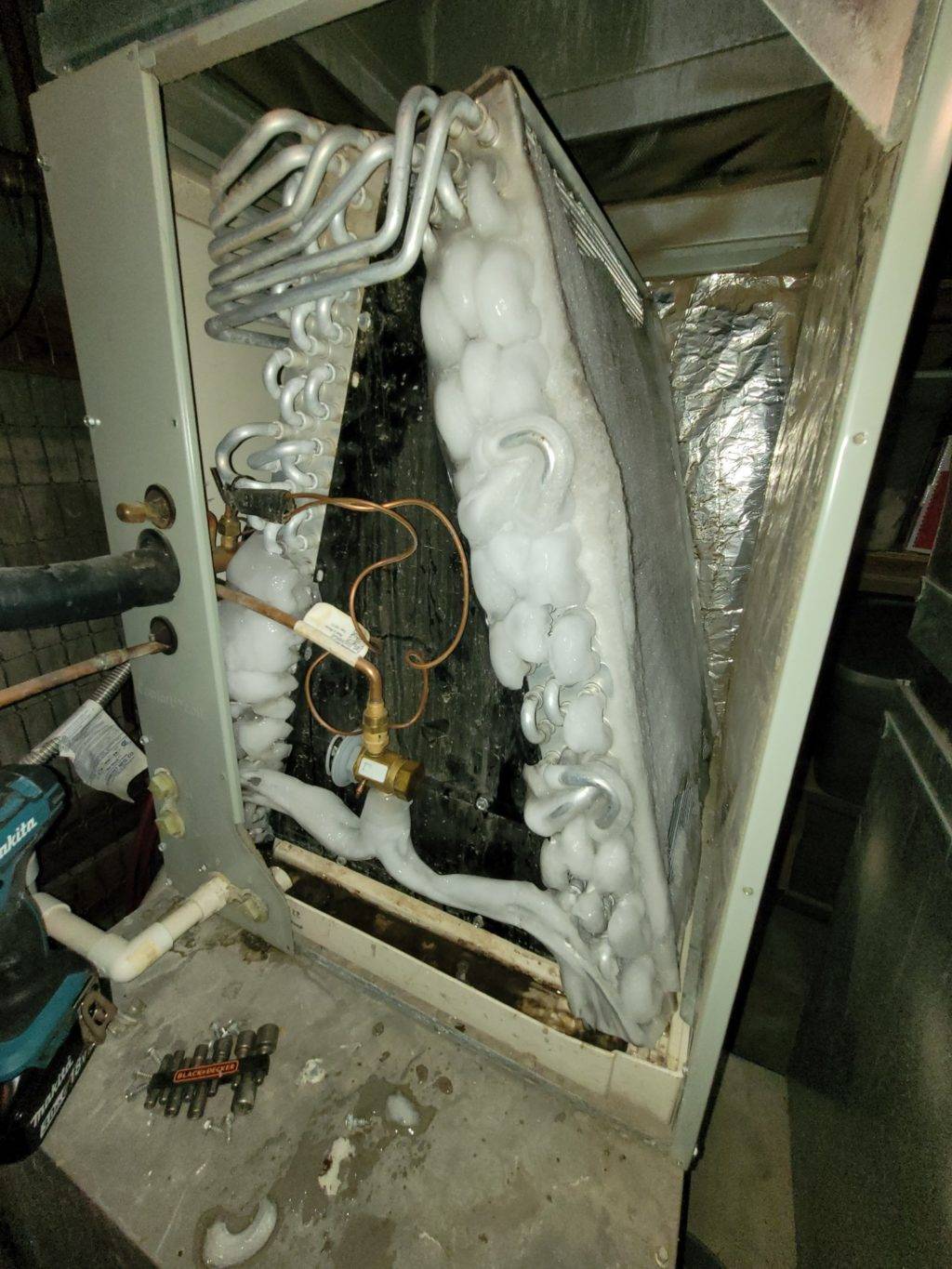
Image Source: www.manmadediy.com
Deciphering a Frozen Air Conditioner
When you see ice on your air conditioner, it means something is wrong. Ice can form on the outdoor unit (the condenser) or, more commonly, on the indoor unit (the evaporator coil). This is not normal. A working AC unit should not have ice on it.
Seeing ice means the system is not working right. The part that gets cold is getting too cold. Instead of just cooling the air, it’s getting cold enough to turn the moisture in the air into ice. This block of ice stops the AC from cooling your home. It can also damage the system if you keep running it.
Why Your AC Unit Freezes Over
Your air conditioner needs to work in a very specific way to cool your home. It moves heat from inside to outside. A special liquid called refrigerant helps do this job. When things go wrong, the system can get too cold in certain spots, leading to ice.
Several things can make your AC freeze:
Poor Airflow
This is one of the most common reasons. Air needs to flow freely over the indoor coil. If the airflow is blocked, the coil gets too cold. Think of it like blowing on hot food – if you stop blowing, it stays hot longer. With a cold AC coil, if air doesn’t move over it, the cold just sits there and drops in temperature until it freezes moisture.
Things that cause poor airflow include:
- Dirty Air Filters: A clogged filter is a major problem. It blocks air from getting to the coil. This is a simple fix, but often overlooked.
- Blocked Vents or Registers: Make sure all the places where air comes into your rooms (registers) and goes back to the AC (vents) are open and clear. Don’t block them with furniture or curtains.
- Closed Doors: If you close too many doors in your home, it can mess up the airflow balance for the whole system.
- Blocked Return Ducts: The large vents where air goes back to the AC unit must be clear.
- Dirty Evaporator Coil: Over time, the indoor coil itself can get covered in dirt and grime. This layer acts like a blanket, stopping air from touching the cold surface properly.
- Blower Motor Problems: The fan that blows air through the system might be running too slow or not working at all.
Low Refrigerant Levels
The refrigerant is the stuff that absorbs heat from your home. If your AC system has a leak and loses some refrigerant, the pressure drops. Lower pressure makes the refrigerant in the coil get much colder than it should. This super-cold temperature causes ice to form on the coil.
Low refrigerant is usually caused by a leak somewhere in the system. This isn’t something you can just add like gas in a car. The system needs to be found, fixed, and then the right amount of refrigerant must be added by a trained technician. Running the AC with low refrigerant can hurt the compressor, a very expensive part.
Mechanical Issues
Less common problems can also cause freezing, such as:
- Faulty Blower Motor: As mentioned, if the fan isn’t moving enough air, the coil can freeze.
- Issues with Expansion Valve: This part controls how much refrigerant flows into the coil. If it’s stuck or not working right, it can cause pressure drops and freezing.
- Drainage Problems: The ice that forms will melt when the system cycles off normally. The water needs to drain away. If the drain line is blocked, water can back up and freeze.
Understanding why your AC froze is key to stopping it from happening again after it thaws.
The Essential Step: Turn It Off
When you find your air conditioner frozen, the very first thing you must do is turn off the cooling function. Go to your thermostat and switch the system from “Cool” to “Off” or “Fan Only”.
Why turn it off?
* Safety: Trying to run a frozen unit can damage the compressor.
* Thawing: The ice will only melt when the cold source (the running AC) is turned off.
Turning off the cooling function starts the frozen AC coil thawing process. The ice that has built up will begin to melt because the cold refrigerant is no longer flowing through the coil. The warmer air around the coil will naturally warm it up, causing the ice to change back into water.
How Long For Air Conditioner To Thaw Fully: What to Expect
This is the big question, and there’s no single answer. The frozen air conditioner melt time can vary a lot. It depends mostly on how much ice has formed and the conditions around your AC unit.
Generally speaking, you should plan for the AC to be off for at least a few hours, and possibly up to a full day. A rough estimate for the estimated time for AC unit to unfreeze is often between 2 and 24 hours.
Here’s a breakdown of what affects the ice buildup AC thaw duration:
Amount of Ice
- Thin layer of frost: Might melt in just 1-3 hours.
- Moderate ice: Covering part of the coil, maybe a few inches thick. This could take 4-12 hours.
- Solid block of ice: Completely encasing the coil, maybe many inches thick. This could easily take 12-24 hours, or even longer in very cold, humid conditions.
Think of melting a small ice cube versus a big block of ice – the bigger one takes much longer.
Ambient Temperature
- Warm weather: If the air temperature inside your home (for the indoor coil) or outside (for the outdoor coil) is warm, the ice will melt faster.
- Cool weather: If it’s cool inside or outside, the melting will be slower.
Airflow Around the Coil
- Good airflow: If air can easily move around the frozen coil (even just room air when the fan is running), it helps bring warmth to the ice, speeding up the thaw. This is why leaving the fan on (while cooling is off) can sometimes help.
- Poor airflow: If the coil is tucked away or the air is very still, it will take longer.
Humidity
- High humidity: Can slightly slow down the melting process compared to dry air.
So, when thinking about how long for frozen AC coil to defrost, consider these factors. A lightly frosted coil on a hot day with good airflow will thaw much faster than a massive ice block in cool, still air.
The turn off AC to thaw coil time is the entire period you must leave the cooling off. This time is the duration for air conditioner defrosting. It’s done when all visible ice is gone and the coil looks dry.
Here’s a general idea in a simple table:
| Amount of Ice | Ambient Temperature | Estimated Thaw Time (Cooling Off) |
|---|---|---|
| Light frost | Warm (above 75°F) | 1-3 hours |
| Light frost | Cool (below 75°F) | 3-6 hours |
| Moderate ice | Warm | 4-10 hours |
| Moderate ice | Cool | 8-15 hours |
| Heavy ice / Solid block | Warm | 12-24 hours |
| Heavy ice / Solid block | Cool | 18-36 hours or more |
This table gives you an idea of the estimated time for AC unit to unfreeze. Remember, these are just estimates. Always visually check the coil to be sure.
Speeding Up the AC Ice Removal Time (Safely)
While the safest and most recommended way to deal with a frozen AC is simply turning it off and being patient, some methods can slightly speed up the AC ice removal time.
The Safest Method (and often sufficient):
- Turn off the cooling: This is the most important step.
- Turn on the fan: Set your thermostat to “Fan Only”. This blows room temperature air over the indoor coil, which can help bring warmth to the ice and speed up melting. It won’t be a rapid thaw, but it helps move air around the coil. Make sure the cooling is absolutely off before doing this.
Methods to Use with Caution (and often unnecessary):
- Using a Fan on the Outdoor Unit (if frozen): If the outdoor unit is frozen, you can point a regular fan at the coil to help move warmer air over it. Again, ensure the system is completely off first.
- Using Warm Water (Use Extreme Caution!): Some people suggest gently pouring lukewarm water over the frozen coil. This is generally NOT recommended for homeowners.
- Why? You risk splashing water onto electrical parts, causing damage or shock.
- You also create a lot of water to manage, which needs to go down the drain line. If the drain line is already part of the problem (like being frozen), you’ll make a watery mess.
- Using hot water can damage the coil.
- Leave this method to professionals if they deem it necessary and safe.
Methods to Absolutely AVOID:
- Using a Hair Dryer or Heat Gun: Applying direct heat can easily damage the delicate fins on the coil. These fins are important for the coil to work right. Don’t do this.
- Scraping or Picking at the Ice: You will likely bend or puncture the coil fins or even the refrigerant lines. This would cause expensive damage and potential refrigerant leaks.
- Pouring Hot Water: Too much heat too fast can damage the coil or other components.
The best approach for how to thaw a frozen AC unit quickly is patience after turning the system off and using the fan-only setting if possible. Let nature do its work.
Comprehending the Frozen AC Coil Thawing Process
When you turn off the AC, the frozen AC coil thawing process begins.
- Cooling Stops: The flow of cold refrigerant through the coil stops.
- Coil Warms: The temperature of the coil slowly rises towards the temperature of the surrounding air.
- Ice Melts: As the coil warms above freezing (32°F or 0°C), the ice on its surface begins to melt.
- Water Drains: The melted ice turns into water. This water should flow down into the drain pan beneath the coil and then out through the condensate drain line.
- Coil Dries: After all the ice is gone, any remaining water on the coil will evaporate or drain away, leaving the coil dry.
It’s very important to wait until the coil is completely thawed and dry before turning the cooling function back on. If you turn it back on while there’s still ice or standing water, it will likely just freeze up again quickly. Plus, ice or water can be pulled into the blower fan and cause damage.
The duration for air conditioner defrosting is the total time from when you turn off the AC until the coil is fully thawed and the water has drained away.
What Happens If You Don’t Thaw a Frozen AC?
Ignoring a frozen AC or trying to run it anyway is a bad idea.
- No Cooling: The ice blocks airflow. Your home won’t get cool, no matter how low you set the thermostat.
- Damage to the Compressor: The compressor is the heart of the AC system. Running the unit while frozen can cause it to overheat or suffer liquid damage (refrigerant should be a gas when it reaches the compressor, but freezing can cause liquid to return), leading to a very costly repair or replacement.
- Damage to the Blower Fan: Melted ice can drip onto the blower fan motor, causing electrical issues or mechanical failure. Ice chunks could break off and damage the fan blades.
- Water Damage: As the ice melts slowly while the unit is off, the large amount of water could overflow the drain pan if the drain line is clogged, potentially causing water damage to your ceiling, walls, or floor.
It is always best to address the problem right away by turning the system off and allowing it to thaw completely.
After the Thaw: Next Steps
Once your air conditioner has had sufficient frozen air conditioner melt time and you have confirmed all the ice is gone and the coil is dry, you’re not quite ready to just turn it back on and forget about it.
Remember, the freezing happened for a reason. Simply thawing the unit doesn’t fix the underlying cause.
Here’s what you should do next:
- Check the Filter: Before turning the AC back on, check your air filter. If it’s dirty, replace it with a clean one. This is the easiest and most common fix for airflow issues causing freezing.
- Check Vents and Returns: Make sure all supply registers (where cold air comes out) and return vents (where warm air goes back) are open and not blocked.
- Turn AC Back On: Once you’ve checked these simple things and the coil is dry, you can turn the thermostat back to “Cool”. Start by setting it to a moderate temperature (e.g., 75-78°F) for the first hour or two, rather than setting it very low right away.
- Monitor the System: Watch the AC unit closely for the next few hours and days. Does it seem to be cooling properly? Does the airflow feel strong? Check the coil again after a while to see if ice is starting to form again.
- Call a Professional: If the AC freezes again after thawing, or if you couldn’t find a blocked filter or vent, the problem is likely more complex (like low refrigerant or a mechanical issue). You must call a qualified HVAC technician. They have the tools and knowledge to find leaks, add refrigerant safely, or diagnose other problems. Trying to fix these yourself can be dangerous and cause more damage.
Don’t ignore repeated freezing. It’s a sign the system needs professional help.
Preventing Your AC From Freezing Again
The best way to avoid dealing with ice buildup AC thaw duration is to prevent the freezing from happening in the first place.
Regular maintenance is key.
- Change Your Air Filter Regularly: This is the single most important thing you can do as a homeowner. Check your filter every month, especially during peak cooling season. Replace it when it looks dirty. Filters are cheap compared to AC repairs.
- Keep Vents and Returns Clear: Make it a habit to ensure furniture or curtains aren’t blocking airflow.
- Schedule Annual Professional Maintenance: Have an HVAC technician inspect your system once a year before the cooling season starts. They will:
- Clean the evaporator and condenser coils.
- Check refrigerant levels and look for leaks.
- Inspect the blower motor and other electrical components.
- Check the condensate drain line for blocks.
- Catch potential problems before they cause freezing or breakdowns.
- Check Your Ductwork: Leaky or damaged ducts can reduce airflow.
- Ensure Proper System Size: An AC unit that is too large for your home might cycle on and off too quickly, not running long enough to dehumidify properly, which can sometimes contribute to freezing issues.
By taking these steps, you greatly reduce the chances of your AC turning into an ice sculpture.
Summarizing Thaw Times
Let’s quickly recap the how long for air conditioner to thaw fully question.
- Minimum Time: A few hours (2-4) for light frost in warm conditions.
- Typical Time: 4-12 hours for moderate ice.
- Maximum Time: 12-24 hours, potentially longer, for heavy ice buildup, especially in cooler or humid conditions.
- The turn off AC to thaw coil time is the duration you need to keep the cooling off.
- The duration for air conditioner defrosting and AC ice removal time are just other ways to say the same thing – how long it takes for all the ice to melt and the water to drain.
Always wait until the coil is completely dry before restarting the unit. Patience is crucial here to avoid further damage.
Frequently Asked Questions (FAQ)
Here are some common questions people ask about frozen air conditioners.
Q: Can I run my AC with a little bit of ice on it?
A: No. Even a small amount of ice is a sign of a problem. Running the unit can make the problem worse, cause more ice to build up, and potentially damage the system. Always turn it off immediately when you see ice.
Q: What should I do with the water when the AC thaws?
A: The water should drain away through the condensate drain line, usually leading outside or into a floor drain. Place towels or buckets if you think there might be an overflow or if you suspect the drain line is blocked. If there’s a lot of water and the drain line seems clear, the large amount of ice might have just overwhelmed the pan capacity briefly. Continue monitoring after restarting.
Q: How do I know when my AC is fully thawed?
A: Look at the coil. All visible ice should be gone. The coil should also look mostly dry, not wet or dripping heavily.
Q: Can I use a fan to speed up thawing?
A: Yes, you can set the thermostat to “Fan Only” (with the cooling off). This blows room air over the indoor coil and can help slightly by circulating warmer air. Don’t use heating methods like hair dryers.
Q: Why did my AC freeze right after I changed the filter?
A: While a dirty filter is a common cause, it’s not the only one. If it froze again, the issue might be low refrigerant levels, a different airflow problem (like a blocked return duct), or a mechanical issue. You’ll need a professional to figure this out.
Q: Is a frozen AC always an expensive repair?
A: Not always. If it was caused by a simple dirty filter or blocked vent, the “repair” is just cleaning or unblocking, plus the thaw time. However, if it’s due to low refrigerant from a leak or a faulty part like the expansion valve or blower motor, repairs can range from moderate to very expensive (like replacing the compressor).
Q: How long does it take for an AC to freeze?
A: Once a problem starts (like low airflow or low refrigerant), the coil can begin to freeze within hours, sometimes even less than an hour, especially on a humid day. The ice builds up over time if the problem isn’t fixed.
Q: Can high humidity cause my AC to freeze?
A: High humidity provides more moisture in the air to turn into ice if the coil gets too cold. It doesn’t cause the freezing itself, but it contributes to ice buildup once the coil temperature drops too low due to other issues like airflow or refrigerant problems.
Addressing a frozen AC promptly and correctly is important for the health and lifespan of your unit. Be patient with the thawing process, and don’t hesitate to call a professional if the problem happens again.